
Gallatin National Forest is an expansive playground for those who love the rugged outdoors. Spanning millions of acres in South-Central Montana, it serves as a dramatic backdrop to the peaks of the Gallatin and Madison Ranges. Whether you are seeking a challenging summit hike, a peaceful day of fly fishing, or a scenic drive through towering limestone cliffs, this forest delivers quintessential Montana experiences. It is a place where the wild spirit of the West is preserved in every canyon and river bend.
Hiking through Hyalite Canyon
One of the most popular destinations within the forest is Hyalite Canyon, located just south of Bozeman. This area is a hiker's paradise, offering a variety of trails that cater to all skill levels. The hike to Palisade Falls is a relatively short and accessible trek that leads to a stunning vertical drop of water over basalt columns, making it a favorite for families. For those seeking a more strenuous challenge, the trail to Hyalite Peak provides a grueling but rewarding climb that ends with panoramic views of the surrounding wilderness and the distant peaks of Yellowstone.
The canyon is also home to the Hyalite Reservoir, where visitors can enjoy non-motorized boating, paddleboarding, and fishing. The surrounding cliffs are world-renowned for ice climbing in the winter, but during the summer, they offer spectacular scenery for a picnic. Because of its proximity to the city, the canyon can get busy on weekends, so arriving early is recommended. The trails here are well-maintained, but hikers should always carry bear spray and know how to use it, as this is active grizzly and black bear territory.
Fly Fishing the Gallatin and Madison Rivers
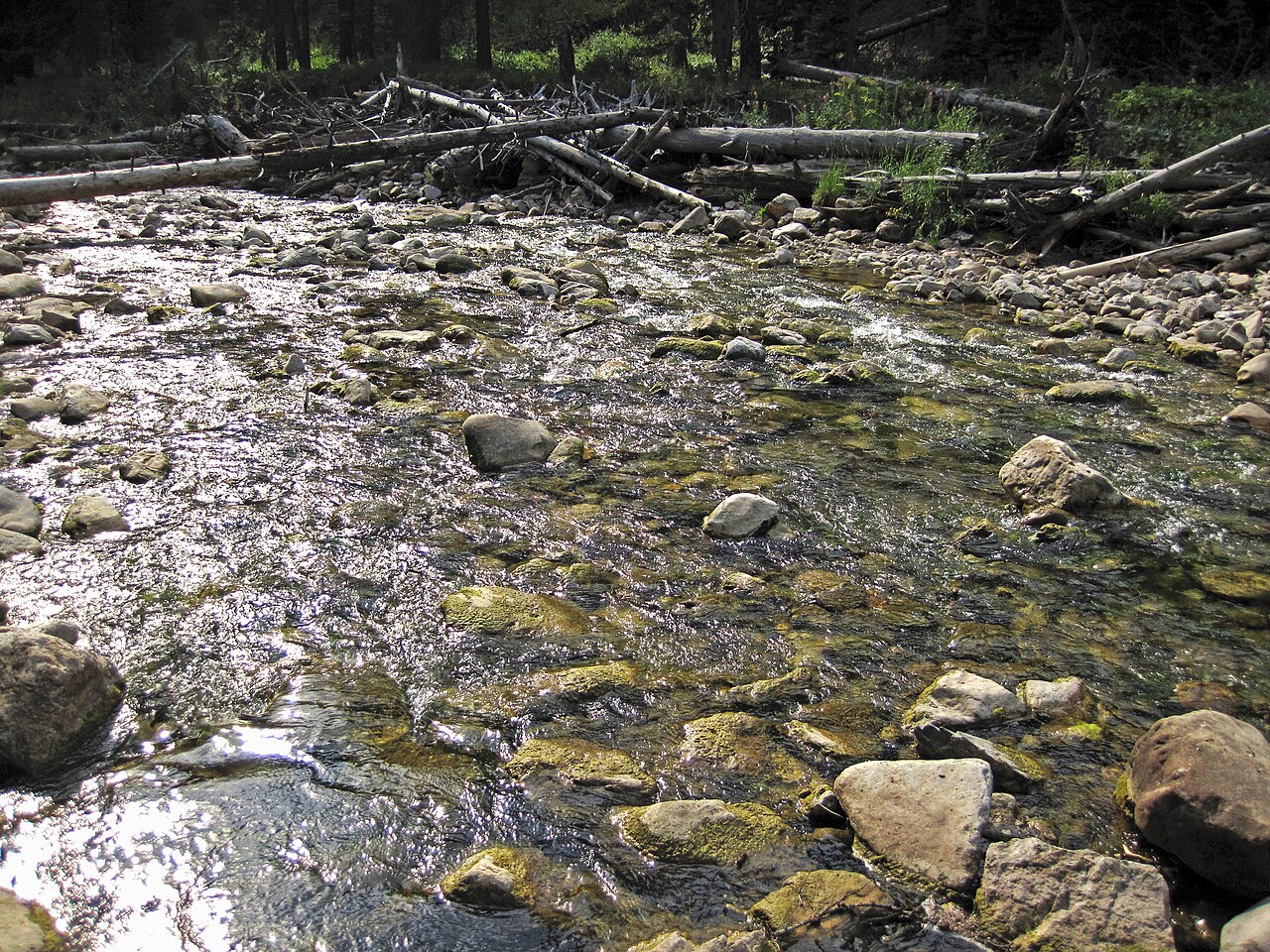
The Gallatin National Forest encompasses portions of some of the most famous fly fishing waters in the world. The Gallatin River, which winds through a narrow, scenic canyon, offers accessible wading and excellent trout fishing. Anglers from around the globe come here to test their skills against wild rainbow and brown trout. The river's character changes from fast-moving whitewater to gentle stretches, providing diverse environments for different fishing techniques. The Madison River, another legendary waterway, also flows near the forest boundaries, offering wide-open vistas and productive riffles.
Fishing in these rivers is not just about the catch; it is about the immersive experience of being surrounded by towering pines and granite walls. If you are new to fly fishing, several local outfitters in Big Sky and Bozeman offer guided trips that provide all the necessary gear and expert knowledge. It is essential to obtain a Montana fishing license and familiarize yourself with local regulations, including catch-and-release areas. The best fishing typically occurs from late June through September, once the spring runoff has subsided and the water clarity improves, creating ideal conditions for dry fly action.
Scenic Drives and Wildlife Viewing
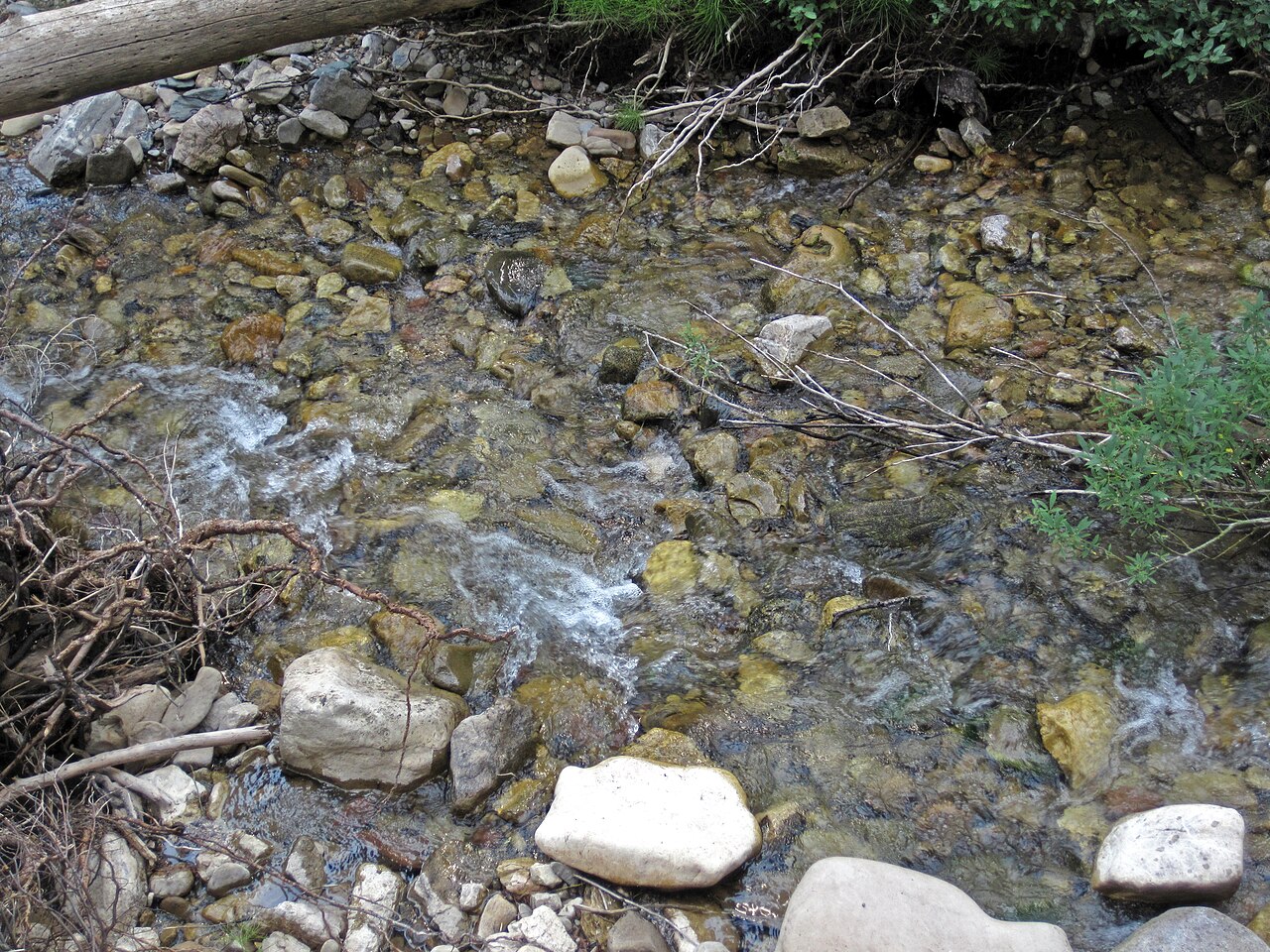
For those who prefer to see the sights from the comfort of their vehicle, the Gallatin Canyon (Highway 191) offers one of the most beautiful drives in the United States. Connecting Bozeman to West Yellowstone, the road follows the Gallatin River through a deep gorge characterized by dramatic rock formations and dense forests. Keep a sharp eye on the meadows and riverbanks, as it is common to spot elk, moose, and occasionally bighorn sheep perched on the rocky outcroppings. The drive is particularly stunning in the fall when the cottonwoods along the river turn gold.
Another spectacular route is the Beartooth Highway, located on the eastern edge of the forest system. Though a bit of a drive from the central Gallatin area, it is often cited as the most beautiful roadway in America, reaching high alpine plateaus and offering views of permanent snowfields and glacial lakes. Regardless of the route, travelers should drive cautiously, as wildlife frequently crosses the roads. Pullouts are available for photography and taking in the view, allowing you to experience the vastness of the Montana landscape without having to stray too far from your car.
Winter Recreation and Snow Sports
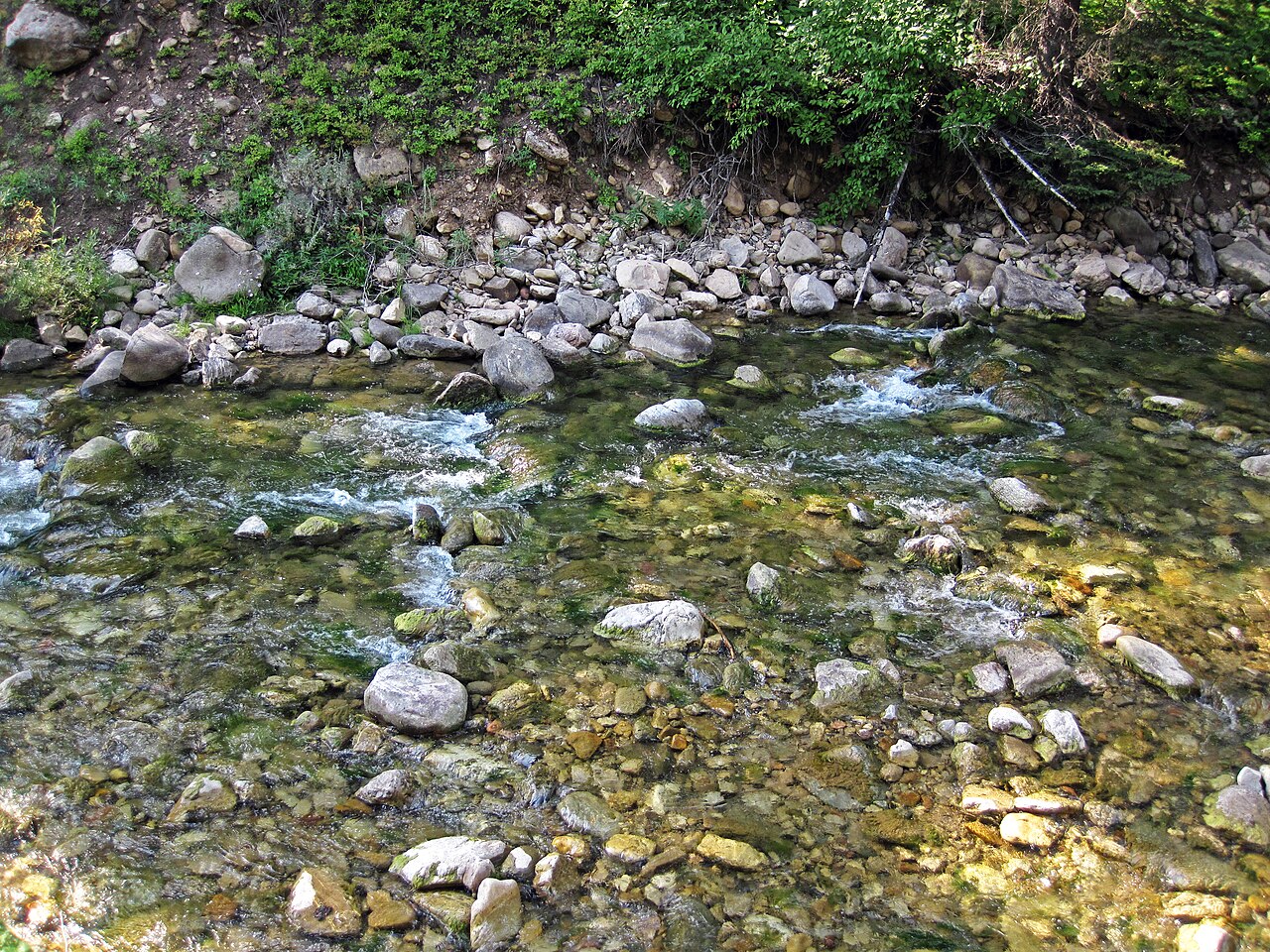
When the snow falls, Gallatin National Forest becomes a premier destination for winter enthusiasts. The area surrounding West Yellowstone is known as the 'Snowmobile Capital of the World,' with hundreds of miles of groomed trails that lead deep into the quiet, snow-covered backcountry. For those who prefer a slower pace, the forest offers exceptional cross-country skiing and snowshoeing opportunities. The Rendezvous Ski Trails near West Yellowstone are meticulously groomed and provide a professional-grade experience for Nordic skiers of all levels, from beginners to competitive athletes.
Downhill skiers are also well-served, with the forest bordering major resorts like Big Sky, which offers world-class terrain. However, the true spirit of the Gallatin in winter is found in the backcountry. Ski touring and split-boarding are popular in the Bridger Range and the Gallatin Range, though these activities require significant experience and avalanche safety training. Even a simple winter walk near a frozen waterfall can be a transformative experience, as the summer crowds vanish and a profound silence settles over the mountains. Always check the local avalanche center reports before heading into any steep terrain during the winter months.
Family Adventures and Rainy Day Options
Traveling with kids in the Gallatin National Forest is easy thanks to the variety of short, engaging trails and educational opportunities. The Grizzly & Wolf Discovery Center in West Yellowstone is a fantastic place for children to see these majestic animals up close in a safe environment and learn about their role in the ecosystem. Many of the forest's campgrounds have easy access to shallow creek areas where kids can skip stones or look for unique rocks. Educational programs are often hosted at the local ranger stations during the summer months, providing insights into the geology and biology of the region.
On rainy days, the Museum of the Rockies in Bozeman is a world-class facility that features an extensive collection of dinosaur fossils found in the region, which is a big hit with visitors of all ages. You can also explore the small shops and galleries in Big Sky or West Yellowstone, which offer a look at local mountain culture and art. While the outdoors is the main draw, these indoor options provide a great way to wait out a mountain storm while still learning about the unique heritage of the Northern Rockies.