
Choosing the best time to visit Gallatin National Forest depends entirely on whether you prefer vibrant wildflowers or deep, powdery snow. This sprawling Montana wilderness transitions through dramatic seasonal shifts, offering distinct experiences for hikers, anglers, and winter sports enthusiasts. While the summer months provide the easiest access to high-alpine basins, the shoulder seasons offer a quiet solitude that many travelers find rewarding. Knowing the rhythm of the mountains helps ensure you arrive with the right gear for the conditions.
Summer Highs and Alpine Blooms
Summer, particularly from July through August, is widely considered the peak window for exploring the higher elevations of the forest. During these months, the snow finally retreats from the mountain passes, opening up hundreds of miles of trails for backpacking and day hiking. The temperatures are generally pleasant, often reaching the seventies or eighties during the day, though the air cools rapidly once the sun dips behind the peaks. This is the season when the meadows are carpeted in lupine and paintbrush, and the mountain lakes become accessible for fishing.
However, summer is also the most popular time for visitors, especially near the gateway towns of Bozeman and West Yellowstone. You should anticipate busier trailheads and full campgrounds. Because this forest borders Yellowstone National Park, the influx of summer tourists is significant. Early morning starts are essential if you want to secure a parking spot at popular locations like Hyalite Canyon or the trailheads near Big Sky. Always check the official NPS or Forest Service sites for current fire restrictions during this dry period.
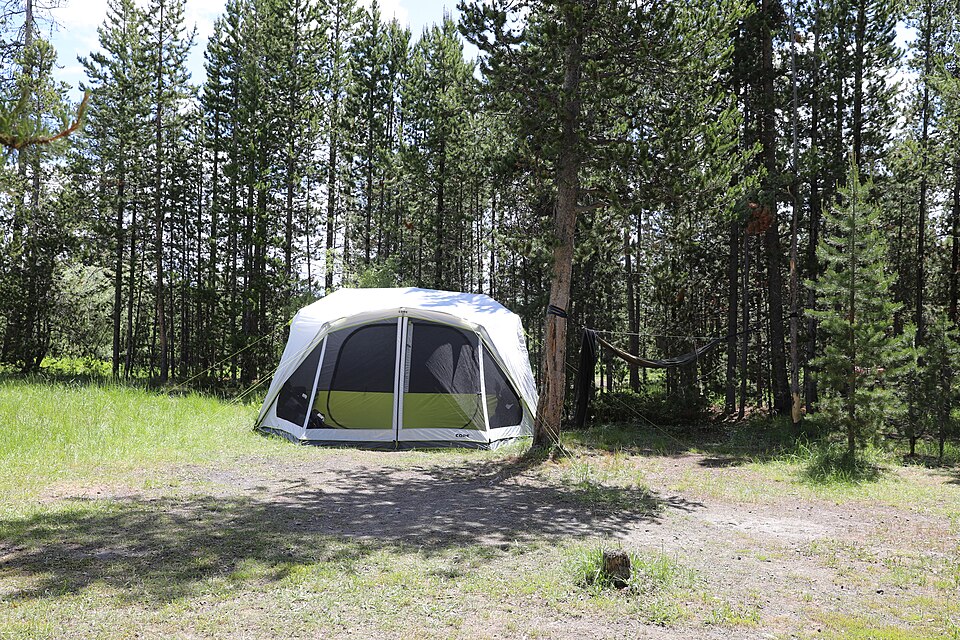
Lock in a stay for this season
RV parks near Gallatin National Forest on RoverPass
Partner link · RoverPass
Fall Colors and Crisp Mountain Air
September and October represent a magical transition period in the Gallatin. The crowds begin to thin, and the air takes on a crisp, refreshing quality. The deciduous trees, particularly the aspen and cottonwood stands in the river valleys, turn brilliant shades of gold and orange against the dark green of the conifers. This is an excellent time for photography and wildlife viewing, as elk are in their rutting season and can often be heard bugling through the timbered hillsides.
Daytime temperatures remain comfortable for vigorous activity, but nighttime lows frequently drop below freezing. If you plan to camp during the fall, high-quality sleeping bags and insulated pads are necessary. It is important to note that many forest service facilities and some developed campgrounds begin to close or transition to limited services after Labor Day. Additionally, early-season snowstorms are common in late September, which can temporarily close high-altitude roads. Planning for fall requires flexibility and a close eye on the local weather forecast to avoid being caught in an unexpected mountain storm.
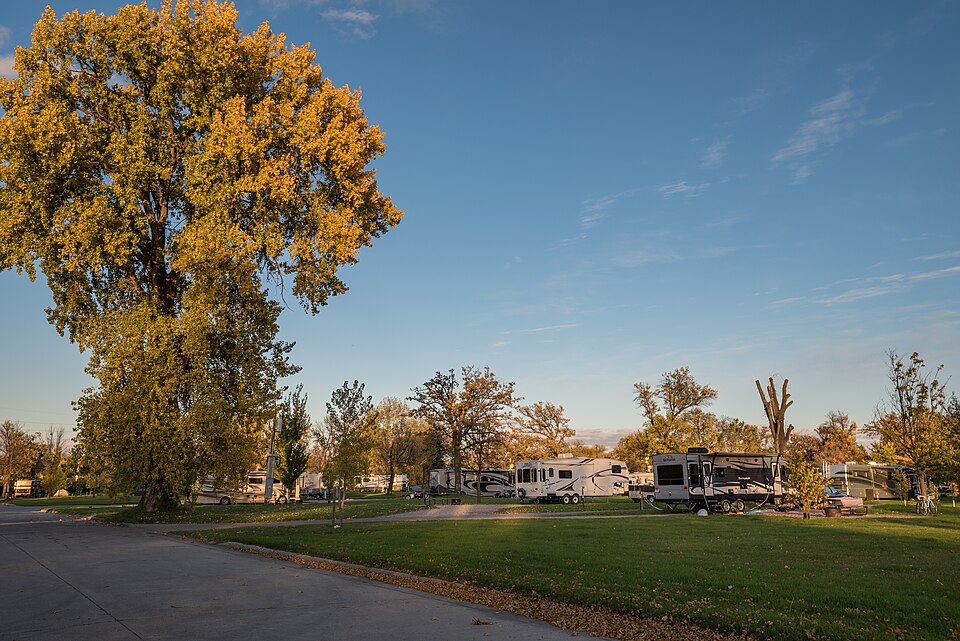
Lock in a stay for this season
Campsites near Gallatin National Forest on Campspot
Partner link · Campspot
Winter Wonderland and Snow Sports
From December through March, the Gallatin National Forest transforms into a premier destination for winter recreation. The region is famous for its light, dry powder, attracting backcountry skiers, snowshoers, and snowmobilers from across the country. Areas like the Gallatin Canyon and the mountains surrounding West Yellowstone become hubs for winter exploration. The scenery is breathtaking, with frost-covered trees known as 'snow ghosts' standing silent against the bright blue Montana sky. It is a time of profound stillness, broken only by the sound of wind or the crunch of snow.
Traveling here in winter requires specialized preparation. Many forest roads are not plowed and are accessible only by tracked vehicles or skis. Those heading into the backcountry must be well-versed in avalanche safety, as the steep terrain and heavy snowfall create significant risks. For a less intense experience, many visitors enjoy staying in the gateway cities and taking day trips for cross-country skiing on groomed trails. While the cold can be biting, with temperatures often dropping below zero, the lack of crowds offers a sense of true wilderness isolation that is hard to find in the warmer months.
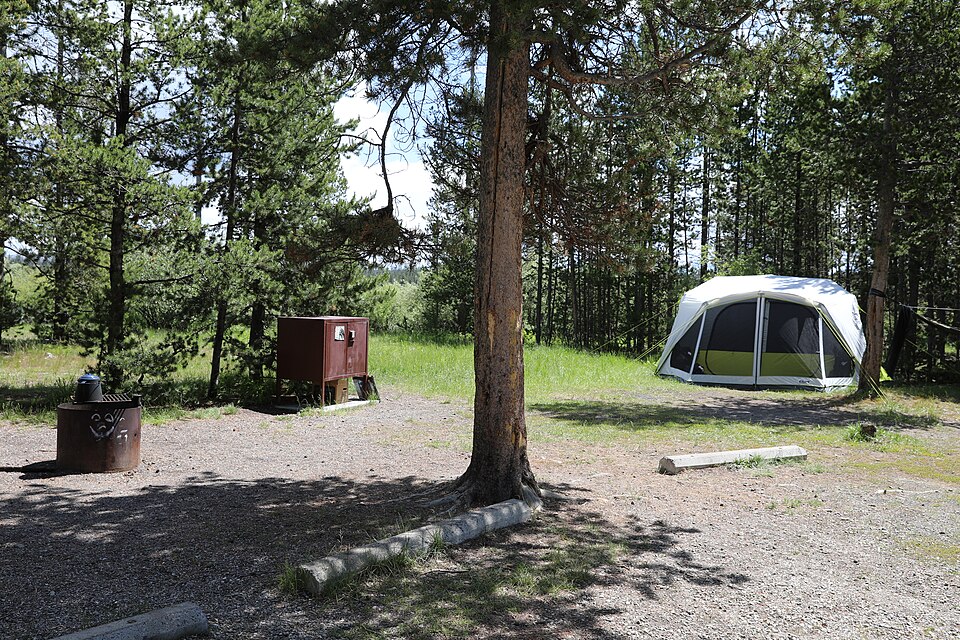
Lock in a stay for this season
Harvest Hosts stays on the way to Gallatin National Forest
Partner link · Harvest Hosts
Spring Runoff and Variable Conditions
Spring in the Gallatin, lasting from April through June, is a season of dramatic change often referred to as 'mud season.' As the winter snowpack begins to melt, the rivers and creeks swell with icy runoff, making this a challenging time for hikers but a dynamic time for photographers watching the waterfalls roar to life. Lower elevation trails may begin to clear by May, but high-altitude routes often remain under several feet of snow until well into July. It is a period of transition where you might experience a warm sunny day followed by a heavy spring blizzard.
Wildlife activity increases during this time as bears emerge from hibernation and elk calves are born in the valleys. However, many trails are extremely muddy and prone to damage if used before they dry out, so visitors are encouraged to stick to paved paths or lower valley walks. Most developed campgrounds do not fully open until late May or early June. If you visit during the spring, bring waterproof footwear and plenty of layers to handle the rapidly shifting weather conditions characteristic of the Northern Rockies.
Reservations and Planning Tips
Given the popularity of the region, especially its proximity to Yellowstone, planning your timing involves more than just checking the weather. For those looking to stay in developed Forest Service campgrounds, reservations through official channels are often necessary several months in advance for the summer season. If you prefer a more spontaneous trip, late August and early September offer a sweet spot where the weather remains stable but the peak family vacation crowds have begun to diminish. Always verify which roads are open, as seasonal gates are common in this national forest to protect wildlife and road surfaces.
Budgeting for your trip should account for the fact that prices in gateway towns like Bozeman and Big Sky tend to peak during the summer and winter ski seasons. Mid-week visits can sometimes offer a slight reprieve in both costs and congestion. Regardless of when you choose to visit, checking the official Forest Service website for the Custer Gallatin National Forest is the most reliable way to stay informed about trail closures, bridge washouts, or temporary campground restrictions due to bear activity. Preparation is the key to enjoying this rugged landscape in any season.
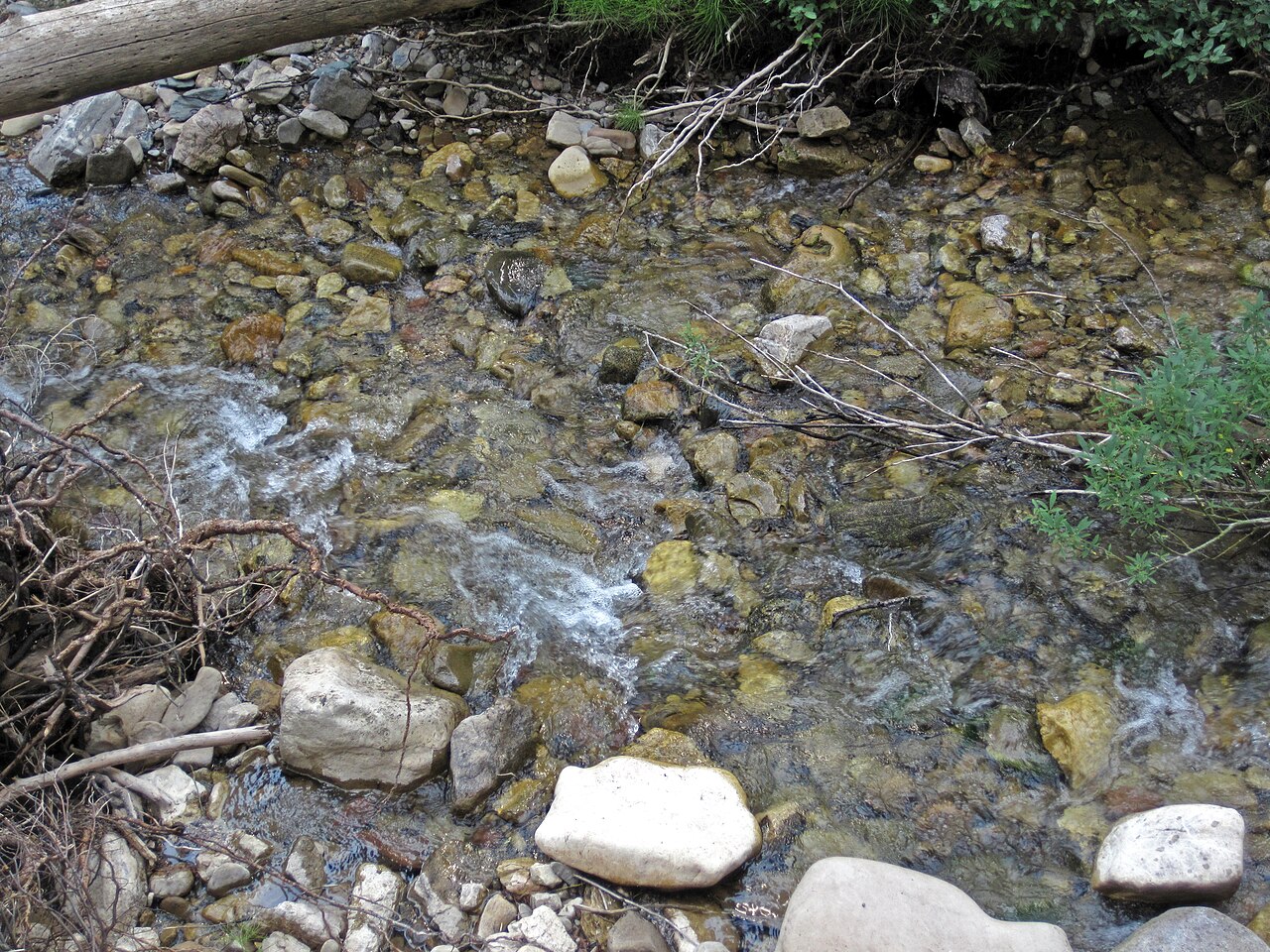
More ways to book Gallatin National Forest
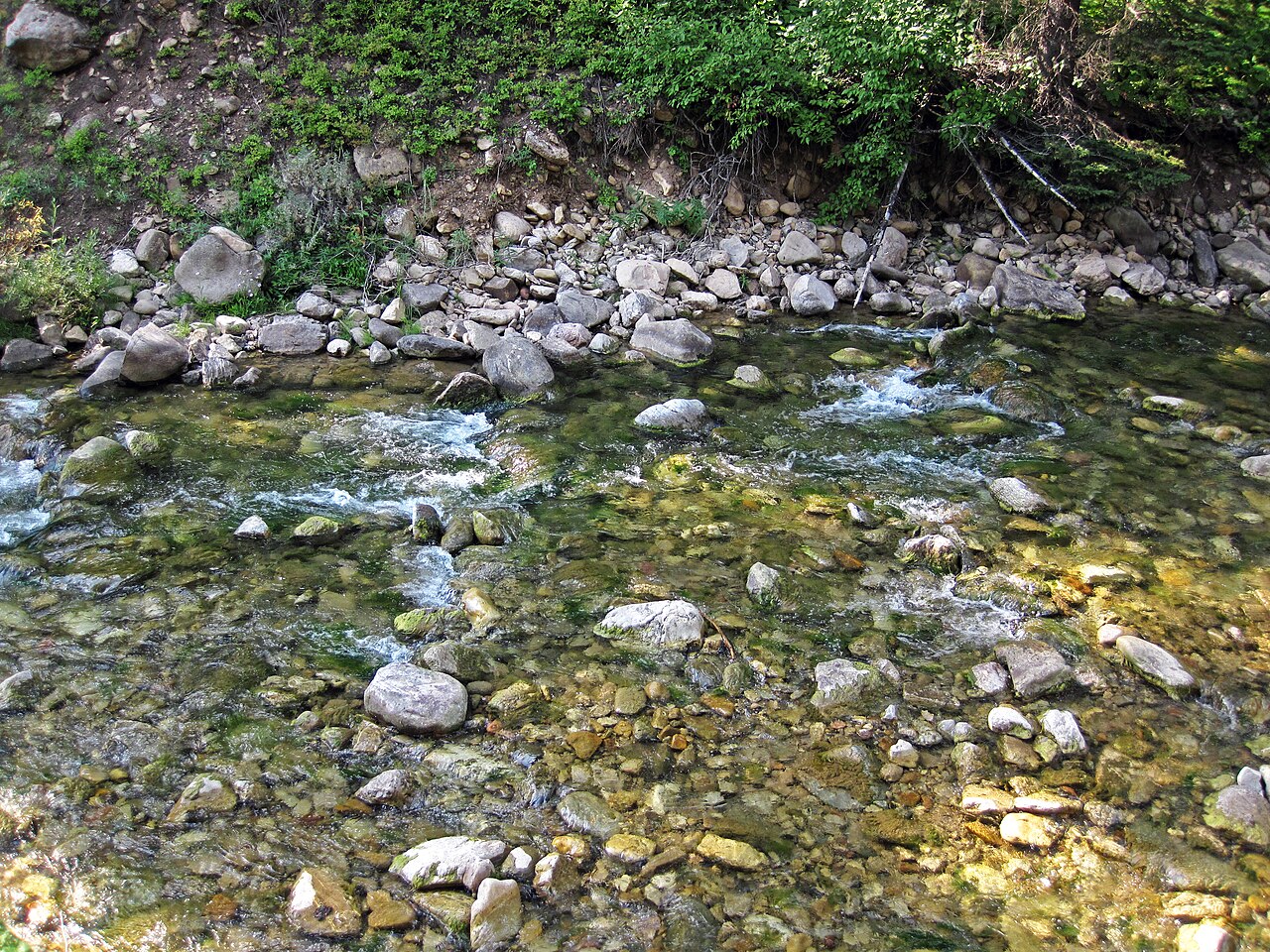 Illustrative · James St. John
Madison River Fly Fishing
One of the classic ways to experience Gallatin National Forest.
Varies (estimate)
Partner link · Viator