
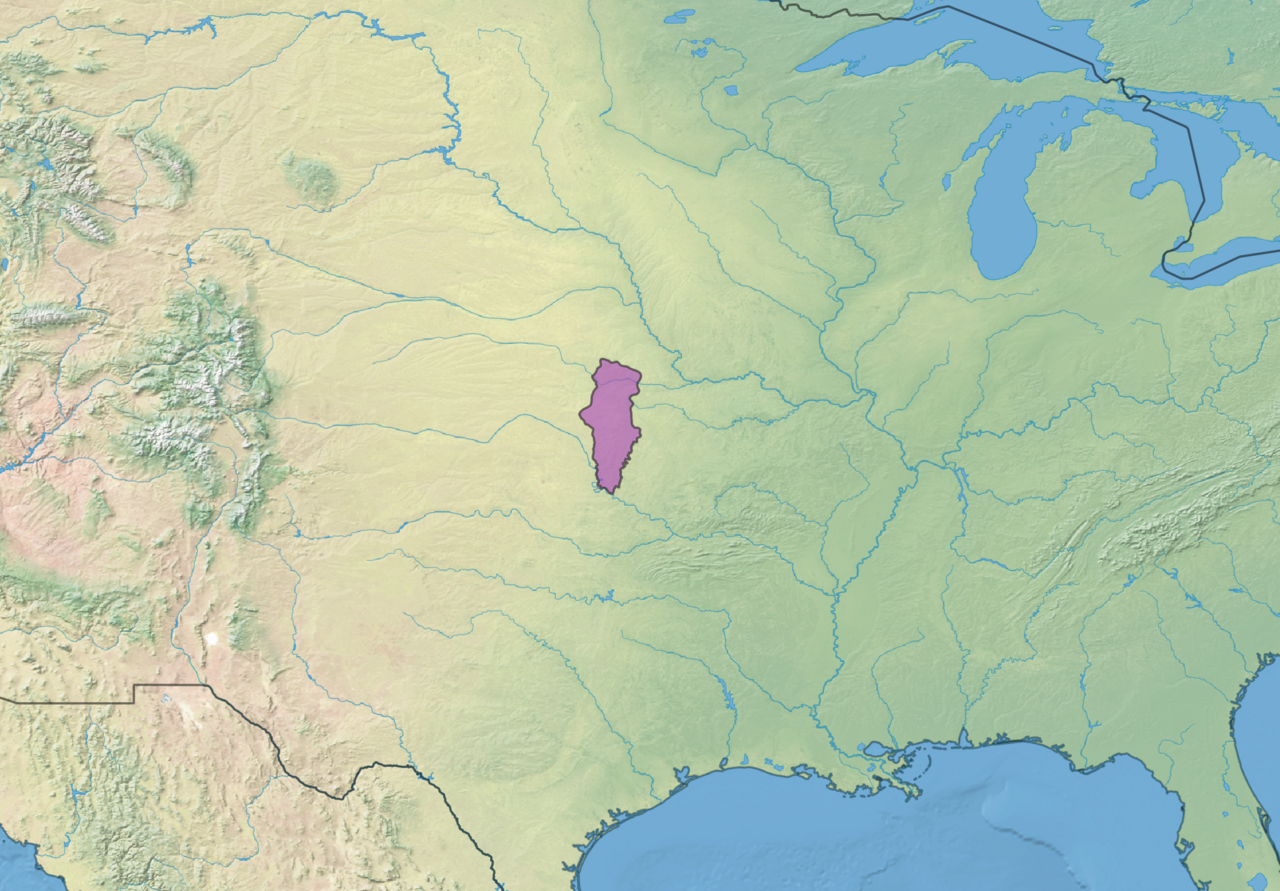
The Flint Hills region is one of the last places on earth where you can see the tallgrass prairie as it looked centuries ago. Far from being just 'flat land,' these rolling hills offer a wealth of outdoor recreation, historic architecture, and deep ecological wonder. Whether you are a solo hiker looking for silence or a family on a road trip, there is a surprising diversity of activities waiting in this unique American landscape.
Hiking the Tallgrass Prairie National Preserve
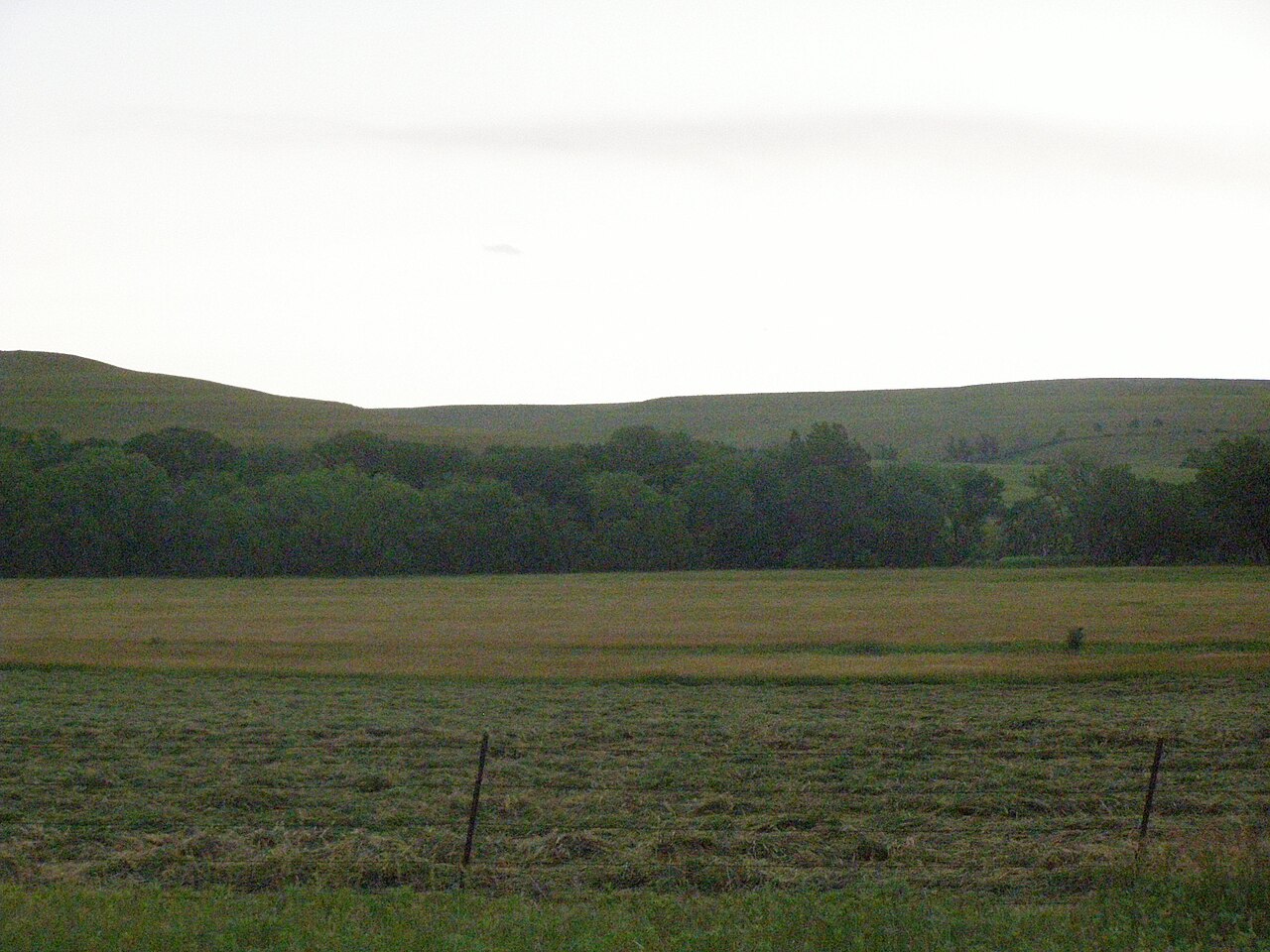
The crown jewel of the region is the Tallgrass Prairie National Preserve near Strong City. This is one of the few places where you can walk through miles of protected tallgrass. The Southwind Nature Trail is a popular choice, leading you to a scenic overlook and through a historic limestone schoolhouse site. For those seeking more distance, the backcountry trails offer a chance to lose yourself in the undulating hills where the only sound is the wind and the occasional call of a meadowlark.
One of the most exciting aspects of hiking here is the resident bison herd. The preserve manages a large herd of these majestic animals, and they are often visible from the trails. It is crucial to maintain a safe distance and follow all park regulations regarding wildlife. The trails range from mowed grass paths to gravel tracks, so sturdy walking shoes are a must. Before heading out, stop at the visitor center to grab a map and check on the latest trail conditions or cattle grazing locations.
Book this experience
Tallgrass Prairie National Preserve Hike
Varies (estimate) · Partner link · Viator
Cruising the Flint Hills National Scenic Byway
For those who prefer to see the sights by car, the Flint Hills National Scenic Byway (Highway 177) offers one of the most beautiful drives in the Midwest. Stretching from Cassoday in the south to Manhattan in the north, this route takes you through the heart of the hills. You will pass by historic stone fences, vast cattle ranches, and small towns that look like they have been frozen in time. There are several designated pull-offs with interpretive signs that explain the geology and history of the area.
In the spring, this drive offers front-row seats to the dramatic prairie burns. In the autumn, the hills glow with color. Make sure to stop in Cottonwood Falls to see the Chase County Courthouse, a stunning example of French Renaissance architecture built from local limestone. The drive is about 47 miles long, but you should budget several hours to allow for photography stops and short walks at the various overlooks along the way.
Book this experience
Flint Hills National Scenic Byway Drive
Varies (estimate) · Partner link · Viator
Water Recreation at Council Grove and Tuttle Creek
While the hills are famous for their dry upland prairie, water plays a huge role in the local ecosystem. Council Grove City Lake and Council Grove Reservoir offer excellent opportunities for boating, fishing, and lakeside picnicking. These spots are perfect for cooling off during the hot Kansas summer. Anglers can expect to find crappie, catfish, and largemouth bass. The surrounding parks also offer shaded camping spots that provide a nice contrast to the open sun of the prairie.
Further north near Manhattan, Tuttle Creek State Park provides even more water-based fun. It is a popular spot for kayaking and paddleboarding. The park features numerous trails that wind through the woods near the water, offering a different kind of hiking experience than the open hills. Whether you want to rent a boat or just sit by the shore and watch the sunset, these water bodies add a necessary layer of recreation to any Flint Hills trip, especially for families with children who need a break from the car.
Exploring Historic Towns and Limestone Architecture
The human history of the Flint Hills is written in stone. The abundance of native limestone led early settlers to build durable, beautiful structures that still stand today. Spend an afternoon wandering through Cottonwood Falls or Council Grove. In Council Grove, you can visit the Kaw Mission State Historic Site to learn about the Kaw Nation and the early Santa Fe Trail days. The town is full of historic markers, including the remains of the Post Office Oak and the Council Oak.
Many of the local businesses are housed in 19th-century buildings with high ceilings and original woodwork. Browsing the local boutiques and galleries is a great rainy-day activity. You can find unique items like prairie-inspired art, handmade soaps, and local honey. The slow pace of these towns is infectious, encouraging you to grab a coffee and sit on a park bench to watch the world go by. It is a refreshing change of pace from the hustle of larger metropolitan areas.
Family-Friendly Fun and Wildlife Spotting
If you are traveling with kids, the Flint Hills offer plenty of space to run and explore. The Flint Hills Discovery Center in Manhattan is an absolute must-visit. It features immersive exhibits that explain the prairie ecosystem in a way that is engaging for all ages, including an impressive theater experience. It is the perfect place to start your trip, as it provides the context needed to appreciate the landscape you will be driving through later.
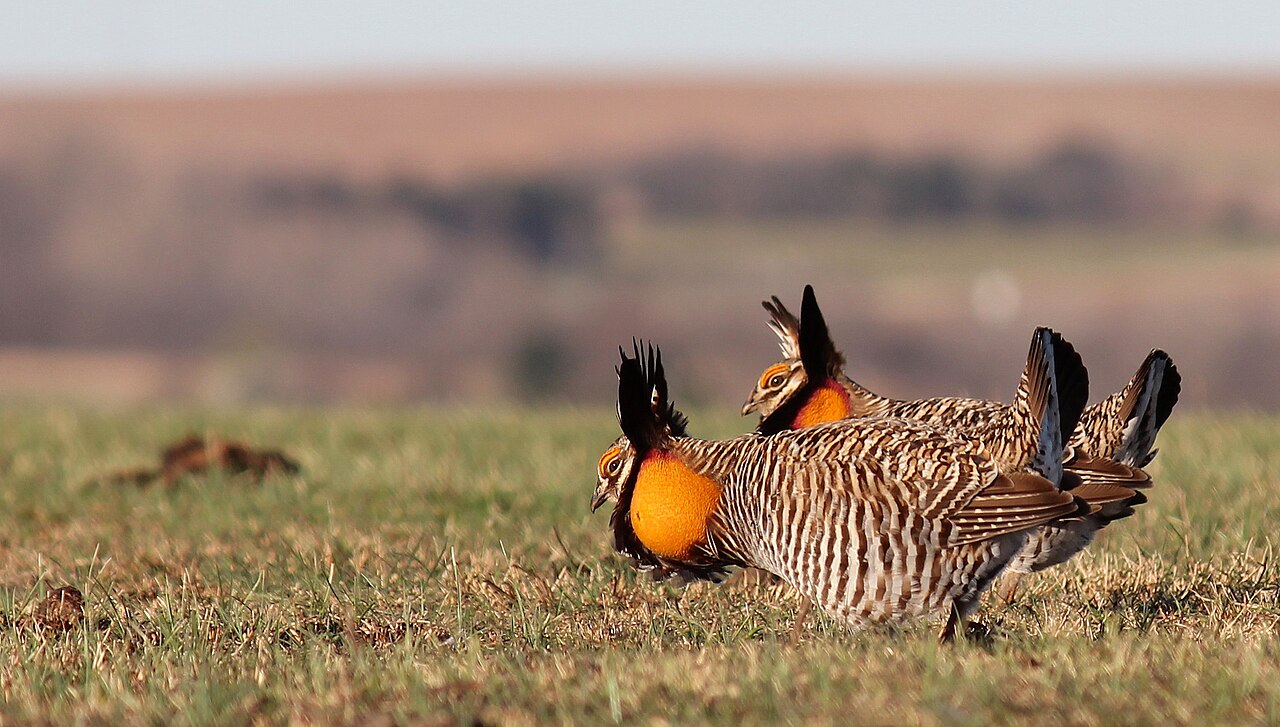
Back out on the land, kids will love searching for 'prairie treasure.' While you shouldn't take anything from the preserve, spotting grasshoppers, lizards, and various birds can be a fun game. For a unique experience, look for local ranches that offer wagon rides or educational tours. These experiences allow children to see a working landscape up close. Remember to bring plenty of water and sunscreen, as the Kansas sun can be intense, and shade is limited when you are out in the tallgrass.