
Timing a visit to the Flint Hills is all about choosing which version of the prairie you want to see. This vast expanse of tallgrass changes its character entirely with the turning of the calendar, moving from the charred, blackened earth of early spring to the waist-high greenery of summer and the deep rusted oranges of fall. Whether you are looking for mild hiking weather or the chance to witness ancient agricultural traditions, the timing of your Kansas adventure makes all the difference.
Spring Rebirth and the Prairie Burns
Spring is arguably the most dramatic season in Eastern Kansas. In late March and April, the tradition of controlled burning takes place across the hills. Ranchers set fire to the dry grass to clear the way for new growth, a practice that mimics the natural lightning strikes of centuries past. If you visit during this window, you will see smoke plumes on the horizon and blackened hillsides that, within weeks, turn into the most vibrant neon green imaginable. It is a striking visual contrast that photographers love.
By May, the wildflowers begin to pop, including the iconic wild indigo and primrose. The weather during this period is generally mild, though it is the start of the convective season. You should be prepared for sudden thunderstorms that roll across the open landscape. Because this is the most popular time for visitors, it is wise to check the official National Park Service website for the Tallgrass Prairie National Preserve to see if any guided spring walks or birding tours are being offered.
Summer Sun and Tallgrass Peaks
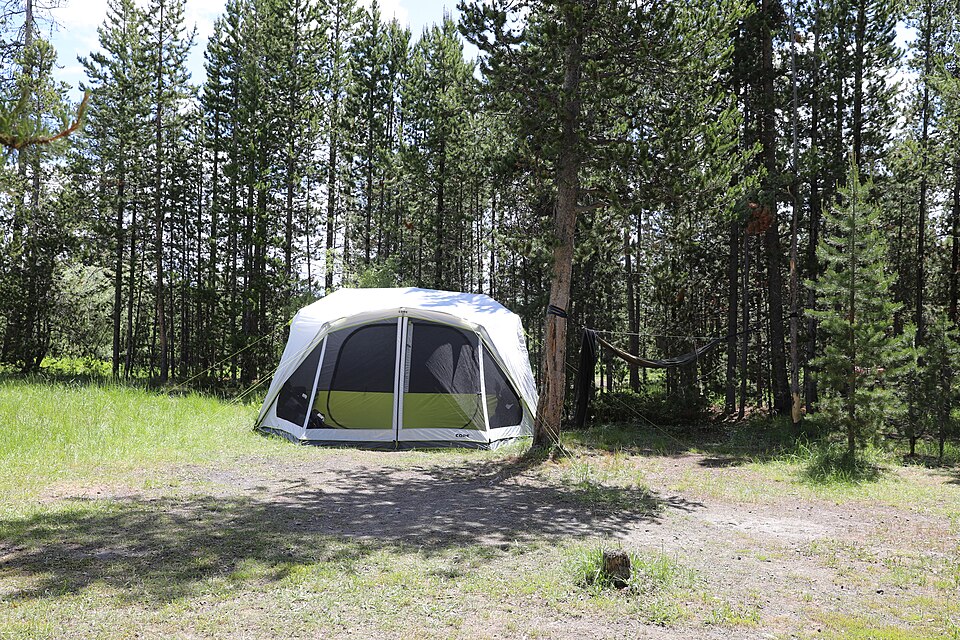
Summer in the Flint Hills brings heat, humidity, and the full maturation of the prairie ecosystem. By July and August, the Big Bluestem and Indian Grass begin their climb toward their full height, which can reach over six or seven feet in a good year. The landscape is a sea of waving green, punctuated by the yellow of sunflowers and the purple of coneflowers. However, visitors should be prepared for temperatures that frequently climb into the nineties with significant humidity.
If you visit in mid-summer, plan your outdoor activities for the early morning or late evening to avoid the midday heat. The light during the 'golden hour' just before sunset is particularly spectacular here, as there are very few trees to block the view. While summer is a busy time for families, the sheer scale of the region means you can always find a quiet spot. Reservations for local lodges in Cottonwood Falls or Manhattan should be made several months in advance to ensure availability during peak travel weeks.
Autumn Gold and Crisp Evenings
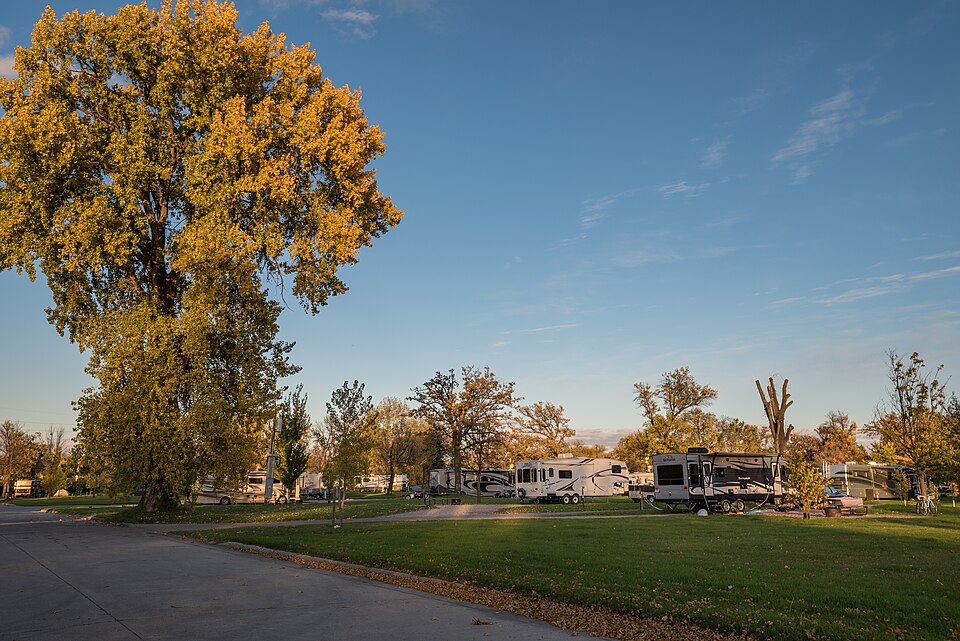
Fall is a favorite for many local travelers because the air turns crisp and the prairie takes on a palette of copper, gold, and deep mahogany. September and October offer some of the most comfortable hiking temperatures of the year, usually hovering in the sixties and seventies. The mosquitoes and biting flies of summer vanish, making it much more pleasant to spend long hours on the trails. This is also when the grasses are at their most impressive height before they begin to dormant for the winter.
As the season progresses into November, the wind picks up across the ridges. The Flint Hills are famously windy, and without the summer heat to soften the blow, the chill can be biting. For those who enjoy a moody, quiet landscape, late autumn is perfect. You will find fewer crowds at the scenic overlooks along the Flint Hills National Scenic Byway, allowing for a more meditative experience with the land. It is a prime time for a quiet weekend getaway in a cozy local bed and breakfast.
Lock in a stay for this season
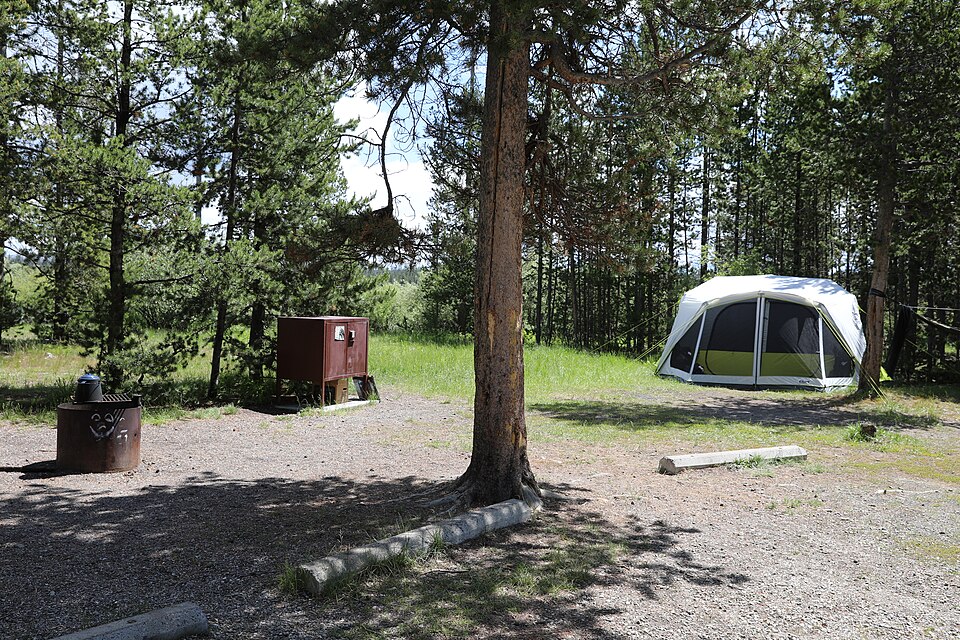
Harvest Hosts stays on the way to Flint Hills
Partner link · Harvest Hosts
Winter Quiet and Stark Landscapes
Winter in the Flint Hills is for the hardy traveler who appreciates solitude and stark beauty. The prairie turns a uniform shade of tan and brown, and the limestone outcroppings that give the hills their name become much more visible through the dormant vegetation. Snow is common but rarely stays deep for long; however, the wind across the open plains can make it feel much colder than the thermometer suggests. Traveling here in December or January requires good winter gear and a vehicle prepared for potential icy patches on rural backroads.
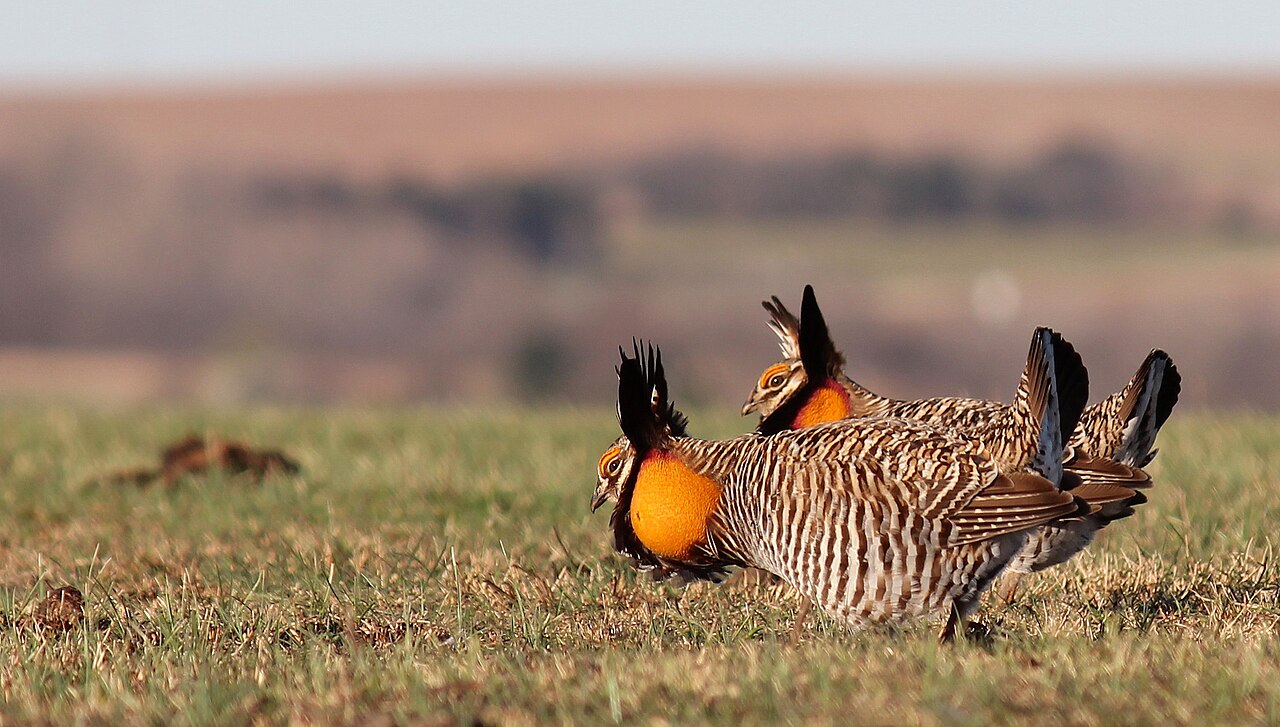
While some smaller visitor centers may have reduced winter hours, the landscape remains open. This is a fantastic time for wildlife viewing, as the lack of foliage makes it easier to spot white-tailed deer, coyotes, and various hawks or eagles perched on fence posts. If you are looking for a budget-friendly time to visit, winter offers lower rates at local accommodations, though you should check the official NPS site for current trail conditions after any significant winter weather events.
Book this experience
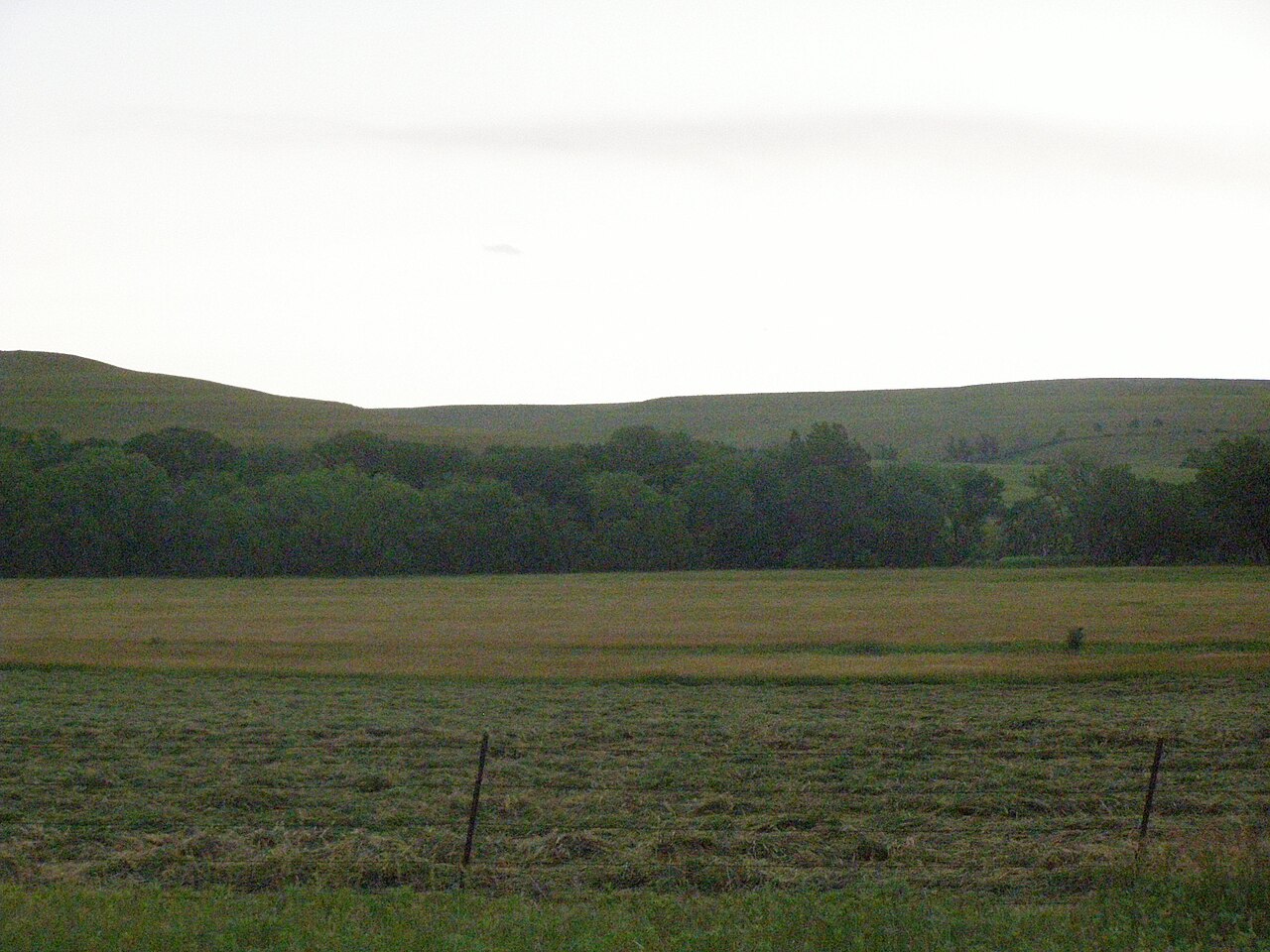
Tallgrass Prairie National Preserve Hike
Varies (estimate) · Partner link · Viator
Navigating Crowds and Planning Ahead
While the Flint Hills rarely feel 'crowded' in the way a coastal national park might, certain weekends bring a surge of visitors to the gateway cities like Cottonwood Falls and Emporia. Events such as local festivals, gravel bike races, or the Symphony in the Flint Hills can fill up every hotel room within a fifty-mile radius. It is essential to check regional event calendars before finalizing your dates. If you prefer a quiet experience, aim for mid-week visits during the spring or fall shoulder seasons.
For those planning to stay in the more remote areas or at the few specialized ranch stays, booking at least four to six months out is recommended for spring and fall. The Flint Hills are a delicate ecosystem, so regardless of when you visit, staying on marked trails and respecting private property boundaries is vital. Always check the official National Park Service pages for current weather alerts, as Kansas weather can change rapidly, shifting from sunshine to severe storms in a matter of hours.
Book this experience
Flint Hills National Scenic Byway Drive
Varies (estimate) · Partner link · Viator
More ways to book Flint Hills
 Illustrative · Z3lvs
Konza Prairie Overlook Trail
One of the classic ways to experience Flint Hills.
Varies (estimate)
Partner link · Viator