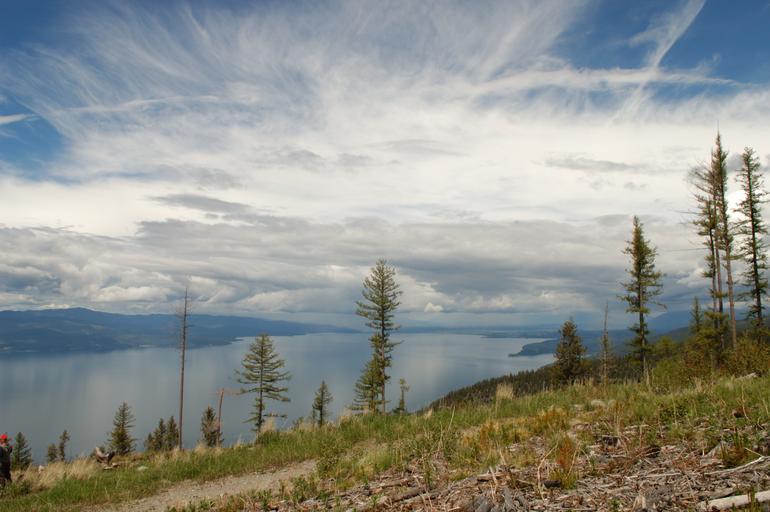
Flathead Lake glamping can mean a furnished tent, a yurt-style stay, or a small cabin that keeps you close to the outdoors without requiring a full camping setup. The label does not guarantee a private bathroom, heating, or direct lake access. For a two- to four-day trip, focus first on shoreline location and essential amenities, then compare the atmosphere and comfort offered by individual properties.
Know What the Glamping Label Includes
Around Flathead Lake, search by lodging type as well as the word glamping. Furnished tents, cabins, and other outdoor-oriented accommodations may appear under different categories, and availability changes by season. A real bed and a covered roof can simplify a trip, but they do not tell you whether you will be comfortable during a cold night or prolonged rain.
Before booking, confirm bedding, heat, electricity, drinking water, bathroom access, and cooking arrangements. Ask whether bathrooms are private, shared, or reached by an outdoor walk. Check if parking is beside the unit or requires carrying bags along a path. Photos of the lake can be misleading about access: distinguish a waterfront property from a lake-view stay or one that requires driving to a public park. If accessibility matters, request specific information about steps, surfaces, and bathroom layout rather than relying on a general description of comfort.
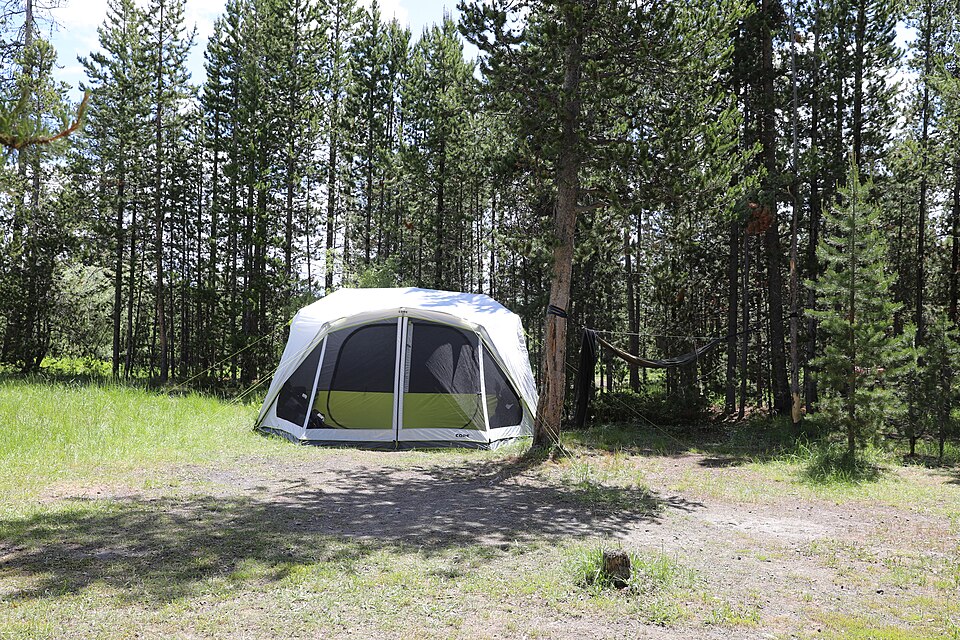
Choose Between Bigfork, Polson, and the West Shore
Bigfork and the northeastern lake area suit travelers who want town meals, access to Wayfarers State Park, and a convenient starting point for an east-shore drive. Properties outside town may feel more secluded, but check the actual route to the water. A wooded setting near the lake is not necessarily walking distance from public shoreline access.
Polson is a practical southern base for groceries, dining, and exploring the lower lake. The Big Arm area on the west side can suit a trip centered on public shoreline recreation or a separately arranged Wild Horse Island outing. Lakeside and Somers provide additional northern-area search locations, especially when you want connections toward Kalispell. Compare the property's exact address with your planned activities before committing. Switching shores repeatedly can add more driving than expected, so choose lodging near your main outing rather than selecting solely for a photogenic tent or deck.
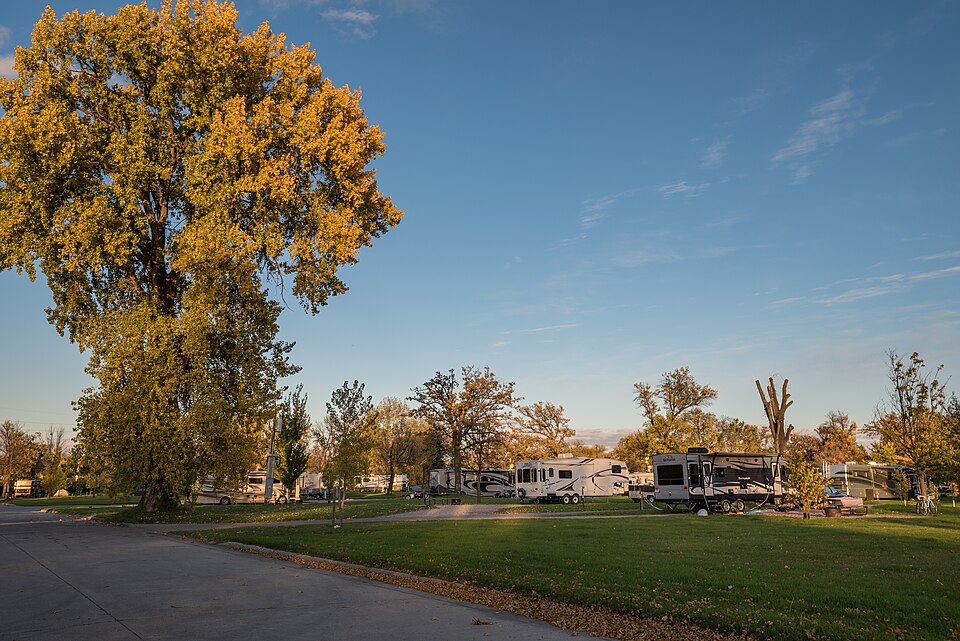
Book for the Season, Not Just the View
Summer is the simplest season for a glamping trip built around swimming and boating, and it is also when desirable stays can fill quickly. Book once your dates are firm, then review cancellation terms and any minimum-stay requirements. Confirm whether the unit has ventilation, shade, or cooling rather than assuming a canvas tent will remain comfortable throughout a sunny afternoon.
Spring and fall can be rewarding for quieter surroundings, but heating and weather protection become much more important. Ask whether the accommodation is insulated, what heat source is provided, and whether bathrooms and water remain available throughout your dates. Outdoor kitchens are less appealing during sustained rain, so plan an alternative for meals. Seasonal smoke can also affect an otherwise attractive summer stay. Check current conditions close to departure and use the official Montana Fish, Wildlife & Parks website to confirm access at the lake parks you intend to visit.
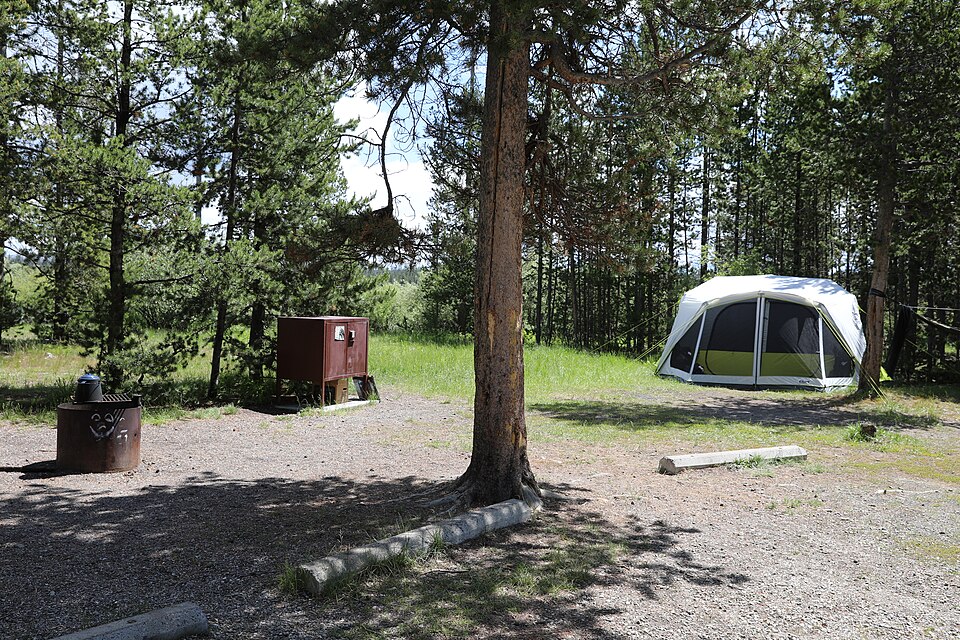
Compare Glamping With Tent Camping and RV Travel
Glamping works well when you want outdoor surroundings but do not want to transport a tent, mattress, and full camp kitchen. It can also simplify a fly-in visit, provided the property actually supplies the equipment you need. Expect costs to vary widely with location, amenities, and season; compare the full booking total rather than a headline nightly figure.
Tent camping generally offers a simpler, more gear-dependent experience and often a lower lodging cost, though equipment purchases or rentals can narrow the difference. State park camping can put you close to established public access, but site facilities vary. RV travel provides your own sleeping space and possibly a kitchen and bathroom, while adding fuel, rental, hookup, and vehicle-size considerations. Do not assume every campground has hookups or room for every rig. Choose based on how you want to spend your mornings and evenings, not on which category sounds most outdoorsy.
Pack Light, but Verify the Outdoor Essentials
Even a well-equipped stay calls for layers, rain protection, sturdy shoes, sun protection, and a light for walking after dark. Bring a cooler if refrigeration is uncertain, and confirm whether cookware, dishes, towels, and coffee-making equipment are supplied. Families should check sleeping arrangements carefully; a listing's maximum occupancy does not explain whether everyone gets a separate bed or a comfortable sleeping surface.
Ask about food storage, garbage disposal, pet policies, and current restrictions on fires or outdoor cooking. Follow property guidance for keeping food and scented items away from wildlife, and never assume a provided fire pit means fires are currently permitted. Plan your lake access separately from your lodging reservation, including parking, rentals, and any boat outing. For park visits, review official conditions and reservations before leaving. A good glamping choice should reduce logistics, leaving more time for the shoreline rather than creating daily surprises about basic facilities.