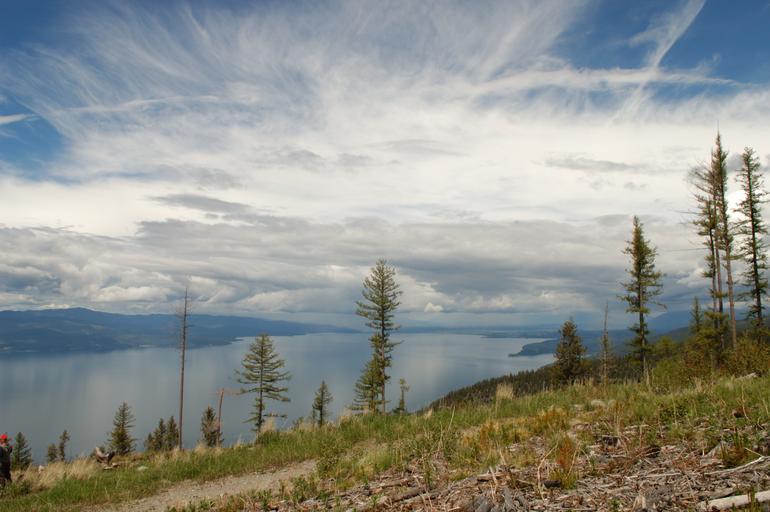
The best time to visit Flathead Lake depends on whether you want swimming weather, quieter campgrounds, or a scenic trip built around shoreline walks. Summer brings the widest range of lake activities, while spring and fall reward travelers who can adjust plans for cooler temperatures and changing weather. For a two- to four-day visit, choose your base and reserve lodging around the activities that matter most to you.
Spring: Quiet Shorelines and Flexible Plans
Spring is a good fit for scenic drives, birdwatching, and lakeside walks rather than a swimming-focused vacation. Snow can linger in the surrounding mountains, and conditions near the water may swing from bright sunshine to cold rain. Pack layers and waterproof outerwear, and keep higher-elevation hiking optional until you have checked trail access.
Polson, Bigfork, and the shoreline communities make useful stops for a relaxed introduction to the lake. Look for public access at state park units rather than assuming every stretch of shoreline is open. Some campgrounds, water systems, and visitor services operate seasonally, so confirm what is available before building an overnight plan. Spring generally brings fewer visitors than midsummer, but holiday weekends can still attract local campers. This season works especially well if your priorities are mountain views, photography, and time outside without a full boating schedule.
Summer: The Main Season for Water and Camping
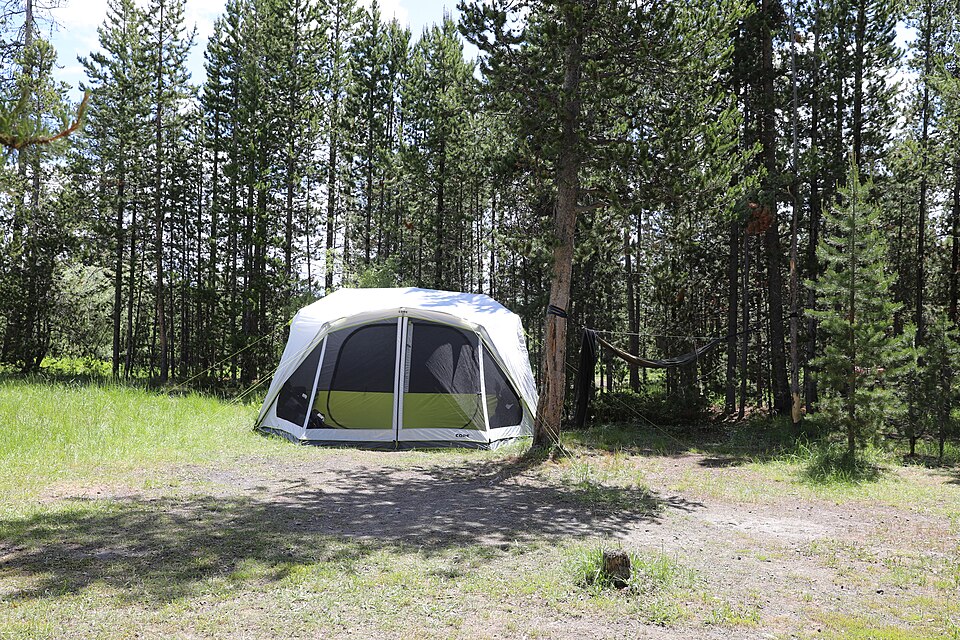
Summer is the strongest choice for swimming, paddling, boating, and a classic campground stay. July and August usually offer the warmest conditions, although the lake can still feel cold and afternoon wind can change a pleasant outing quickly. Plan paddle trips for favorable conditions rather than treating a particular time of day as a guarantee of calm water.
Expect the busiest period at popular state park campgrounds, public beaches, and boat launches. Reserve campsites and lodging as soon as your dates are firm and the applicable booking window opens. Weekend stays need particular attention. Bigfork and Polson are convenient for meals and supplies, while a campground base reduces repeated drives to the shore. Summer also brings cherry stands along the lake when the local harvest is underway. Availability varies with the growing season, so consider fresh cherries a welcome bonus rather than a fixed itinerary requirement.
Fall: More Breathing Room, Cooler Water
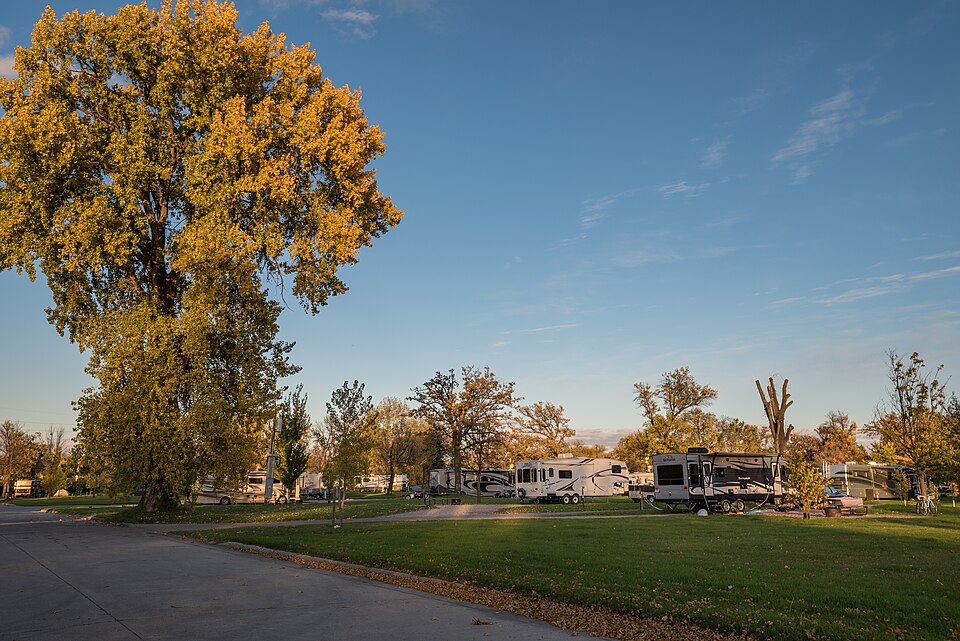
Early fall can offer an appealing balance of comfortable daytime outings and lighter crowds after the main summer rush. September is often a practical choice for shoreline walks, scenic drives, and camping with proper cold-weather bedding. Swimming becomes less appealing as temperatures drop, and wind or rain may reshape plans even when the morning starts clear.
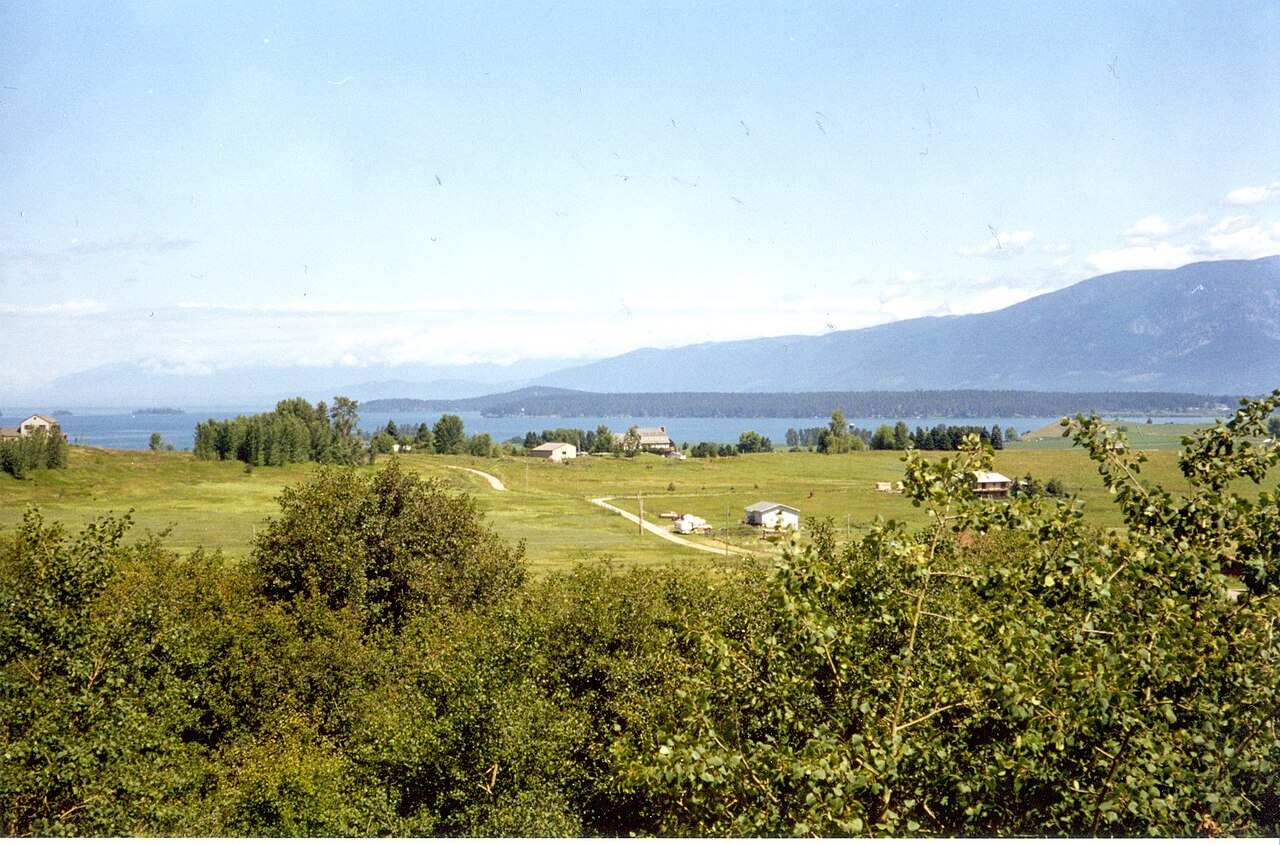
Use Bigfork or Polson as a base if you want easy access to food and indoor alternatives between outdoor stops. Along the east shore, mountain views and orchard country make the drive rewarding without requiring a demanding hike. On either shore, check campground operating dates and whether drinking water or other facilities remain available. Later fall brings shorter days and a greater chance of wintry conditions. Leave extra room in your schedule, and avoid planning a long drive around the lake followed by an ambitious late-afternoon trail outing.
Lock in a stay for this season
Harvest Hosts stays on the way to Flathead Lake
Partner link · Harvest Hosts
Winter: A Different Kind of Lake Visit
Winter suits travelers interested in quiet scenery and a town-based stay more than a full lake recreation itinerary. The surrounding mountains frame the water beautifully, but snow, ice, and limited daylight can complicate shoreline access and driving. Do not build a visit around walking onto lake ice; conditions vary, and a frozen-looking surface is not a reliable invitation to explore.
Choose lodging with dependable heat and straightforward road access, and verify seasonal availability directly with the property. Polson and Bigfork can serve as starting points for short outings when conditions cooperate. Public park facilities may be reduced or closed, and unmaintained paths can be slippery. Keep scenic stops brief enough to stay comfortable and leave time for meals indoors. For current road information, consult Montana's official travel resources, and check Montana Fish, Wildlife & Parks for access updates at Flathead Lake State Park units.
Match Your Dates to Crowds and Reservations
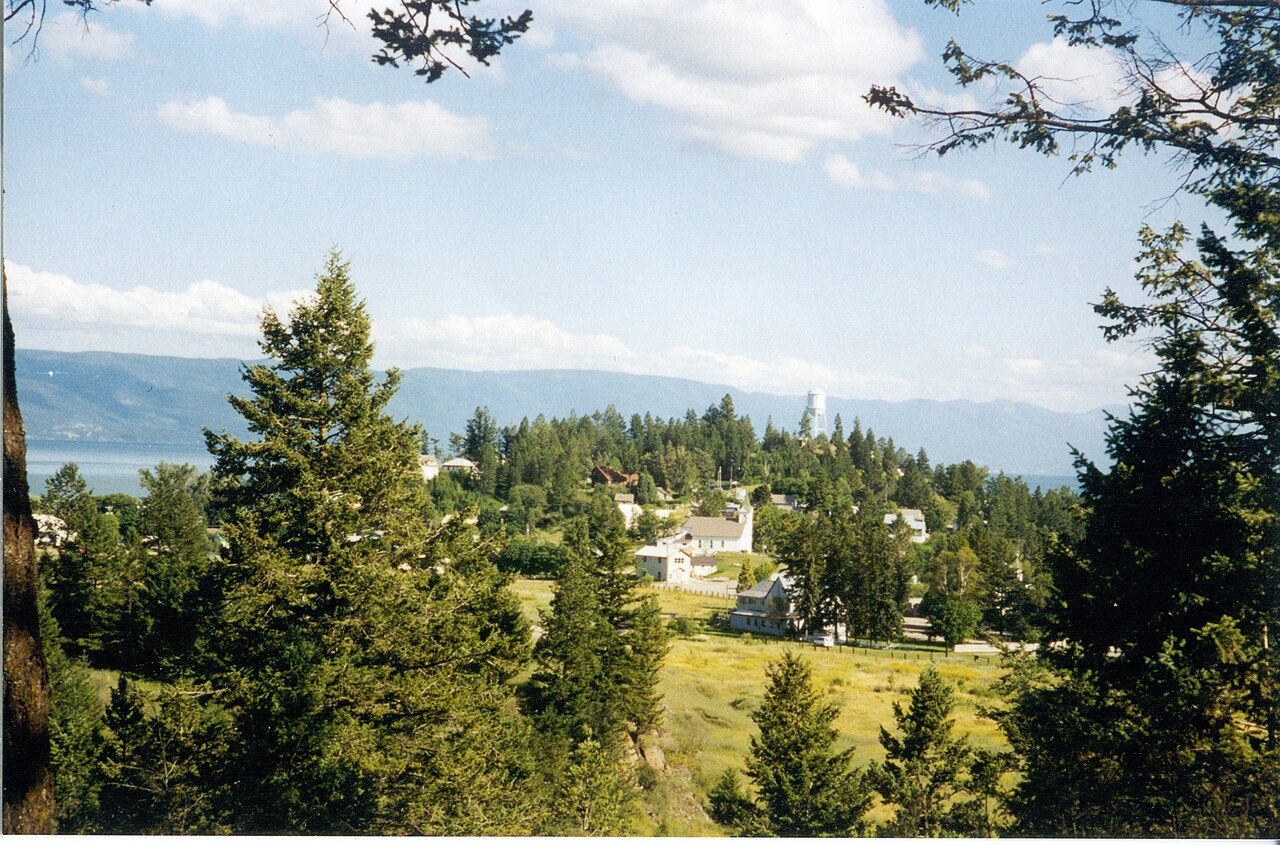
For a first visit centered on water activities, aim for summer and accept that advance planning matters. For a quieter trip focused on scenery, consider late spring or early fall, with the understanding that weather and seasonal services are less predictable. Midweek stays often offer a calmer experience than summer weekends, though popular areas can remain busy throughout peak season.
Before booking, check the official Montana Fish, Wildlife & Parks website for Flathead Lake State Park reservations, campground seasons, and current conditions. Review cancellation rules and confirm whether your chosen site fits your tent or vehicle. Boat outings, specialty lodging, and waterfront campsites are worth arranging early once schedules are released. Summer wildfire smoke may affect visibility and outdoor plans, so keep a flexible backup day. Tribal recreation requirements can apply in relevant areas around the southern lake; verify current rules with the Confederated Salish and Kootenai Tribes.
More ways to book Flathead Lake
 Illustrative · Chris Light
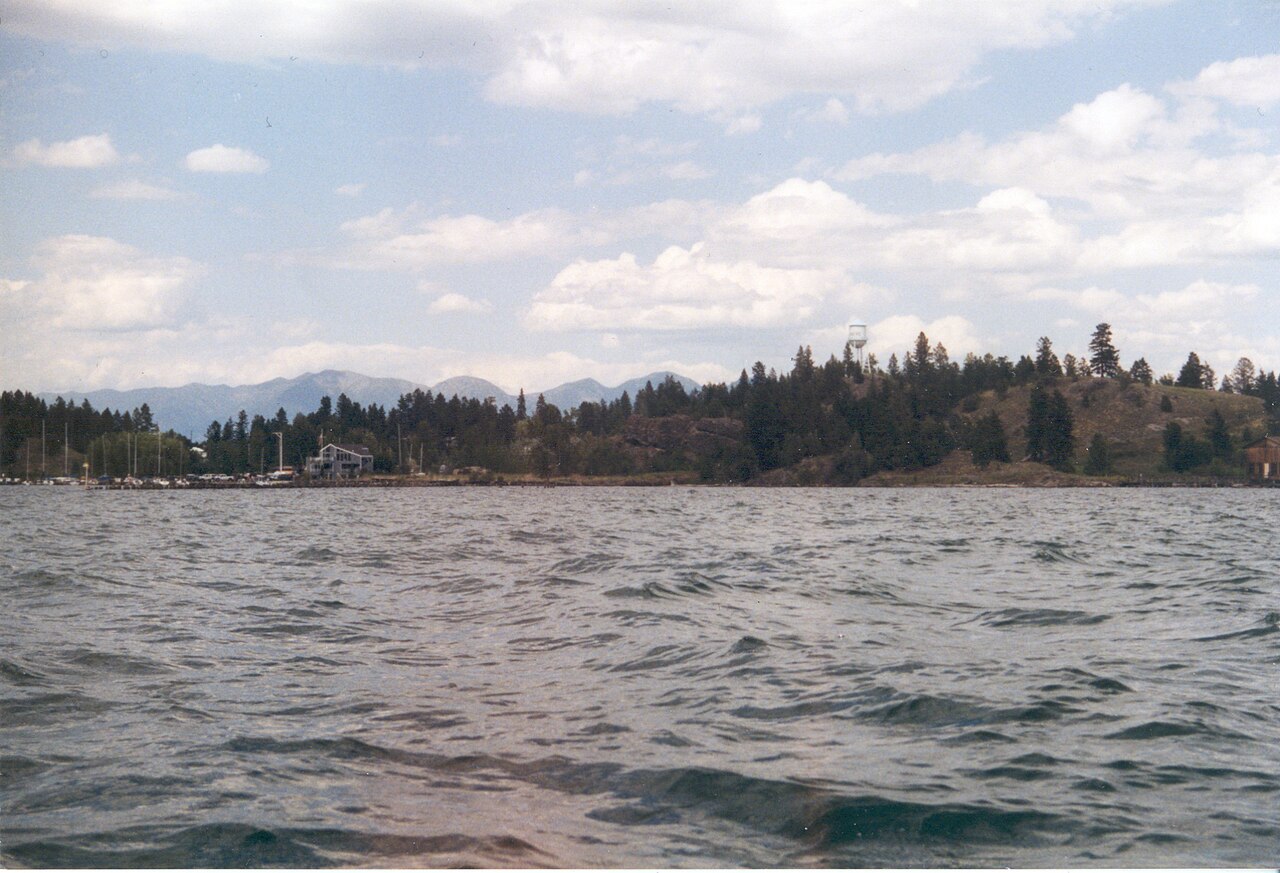
Big Arm State Park Camping
One of the classic ways to experience Flathead Lake.
Varies (estimate)
Partner link · Viator