
Flagstaff makes a rewarding base for travelers who like their city comforts close to forests, volcanic landscapes, and mountain trails. You can spend a morning among ponderosa pines, explore ancestral Pueblo sites in the afternoon, and finish with astronomy after dark. Choose outings by elevation and weather rather than distance alone: a short drive toward the San Francisco Peaks can bring very different conditions from downtown.
Explore Downtown and Look Up After Dark
Start in historic downtown Flagstaff, where railroad history, Route 66 connections, and compact blocks make an easy introduction to town. Walk around the station area, browse independent shops, and leave time for a relaxed meal before heading into the forest. Downtown is especially useful on arrival day, when a low-key schedule gives you room to adjust to the elevation without rushing into a demanding hike.
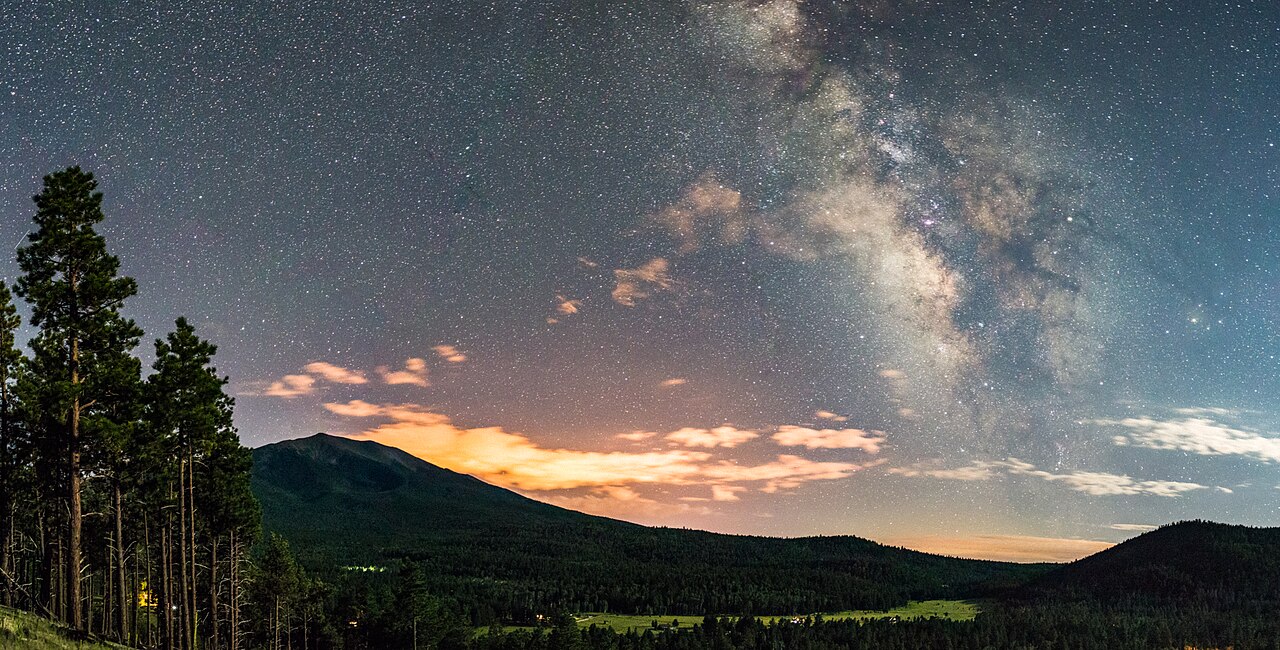
Lowell Observatory is a signature Flagstaff experience, with astronomy exhibits and public programming that may include telescope viewing when weather permits. Check its official schedule and admission arrangements rather than assuming every evening offers the same activities. Flagstaff is known for its dark-sky protections, but clouds and moonlight still shape what you can see. Bring a warm layer for evening programs, even after a sunny summer afternoon.
Hike the Peaks or Choose a Scenic Forest Drive
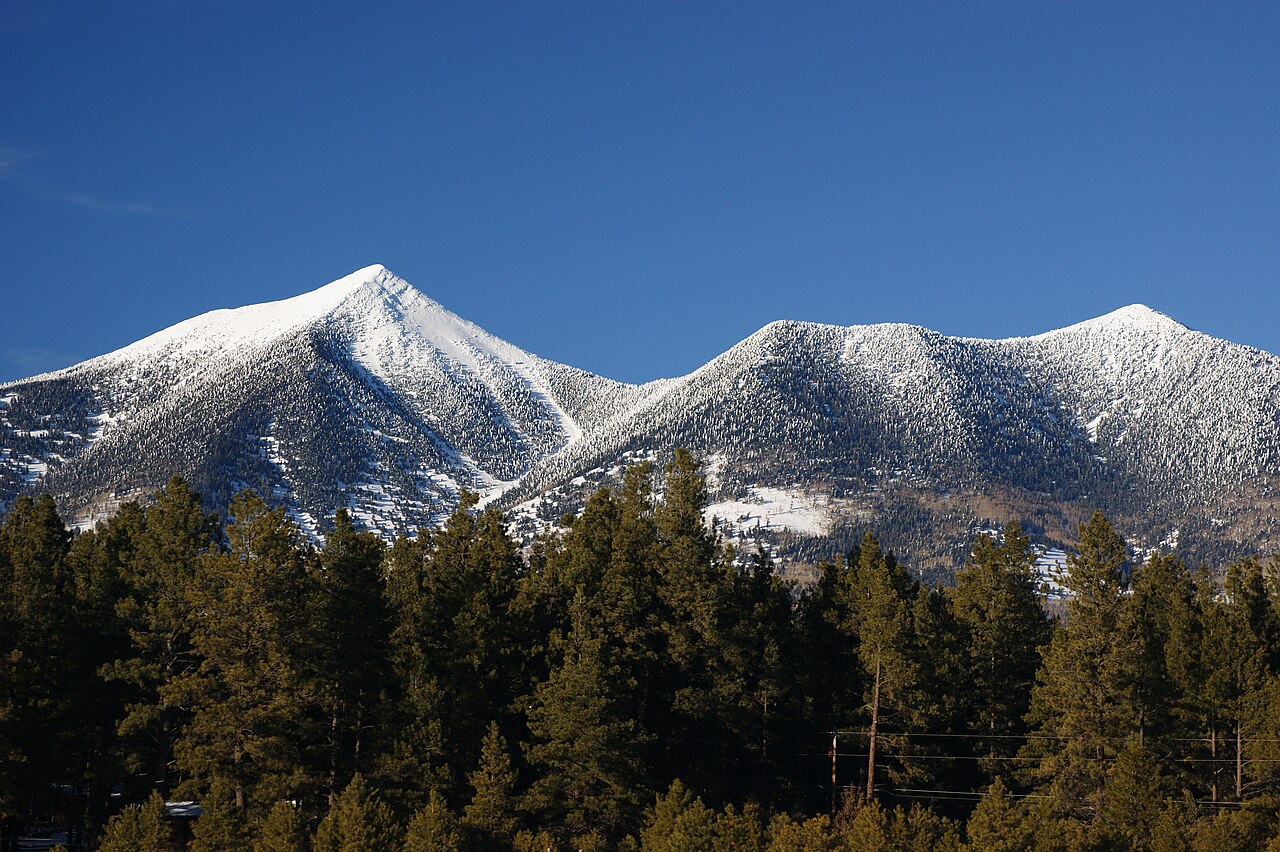
The San Francisco Peaks provide Flagstaff's dramatic backdrop and many of its most memorable outdoor outings. The Kachina Trail offers forest scenery on the mountain slopes, while Humphreys Peak is a strenuous high-elevation objective for prepared hikers. Do not treat the summit as a casual sightseeing walk: exposure, thunderstorms, snow, and the physical demands all require careful planning. Check official trail information and current conditions before choosing your route.
For a less demanding day, drive toward Arizona Snowbowl for changing forest views and mountain scenery, stopping only in designated areas. The Lava River Cave is another distinctive forest outing, but it requires reliable lights, sturdy footwear, and attention to rough, cold conditions underground. Access roads may be unsuitable or closed seasonally. If you prefer daylight and easier footing, choose an established forest walk instead of forcing a cave visit.
Visit Volcanic Landscapes and Ancestral Pueblo Sites
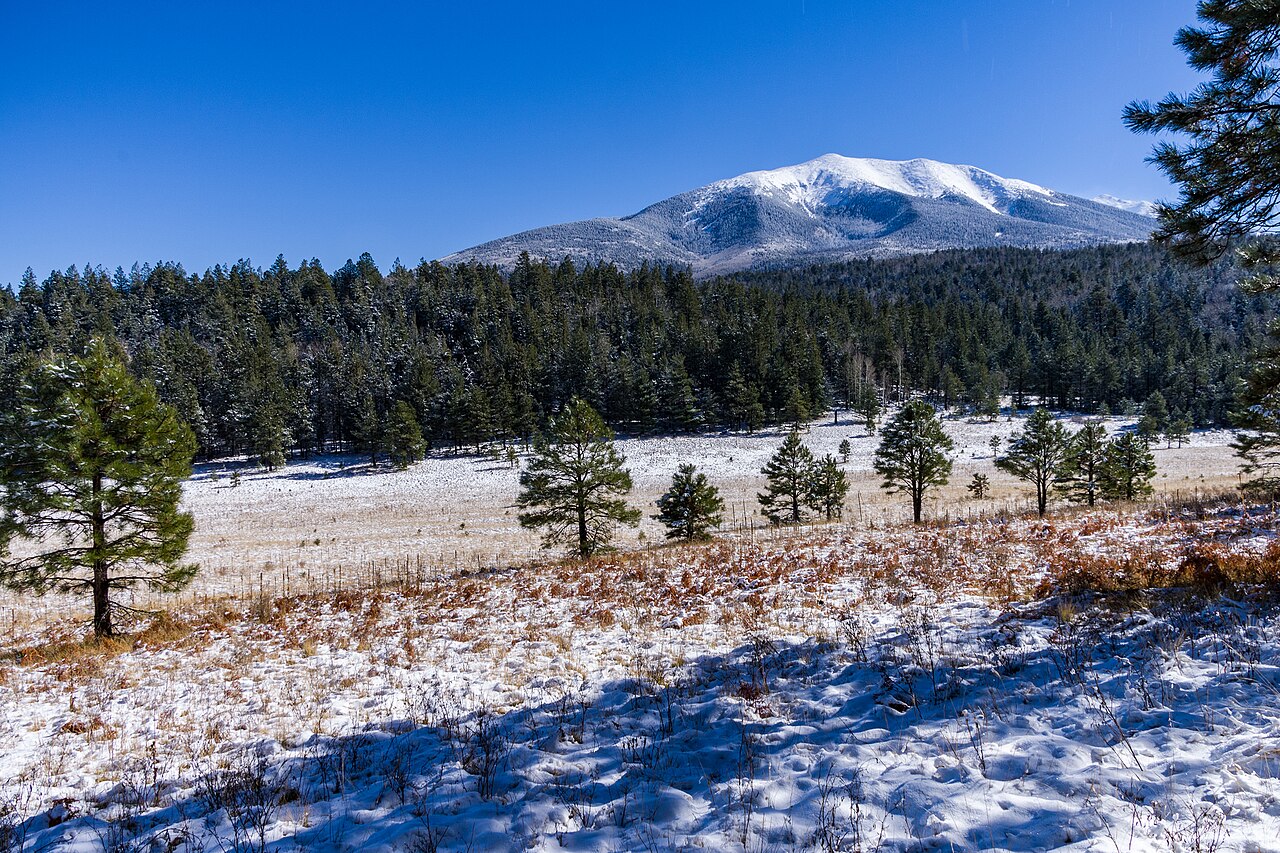
Sunset Crater Volcano and Wupatki national monuments pair naturally on a scenic outing northeast of Flagstaff. Sunset Crater introduces cinders, lava flows, and the region's volcanic story; Wupatki protects ancestral Pueblo sites in a more open, lower-elevation landscape. The contrast is part of the appeal, so allow time to stop and walk rather than making the connecting road the entire experience. Stay on designated routes and leave rocks and artifacts where they belong.
Walnut Canyon National Monument offers another perspective, with cliff dwellings set into canyon walls. Its Island Trail involves numerous stairs, while the Rim Trail provides a less strenuous way to appreciate the setting. Check the official NPS pages for current trail access, conditions, and reservation requirements. These are culturally significant places, not climbing playgrounds; follow posted boundaries and help children understand why the structures must remain untouched.
Watch Wildlife and Slow Down Around the Lakes
Flagstaff's outdoor appeal is not limited to summit views. Ponderosa pine forests, meadows, and wetland edges offer opportunities to watch birds and look for elk or mule deer from a respectful distance. Early morning and late afternoon can be rewarding, but sightings are never assured. Carry binoculars, keep pets under control where allowed, and avoid approaching or feeding wildlife, including animals that seem accustomed to people.
Lake Mary, southeast of town, provides a different landscape for a picnic, shoreline walk, or water-focused outing. Water levels and usable access vary, so do not plan around a particular boating or shoreline experience without checking current information. Wind can also change the character of an open-water day. If fishing is part of your trip, review Arizona licensing and local regulations. Bring shade and drinking water; lakeside locations are not necessarily shaded.
Plan Kid-Friendly Outings and Rainy-Day Alternatives
For families, shorter outings often work better than stacking several major stops into one day. Try an easy forest walk, a downtown break, and one focused attraction rather than combining a summit attempt with multiple monuments. At Walnut Canyon, consider the stair demands before choosing the Island Trail with young children. Volcanic scenery at Sunset Crater can spark conversations about how landscapes change, especially when you pause to notice different rock textures.
The Museum of Northern Arizona is a strong choice for learning about the Colorado Plateau's landscapes, cultures, and natural history when rain or snow changes your plans. Lowell Observatory also has exhibits and scheduled programming, though outdoor viewing depends on conditions. Check official schedules before visiting. During summer thunderstorms, swap an exposed outing for an indoor activity and reconsider your afternoon hike based on updated forecasts, not just a passing break in the clouds.