
Flagstaff glamping is less about desert heat and more about cool nights, pine forests, and access to northern Arizona's mountain landscapes. Depending on the property, the experience may mean a furnished tent, a yurt-style shelter, or a compact cabin with varying levels of comfort. Treat each listing as its own setup: bathrooms, heating, road access, and proximity to town matter more than the glamping label alone.
What Glamping Near Flagstaff Actually Looks Like
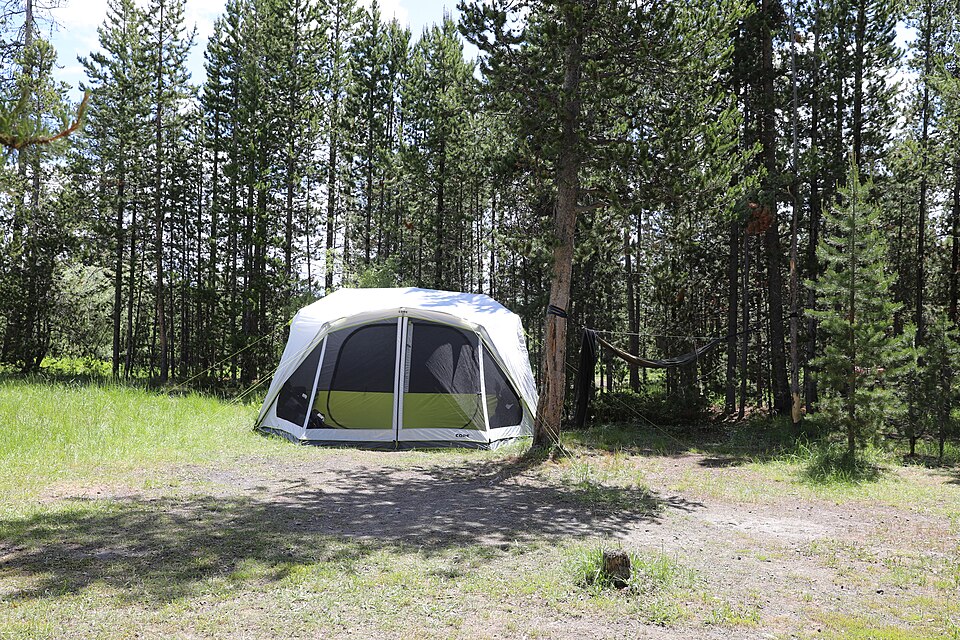
Around Flagstaff, glamping generally bridges the gap between bringing your own campsite and booking a conventional room. A furnished tent may provide a real bed and seating but still require a walk to shared bathrooms. A cabin or other enclosed shelter may offer heating and plumbing, yet feel more like a small vacation rental than camping. Look closely at photographs and amenity lists rather than assuming every unit has the same facilities.
Ask whether bedding, towels, drinking water, electricity, and cooking equipment are included. Confirm whether the toilet and shower are private, shared, seasonal, or located in a separate building. At Flagstaff's elevation, nighttime comfort deserves particular attention, even during summer. If a listing mentions heat, clarify what system it uses and whether it operates throughout your stay. Outdoor fire features may be unavailable during restrictions, regardless of what appears in promotional photos.
Where to Search: Flagstaff, Williams, and Nearby Communities
Start your search around Flagstaff itself if your plans center on Lowell Observatory, downtown dining, Walnut Canyon, and the San Francisco Peaks. Forest-edge locations can feel secluded while still requiring a drive for nearly every meal or attraction. Check the actual map location before booking; a listing marketed with Flagstaff's name may sit well outside town or involve an unpaved final approach.
Williams, west of Flagstaff, is another useful search area, particularly if your broader trip includes the Grand Canyon. Parks, between Williams and Flagstaff, offers a more rural setting to investigate, while Munds Park south of town is another forested community to consider. These areas are not interchangeable bases: choose according to the outings you will repeat most often. Confirm the property's exact location, road surface, parking setup, and expected seasonal access rather than relying on broad destination labels.
Choose Your Season Around Nighttime Comfort
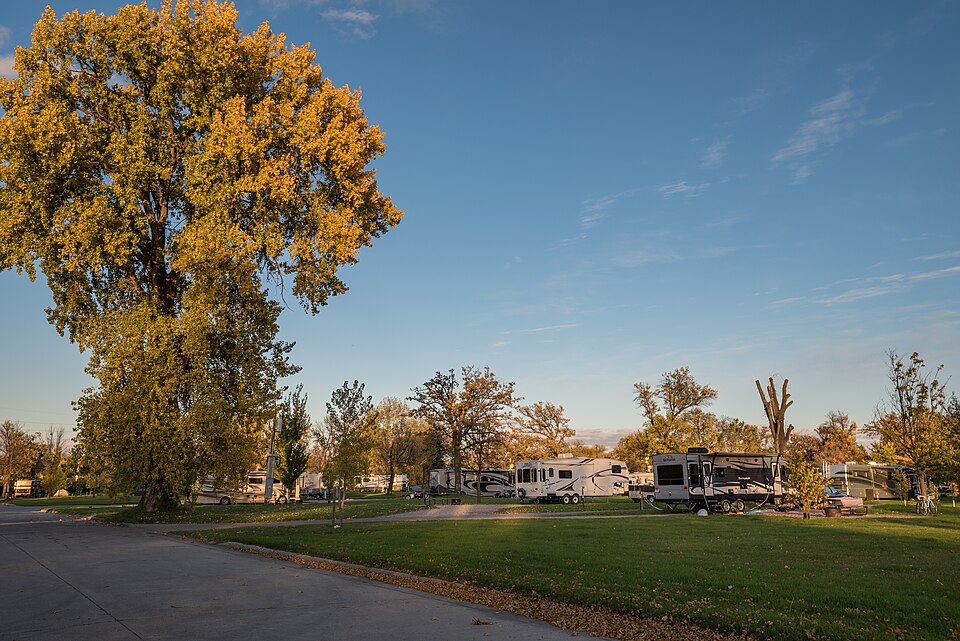
Summer is a natural fit for tent-style glamping near Flagstaff, but plan for cool nights and afternoon thunderstorms rather than nonstop dry weather. Ask how the unit handles rain, whether pathways become muddy, and where you can spend time during a storm. A covered porch can be pleasant, but it is not a substitute for a property's appropriate weather procedures. Bring layers and footwear suitable for wet ground.
Spring and fall can deliver lovely daytime weather alongside freezing nights or snow. Heated, enclosed units generally offer more flexibility during these shoulder seasons, though the specific setup matters. Winter requires careful confirmation of insulation, heat, working water systems, plowed access, and cancellation terms. Some properties operate seasonally. Check official Coconino National Forest and park or NPS sites for current conditions and reservations before planning nearby hikes, scenic drives, or monument visits.
Glamping Versus Tent Camping and RV Travel
Choose glamping when you want an outdoor setting without transporting and setting up a full sleep system. It can work especially well for a short Flagstaff visit or a mixed road trip, provided the unit's bathroom and cooking arrangements suit your group. Do not assume the label means luxury, privacy, or a quiet site; neighboring units, road noise, and shared facilities vary widely by property.
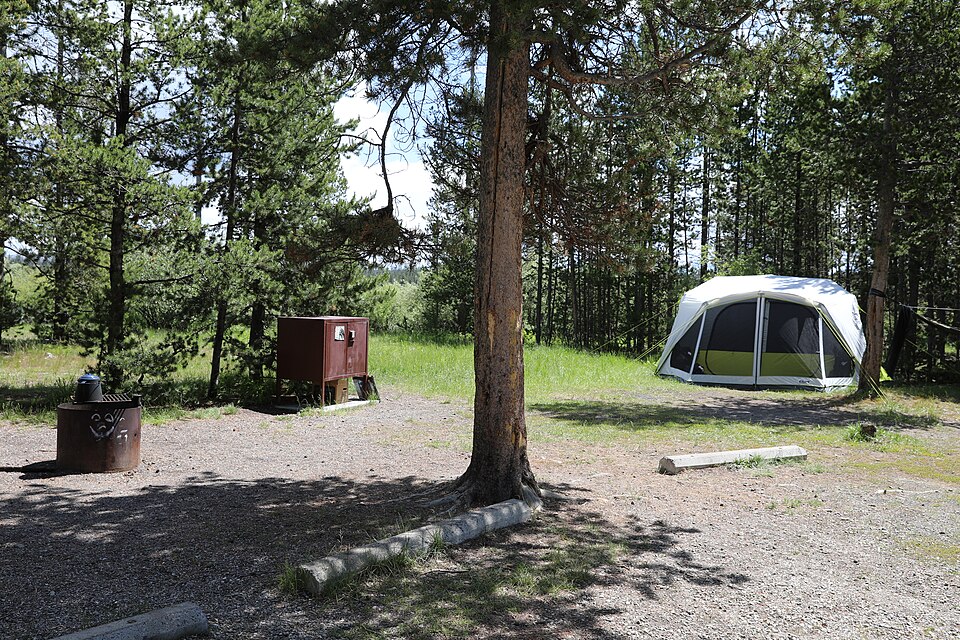
Traditional tent camping gives you more control over your gear and often a lower accommodation cost, but you handle setup, bedding, weather preparation, and campground routines yourself. RV travel adds a sheltered living space, yet introduces vehicle size limits, hookup needs, and wastewater planning. Forest camping does not automatically provide RV hookups or easy access for large rigs. Compare the complete experience you need, including bathroom access and arrival logistics, rather than choosing solely by the nightly accommodation category.
Budgeting, Booking, and Being a Good Forest Guest
Budget for glamping as a lodging purchase, not automatically as a cheap camping substitute. Any early cost estimate is only rough: rates vary with season, unit size, private bathrooms, heating, and weekend demand. Compare the full quoted stay, including cleaning charges, pet fees, required minimum nights, and cancellation terms. A kitchen can reduce restaurant spending, but only if usable cookware, refrigeration, and permitted cooking facilities are actually included.
Book ahead for summer weekends and autumn color trips, and confirm late-arrival instructions before leaving reliable cell service. Ask about food storage, trash disposal, pets, and quiet hours. Keep food secured according to property guidance and never feed wildlife. Follow current fire restrictions even when a fire ring is present, and use only approved cooking methods. Before departure, check the official land-management and park websites for current conditions, closures, and any reservations needed for your planned outings.