
For those who want to immerse themselves in the natural splendor of the Atlantic coast without sacrificing comfort, Fire Island glamping and elevated camping offer the perfect middle ground. While the island is famous for its rugged dunes and wild landscapes, there are ways to experience the outdoors with a touch of luxury and convenience. From safari-style tents nestled near the salt marshes to well-appointed sites just a short ferry ride away, the area provides a range of options for travelers who want to fall asleep to the sound of the ocean and wake up to a fresh sea breeze.
What to Expect from Coastal Glamping
Glamping near Fire Island typically involves stay-in canvas wall tents or eco-pods that provide a real bed, quality linens, and often a private deck for evening star-gazing. Unlike traditional camping, where you might be sleeping on the ground in a sleeping bag, glamping focuses on aesthetic comfort and ease. These sites are designed to blend into the maritime environment, often featuring decor that reflects the coastal heritage of Long Island.
You can expect amenities such as solar-powered lighting, communal lounge areas, and sometimes even catered meal options or proximity to high-end local eateries. The goal is to remove the 'work' of campingâlike pitching a tent and cooking over a finicky stoveâso you can spend more time exploring the dunes and the Sunken Forest. It is an ideal choice for couples on a romantic getaway or families who want the adventure of the outdoors with the security of a solid structure and a comfortable mattress. Always check with specific providers for a list of included amenities, as offerings vary from basic to ultra-luxurious.
Watch Hill: The Heart of Island Camping
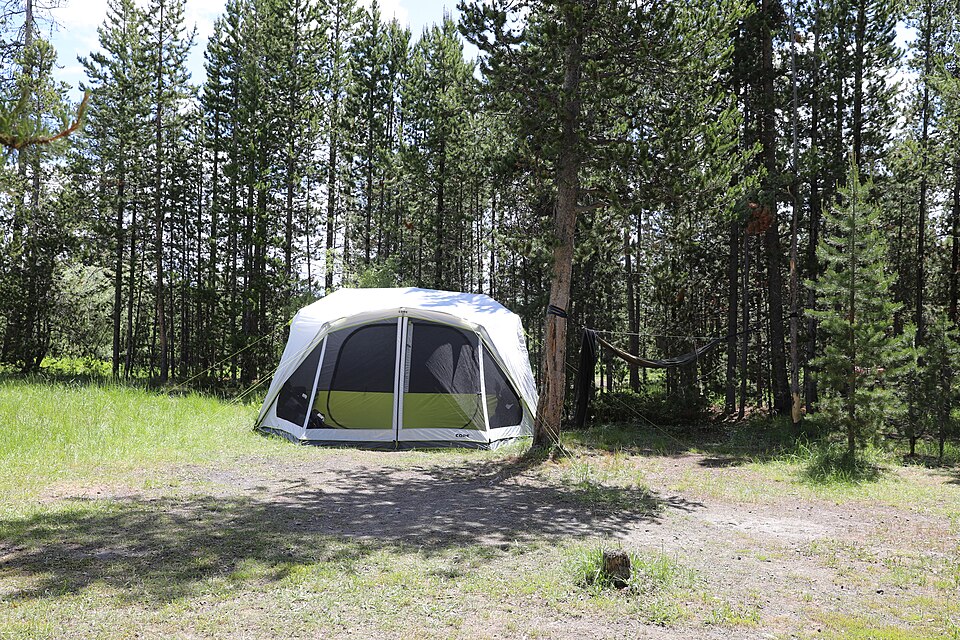
While true 'glamping' businesses are more frequently found on the mainland or in nearby East End towns, the Watch Hill campground on Fire Island itself offers a refined camping experience that borders on glamping for many. Managed by the National Park Service, this site features platform sites that keep your tent off the sand and provide a more organized environment. There are also seasonal glamping-style tents available through the park's authorized concessionaire, which include pre-pitched canvas tents with beds and basic furniture.
Staying at Watch Hill allows you to be steps away from the Otis Pike High Dunes Wilderness and the calm waters of the Great South Bay. The facility includes a marina, a small general store, and public restrooms with showers, making it a very comfortable way to experience the wilder side of the island. Because these spots are highly coveted, you must navigate the federal reservation system well in advance. It is the closest you can get to the raw beauty of the National Seashore while still having access to basic modern conveniences and a sturdy roof over your head.
Glamping vs. Traditional RVing and Camping
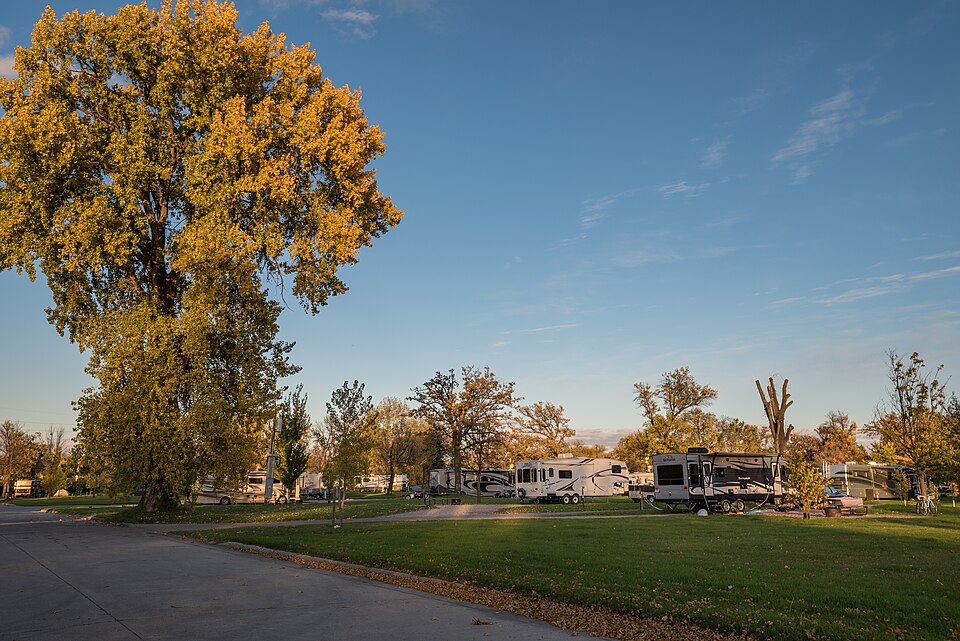
Choosing between glamping, RVing, and traditional tent camping depends entirely on your desired level of immersion and effort. Traditional camping at Fire Island is a minimalist's dream but requires hauling all your gear onto a ferry, which can be physically demanding. RVing is not possible on the island itself due to the lack of roads; however, many travelers choose to park their RVs at mainland gateway sites like Smith Point County Park. This allows you to have a 'home base' with a kitchen and climate control, taking the ferry over to the car-free sections of the island for day trips.
Glamping sits in the sweet spot for those who don't own an RV and don't want the hassle of tent gear. It provides the most 'Instagrammable' experience and usually requires the least amount of preparation. While traditional camping is the most budget-friendly option, glamping offers a unique hospitality experience that feels like a boutique hotel room dropped into the middle of a maritime forest. For many, the higher cost of glamping is justified by the quality of sleep and the convenience of not having to pack a trunk full of gear.
Gateway Cities and Nearby Stays
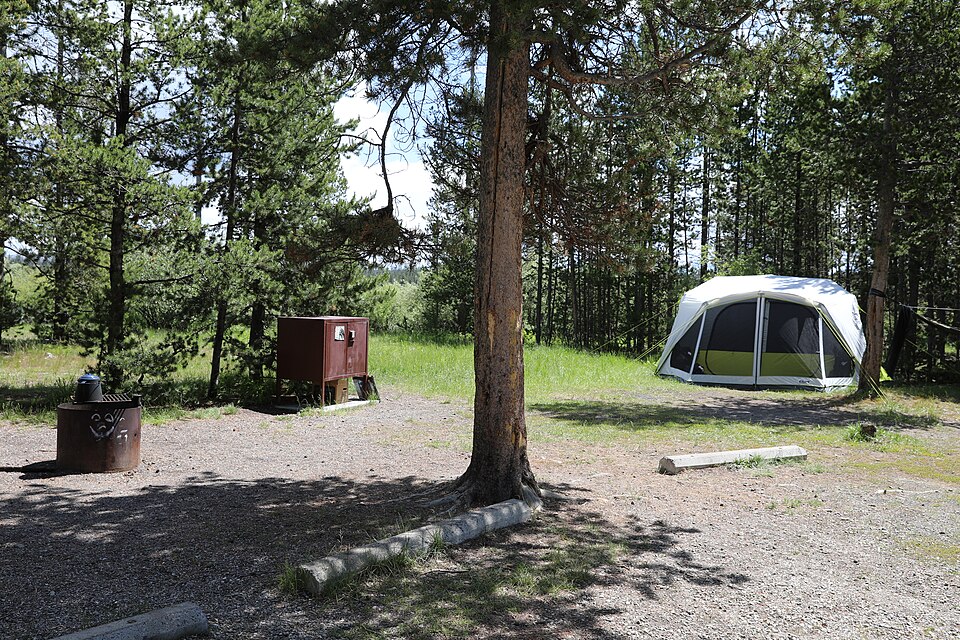
If you cannot find a spot directly on the island, the gateway cities of Bay Shore, Sayville, and Patchogue, as well as the surrounding Suffolk County coastline, offer various coastal accommodations that lean into the glamping trend. Many waterfront properties in these areas have begun offering high-end 'outdoor rooms' or refurbished vintage trailers that serve as a perfect jumping-off point for Fire Island adventures.
Staying on the mainland can sometimes be more convenient for those who want to explore other parts of Long Island, such as the Hamptons or the North Fork wineries, while still taking the ferry to Fire Island for the beaches. These mainland sites often provide more extensive amenities, such as full electricity, Wi-Fi, and easier access to grocery stores and pharmacies. When searching for a place to stay, look for 'eco-retreats' or 'waterfront glamping' in the Great South Bay area. This allows you to enjoy the lively atmosphere of the mainland towns in the evening after a quiet day spent in the islandâs wilderness.
Best Time and Planning for Glamping
The window for glamping near Fire Island is generally limited to the late spring through early autumn, typically from May to October. During the winter, the harsh Atlantic winds and freezing temperatures make canvas-walled accommodations impractical, and most sites close down completely. The 'sweet spot' for a glamping trip is June or September, when the weather is warm enough for beach days but the humidity is lower than in the peak of July.
When planning your glamping trip, remember that even the most luxurious tent is still an outdoor experience. Pack layers for cool ocean nights, and definitely bring high-quality bug spray, as mosquitoes and biting flies can be prevalent in the marshes. Always book through official channels and verify the cancellation policies, especially during hurricane season when coastal weather can be volatile. Checking the official National Park Service website for Fire Island is crucial to stay informed about any environmental alerts or ferry disruptions that could affect your stay. With a little planning, a glamping trip here can be one of the most memorable ways to experience the American coast.