
Fire Island undergoes a dramatic transformation with the changing seasons, shifting from a quiet, windswept sanctuary in the winter to a vibrant, bustling coastal escape during the warmer months. Because the island is primarily car-free and relies heavily on ferry transportation, timing your visit is essential for ensuring all services, including water taxis and public facilities, are fully operational. Whether you are looking for social energy or solitary beach walks, understanding the local weather patterns and seasonal crowds will help you maximize your time on this unique Atlantic barrier island.
Summer: Peak Beach Season
Summer is undeniably the most popular time to visit Fire Island, with July and August offering the warmest ocean temperatures and the most consistent ferry schedules. During this peak window, the island is at its liveliest, with boardwalks filled with visitors and the local communities hosting various outdoor events. The weather typically ranges from the mid-70s to the high 80s, moderated by refreshing Atlantic breezes that keep the heat manageable compared to the mainland.
However, summer also brings the largest crowds, particularly on weekends and holidays like the Fourth of July. If you plan to visit during this time, it is vital to book your accommodations months in advance, as rentals and campsites fill up rapidly. You should also expect longer lines at the ferry terminals in Bay Shore, Sayville, and Patchogue. Despite the crowds, the summer experience offers the quintessential Fire Island atmosphere, where the days are long, the sun is high, and the ocean is inviting for swimming and water sports.
Fall: The Quiet Shoulder Season
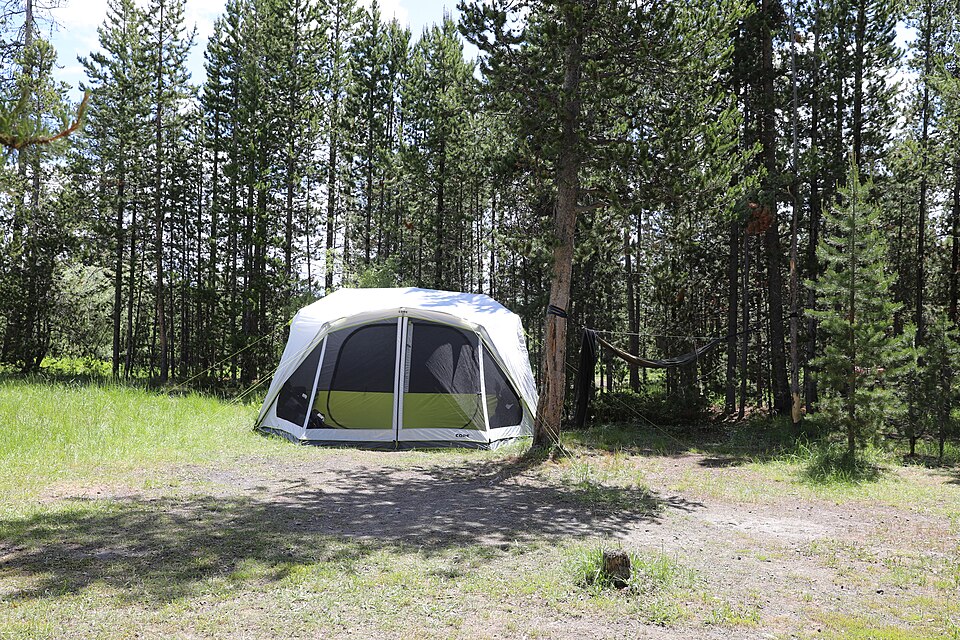
September and October represent a sweet spot for many seasoned travelers, often considered the best time to visit Fire Island for those who prefer a quieter experience. As the summer crowds dissipate after Labor Day, the island settles into a peaceful rhythm. The Atlantic Ocean retains much of its summer warmth through mid-September, making it possible to enjoy the water without the peak-season congestion. The air becomes crisp and clear, providing excellent visibility for birdwatching and photography along the dunes.
Fall is also the peak migration season for monarch butterflies and various species of hawks, which use the barrier island as a navigation point. While ferry schedules begin to scale back in October, the main routes remain operational. Many visitors find the autumn light particularly beautiful against the changing colors of the maritime forest. It is a period of transition where the natural landscape takes center stage, and the lack of crowds allows for intimate exploration of the Sunken Forest and the wilder stretches of the National Seashore.
Spring: The Awakening Landscape
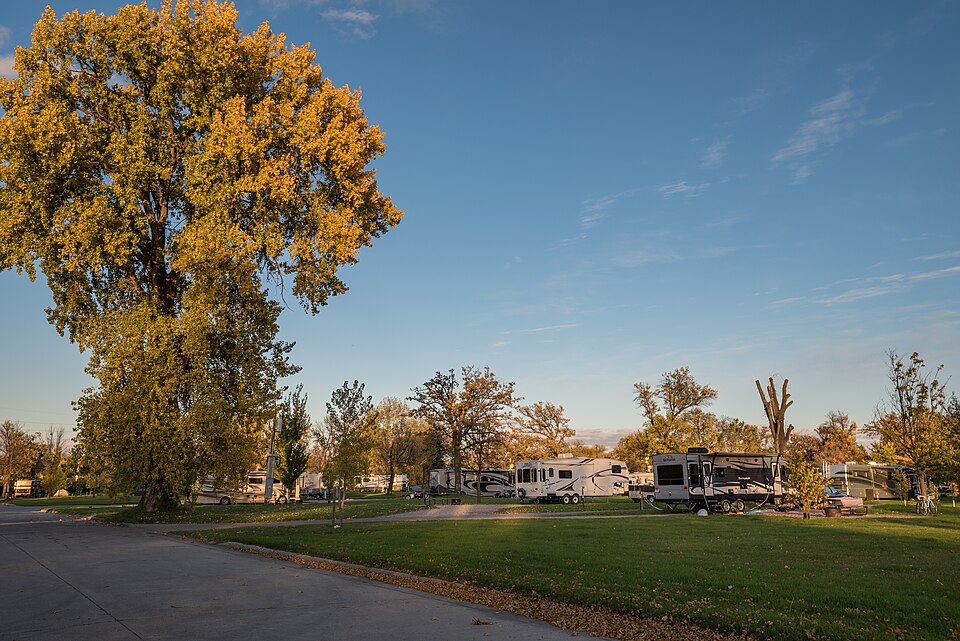
Spring on Fire Island is a time of renewal, though it can be quite unpredictable in terms of weather. From late April through May, the island begins to wake up as vegetation turns green and migratory birds return to the salt marshes. Temperatures often hover in the 50s and 60s, requiring layers for the cool ocean winds. This is a fantastic time for hiking the boardwalk trails before the humidity and insects of summer arrive.
You will find that while the environment is lush and beautiful, many seasonal businesses and services do not fully open until mid-May or Memorial Day weekend. Ferries run on a limited schedule, so checking the official ferry websites and the National Park Service alerts is crucial. If you enjoy solitude and don't mind the occasional rainy afternoon, spring offers a unique opportunity to see the islandâs ecosystem in its most vibrant state of growth without the footprint of summer tourism. It is the ideal season for photographers and nature enthusiasts who value silence.
Lock in a stay for this season
Harvest Hosts stays on the way to Fire Island
Partner link · Harvest Hosts
Winter: The Solitary Barrier Island
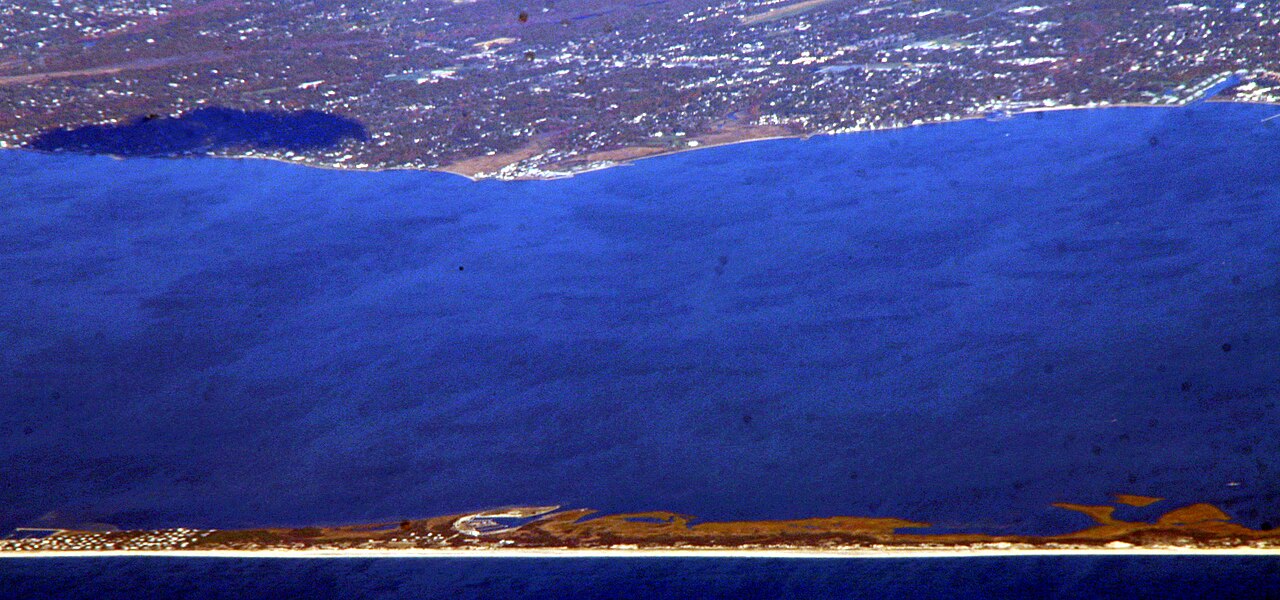
Winter on Fire Island is characterized by stark beauty and significant isolation. From December through March, the island is remarkably quiet, with only a small number of year-round residents remaining. Many ferry routes stop operating entirely or run on a very restricted schedule primarily serving the residential communities. Snow can blanket the dunes, creating a surreal and stunning white landscape against the dark blue of the Atlantic.
Visiting during the winter requires careful planning and self-sufficiency, as most shops and restaurants are closed. It is a time for serious hikers and those seeking total seclusion. The wind can be biting, and the ocean is powerful, offering a glimpse into the raw geological forces that shape the barrier island. While not the typical vacation time, winter provides a rare perspective on the resilience of the maritime forest and the island's wildlife. Always verify the current National Park Service conditions before attempting a winter trip, as coastal storms can frequently impact accessibility and boardwalk safety.
Navigating Crowds and Reservations
To have the best experience regardless of the season, understanding the rhythm of visitor flow is key. Mid-week visits during the summer are significantly quieter than weekends, offering a more relaxed pace. For those planning to stay overnight at the Watch Hill campground or in one of the historic communities like Cherry Grove or Ocean Beach, reservations are not just recommendedâthey are essential. The National Park Service manages reservations for camping, which usually open months in advance and sell out within minutes for prime dates.
Budgeting for your trip is also influenced by the season. While there are no entry fees for the Fire Island National Seashore itself, costs for ferry transport, parking at the mainland terminals, and local water taxis can add up. During the off-season, you may find lower rates for some rentals, but availability is much more limited. Always check the official NPS website for the most current information on permits, especially if you plan to visit the Otis Pike Fire Island High Dunes Wilderness, where specific regulations help preserve the fragile ecosystem.
More ways to book Fire Island
 Illustrative · Rhododendrites
Watch Hill Beach Day
One of the classic ways to experience Fire Island.
Varies (estimate)
Partner link · Viator