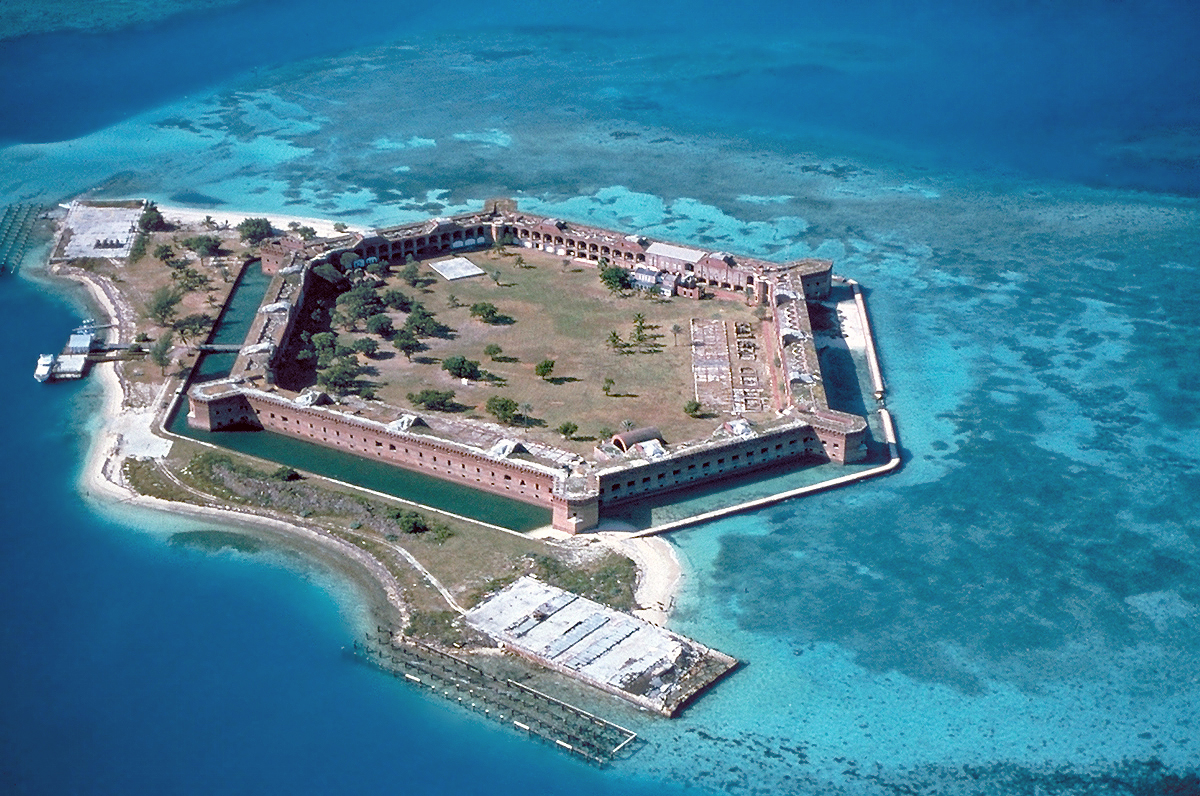
Dry Tortugas National Park offers a rare blend of massive historical architecture and pristine natural beauty. As a remote sanctuary in the Gulf of Mexico, the activities here center on the surrounding turquoise waters and the impressive 19th-century Fort Jefferson. Whether you are a fan of maritime history, an avid birdwatcher, or a snorkeler looking for undisturbed reefs, this park provides a sense of adventure that is hard to find anywhere else in the United States.
Exploring Historic Fort Jefferson
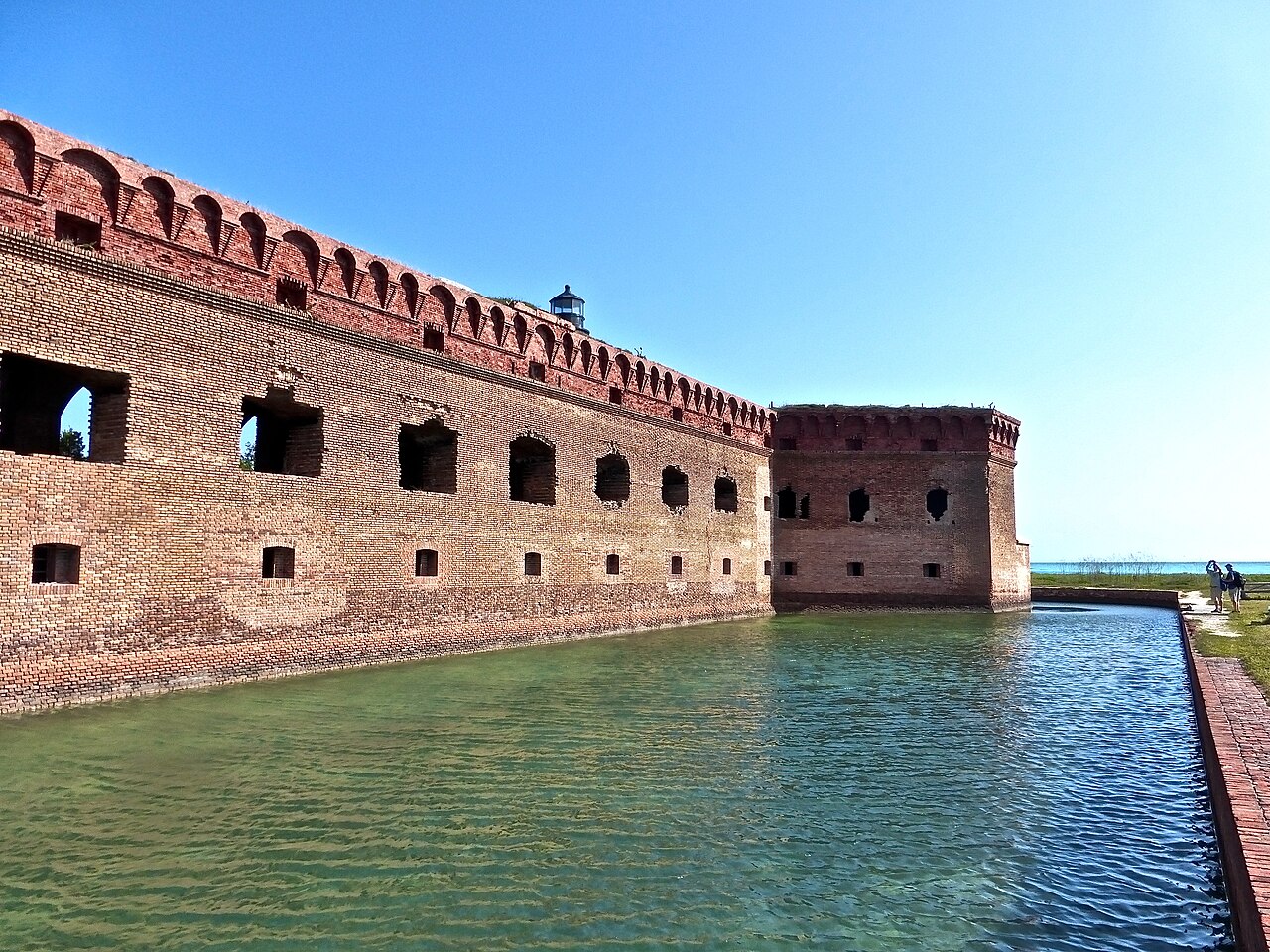
The centerpiece of Garden Key is Fort Jefferson, a massive unfinished masonry fortress that is one of the largest 19th-century forts in the country. Walking through the arched brick hallways and climbing to the top of the ramparts are essential things to do in Dry Tortugas. The fort was originally designed to protect the strategic deep-water anchorage of the Tortugas, and its scale is truly breathtaking when viewed from the ground or the air. Visitors can take a self-guided tour to learn about the fort's role as a Civil War prison, including the cell of its most famous inmate, Dr. Samuel Mudd.
The panoramic views from the top level are spectacular, offering a 360-degree vista of the surrounding keys and the varying shades of blue in the Gulf water. As you walk the 0.6-mile moat wall that encircles the fort, keep an eye out for marine life in the shallow waters, including small sharks and rays. The masonry work itself is a marvel, consisting of over 16 million bricks, and provides endless opportunities for photography and historical reflection.
Snorkeling the Coral Reefs
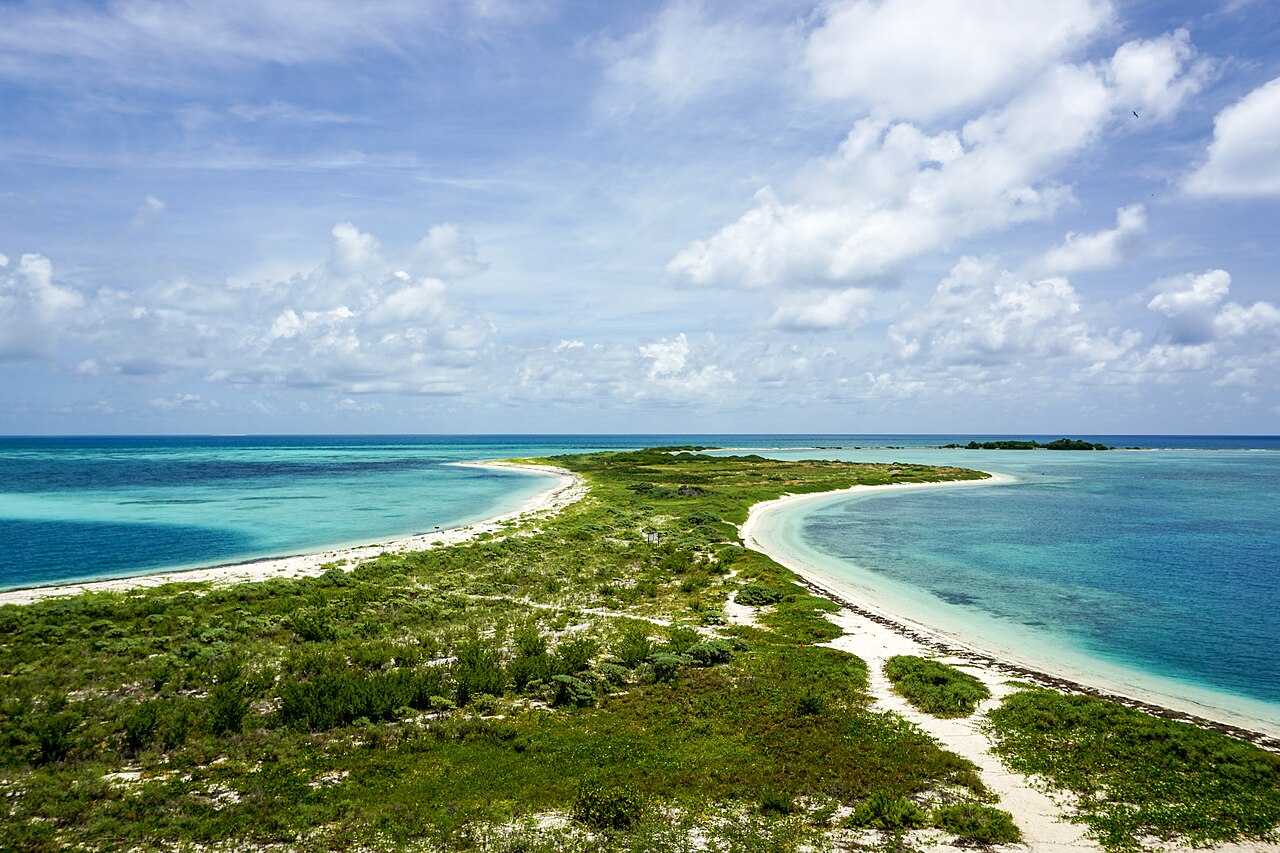
The Dry Tortugas are home to some of the most vibrant and healthy coral reefs in the Florida Keys. Because of the park's remote location, the underwater ecosystems are relatively undisturbed, making snorkeling one of the most popular things to do in Dry Tortugas. You can easily access the reefs right from the white sand beaches of Garden Key. The Moat Wall is a great starting point, where coral and sponges have attached themselves to the structure, attracting schools of colorful tropical fish, parrotfish, and the occasional sea turtle.
For more experienced snorkelers, the areas around the South Coaling Dock ruins offer a chance to see larger fish hiding among the submerged pilings. The water is generally shallow and clear, providing excellent visibility on calm days. Always remember to practice reef-safe habits by not touching the coral and using biodegradable sunscreen. If you are arriving via the ferry, snorkeling gear is often provided as part of your ticket, but you are welcome to bring your own high-quality fins and mask for a more custom fit.
Birdwatching and Wildlife Observation
Wildlife enthusiasts will find the Dry Tortugas to be a world-class destination, particularly for birding. The islands serve as a vital stopover for birds migrating between North and South America. During the spring, Bush Key becomes a noisy and bustling colony for thousands of Sooty Terns and Brown Noddies. While Bush Key is closed to foot traffic during nesting season to protect the birds, you can observe the activity clearly from the ramparts of Fort Jefferson with a good pair of binoculars. It is a spectacular sight to see the sky filled with thousands of birds circling the islands.
Beyond the birds, the 'Tortugas' name itselfâgiven by Ponce de Leónârefers to the abundance of sea turtles in the area. While snorkeling, keep a lookout for Green and Loggerhead turtles gliding through the seagrass beds. On land, you might spot the occasional hermit crab scurrying across the paths. The park is a protected sanctuary, so all wildlife should be observed from a respectful distance to ensure these species continue to thrive in their isolated habitat.
Fishing in the Protected Waters
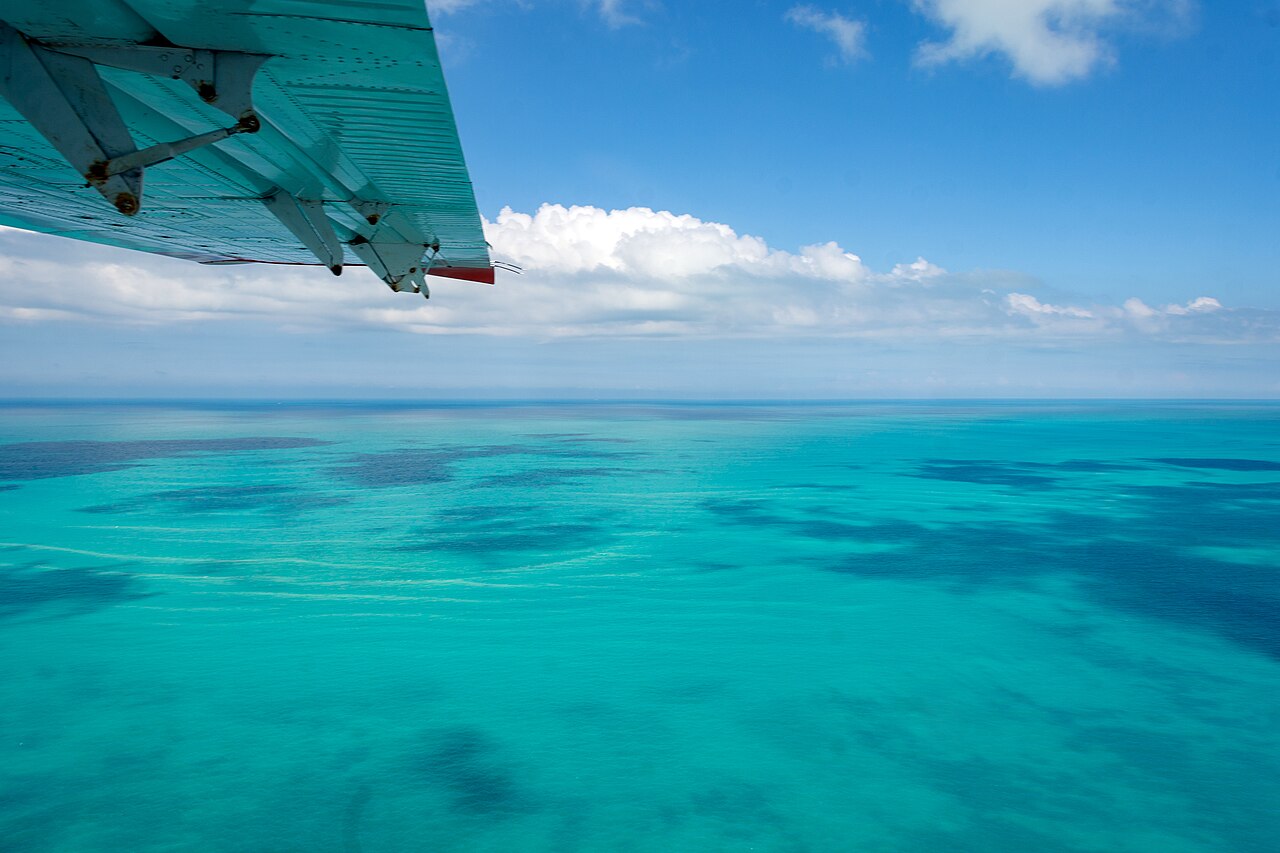
For those who enjoy angling, fishing is permitted in specific zones of the park, though strict regulations apply to protect the ecosystem. You can cast a line from the pier at Garden Key or bring your own vessel to explore the deeper waters within the park boundaries. Common catches include snapper, grouper, and mackerel. However, it is vital to obtain a Florida saltwater fishing license and familiarize yourself with the parkâs specific 'Research Natural Area' boundaries, where all fishing is strictly prohibited.
Fishing here is a serene experience, surrounded by nothing but the sound of the waves and the occasional seabird cry. Because there are no shops on the island, you must bring all your own tackle, bait, and gear. Most visitors who fish choose to do so from the shore near the designated areas, enjoying the challenge of catching a meal in such a remote setting. Always check the official NPS site for the most current fishing regulations and boundary maps to ensure you are in compliance with local conservation laws.
Visiting with Kids and Rainy Day Tips
Dry Tortugas is a fantastic destination for families. Children often enjoy the Junior Ranger program, which involves completing an activity booklet to earn a badge. The shallow, calm waters near the beach are perfect for young swimmers to get their first taste of snorkeling in a safe environment. The fort itself feels like a giant playground for the imagination, with its dark tunnels and massive cannons. However, parents should keep a close eye on children near the moat wall and the upper tiers of the fort, as there are no railings in many sections.
If a tropical rain shower passes through, the interior rooms and museum exhibits within Fort Jefferson provide excellent shelter. You can spend time reading about the lighthouse keepers or the construction of the fort while waiting for the sun to return. Since there is no indoor dining or large visitor center, having a light rain jacket is helpful for moving between the dock and the fort. The ferry also offers a sheltered area where you can relax and enjoy a snack until the weather clears up, which it usually does quite quickly in the tropics.