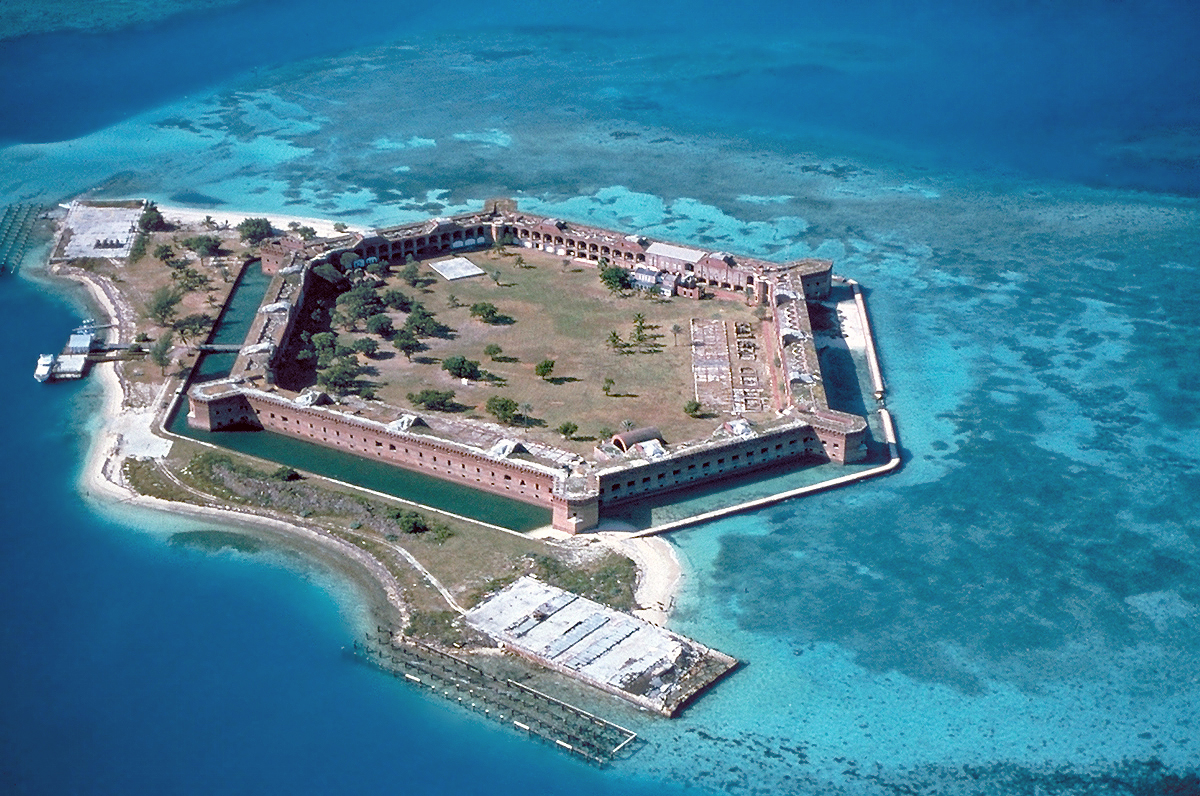
For those looking to extend their stay in the remote reaches of the Florida Keys, the options for staying overnight near Dry Tortugas National Park offer a range of experiences. While the park itself only permits primitive camping, the nearby gateway of Key West provides a variety of upscale outdoor stays that lean into the 'glamping' aesthetic. Balancing the rugged beauty of the islands with the comforts of the mainland is the best way to enjoy this unique region.
The Primitive Camping Experience on Garden Key
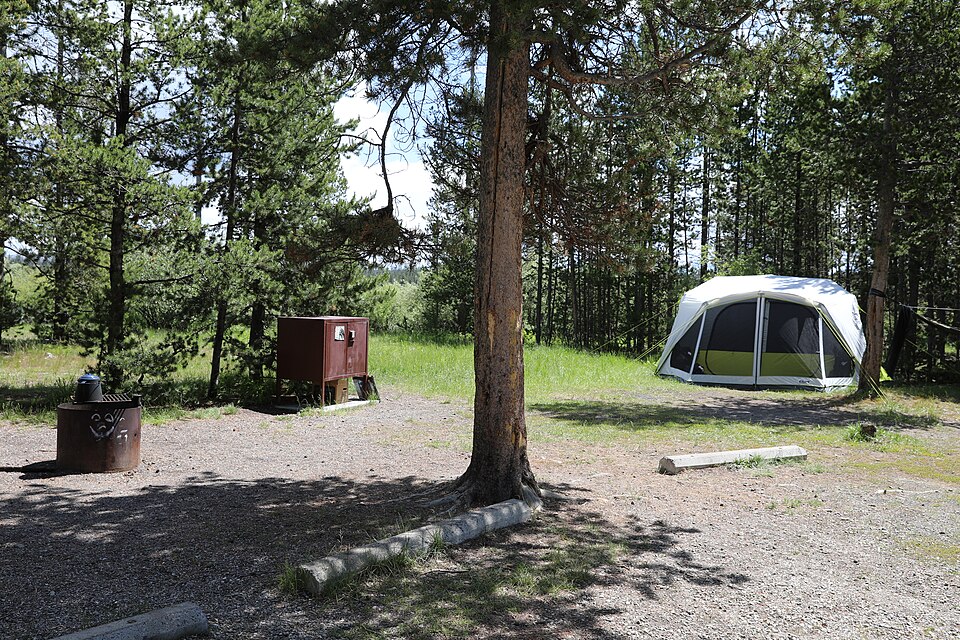
It is important to clarify that within Dry Tortugas National Park itself, there is no luxury lodging or glamping. The only way to stay overnight on the island is through primitive camping at the Garden Key campground. This experience is for the true outdoor enthusiast who is willing to trade air conditioning and running water for a chance to sleep under some of the darkest skies in the eastern United States. You must bring all your own gear, including tents, sleeping pads, and every drop of fresh water you will need for drinking and cleaning.
The campsites are located under a few clusters of mangroves near the beach, providing a small amount of shade. There are no electrical hookups or showers, and the toilets are composting units. However, the reward for this 'roughing it' style is unparalleled access to the fort and the water during the golden hours of sunrise and sunset. If you choose this route, you must book your ferry transport and camping space many months in advance via the official park concessionaire.
Glamping in the Key West Area
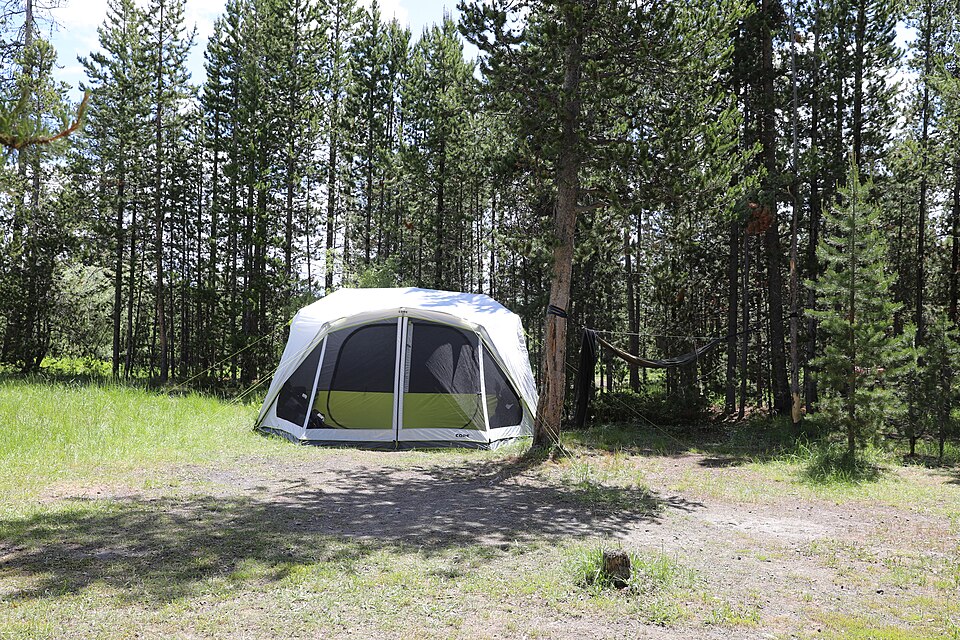
Since Dry Tortugas glamping isn't available on the islands, many travelers choose to set up a 'base camp' in Key West. The surrounding area offers several high-end outdoor hospitality options that provide the glamping experience. Look for specialized resorts or private hosts in the Lower Keys that offer safari-style tents, yurts, or vintage Airstreams. These accommodations often include comfortable mattresses, linens, and sometimes even climate control, allowing you to enjoy the tropical breeze without sacrificing comfort.
These sites are typically located on the outskirts of Key West or on nearby Stock Island. Staying in a glamping tent allows you to remain connected to the tropical environment, listening to the palms rustle and the birds call, while still being a short drive or bike ride away from the ferry terminal. This is a popular choice for families or couples who want a unique, Instagram-worthy stay that feels more adventurous than a standard hotel room but less demanding than the primitive conditions of Garden Key.
RV Stays and Coastal Parks
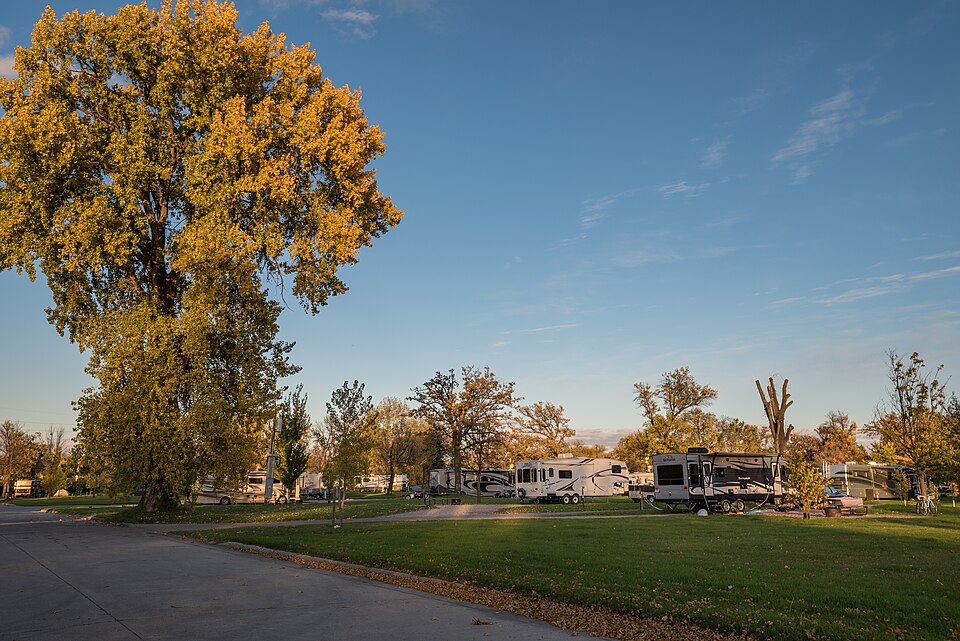
For those who prefer to bring their own home on wheels, there are several RV parks in the Key West area that offer a version of coastal glamping. These parks often feature waterfront sites where you can step out of your motorhome and right onto a pier or a small beach. While you cannot take an RV to the Dry Tortugas (as there are no roads or car ferries), parking your rig in Key West provides a stable and comfortable home base for your day trip to the National Park.
RV parks in the Florida Keys are highly sought after and can be quite expensive, so reservations are essential. Many of these parks offer amenities like swimming pools, laundry facilities, and community gatherings, which can be a welcome relief after a long day of sun and salt at the fort. It is a great way to combine the freedom of the road with the specific bucket-list goal of reaching the Dry Tortugas via the morning ferry or seaplane.
Where to sleep
Harvest Hosts stays on the way to Dry Tortugas National Park
Partner link · Harvest Hosts
Comparing the Overnight Options
When deciding between primitive camping on Garden Key, glamping in Key West, or staying in an RV, consider your tolerance for the elements. Camping on the island is a raw, immersive experience where you are at the mercy of the heat and the wind, but you gain a deep connection to the history and nature of the fort. Glamping in the gateway cities offers a stylized version of the outdoors with a safety net of amenities. RVing provides the most consistency and control over your environment.
For most, a combination works best: spend a few nights glamping in Key West to enjoy the local culture and dining, and then dedicate one or two nights to primitive camping on the island for the ultimate adventure. Regardless of your choice, the 'best' experience is the one that allows you to be well-rested enough to enjoy the heavy sun and active snorkeling that the Dry Tortugas demands. Be sure to check the official NPS site for current camping fees and any changes to the overnight permit system.
Seasonal Considerations for Glamping
The timing of your glamping or camping trip is crucial for comfort. During the winter months (November through March), the nights are cool and the bugs are at a minimum, making outdoor sleeping very pleasant. This is the prime season for both glamping in Key West and camping on Garden Key. As the humidity rises in May and June, primitive camping becomes much more challenging due to the heat and the increase in mosquitoes and 'no-see-ums.'
If you are glamping in a tent that does not have air conditioning, the summer months can be quite stifling. During the hurricane season, from June through November, all outdoor stays carry a risk of cancellation due to severe weather. Always have a backup plan and keep a close eye on the National Weather Service updates. Whether you are sleeping in a primitive tent on a remote island or a luxury yurt near the city, being prepared for the tropical climate of the Florida Keys is the key to a successful and enjoyable outdoor stay.