

The Dallas–Fort Worth Metroplex is an expansive region where urban sophistication meets the rugged beauty of the Texas Blackland Prairies. Beyond the skyscrapers, visitors will find an impressive array of outdoor activities, from serene lakeside retreats to challenging hiking trails that wind through limestone bluffs. Whether you are looking for a high-energy family adventure or a quiet afternoon observing local wildlife, the diverse landscapes of North Texas provide a rich playground for every type of traveler.
Lakeside Recreation and Water Sports
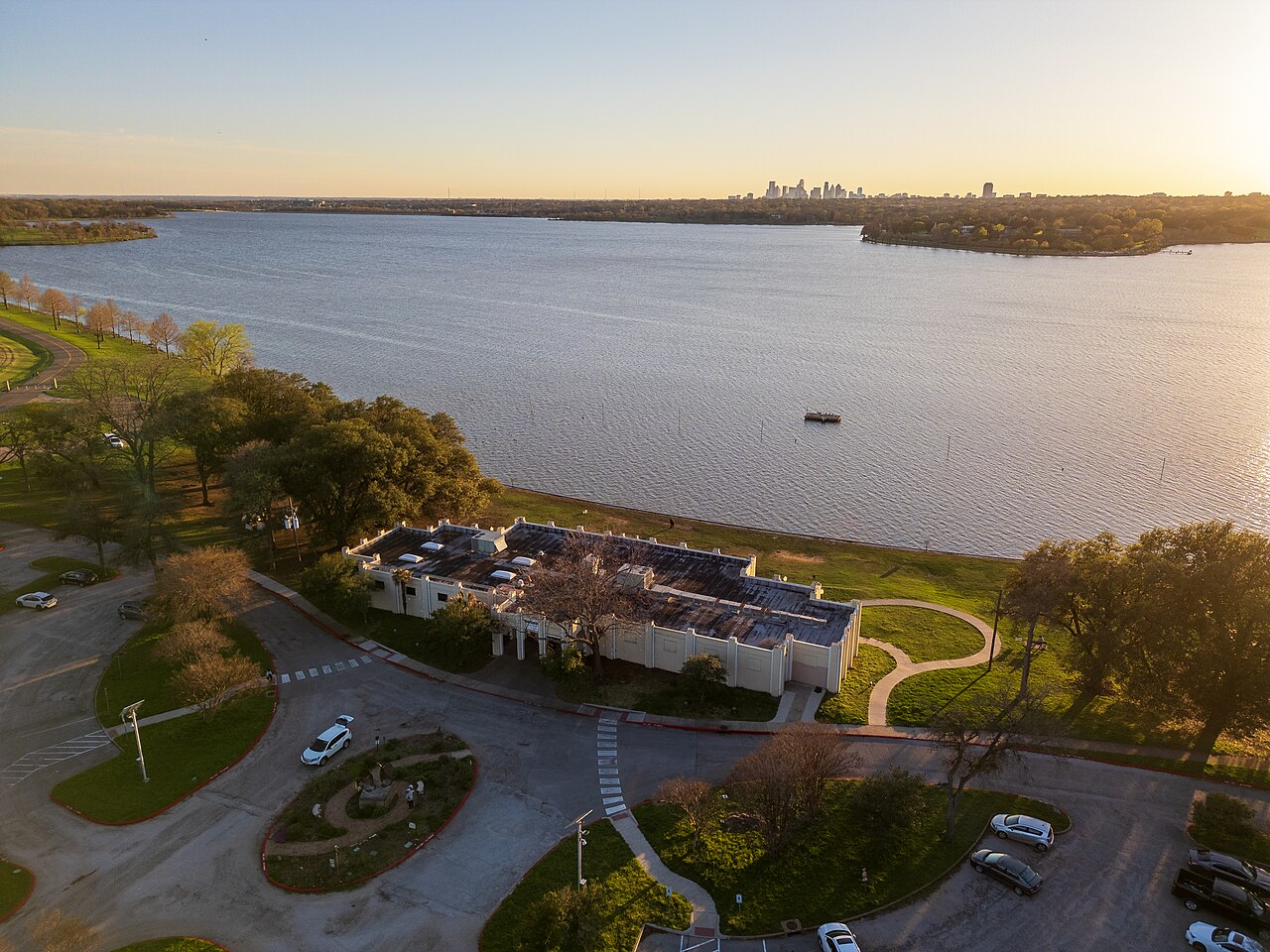
The DFW area is surrounded by several massive reservoirs that serve as the primary destination for water lovers. Grapevine Lake and Lake Lewisville are hotspots for motorized boating, sailing, and paddleboarding. Most of these lakes feature well-maintained parks with sandy swimming beaches, picnic areas, and boat ramps. For a more tranquil experience, White Rock Lake in the heart of Dallas offers a motorized-boat-free environment, making it the premier spot for kayaking and canoeing while enjoying views of the city skyline.
Fishing is another major draw, with many lakes stocked with largemouth bass, catfish, and crappie. Local marinas often offer rentals for those who do not bring their own gear. For a unique perspective, the Trinity River provides opportunities for guided paddling tours, allowing you to see the city's floodplains and natural vegetation from the water level. Always check for local water safety notices and ensure you have the proper Texas fishing license before heading out to the docks.

Hiking and Scenic Nature Preserves
While North Texas is largely flat, there are surprising pockets of elevation and rugged terrain that offer excellent hiking. Cedar Ridge Preserve, managed by Audubon Dallas, features over nine miles of trails that traverse hills and cedar forests, providing some of the best views in the region. The trails vary in difficulty, offering everything from easy strolls to steep climbs that feel far removed from the city. Another gem is the Trinity River Audubon Center, where boardwalks lead through wetlands and hardwood forests teeming with local bird species.
In Fort Worth, the Nature Center and Refuge offers over 20 miles of hiking trails through forests, prairies, and wetlands. It is one of the largest city-owned nature centers in the United States and serves as a habitat for a small herd of bison. For those who prefer paved paths, the Katy Trail in Dallas and the Trinity Trails system in Fort Worth offer miles of multi-use paths perfect for cycling, running, and walking. These trails connect many of the cities' cultural districts, allowing for a seamless blend of nature and urban exploration.
Wildlife Watching and Botanical Wonders
Nature enthusiasts will find plenty of opportunities to observe local fauna and flora throughout the Metroplex. The Dallas Arboretum and Botanical Garden is globally recognized for its stunning floral displays, particularly during the spring tulip bloom and the fall pumpkin festival. It offers 66 acres of manicured gardens and views of White Rock Lake. In Fort Worth, the Botanic Garden and the adjacent Japanese Garden provide a peaceful retreat with winding paths, koi ponds, and traditional architecture.
For wildlife viewing beyond the zoo, the local nature preserves are home to bobcats, coyotes, and a vast array of migratory birds. The John Bunker Sands Wetland Center is a must-visit for birdwatchers, especially during the winter months when bald eagles and various waterfowl frequent the area. The region sits along the Central Flyway, making it a critical stop for hundreds of bird species. Bringing a pair of binoculars and visiting during the early morning hours will significantly increase your chances of spotting the diverse wildlife that calls the North Texas prairies home.
Family-Friendly Outdoor Adventures
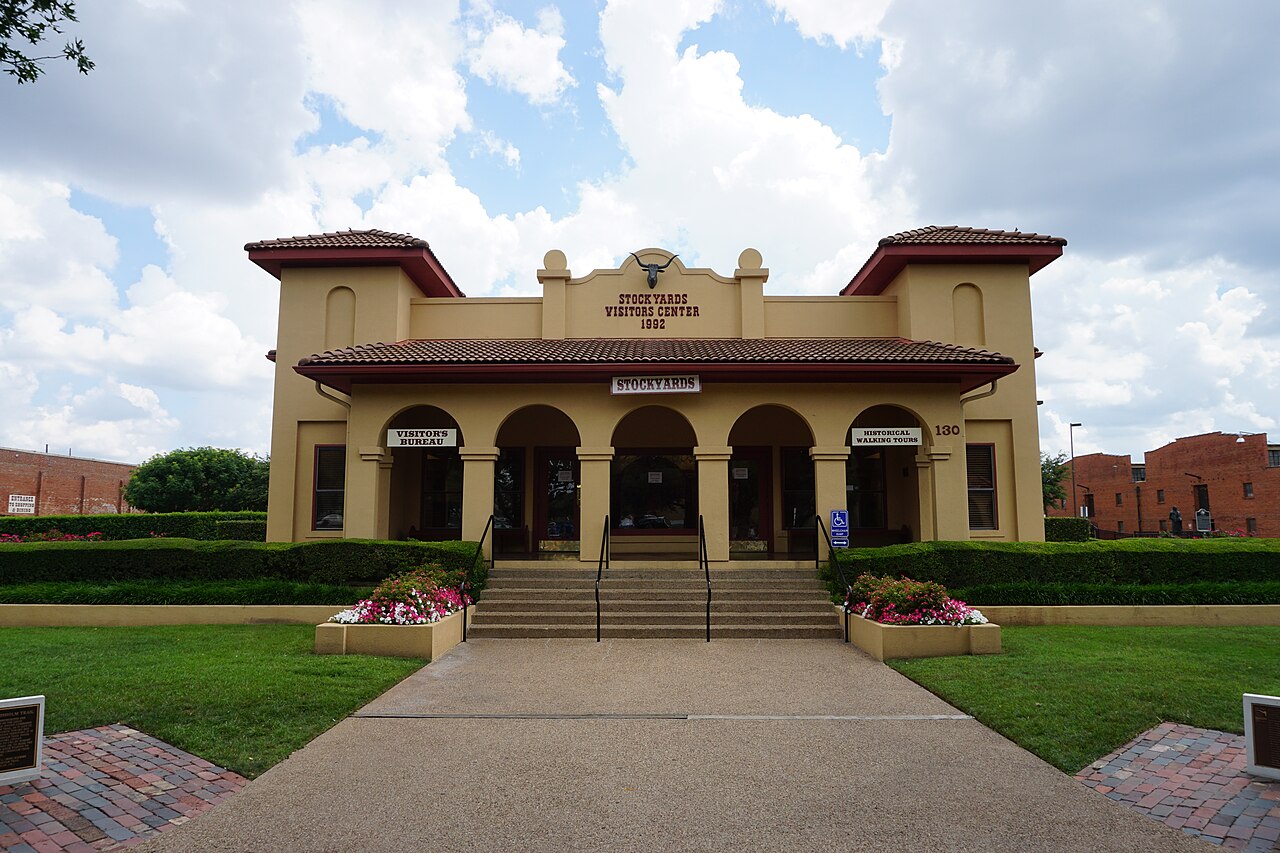
Families traveling to DFW will find no shortage of activities designed to engage children with the outdoors. Klyde Warren Park, built over a recessed freeway in downtown Dallas, offers a massive playground, interactive water features, and plenty of space for a picnic. It is a central hub for family activity, often hosting free outdoor movies and fitness classes. Another favorite is the Fort Worth Stockyards, where kids can witness the daily cattle drive and learn about the region's cowboy heritage in an open-air environment.
For more active kids, the various climbing parks and treetop adventure courses located in the suburban gateway cities provide a thrill. Many of the larger city parks, such as River Legacy Parks in Arlington, feature extensive playgrounds, science centers, and bike trails designed for younger riders. These areas focus on environmental education, helping children understand the local ecosystem through hands-on exhibits. Exploring these spaces allows families to burn off energy while appreciating the natural beauty and history that defines the Texas landscape.
Rainy Day and Indoor Nature Alternatives
Weather in North Texas can be unpredictable, but a rainy day doesn't have to end your exploration of the natural world. The Perot Museum of Nature and Science features expansive halls dedicated to Texas ecosystems, geology, and paleontology, allowing visitors to experience the region's natural history in a climate-controlled environment. The Dallas World Aquarium offers an immersive look at rainforest and marine ecosystems, with paths that lead through towering canopies filled with birds and monkeys.
Additionally, the Kimbell Art Museum and the Amon Carter Museum of American Art in Fort Worth often feature galleries that highlight western landscapes and natural themes. If the rain is light, the Texas Discovery Gardens at Fair Park includes a multi-story butterfly house that remains warm and dry year-round. These indoor options ensure that even when the Texas skies open up, you can still engage with science and nature. Always check the official websites for these attractions to see if advanced timed-entry tickets are required, especially during school holiday breaks or rainy weekends.