

Choosing the right season to visit North Texas can transform a simple weekend trip into a spectacular outdoor adventure. While the Metroplex is a year-round destination, the shoulder seasons of spring and autumn offer the most comfortable temperatures for exploring urban parks and sprawling lakes. Whether you are coming for the bluebonnets or the crisp football weather, timing your arrival ensures you enjoy the vibrant energy of the region without the peak humidity of mid-summer.
Springtime Blooms and Mild Temperatures
Spring is widely considered the peak season for outdoor enthusiasts in North Texas. From late March through May, the landscape undergoes a dramatic transformation as native wildflowers, including the iconic Texas Bluebonnet, carpet the roadsides and parklands. The weather during this window is typically mild, with afternoon highs ranging from the 70s to low 80s, making it the perfect time for long walks through the Dallas Arboretum or hiking the trails at Cedar Hill State Park.
However, travelers should be aware that spring also brings the region's primary rainy season. Thunderstorms can develop quickly in April and May, so it is wise to keep a flexible schedule. Despite the occasional shower, the lush greenery and active bird migrations make this a favorite for photographers and nature lovers. Because this is a popular time for local festivals and garden shows, booking your accommodations in the gateway cities like Grapevine or Plano several months in advance is highly recommended to secure the best rates.
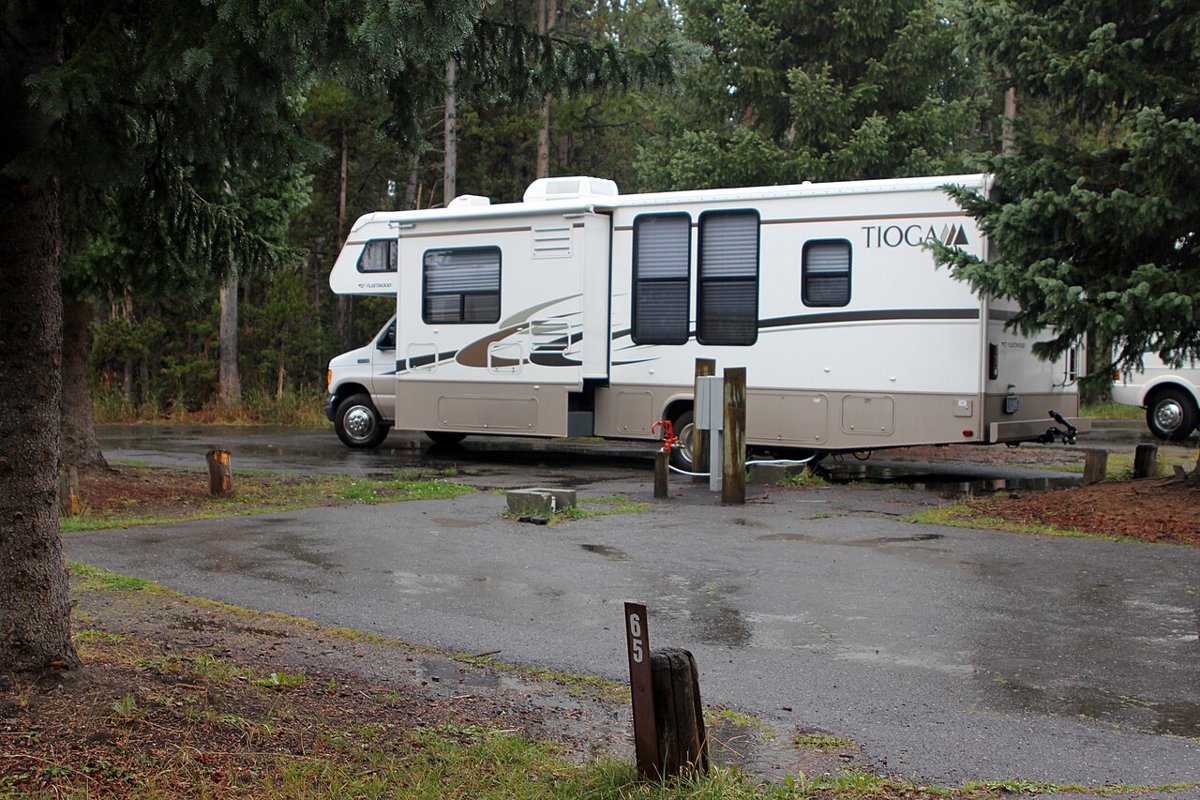
Lock in a stay for this season
RV parks near Dallas–Fort Worth on RoverPass
Partner link · RoverPass
Fall Colors and Fair Weather
September through November marks another exceptional window for visiting the DFW area. After the intense heat of summer subsides, the region enjoys a long, pleasant autumn with clear blue skies and crisp evenings. This is the season of the State Fair of Texas, a massive outdoor celebration that draws millions to Fair Park. The cooler air makes it ideal for exploring the Fort Worth Stockyards or attending outdoor sporting events without the risk of heat exhaustion.
As the foliage begins to change in late October and early November, the area's numerous lakes, such as Lake Ray Hubbard or Joe Pool Lake, become stunning backdrops for kayaking and fishing. The humidity drops significantly during these months, providing a dry, comfortable heat that is perfect for patio dining and urban exploration. While fall is generally drier than spring, it remains a busy period for tourism, so checking the official event calendars for major conventions or festivals is essential for planning your logistics.
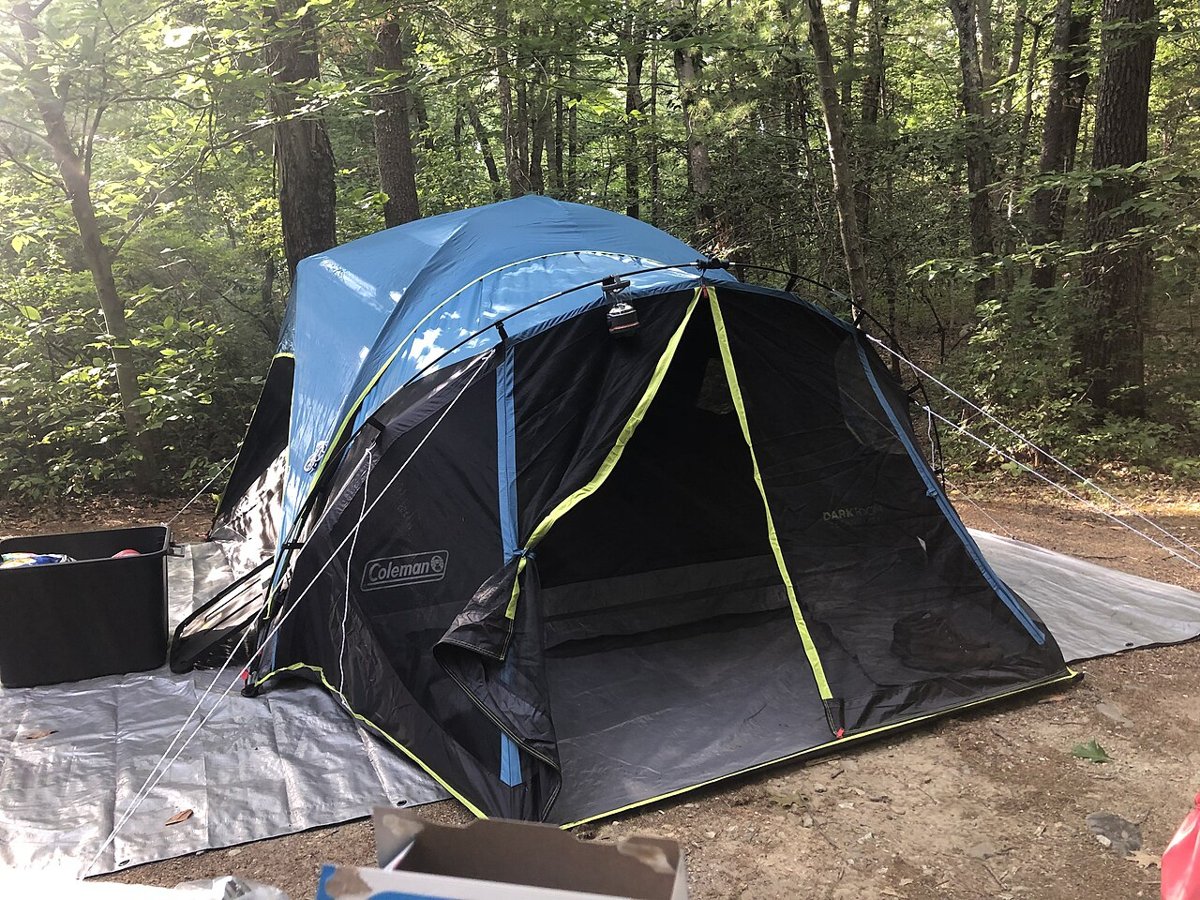
Lock in a stay for this season
Campsites near Dallas–Fort Worth on Campspot
Partner link · Campspot
Navigating the North Texas Summer
Summer in North Texas, spanning from June through August, is characterized by intense heat and high humidity, with temperatures frequently climbing above 100 degrees Fahrenheit. For many, this is a time to focus on water-based activities. The region's vast network of reservoirs, including Lake Lewisville and Grapevine Lake, becomes the primary draw for boating, jet skiing, and swimming. Early mornings and late evenings are the only times suitable for strenuous hiking or biking on the local trail systems.
To make the most of a summer visit, plan your outdoor excursions before 10:00 AM and spend the mid-day hours exploring the region's world-class indoor attractions, such as the Perot Museum of Nature and Science or the Kimbell Art Museum. Many local parks feature splash pads and shaded pavilions to help beat the heat. If you plan to camp or glamp during this season, ensuring your site has adequate shade and proximity to water is vital. Always monitor the National Weather Service for heat advisories during this period.
Lock in a stay for this season
Harvest Hosts stays on the way to Dallas–Fort Worth
Partner link · Harvest Hosts
Winter Excursions and Holiday Lights
Winter in Dallas–Fort Worth is generally short and mild, though it is punctuated by occasional cold snaps and rare ice storms. From December through February, daytime temperatures often hover in the 50s and 60s, which can be quite pleasant for brisk walks through the Fort Worth Botanic Garden or the Dallas Zoo. This is the quietest time for tourism, meaning shorter lines at major attractions and more availability at popular campsites and hotels.
The holiday season brings a unique charm to the area, with towns like Grapevine earning the title of the Christmas Capital of Texas. Massive light displays, outdoor ice skating rinks, and festive parades take over the historic downtown areas. While the natural landscape is dormant and brown during these months, the urban centers are more vibrant than ever. If you enjoy a quieter, more budget-friendly trip, winter offers a great opportunity to explore the cultural heart of North Texas, provided you pack layers to handle the fluctuating temperatures.

Reservations and Peak Travel Timing
Because the Dallas–Fort Worth area is a major hub for business and tourism, hotel and park reservations should be handled with foresight. For peak spring and fall weekends, particularly those coinciding with major college football games or seasonal festivals, it is common for popular areas to reach capacity weeks in advance. State parks like Dinosaur Valley or Ray Roberts Lake often require day-pass reservations, which can be secured through the Texas Parks and Wildlife official website. This is especially true on holiday weekends such as Memorial Day or Labor Day.
Traveling during mid-week often reveals a different side of the Metroplex, with quieter trails and more relaxed dining experiences. If your goal is to experience the natural beauty of the Trinity River or the quietude of the local nature preserves, avoiding the Saturday and Sunday crowds is key. Always check the official NPS or state park sites for current conditions, as weather-related closures or maintenance can occur. Planning roughly three to four months out for your primary bookings will ensure you have the widest range of options for your North Texas stay.
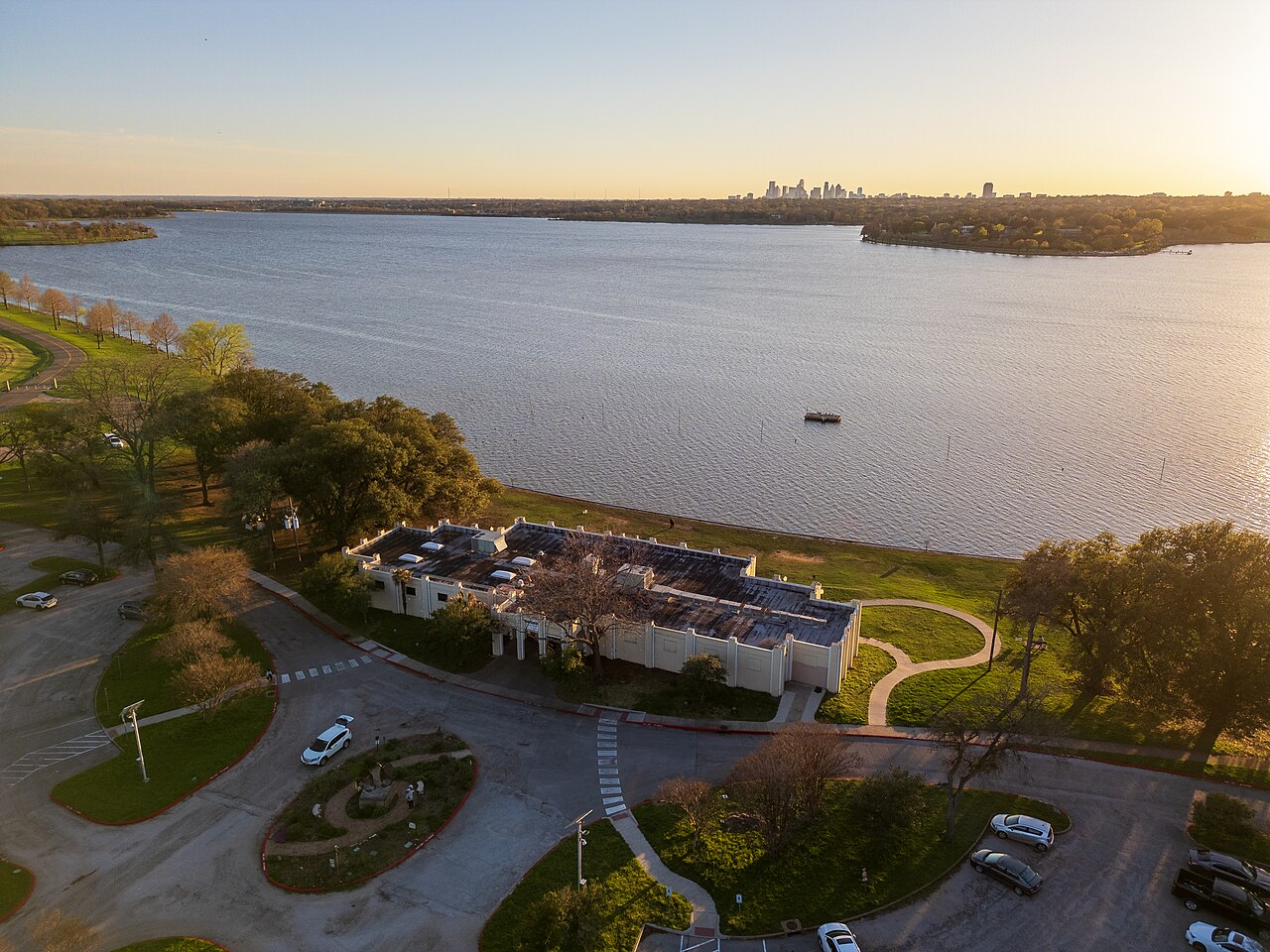
More ways to book Dallas–Fort Worth
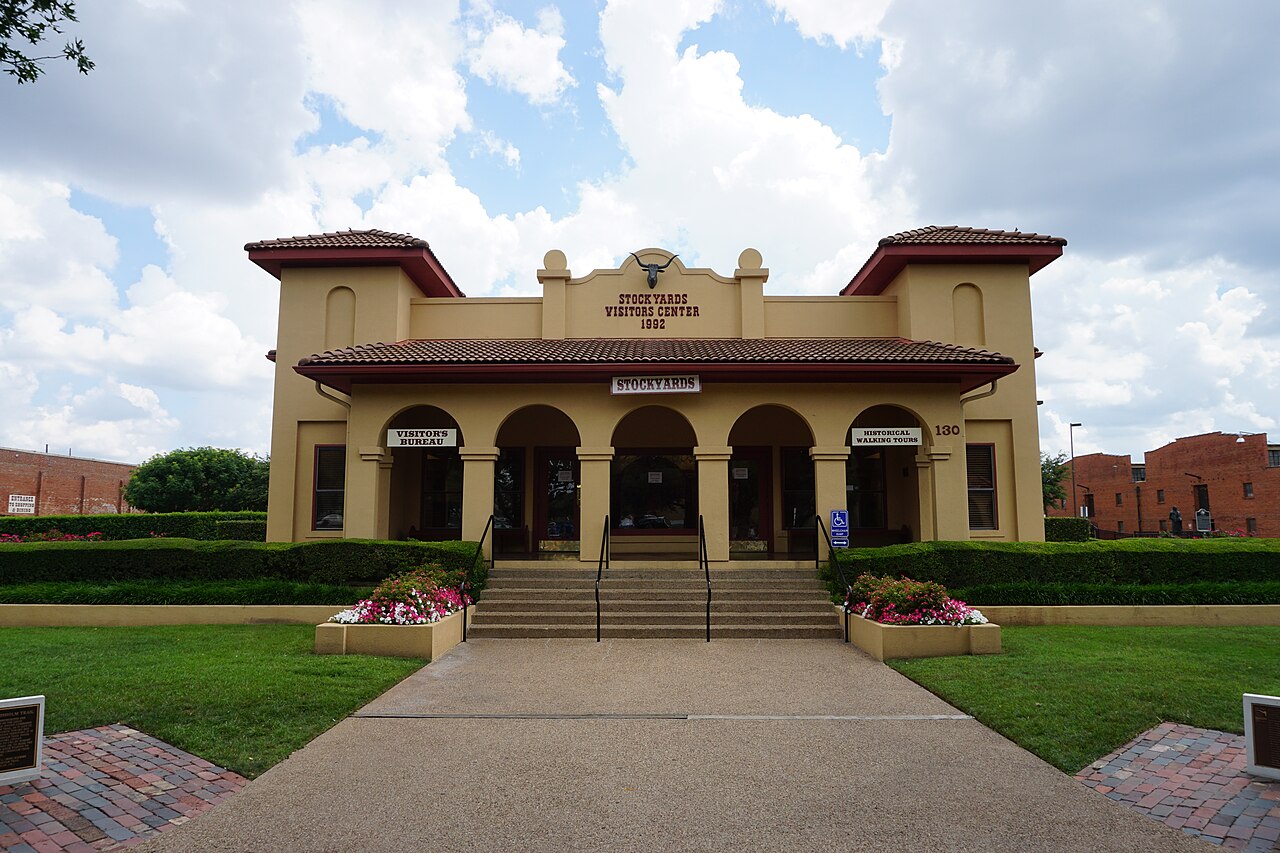 Illustrative · Michael Barera
Dallas Arboretum Walk
One of the classic ways to experience Dallas–Fort Worth.
Varies (estimate)
Partner link · Viator