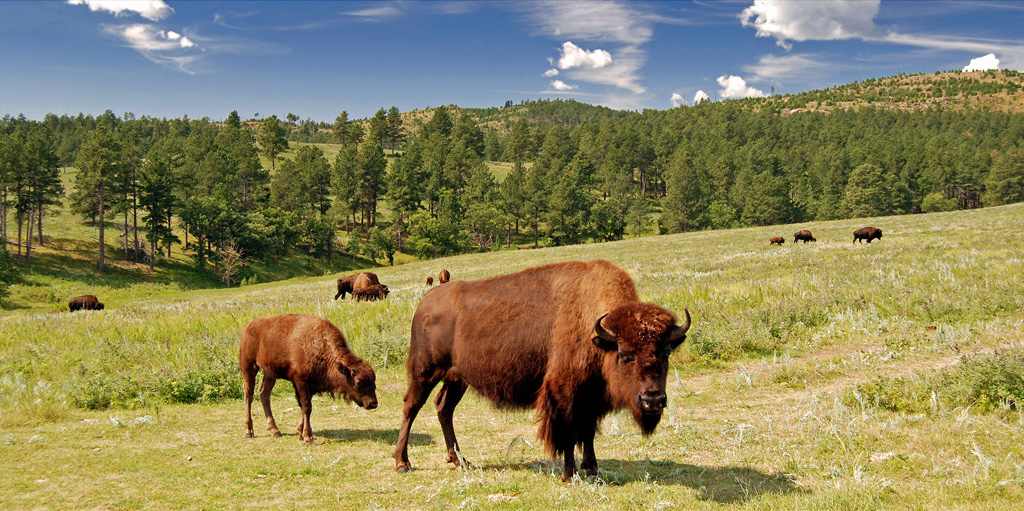
Custer State Park glamping is less about one standard lodging style and more about choosing the right balance of outdoor atmosphere and everyday comfort. Around the Black Hills, that may mean a furnished tent, a rustic cabin, or another rental with beds and easy access to nature. Compare actual amenities carefully, then choose a base that keeps your preferred park outings within a manageable daily driving pattern.
What Glamping Looks Like Around Custer State Park
Glamping is a broad marketing term, not a consistent accommodation category. A furnished canvas tent might provide a real bed and electricity but require a walk to shared bathrooms. A cabin may have solid walls and heat yet still lack a kitchen, private shower, or supplied linens. Read the complete listing rather than relying on photographs or the word luxury.
Custer State Park has established lodging and camping options, including cabins, while the surrounding Black Hills offer additional private accommodations. Do not assume a furnished tent advertised near the park is inside its boundaries or close to your intended entrance.
Before reserving, verify bedding, bathroom arrangements, temperature control, cooking facilities, parking, and the distance from the car to the unit. Ask whether outdoor space is private or shared. For park-operated accommodations, use official park information and reservation links to confirm current amenities and availability.
Where to sleep
RV parks near Custer State Park on RoverPass
Partner link · RoverPass
Choose Between Custer, Keystone, and Hill City
Custer is a practical starting point if your plans emphasize the state park and access to groceries, restaurants, and other town services. Accommodations outside town may feel more secluded, but look closely at the actual location and approach road. A Custer mailing address does not establish a short drive to every park attraction.
Keystone works better for travelers dividing time between Mount Rushmore and the northern Black Hills corridors. Hill City is another regional base with town conveniences and access to surrounding forest scenery. Both can add driving to repeated outings in the park’s southern grasslands.
Compare locations using road routes, not straight-line distance. Needles Highway and Iron Mountain Road are scenic, winding corridors rather than fast shortcuts, and vehicle restrictions matter. If wildlife viewing is your central goal, prioritize convenient access to that part of the park over a dramatic lodging photo.
Where to sleep
Campsites near Custer State Park on Campspot
Partner link · Campspot
Pick a Season That Matches Your Accommodation
Summer generally offers the simplest conditions for sleeping in a furnished tent, with warmer nights and a fuller range of seasonal services. It also brings strong lodging demand, particularly around holidays and major Black Hills events. Book once your dates are settled, and review cancellation terms before committing to a weather-sensitive stay.
Late spring and early fall can be appealing for quieter evenings, but cold nights matter more under canvas than in an insulated building. Confirm whether heating is provided, what bedding is included, and whether shared bathrooms remain open throughout your dates. Some seasonal properties close before winter arrives.
For a cold-season trip, focus on confirmed winter access and appropriate indoor heating rather than the glamping label. Check the official Custer State Park website for road closures and seasonal facilities. A comfortable lodging unit does not make nearby scenic routes available year-round.
Where to sleep
Harvest Hosts stays on the way to Custer State Park
Partner link · Harvest Hosts
Glamping vs. Tent Camping vs. an RV Stay
Traditional tent camping gives you the most control over your setup, but you supply the shelter, sleeping equipment, and much of the weather preparation. Glamping shifts some of that work to the accommodation provider. Its value depends on which chores and gear purchases it actually removes, not simply on having a bed outdoors.
An RV can provide your own kitchen and bathroom, although hookup availability and campsite dimensions vary. Reserve a site that fits your rig, and check water, sewer, and electrical details individually. Do not assume that every campground offers full hookups or that every park road suits a large vehicle.
Glamping and cabins often cost more than a basic campsite, while RV expenses can include rental, fuel, and service charges. Treat all comparisons as rough estimates. Compare complete trip costs, including linens, cleaning charges, cooking access, and any separate park entry requirements.
Check the Details Before You Reserve
Start with practical questions: Is the bathroom private, shared, or a walk away? Is drinking water available at the unit? Can you cook indoors, and what equipment is supplied? Confirm pet policies, occupancy limits, accessibility details, and whether children can use every sleeping area comfortably. Loft beds and uneven paths may not suit every group.
Outdoor amenities need a second look. A pictured fire pit does not mean fires will be allowed during your stay; restrictions can change with conditions. Ask about food storage and trash disposal, and follow local wildlife guidance even if the property feels developed.
Finally, map your route to Sylvan Lake and Wildlife Loop Road before paying. Allow for winding roads, darkness, and seasonal closures. Check the official Custer State Park website for current conditions and reservations, and use the accommodation’s own confirmed policies for check-in arrangements, amenities, and cancellation terms.