The best time to visit Custer State Park depends on whether you want warm lake afternoons, quieter trails, or a trip centered on wildlife. Summer offers the fullest range of activities, while late spring and early fall can bring a more relaxed pace. Plan two to four days in this part of South Dakota’s Black Hills, and leave room for mountain weather to change your schedule.
Spring: Wildlife Drives and Flexible Hiking Plans
Spring brings greener grasslands and a gradual return to camping and lake outings, but it is not a dependable shortcut to summer conditions. Snow, chilly rain, and muddy trails can linger, especially around higher terrain near Sylvan Lake. Lower-elevation drives may feel comfortable while exposed hiking routes remain cold or slippery.
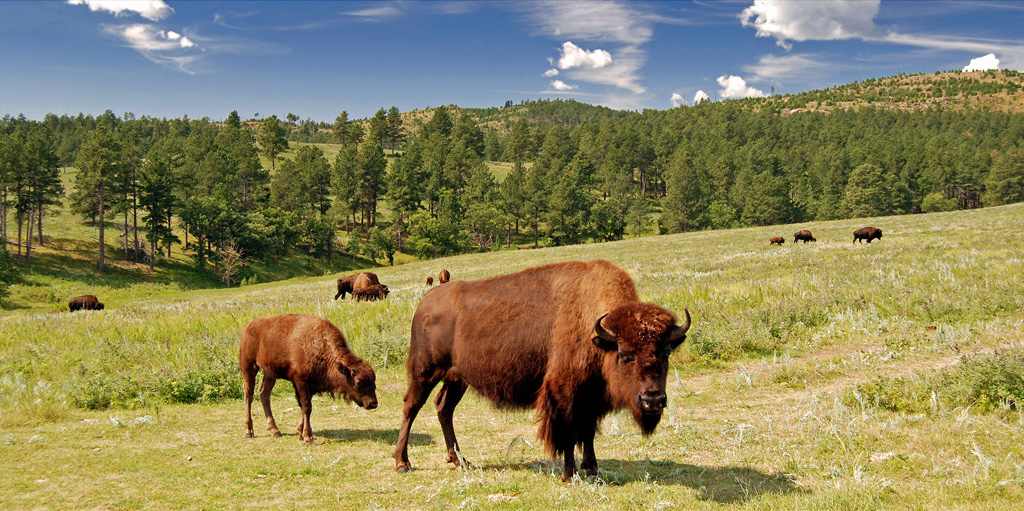
Wildlife Loop Road is a useful starting point for a spring visit. Watch for bison and other animals from established pullouts, and give newborn wildlife and protective adults plenty of space. Animals move freely, so sightings are never tied to a particular stop.
For fewer visitors, consider weekdays outside holiday periods. Check the official Custer State Park website before booking for campground availability, seasonal facility schedules, and road conditions. Pack warm layers alongside lighter clothing, and keep a scenic-drive alternative ready if your preferred hike is unsuitable.
Lock in a stay for this season
RV parks near Custer State Park on RoverPass
Partner link · RoverPass
Summer: The Widest Choice of Activities
Summer suits travelers who want camping, paddling, hiking, and scenic drives in one trip. Days are long, lake areas are lively, and most seasonal visitor services are operating. Sylvan Lake draws plenty of attention, while other park lakes offer additional places to spend an unhurried afternoon.
Expect warm conditions at lower elevations, cooler nights, and the possibility of afternoon thunderstorms. Start longer hikes early, carry water, and avoid committing to exposed granite terrain when storms threaten. Needles Highway deserves its own generous time block rather than a quick drive between scheduled activities.
Summer is also the busiest booking period. Reserve lodging and campsites as far ahead as the official reservation system permits once your dates are firm. Late July and early August can bring heavier regional traffic around the Sturgis Motorcycle Rally, affecting Black Hills roads and lodging beyond the rally itself.
Lock in a stay for this season
Campsites near Custer State Park on Campspot
Partner link · Campspot
Fall: Comfortable Outings and Event Crowds
Early fall often works well for visitors who prefer hiking and wildlife viewing over swimming. Days can remain pleasant, nights cool quickly, and changing leaves add color to parts of the Black Hills. Later in the season, freezing temperatures and snow become more plausible, particularly on higher roads and trails.
September is not uniformly quiet. The park’s annual Buffalo Roundup draws substantial crowds, so a trip around that event requires different expectations from an ordinary autumn weekday. Confirm the current event date, viewing arrangements, and access information through the official park website rather than assuming a normal Wildlife Loop outing.
If the roundup is not your priority, choose dates away from the event and allow flexibility for weather. Check when individual campgrounds, lodging facilities, and concessions reduce service or close. Bring insulating layers for dawn wildlife drives and evenings outside your campsite or cabin.
Lock in a stay for this season
Harvest Hosts stays on the way to Custer State Park
Partner link · Harvest Hosts
Winter: A Different Kind of Black Hills Visit
Winter can offer quiet landscapes and a much slower pace, but it calls for a different itinerary than a summer vacation. Snow and ice affect travel, daylight is limited, and seasonal services are reduced. Needles Highway closes to vehicle traffic in winter, so do not build a cold-season route around driving its granite tunnels.
Some park roads and facilities remain accessible, depending on conditions, and wildlife viewing may still be possible. Check current road information before leaving your lodging and avoid assuming that an open route will have dry pavement. Mountain conditions can differ noticeably from those in nearby towns.
Choose lodging with reliable winter access and confirmed heating, then organize short outings around the forecast. Carry appropriate cold-weather supplies and keep extra time in your travel schedule. The official park website is the starting point for closures, facility availability, and winter recreation guidance.
Book this experience
Wildlife Loop Road Drive
Varies (estimate) · Partner link · Viator
Match Your Dates to Crowds and Reservations
For a balanced first trip, look at late spring or early fall, then compare your dates with seasonal openings and major regional events. Summer is the straightforward choice for a family trip focused on lakes and a broad selection of visitor services. Winter is better treated as a specialized visit with limited driving options.
Book your overnight base first if you need a particular cabin layout, RV site, or campground. Then organize each day by geography: one day around Sylvan Lake and Needles Highway, another around Wildlife Loop Road and the southern grasslands. This reduces unnecessary backtracking on slow, winding roads.
Weekdays and early starts can ease parking pressure, but they do not guarantee empty trails. Check the official Custer State Park website for current reservations, entry requirements, road conditions, and event notices shortly before departure. Recheck the forecast after arriving in the Black Hills.
Book this experience
Needles Highway Drive
Varies (estimate) · Partner link · Viator
More ways to book Custer State Park
Sylvan Lake Shore Trail
One of the classic ways to experience Custer State Park.
Varies (estimate)
Partner link · Viator