
Cumberland Island is a place where history and nature are inextricably linked. As Georgia's largest barrier island, it offers over 17 miles of undeveloped beach, massive live oak forests, and the skeletal remains of Gilded Age mansions. Whether you are arriving for a few hours or staying for a multi-day backpacking trip, the island provides a rare opportunity to disconnect from the modern world and witness a landscape that has remained largely unchanged for decades.
Exploring the Dungeness Mansion Ruins
One of the most iconic things to do in Cumberland Island is visiting the ruins of Dungeness. Once a grand 59-room mansion built by the Carnegie family in the late 19th century, it was destroyed by fire in the 1950s. Today, the brick and stone skeleton of the home remains, standing as a haunting monument to a bygone era. Walking through the grounds, you can still see the outlines of the formal gardens, the recreational buildings, and the old pergolas.
As you wander the perimeter of the ruins, keep your eyes peeled for the island's feral horses, which frequently graze on the lawn surrounding the mansion. It is a surreal sight to see these wild animals framed by the decaying architecture of the American elite. The area is easily accessible from the Dungeness dock, making it the perfect first stop for any visitor. Interpretation panels nearby provide context on the Gilded Age history and the earlier incarnations of the estate dating back to the Revolutionary War.
Hiking Through the Maritime Forest
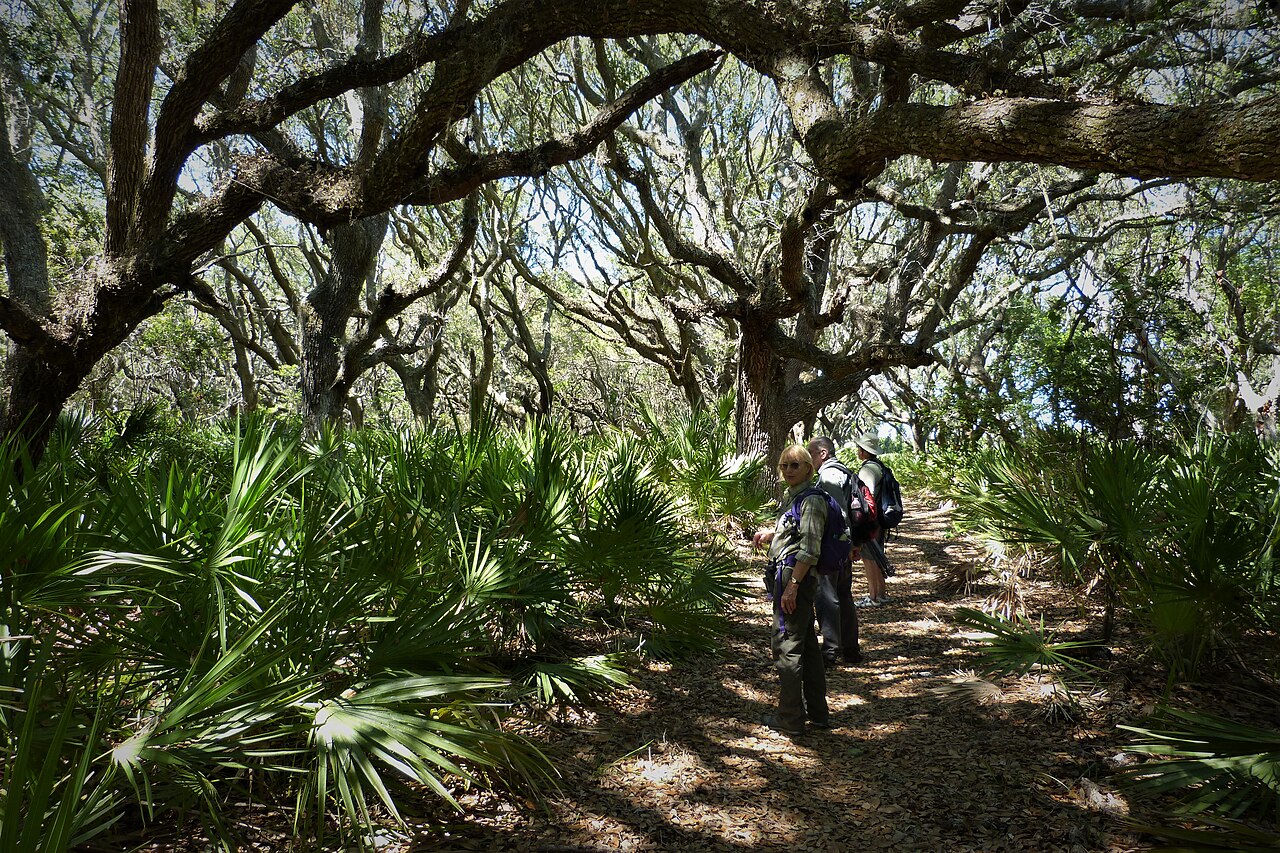
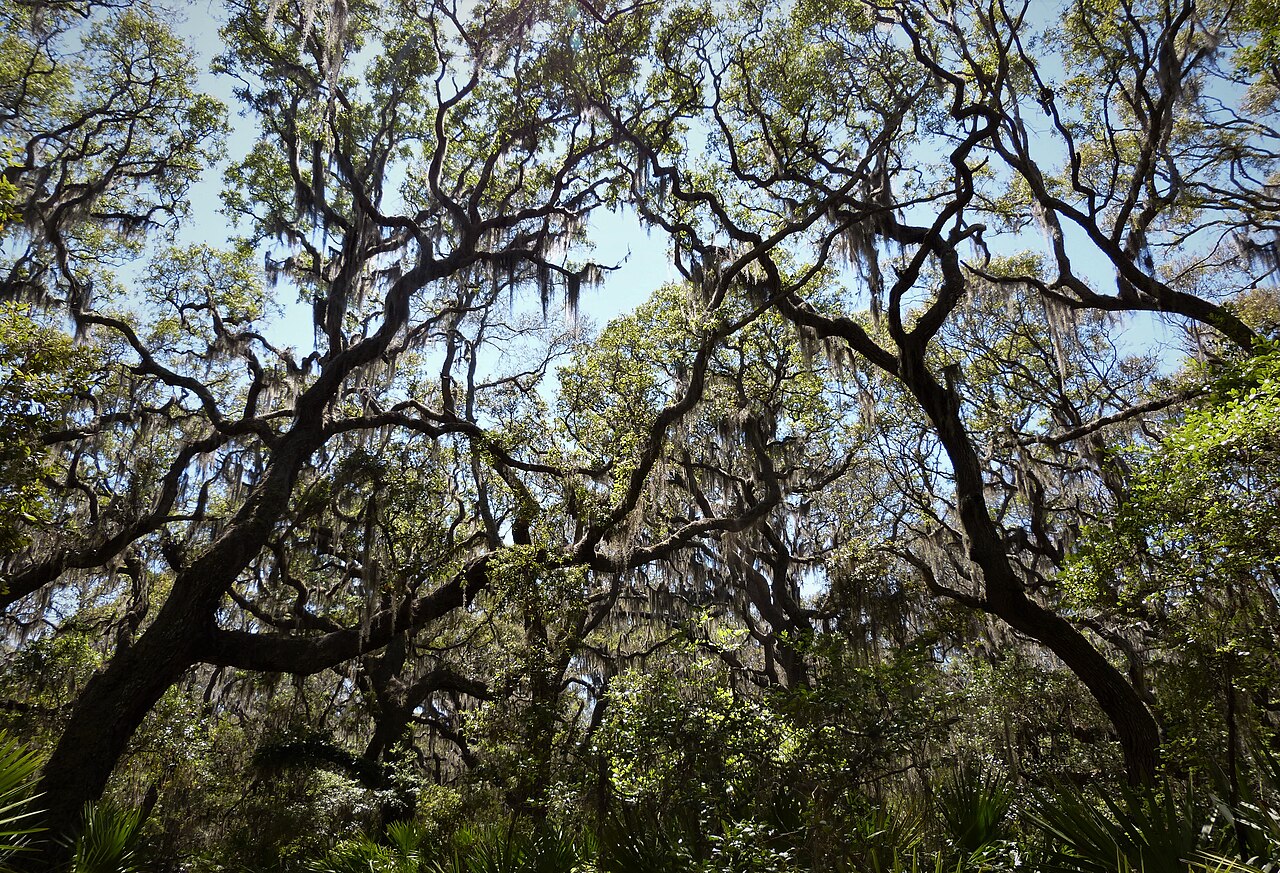
The interior of the island is crisscrossed by miles of trails that lead you through a dense maritime forest. The Parallel Trail and the Southend Loop are excellent choices for those looking to see the diversity of the islandâs ecosystems. Under the shade of ancient live oaks, saw palmettos, and resurrection ferns, you will find a world that feels prehistoric. The canopy provides much-needed shade, though you should be prepared for the sandy terrain which can make hiking more strenuous than on hard-packed dirt.
For more adventurous hikers, the trek to the northern end of the island leads to Plum Orchard and the First African Baptist Church. These locations offer a deeper look into the islandâs complex social history, including the lives of the enslaved people and later the free Black community of The Settlement. Because the island is long and there is no public transportation, many visitors choose to rent bicycles at the Sea Camp dock to cover more ground, allowing them to see both the forest and the historic sites in a single day.
Beachcombing and Coastal Relaxation
Cumberland Island boasts some of the most pristine, undeveloped Atlantic beaches in the United States. With no boardwalks, high-rises, or paved roads, the coastline is a paradise for those who love raw nature. You can spend hours beachcombing for shells, shark teeth, and driftwood along the wide, flat sands. The surf is generally mild, making it a great spot for a refreshing swim, though there are no lifeguards on duty, so caution is advised.
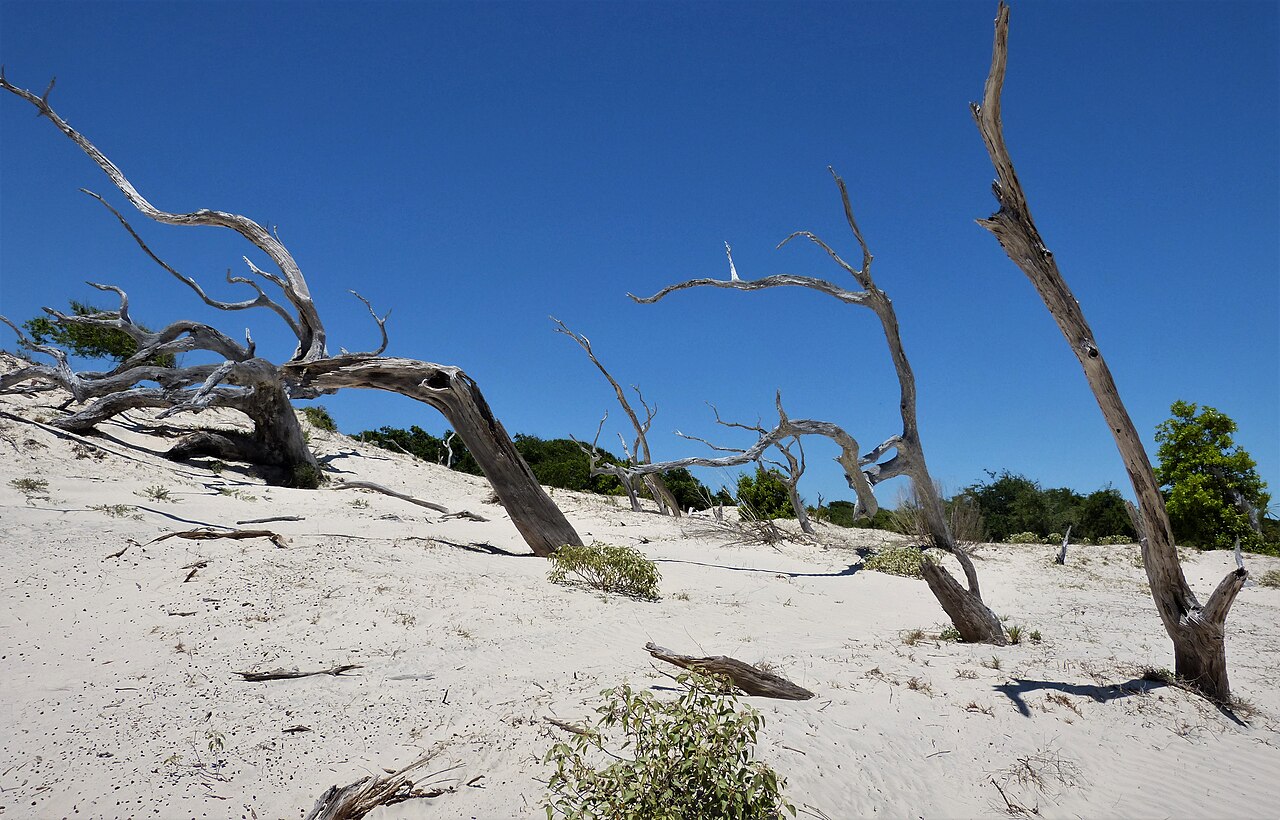
Because the island is a protected wilderness, you will often have huge stretches of beach entirely to yourself. The dunes are fragile and home to various shorebirds, so visitors are asked to use the designated boardwalks to cross from the forest to the shore. If you visit during the summer months, look for the flagged areas indicating sea turtle nests. It is a tranquil experience that serves as a stark contrast to the developed beaches of the mainland, offering a true sense of coastal peace.
Wildlife Spotting: Horses, Turkeys, and More
Wildlife is arguably the biggest draw for visitors to Cumberland Island. The feral horses are the most famous residents, and while they are beautiful, it is important to remember they are wild and should be given at least 50 feet of space. You will likely see them near the ruins, along the beaches, and in the salt marshes. Beyond the horses, the island is home to white-tailed deer, wild turkeys, armadillos, and an array of reptiles including American alligators in the freshwater ponds.
Birdwatching is also spectacular here. From majestic wood storks and ospreys to the colorful painted bunting in the spring, the island is a haven for avian life. The salt marshes on the western side of the island are particularly active during low tide, where you can see herons and egrets stalking their prey. Bringing a pair of binoculars is highly recommended, as much of the islandâs best wildlife viewing happens at a distance to ensure the animals remain undisturbed in their natural habitat.
Family Adventures and Rainy Day Plans
For families traveling with children, the island is a giant natural playground. Kids enjoy the ferry ride from St. Marys, which often includes sightings of dolphins in the Cumberland Sound. The Junior Ranger program offered by the National Park Service is a fantastic way for children to engage with the environment through guided activities and scavenger hunts. The sandy trails and the chance to see wild animals keep younger visitors engaged and active throughout the day.
If the weather turns sour, options on the island are limited, as it is a wilderness area. The Ice House Museum near the Dungeness dock offers a covered space to learn about the islandâs history and see artifacts from various eras. However, a rainy day is best handled by embracing the elements with good gear or retreating to the mainland for a few hours. In St. Marys, the Cumberland Island National Seashore Visitor Center and the St. Marys Submarine Museum provide excellent indoor educational opportunities until the clouds clear over the sound.