
Choosing the right season for your coastal escape to Cumberland Island is the difference between a breezy maritime adventure and a humid struggle. Located on the southern edge of Georgia's coastline, this island is subject to intense subtropical cycles. Timing your ferry reservation involves balancing the mild, mosquito-free windows of the shoulder seasons against the hot, nesting-filled months of the Atlantic summer. Most visitors find that the sweet spots in spring and fall offer the most comfortable conditions for exploring the miles of sandy trails and historic ruins.
Spring: The Sweet Spot of the South
Spring, particularly from March through May, is widely considered the best time to visit Cumberland Island. During these months, the temperatures are remarkably pleasant, typically hovering in the 70s and low 80s Fahrenheit. The humidity, which can be stifling later in the year, remains manageable, making long hikes from the Sea Camp dock toward the northern ends of the island much more enjoyable.
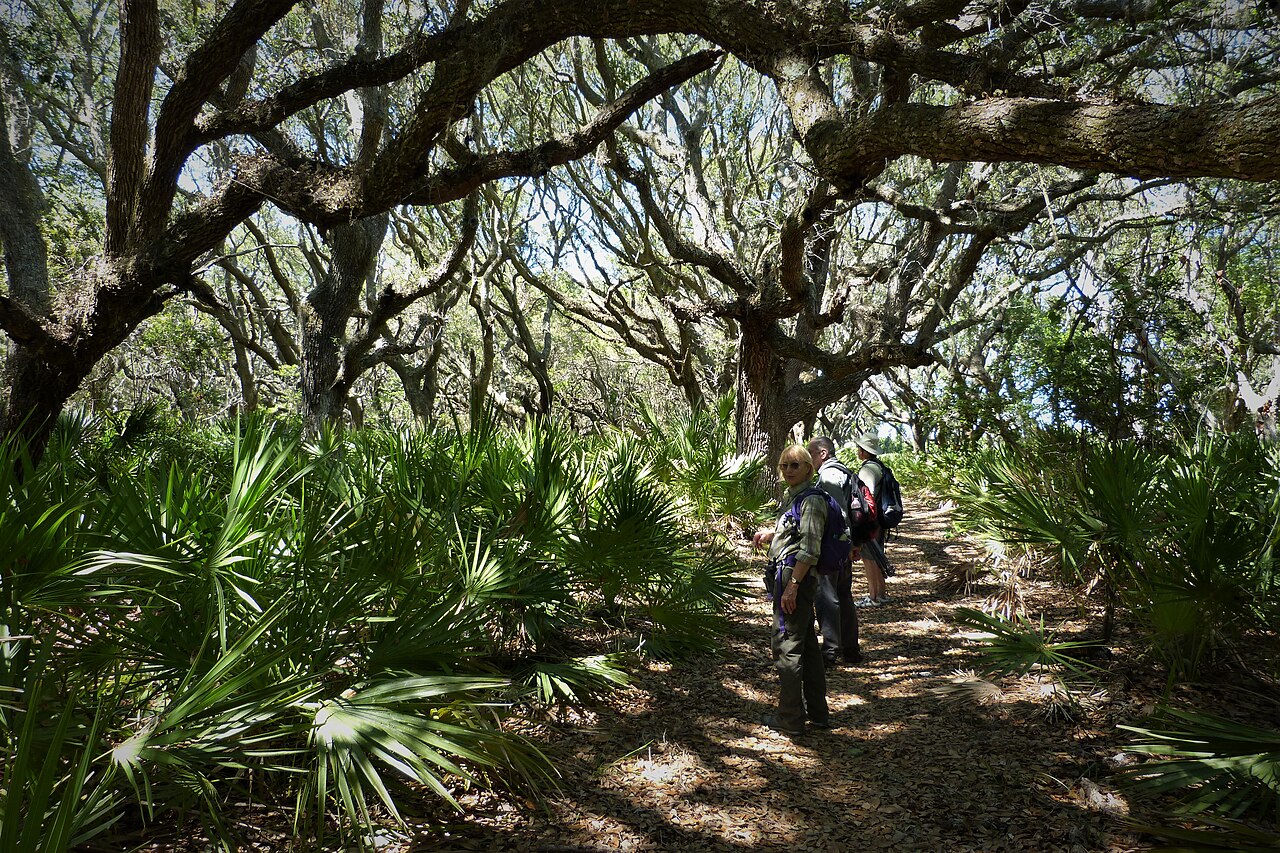
Nature lovers will appreciate the island's awakening during this period. The iconic live oak forests, draped in Spanish moss, are vibrant and green, and the island's famous feral horses are active in the marshes and meadows. Migratory birds are passing through the Atlantic Flyway, making it a prime window for birdwatchers. Because this is the most popular time, you should check the official NPS site for ferry and camping reservations well in advance, as weekend slots fill up months ahead of time.
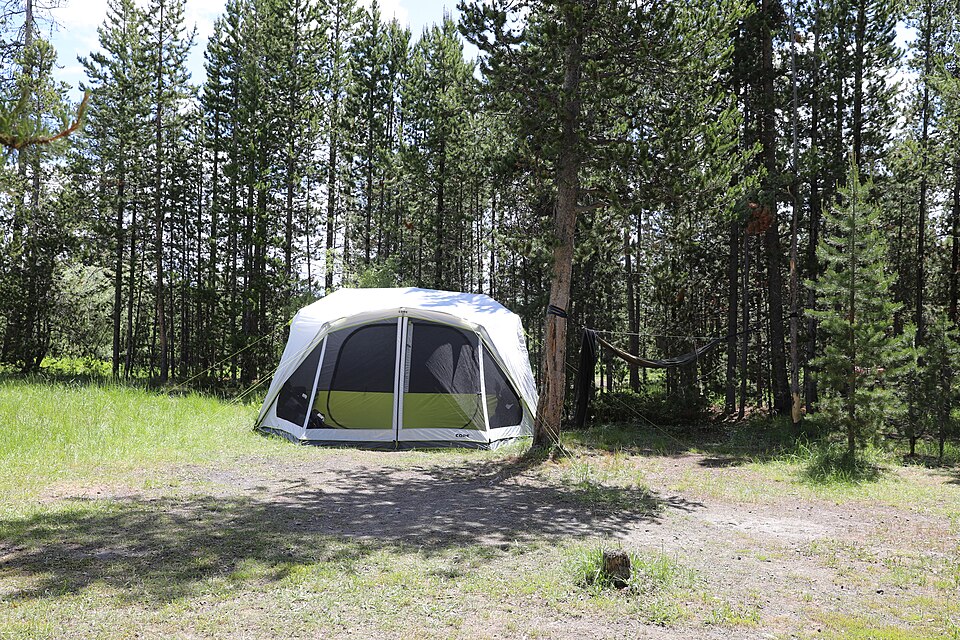
Lock in a stay for this season
RV parks near Cumberland Island on RoverPass
Partner link · RoverPass
Autumn: Crisp Air and Quiet Trails
As the summer heat begins to break in October and November, Cumberland Island enters its second peak season. The cooling temperatures provide a welcome relief for those who want to spend all day outdoors without the threat of heat exhaustion. The biting insects, such as deer flies and gnats which plague the island during the humid months, begin to die back once the first few cold fronts move through the Georgia coast.
Fall is also an excellent time for photography. The light takes on a golden quality over the Dungeness ruins, and the Atlantic surf remains warm enough for a quick dip for the hearty traveler. While the island never feels truly crowded due to the limited ferry capacity, the autumn months offer a sense of solitude that is hard to find elsewhere. It is a stable season for camping under the stars, provided you bring a light jacket for the cooler nights under the maritime forest canopy.
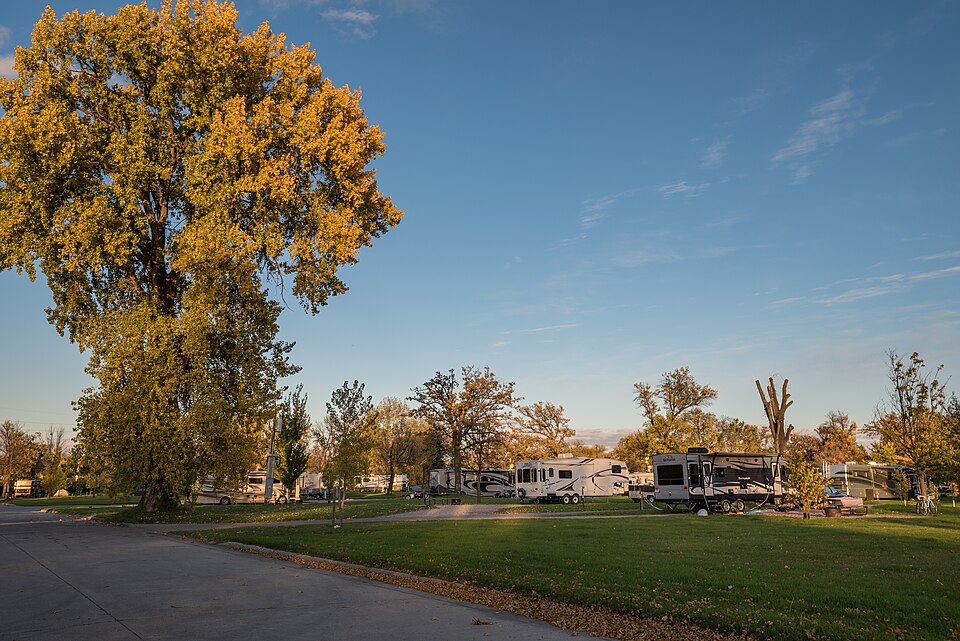
Lock in a stay for this season
Campsites near Cumberland Island on Campspot
Partner link · Campspot
Summer: High Humidity and Nesting Turtles
Summer on Cumberland Island is a test of endurance, with temperatures frequently climbing into the 90s accompanied by high humidity. Afternoon thunderstorms are a near-daily occurrence, which can temporarily disrupt ferry schedules or drench hikers caught far from the docks. Despite the heat, summer is a significant time for wildlife enthusiasts. This is the peak of the sea turtle nesting season, where loggerheads crawl ashore to lay eggs on the pristine beaches.
If you choose to visit in the summer, it is crucial to prepare for the elements. Sunscreen, wide-brimmed hats, and significant amounts of water are non-negotiable, as there are very few places to find potable water once you leave the main ranger stations. The mosquitoes and ticks are at their most active during these months, so high-quality repellent is essential. It is a time for early morning starts and relaxing in the shade during the peak heat of the day.
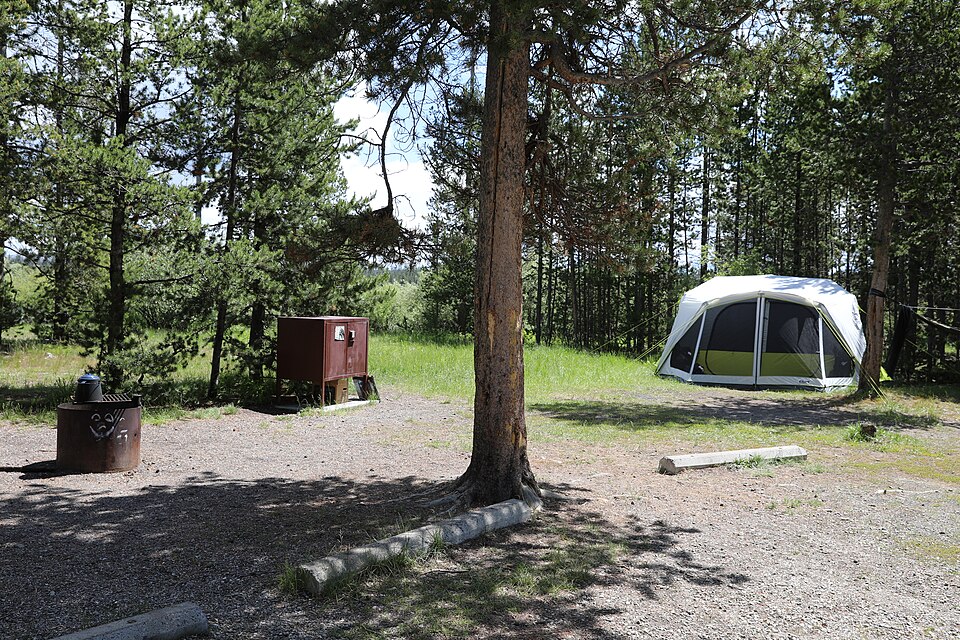
Lock in a stay for this season
Harvest Hosts stays on the way to Cumberland Island
Partner link · Harvest Hosts
Winter: Solitude and Stark Beauty
Winter brings a quiet, stark beauty to the Georgia coast. From December through February, the island sees its lowest visitation numbers. While daytime temperatures can be quite mild and sunny, nights often drop into the 40s or even 30s. The landscape feels more open as some of the dense undergrowth thins out, and the ruins of the Carnegie era stand out even more prominently against the gray-green backdrop of the oaks.
For those who value total isolation and don't mind the chill, winter is an incredible time to visit. You may walk the beach for miles without seeing another soul. However, be aware that the ferry operates on a reduced schedule during the winter months, so you must plan your arrivals and departures carefully. Dressing in layers is the key to comfort, as the wind off the Atlantic can be biting even on a clear day. Always verify the current ferry timetable on the National Park Service website.
Crowds and Reservation Timing
Cumberland Island is managed with a strict daily visitor cap to preserve its wilderness character. This means that even during the 'busy' spring season, it never feels like a traditional tourist trap. However, the limited number of ferry seats and camping permits means that timing is everything for your logistics. Reservations for the ferry from St. Marys typically open six months in advance, and for holiday weekends or spring breaks, they can sell out within days.
If you are planning a day trip, try to target a Tuesday or Wednesday to ensure the most tranquil experience. For campers, the Plum Orchard and Brickhill Bluff sites offer more seclusion but require longer treks. Regardless of when you go, monitoring the official park service alerts is vital, as weather events like hurricanes or high wind advisories can cancel ferry service on short notice. Budgeting for the ferry and park entrance fees is a standard part of the trip cost, and these should be paid online beforehand whenever possible.
More ways to book Cumberland Island
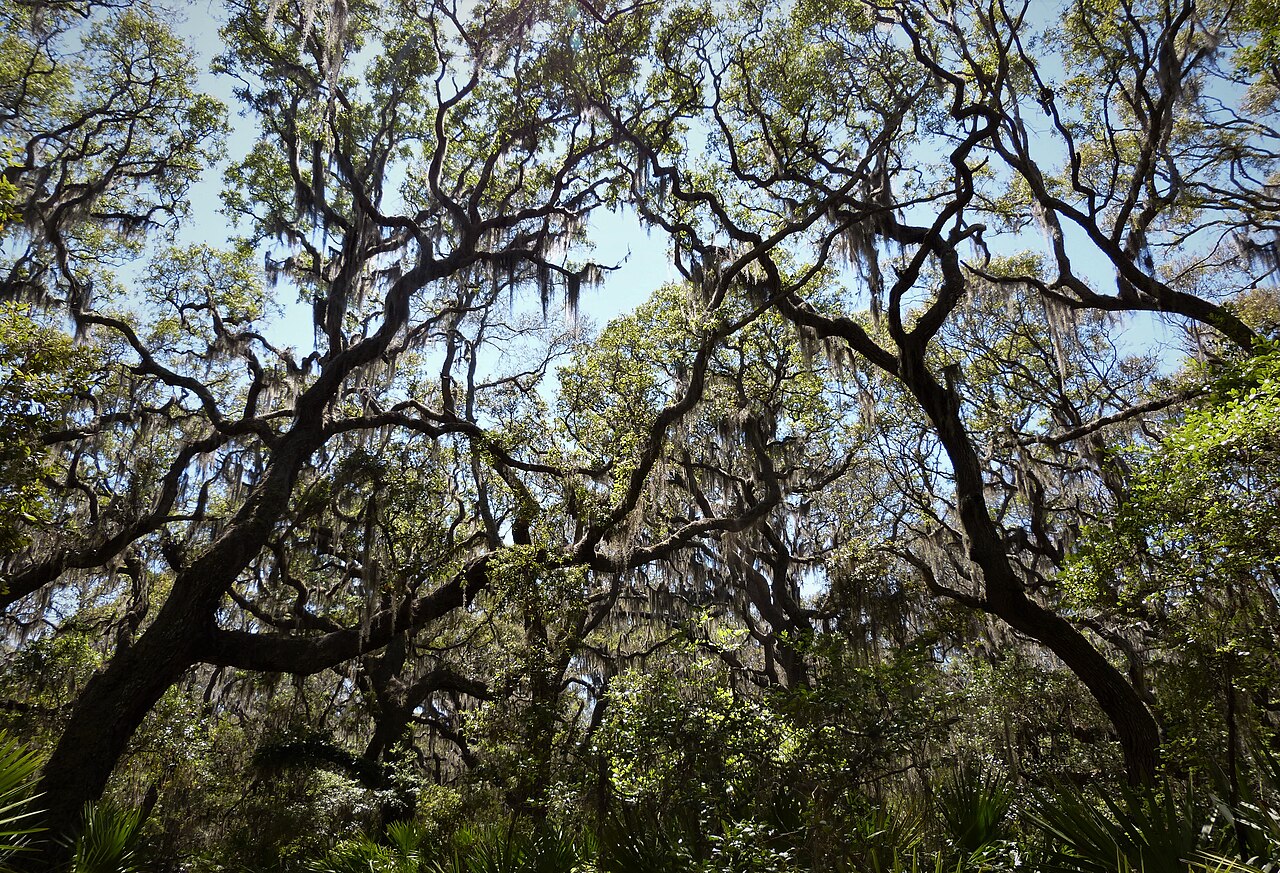 Illustrative · gailhampshire from Cradley, Malvern, U.K
Wild Horse Viewing
One of the classic ways to experience Cumberland Island.
Varies (estimate)
Partner link · Viator