
Crater Lake rewards both quick stops and slow exploration, with a dramatic volcanic basin, forested trails, and viewpoints that reveal different angles of the country's deepest lake. Most first-time visitors can build a satisfying one- or two-day trip around scenic overlooks and a few carefully chosen walks. Because snow and seasonal operations shape what is possible, check the official park website before committing to a drive, hike, or boat outing.
See the Lake From the Rim
Start with a lake overlook near Rim Village to get your bearings and take in the scale of the caldera. Wizard Island, a volcanic cinder cone rising from the water, is one of the park's most recognizable features. Different viewpoints reveal different shorelines, so a second or third stop usually adds more than another photo from the same railing.
When fully open, Rim Drive circles the lake over roughly 33 miles. Allow several hours if you want to stop, walk, and enjoy the views rather than simply complete the road. Use designated pullouts, watch for cyclists, and check current closures before setting out. The loop is seasonal, not a year-round driving option.
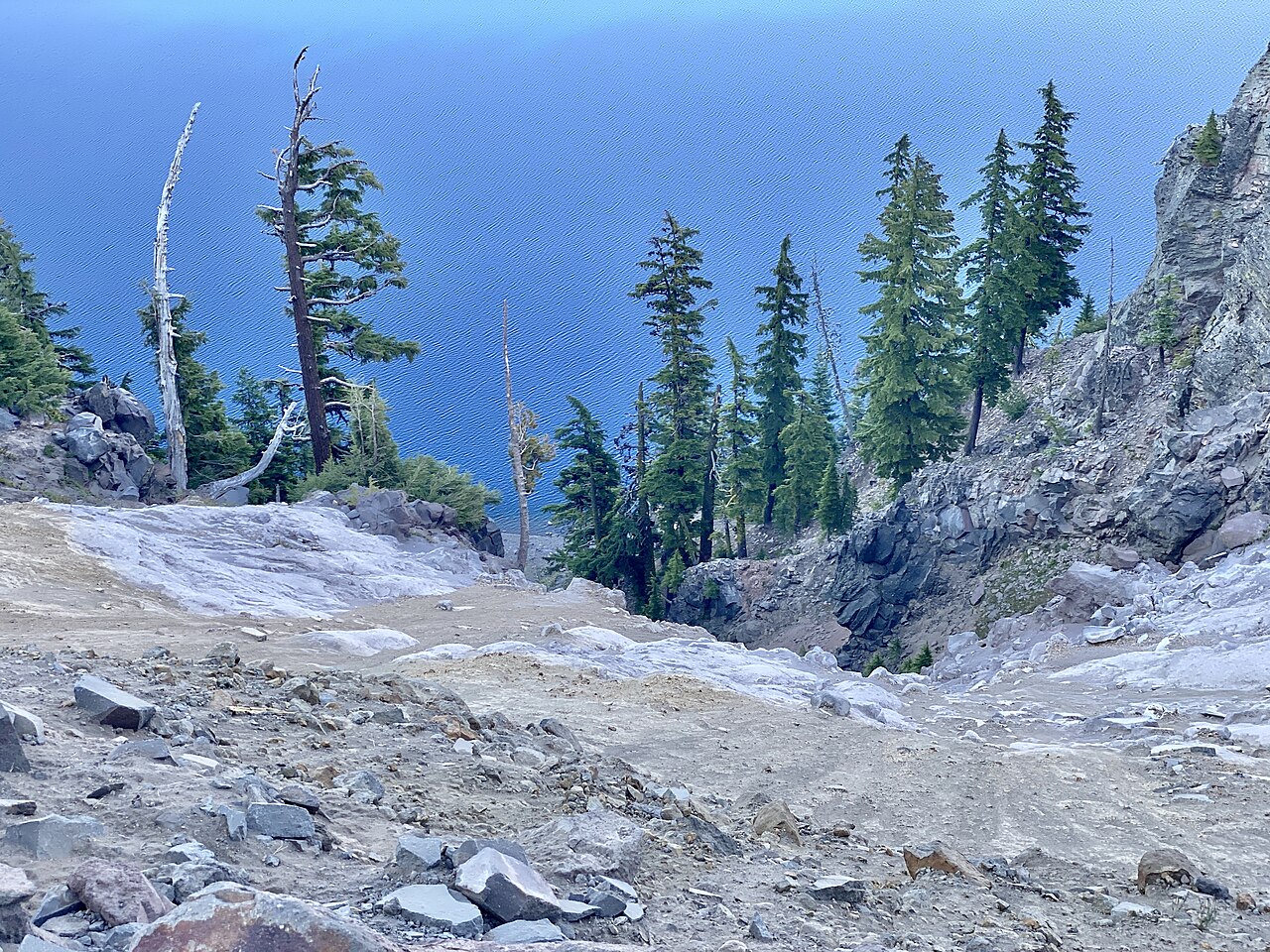
Choose a Hike That Fits Your Day
For a relatively short walk with expansive lake views, consider Discovery Point Trail from the Rim Village area when conditions allow. Watchman Peak offers a steeper climb to a high viewpoint, while Garfield Peak is a more demanding option with sustained uphill walking. These are not interchangeable outings: choose based on available time, elevation gain, and your group's comfort.
Snow can linger on trails after nearby pavement has cleared, and exposed sections can be windy. Read current trail reports and turn around if conditions exceed your preparation. Carry water, sun protection, layers, and a map rather than relying entirely on cell service. Staying on designated trails helps protect fragile plants and keeps your route away from unstable slopes.
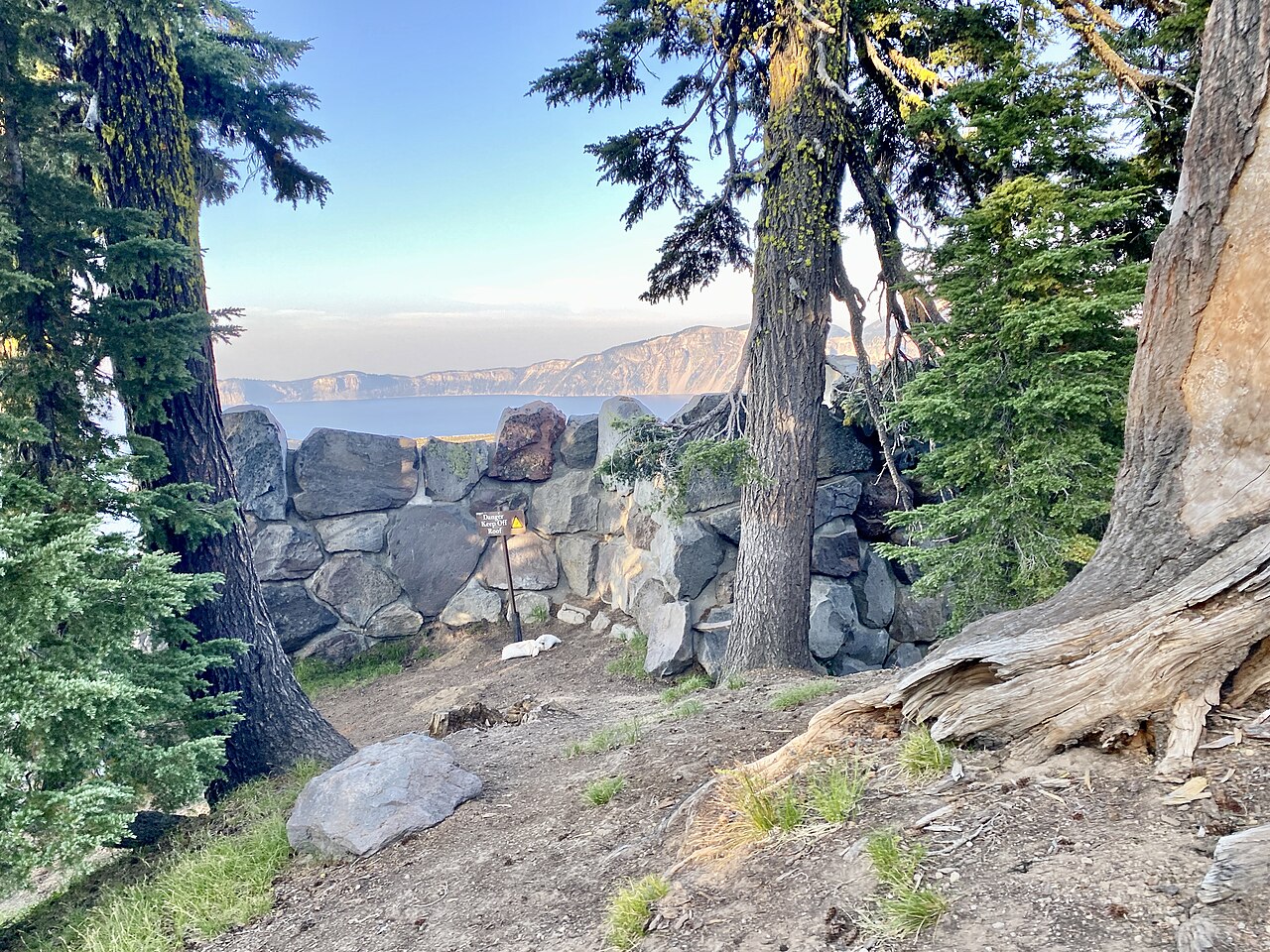
Experience the Water and Watch for Wildlife
Cleetwood Cove Trail is the park's designated route down to the lakeshore, but access depends on seasonal conditions and any closures. The descent is steep, and the uphill return requires considerably more effort than the walk down. Check the official park website before planning your day around it, especially if lake access or a boat tour is your main goal.
When offered, boat tours provide a different perspective on the caldera; availability, reservations, and access requirements should be verified through official park links. The lake stays cold, so do not treat it like a warm swimming beach. Around roads, meadows, and forests, watch for deer and birds from a distance. Never feed wildlife or stop in a traffic lane.
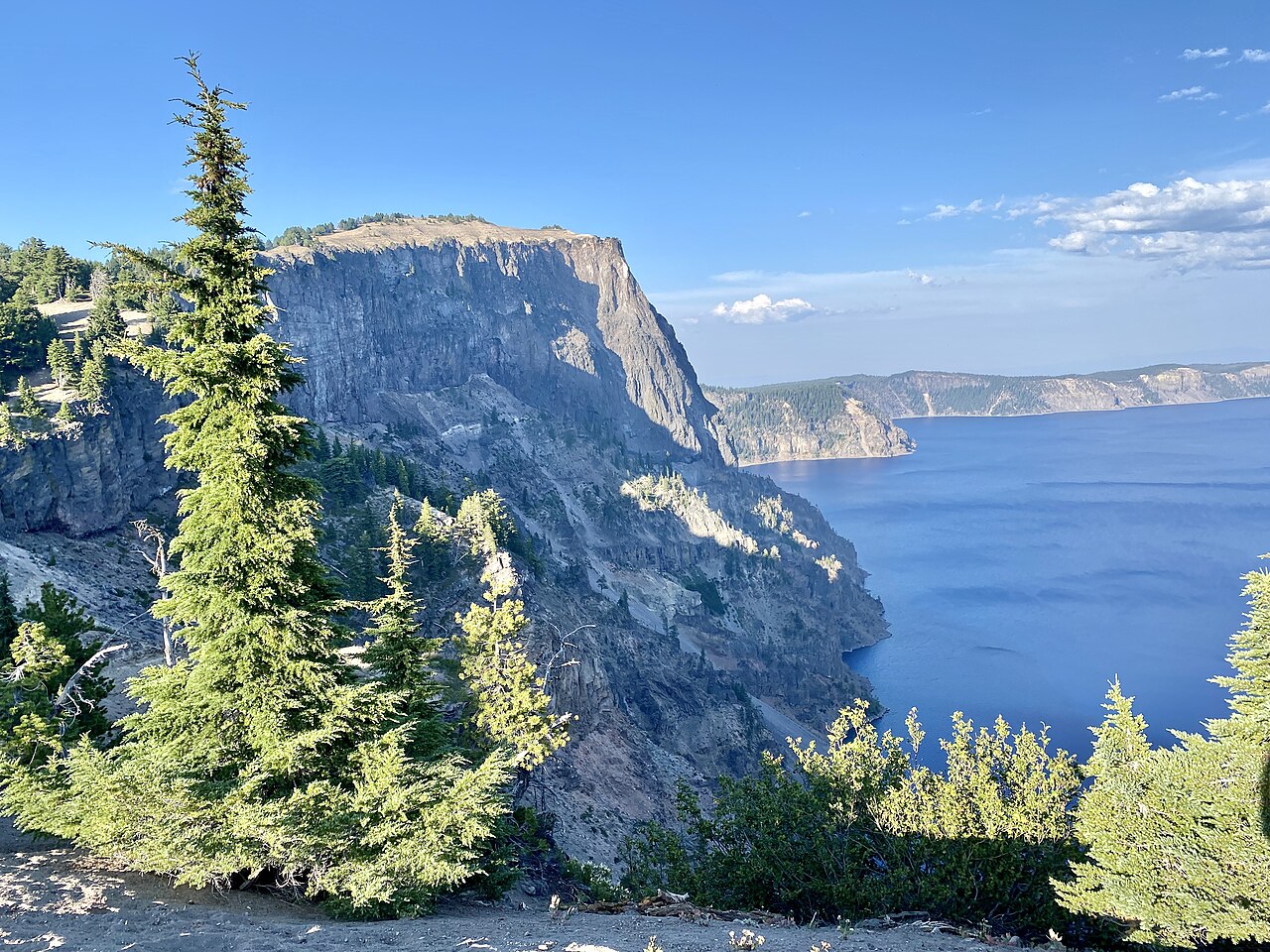
Plan a Family-Friendly Visit
With children, a few well-spaced stops often work better than a full day of driving from overlook to overlook. Begin with a short rim walk, add a picnic where permitted, and leave time for questions about how a volcano became a lake. Ask park staff about current Junior Ranger materials and age-appropriate activities.
Do not assume a short hike is an easy one: elevation, steep grades, and exposed edges can make modest distances demanding. Keep children close around overlooks, roads, and snowbanks, and check accessibility information for specific paths before arriving with a stroller. Pack snacks, drinking water, extra layers, and sun protection. A gateway-town dinner can be a simpler finish than relying on limited seasonal food service.
What to Do in Rain or Low Visibility
Clouds sometimes hide the lake completely, so rainy-day planning is mainly about flexibility rather than finding a long list of indoor attractions. If staffed facilities are open, ask about exhibits, educational materials, and current ranger offerings. These can add context about Mount Mazama's eruption and the landscape you came to see, even when the view disappears.
If conditions permit, a short forest walk may still be worthwhile, but avoid exposed hikes during thunderstorms and do not push onto icy or snow-covered trails. Give yourself another viewing window later in the day or the following morning. For persistent bad weather, shift time to your gateway town rather than driving the entire rim hoping each overlook will be different.