
Glamping near Crater Lake is best approached as a search for a comfortable outdoor base in Southern Oregon, not an expectation of a furnished tent overlooking the lake. Depending on current listings, you may find cabins, yurts, or equipped tents in the wider gateway region, with amenities that vary considerably. Choose your location around the drive to the park, then verify heating, bathrooms, bedding, and seasonal availability directly with the property before reserving.
What Glamping Looks Like Near Crater Lake
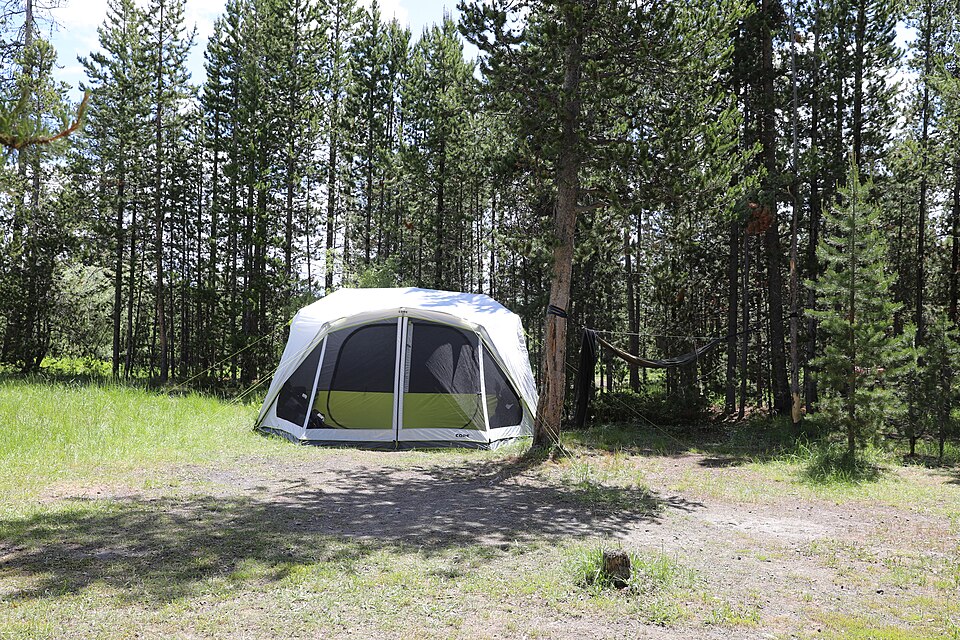
The word glamping can describe very different stays, from a simple furnished tent with shared facilities to a cabin with a private bathroom and kitchen. Search by the amenities you actually need rather than assuming the label guarantees comfort. A real bed does not necessarily mean provided linens, reliable heat, electricity, or an indoor bathroom.
Treat most glamping searches as a way to find lodging in the wider region, not on the crater rim. Ask about the walking distance to bathrooms, parking arrangements, food storage, and whether cooking equipment is included. Verify that photos show the exact unit you are booking. Review cancellation policies carefully, especially for stays vulnerable to smoke, cold weather, or seasonal access changes.
Where to Look: Prospect, Medford, and Klamath Falls
Prospect and the surrounding Upper Rogue area are useful places to search if you want a smaller-community base on the park's southwest side. Medford offers a broader service hub and convenient access to MFR, though staying there usually means more driving for park visits. Klamath Falls is another established gateway, particularly useful for travelers approaching from the south or east.
These towns are starting points for a regional search, not promises of a particular accommodation type. Map each actual property to the park entrance you expect to use, then check seasonal road access. A listing described as near Crater Lake may still involve a substantial drive. Also consider where you will buy groceries and eat after returning from the park.
Choose the Right Season and Book Early
July through September generally provides the most practical overlap between outdoor lodging and broader park access. Even then, nights can be cool, and accommodations at different elevations may have very different temperatures. Ask whether a tent or yurt has heat, whether it is appropriate for expected overnight conditions, and when the property's season begins and ends.
For fixed summer dates, start comparing options several months ahead rather than waiting until the last minute. Early summer and fall require closer attention to snow, freezing temperatures, and changing park services. Wildfire smoke can also affect summer or fall plans. Review refund terms and check the official NPS website for current conditions and park reservations before finalizing your stay.
Where to sleep
Harvest Hosts stays on the way to Crater Lake National Park
Partner link · Harvest Hosts
What to Pack for a Comfortable Stay
Bring warm sleep layers, a fleece or insulated jacket, a rain shell, and comfortable shoes suitable for your planned walks. A headlamp is useful for trips between a tent and shared bathrooms, even at a property with outdoor lighting. Pack sun protection, refillable water bottles, snacks, and offline maps for park days.
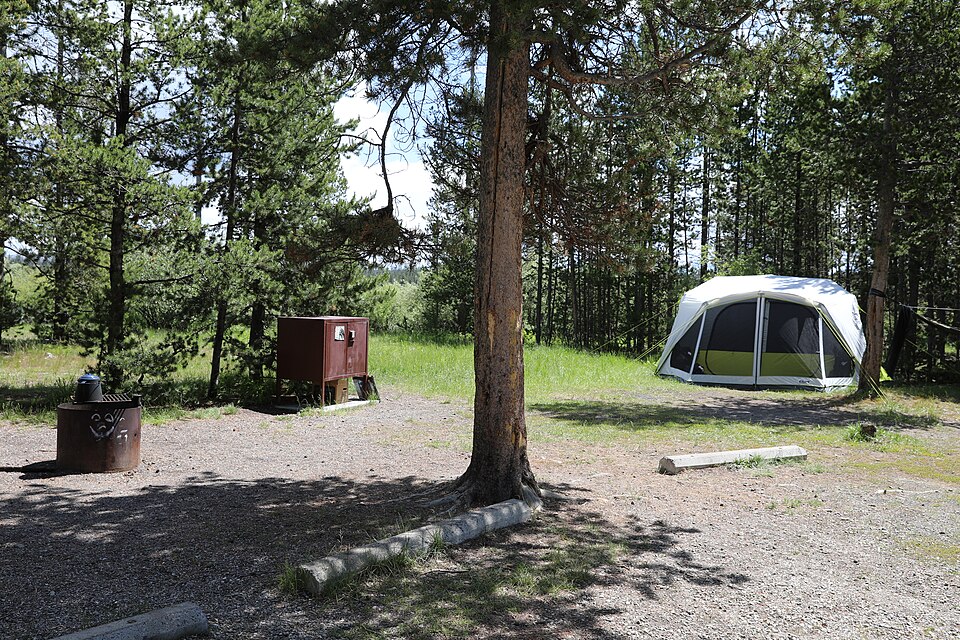
Before loading bedding or cooking gear, get a clear inventory from your host. Confirm towels, blankets, dishes, refrigeration, drinking water, outlets, and any heating system. If bathrooms are shared, shower sandals and a small toiletry bag can simplify the routine. Follow the property's food-storage rules and check current fire restrictions; a pictured fire pit does not mean fires will be permitted during your visit.
Glamping vs. Camping vs. an RV
Glamping works well when you want an outdoor setting without transporting a full tent setup, but compare the total cost and included amenities. As a rough budgeting guide, equipped accommodations often cost more than a basic campsite, while private bathrooms and kitchens can push rates higher. Seasonal demand and location matter, so there is no dependable single nightly figure.
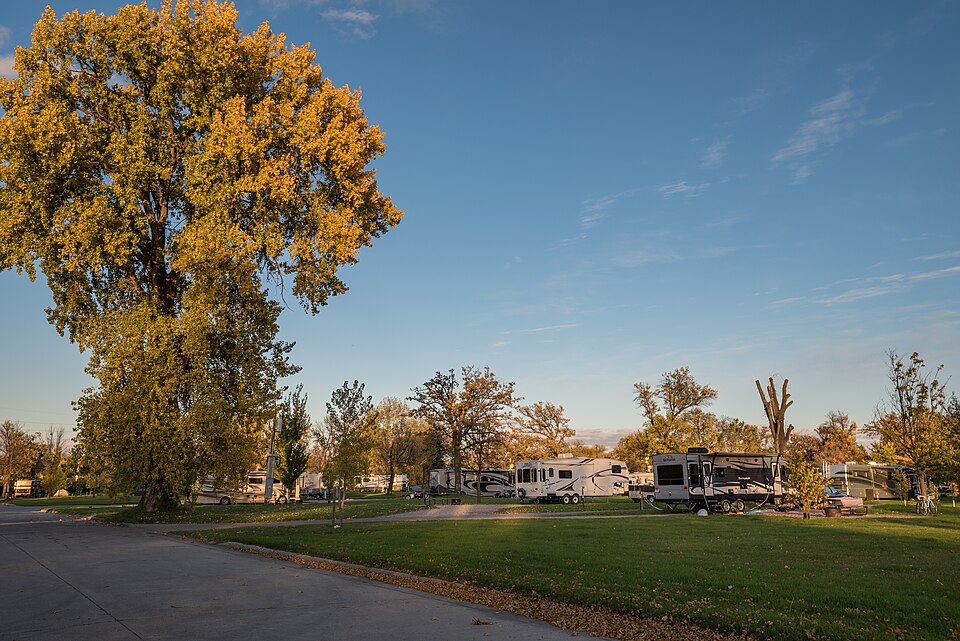
Traditional camping offers more control over your gear and may suit travelers who already own suitable equipment. An RV provides your own sleeping space and supplies, but requires suitable sites, parking, and attention to vehicle restrictions or advisories. For any option, verify reservations, cancellation terms, and current rules. Choose based on sleep comfort and daily driving, not just the accommodation's label.