
Glamping in the Conway area offers a unique bridge between the rugged wilderness of the White Mountains and the comforts of a boutique hotel. For those who want to wake up to the sound of the Saco River or the sight of the granite peaks without the hassle of pitching a tent, these elevated outdoor stays provide the perfect solution. The region features a variety of structures, from safari-style canvas tents to insulated yurts, all designed to immerse you in nature while providing a plush bed and often, a warm heater for those cool mountain nights.
The Glamping Experience in the Whites
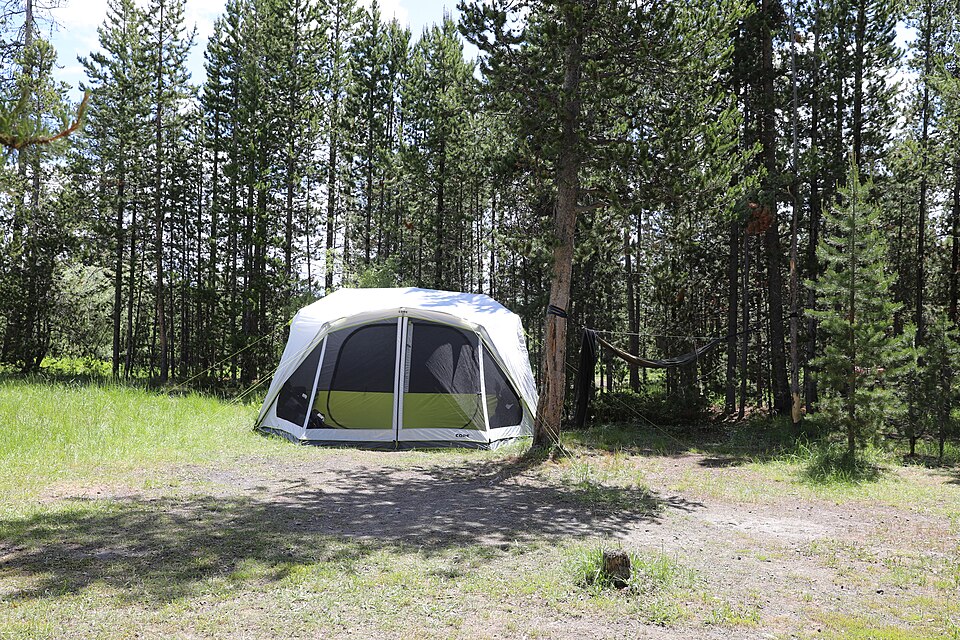
Glamping near Conway is defined by its proximity to the White Mountain National Forest. Unlike traditional camping, where you carry your own gear and sleep on the ground, glamping sites in this area typically feature platform-mounted tents with real mattresses, high-quality linens, and stylish furniture. Many locations focus on a 'back-to-nature' aesthetic, using reclaimed wood and local materials to blend in with the surrounding forest. You might find yourself in a secluded grove of birches or perched on a hillside with a view of the Moat Mountain Range.
These sites often include communal areas with high-end fire pits, shared outdoor kitchens, and sometimes even hot tubs or saunas. Itâs an ideal choice for travelers who want the campfire experienceâs'mores under the stars and coffee in the crisp morning airâwithout sacrificing a good night's sleep. While you are still outdoors and subject to the elements, the added layer of comfort makes the unpredictable New England weather much easier to navigate. It is a social way to stay, often bringing together a community of outdoor enthusiasts in a relaxed, beautifully curated environment.
Where to Find Glamping Sites
While you won't find large-scale glamping resorts inside the National Forest itself, the gateway areas surrounding Conway are home to several premier destinations. The town of Albany, located just west of Conway, offers riverside sites that feel deeply remote despite being minutes from the Kancamagus Highway. Here, you can find luxury tents tucked along the banks of the Swift River. To the north, the area around Jackson and North Conway features upscale cabin-style glamping and yurts that are often situated on large private estates or at the edge of working farms.
These locations are strategically placed to offer easy access to the regionâs best hiking trails and scenic drives. Staying in these gateway areas allows you to enjoy the silence of the woods at night while remaining close enough to Conway for dinner or a morning supply run. Each site typically offers a different vibe, ranging from ultra-modern and minimalist to rustic and cozy. When choosing a location, consider how close you want to be to the main road versus how deep into the woods you prefer to be, as some sites require a short walk from the parking area to reach your tent.
Seasonal Glamping: When to Go
The primary glamping season in the Conway area runs from late May through October. Most canvas-walled tents are not designed for the harsh New Hampshire winters and are typically taken down or closed once the first heavy snows arrive in November. However, for those interested in 'hard-sided' glamping, such as yurts or luxury tiny cabins, some sites remain open year-round. These winterized options often feature wood-burning stoves or propane heaters, offering a cozy sanctuary after a day of snowshoeing or skiing.
Early summer is a beautiful time to visit, as the forest is vibrant and the rivers are high, though you should be prepared for insects. The peak of the glamping season is undoubtedly autumn. There is nothing quite like watching the leaves change color from the porch of a luxury tent. Because demand is so high during the foliage season, it is vital to book your glamping site several months in advance. The cooler nights of September and October are perfect for the heavy blankets and fire pits that characterize the glamping lifestyle. Always check with your specific host about their operating dates, as they can change based on the yearly weather patterns.
Glamping vs. Camping vs. RVing
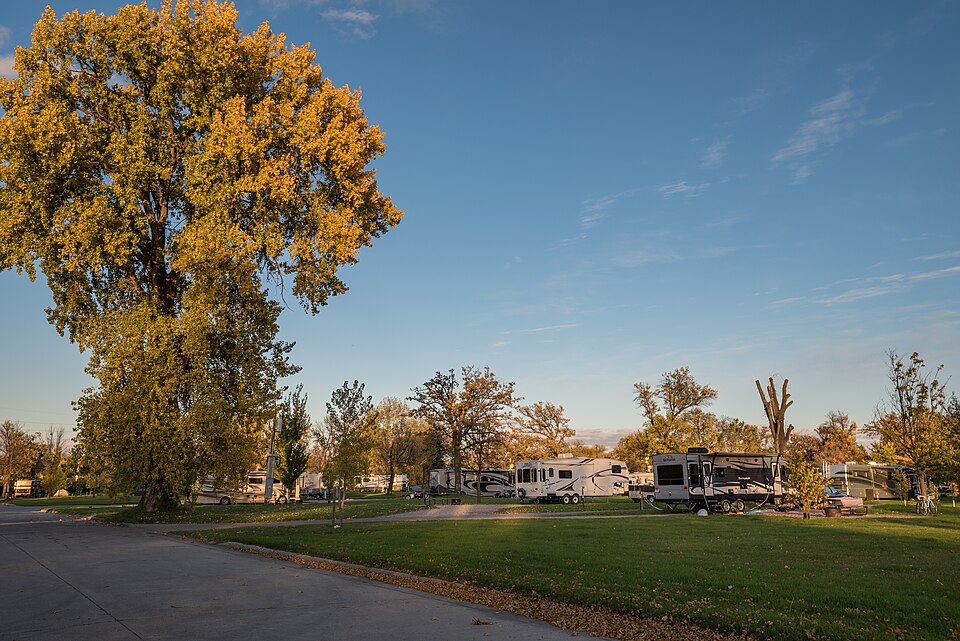
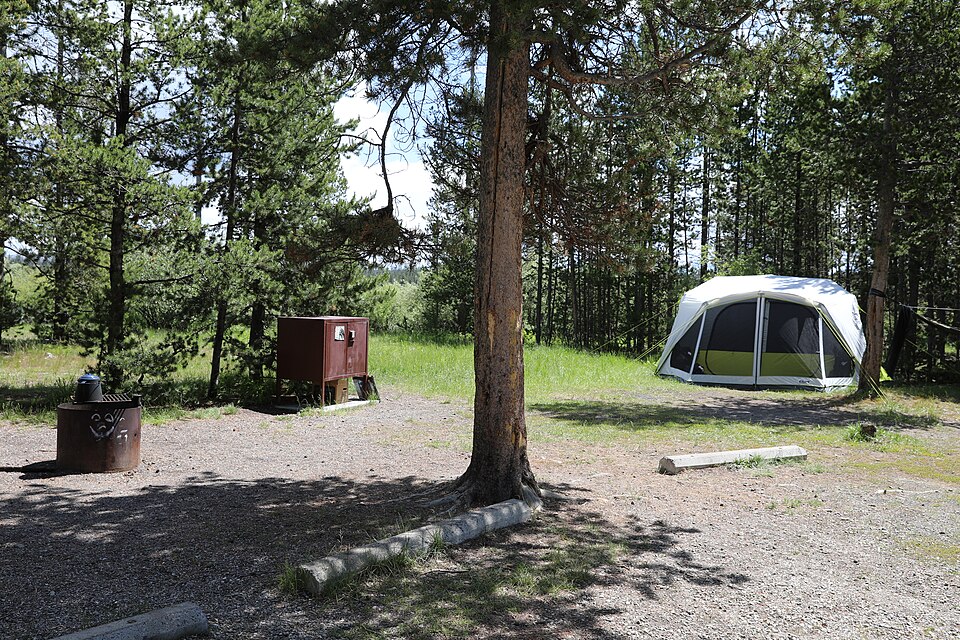
Choosing between glamping, traditional camping, and RVing depends on the level of immersion and convenience you desire. Traditional camping in the White Mountain National Forest is the most affordable and rugged option, requiring you to provide all your own equipment and often deal with more primitive facilities. RVing offers great mobility and all the amenities of home, but you are limited to designated campgrounds with appropriate hookups, and navigating the winding mountain roads in a large vehicle can be challenging for some.
Glamping sits in the middle, offering the atmosphere of a campsite with the luxury of a hotel. You don't need to own or pack expensive gear like tents, sleeping bags, or cooking stoves, which is a major advantage for those flying into Portland International Jetport. Itâs a 'plug-and-play' outdoor experience. While glamping is generally more expensive than a standard campsite, the cost reflects the provided amenities and the unique, often artistically designed accommodations. For many, the ability to enjoy the wilderness without the physical toll of traditional camping makes glamping the perfect way to experience the White Mountains.
Preparing for Your Stay
Even though you are staying in luxury, you are still in the mountains, and preparation is key. Pack in layers, as temperatures can drop significantly once the sun goes down, even in mid-summer. While many glamping sites provide basic toiletries, you should bring sturdy footwear for walking around the site and a good headlamp for navigating to the restroom or communal areas at night. Most glamping hosts in the Conway area follow 'Leave No Trace' principles and have strict rules about food storage to prevent attracting local wildlife, including black bears.
It is also wise to check the specific amenities offered by your site. Some provide full electricity and Wi-Fi, while others are 'off-grid' to encourage a true digital detox. If you plan to cook, verify if there is a private grill or if you will be using a shared kitchen. Finally, always consult the official National Park Service or US Forest Service websites for the latest information on fire permits and local conditions. By understanding the specific setup of your glamping destination, you can ensure a comfortable and memorable stay in the heart of New Hampshire's most iconic mountain landscape.