
Conway serves as the quintessential gateway to New Hampshire's White Mountain National Forest, offering a distinct experience in every season. While the high peaks are accessible year-round, the transition from the vibrant greens of summer to the fiery hues of autumn defines the region's character. Choosing your travel window depends on whether you seek the solitude of snow-dusted trails or the bustling energy of the historic downtown during the height of the harvest festivals. Visitors should prepare for the dramatic shifts in New England weather, which can turn from sunshine to mountain storms quite rapidly.
Summer Highs and Mountain Breezes
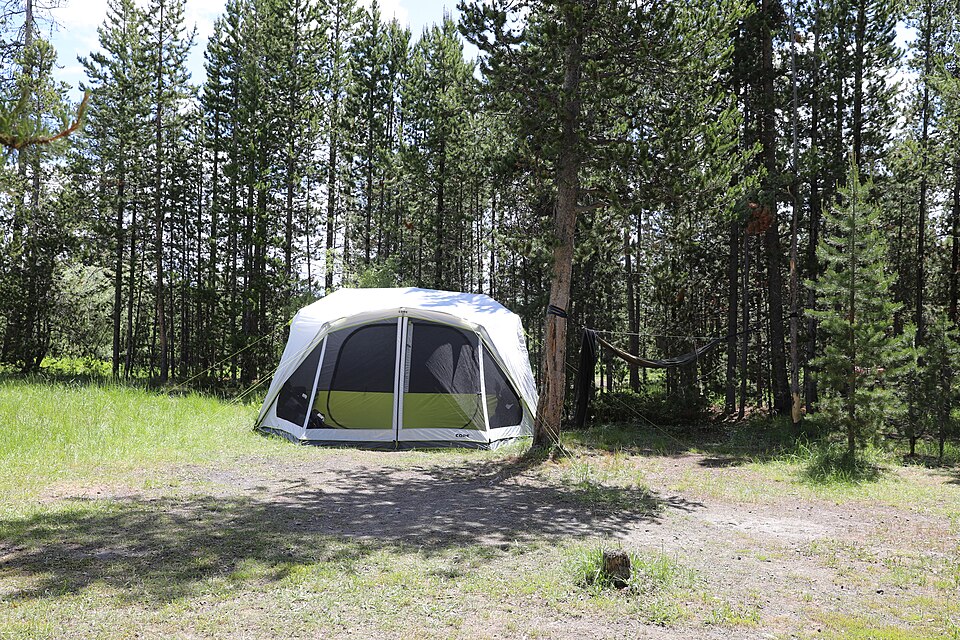
June through August represents one of the most popular periods to explore the area. The weather is typically warm and pleasant, with daytime temperatures hovering in the 70s and 80s, making it ideal for swimming in the Saco River or hiking to the granite summits of the nearby Presidential Range. This is the peak season for families, and you can expect the local trails and attractions to be lively.
Summer also brings the longest days of the year, providing ample light for late-afternoon treks or scenic drives along the Kancamagus Highway. However, this popularity means that lodging in the Conway and North Conway areas fills up months in advance. The humidity can occasionally rise, leading to afternoon thunderstorms that roll through the notches, so checking the National Park Service or local weather alerts daily is essential for those planning high-altitude adventures. The lush canopy provides plenty of shade for those exploring the lower valley floors during the midday heat.
Fall Foliage and The Harvest Rush
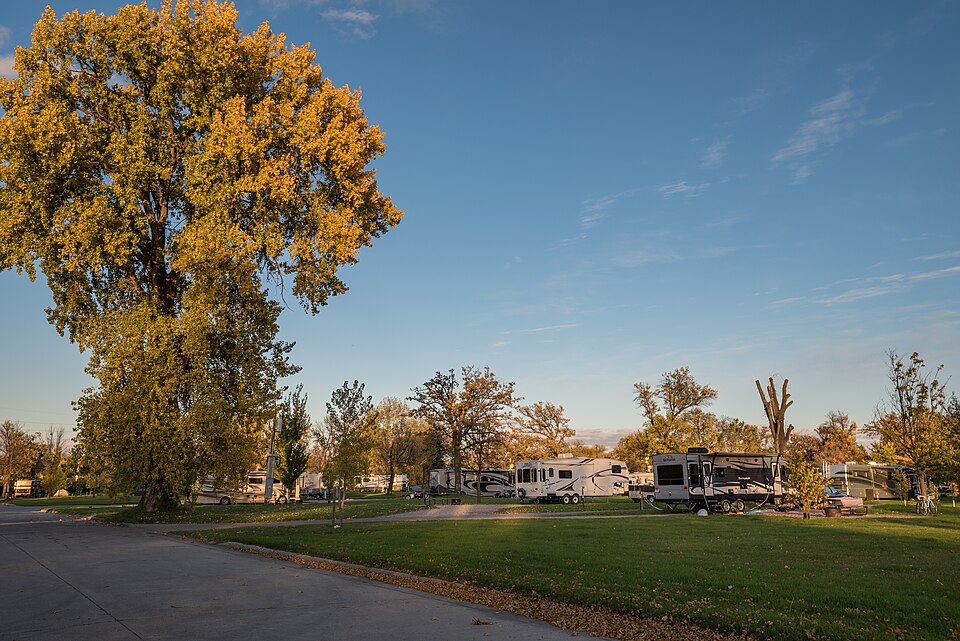
Many travelers consider September and October the absolute best time to visit Conway. The region is world-renowned for its autumn colors, where the maples, oaks, and birches transform into a sea of red, orange, and gold. Peak foliage typically occurs in early to mid-October, though the exact timing varies based on elevation and temperature. During this window, the air turns crisp and dry, creating the most comfortable hiking conditions of the year.
Because this is the busiest season for the White Mountains, traffic on the main scenic routes can be significant. It is highly recommended to secure your accommodations at least six months ahead of time if you plan to stay during the Indigenous Peoples' Day weekend. The local farm stands are in full swing, offering seasonal treats like apple cider and pumpkins. While days are bright and clear, nighttime temperatures can drop below freezing, so packing layers is vital for anyone planning to enjoy evening campfires or sunset photography sessions.
Winter Sports and Snowy Landscapes
From December through March, the landscape around Conway transforms into a winter wonderland. This season attracts skiers, snowboarders, and snowshoe enthusiasts who flock to the nearby alpine resorts and cross-country centers. The town itself feels like a postcard, often draped in a thick blanket of snow. Temperatures frequently stay below freezing, and the wind chill at higher elevations can be extreme, requiring specialized gear for any outdoor excursions.
Winter is a unique time to experience the quiet beauty of the forest, though many higher-elevation hiking trails become technical ice climbs requiring crampons or spikes. For those who prefer a slower pace, the historic scenic railroads often run winter-themed excursions through the snow-covered valleys. While the crowds are smaller than in the summer or fall, weekends during school vacation weeks in February can still be quite busy. Always verify road conditions before travel, as mountain passes like Crawford Notch may experience temporary closures during heavy snow events to allow for plowing and safety maintenance.
Lock in a stay for this season
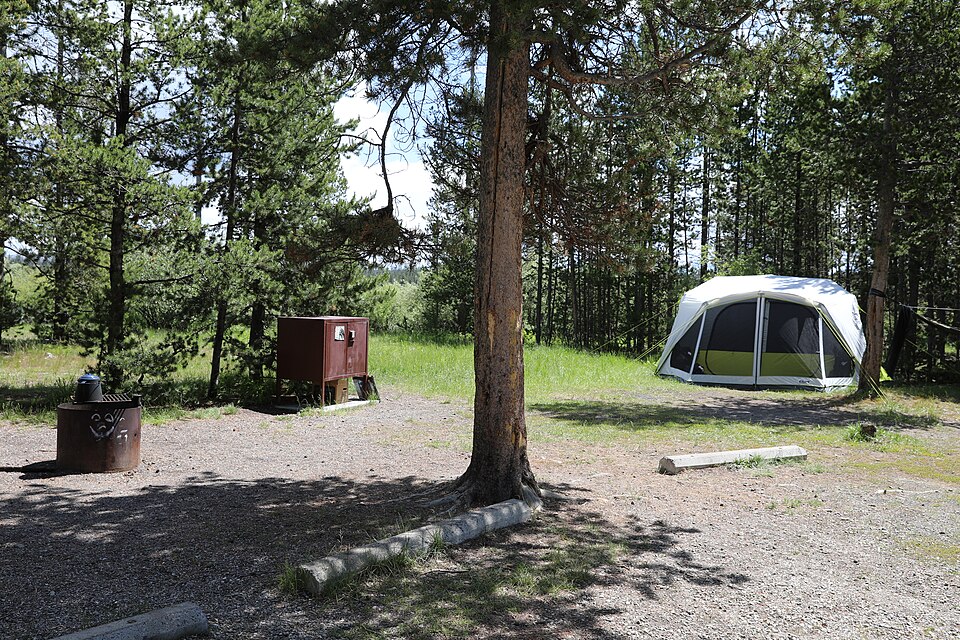
Harvest Hosts stays on the way to Conway
Partner link · Harvest Hosts
The Quiet Beauty of Spring
April and May are often referred to as 'mud season' by locals. As the snow melts and the ground thaws, the trails can become quite wet and fragile. Many high-elevation hiking routes are discouraged during this time to prevent erosion and damage to alpine vegetation. However, spring offers its own rewards, particularly for those interested in waterfalls. The melting snowpack fuels the regionâs cascades, making this the best time to view spectacular water displays at sites like Diana's Baths or Glen Ellis Falls.
By late May, the valley begins to green up, and the first wildflowers emerge. This is an excellent time for those seeking lower prices and a more solitary experience, as the summer crowds have yet to arrive. Be prepared for black fly season, which typically peaks in late May or early June. If you plan to hike, stick to lower elevations or paved paths until the higher trails dry out. It is a season of rebirth, where the sounds of rushing water and returning songbirds dominate the quiet forest atmosphere.
Managing Reservations and Logistics
Regardless of when you visit, timing your logistics is key to a stress-free trip. For the peak summer and fall seasons, restaurant reservations and activity tickets should be managed well in advance. The White Mountain National Forest requires parking passes at many trailheads; these can often be purchased on-site via self-service kiosks or at local ranger stations. If you are looking for a more peaceful experience, consider visiting mid-week during the shoulder months of June or September.
Always check the official National Park Service website or the US Forest Service site for current trail closures, fire restrictions, and weather advisories. The weather in the White Mountains is notoriously unpredictable; even in the height of summer, a clear morning can turn into a cold, rainy afternoon. By planning for the specific nuances of each season, you ensure a safe and memorable experience in one of New England's most iconic mountain destinations. Keep in mind that some seasonal attractions and visitor centers may have limited hours outside of the primary summer and autumn windows.
More ways to book Conway
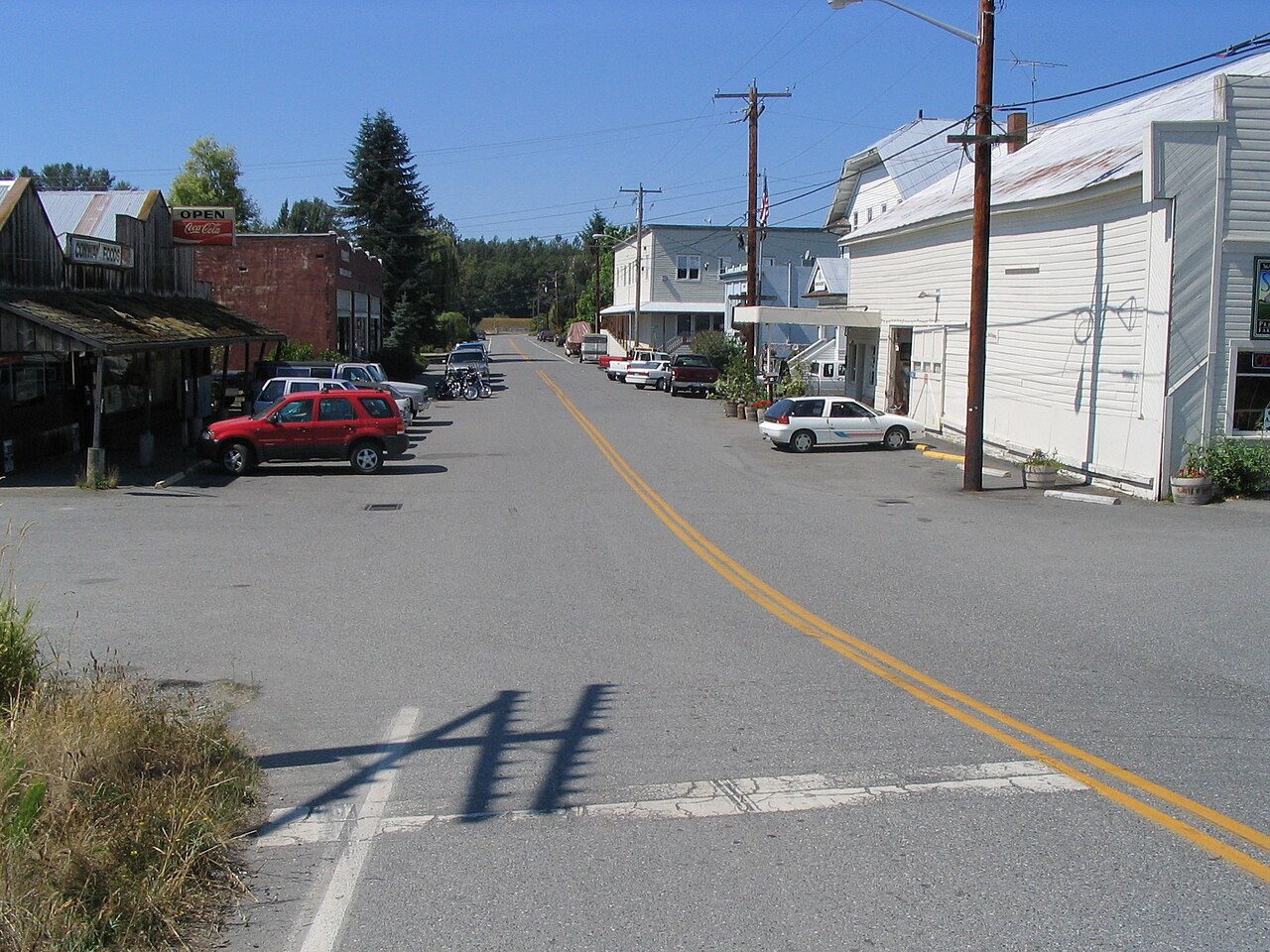 Illustrative · Publichall at English Wikipedia
Conway Scenic Railroad
One of the classic ways to experience Conway.
Varies (estimate)
Partner link · Viator