Congaree rewards visitors who slow down: its biggest attractions are towering trees, quiet waterways, and the small movements of wildlife in an old-growth bottomland forest. Start with the Boardwalk Loop, then add a longer walk or a carefully planned paddle if conditions allow. Most travelers can enjoy the park in one or two days, with Columbia providing a convenient base and an indoor alternative when storms or flooding change the plan.
Start with the Boardwalk Loop
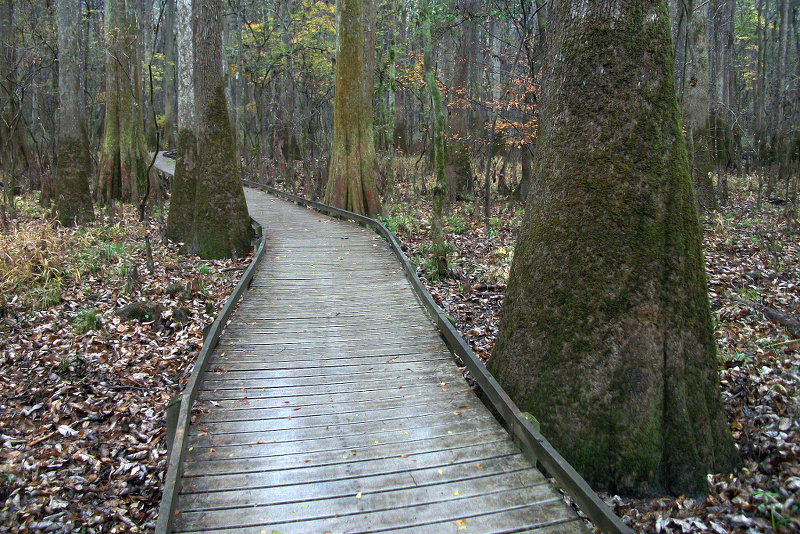
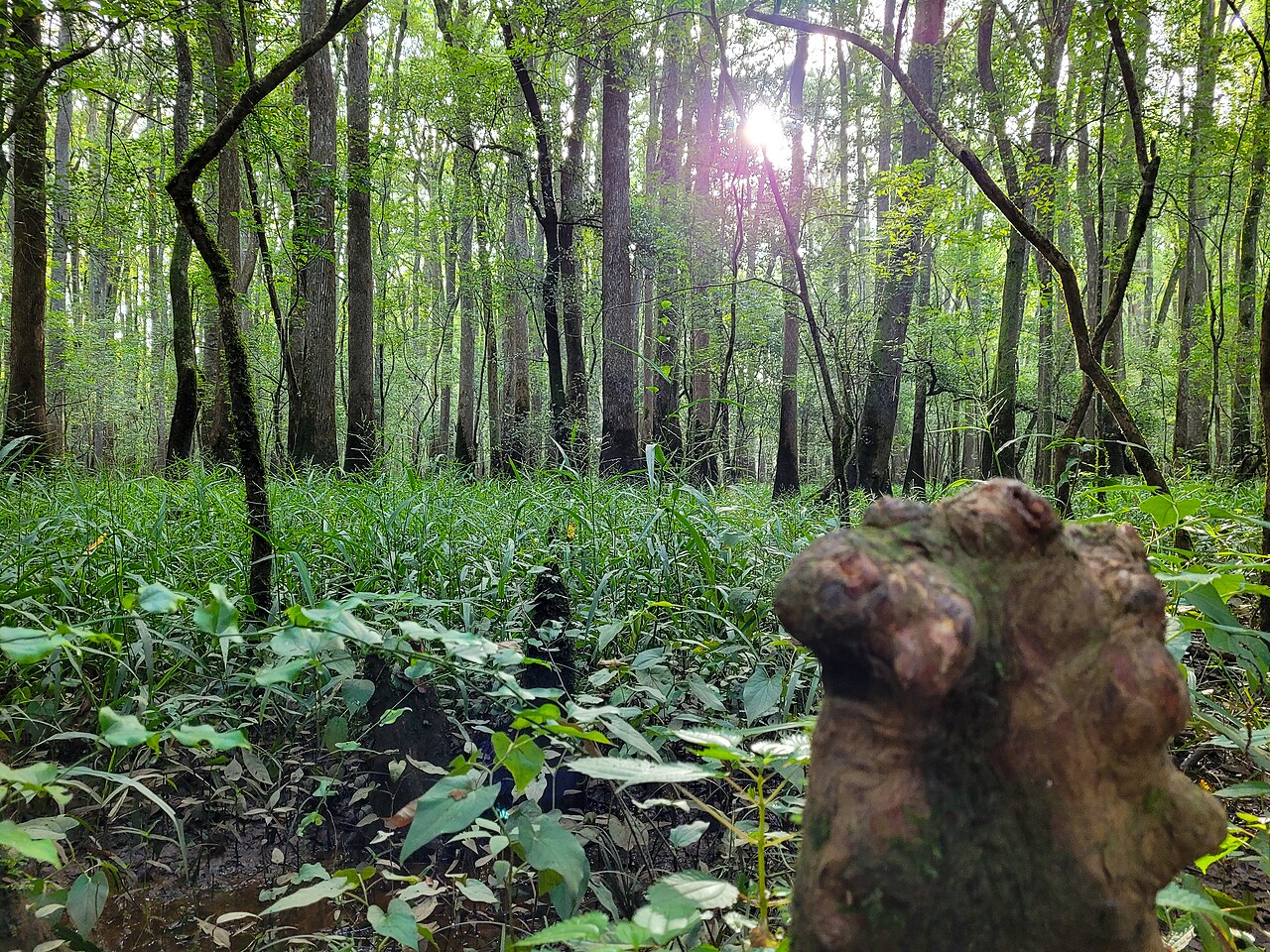
The roughly 2.4-mile Boardwalk Loop is the natural introduction to Congaree. Beginning near the Harry Hampton Visitor Center, it leads through the forest past large trees, wetland scenery, and bald cypress knees. Rather than treating it as a distance to finish, pause frequently to study the forest floor and look up into the canopy.
Allow extra time for photographs and interpretation along the route. Boardwalk surfaces can be wet, and sections may close during flooding or maintenance. Check current access before setting out. Visitors with strollers or mobility needs should confirm the status and suitability of individual sections with park staff rather than assuming the entire loop will be available.
Add a Forest Hike, Not a Scenic-Drive Checklist
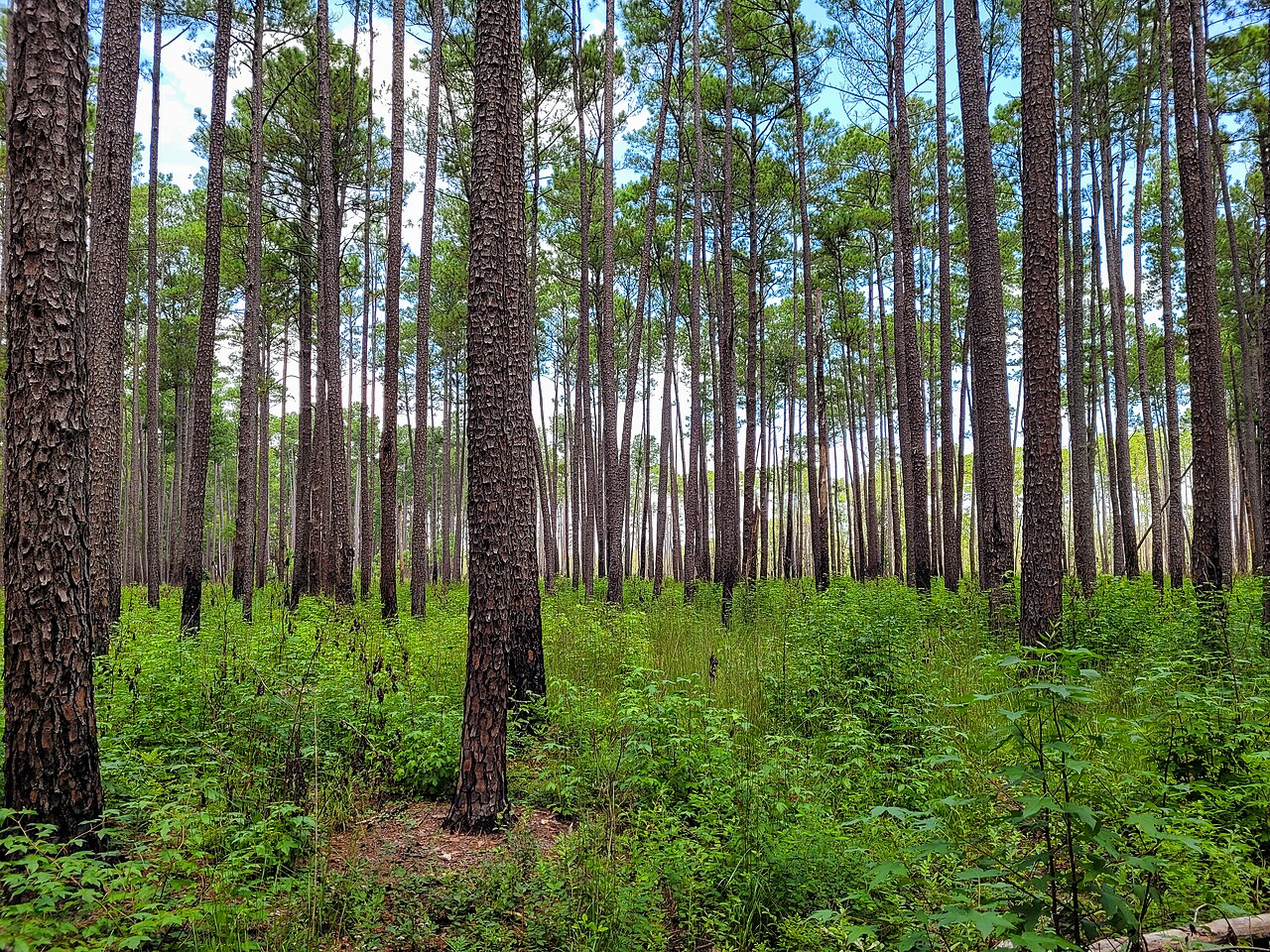
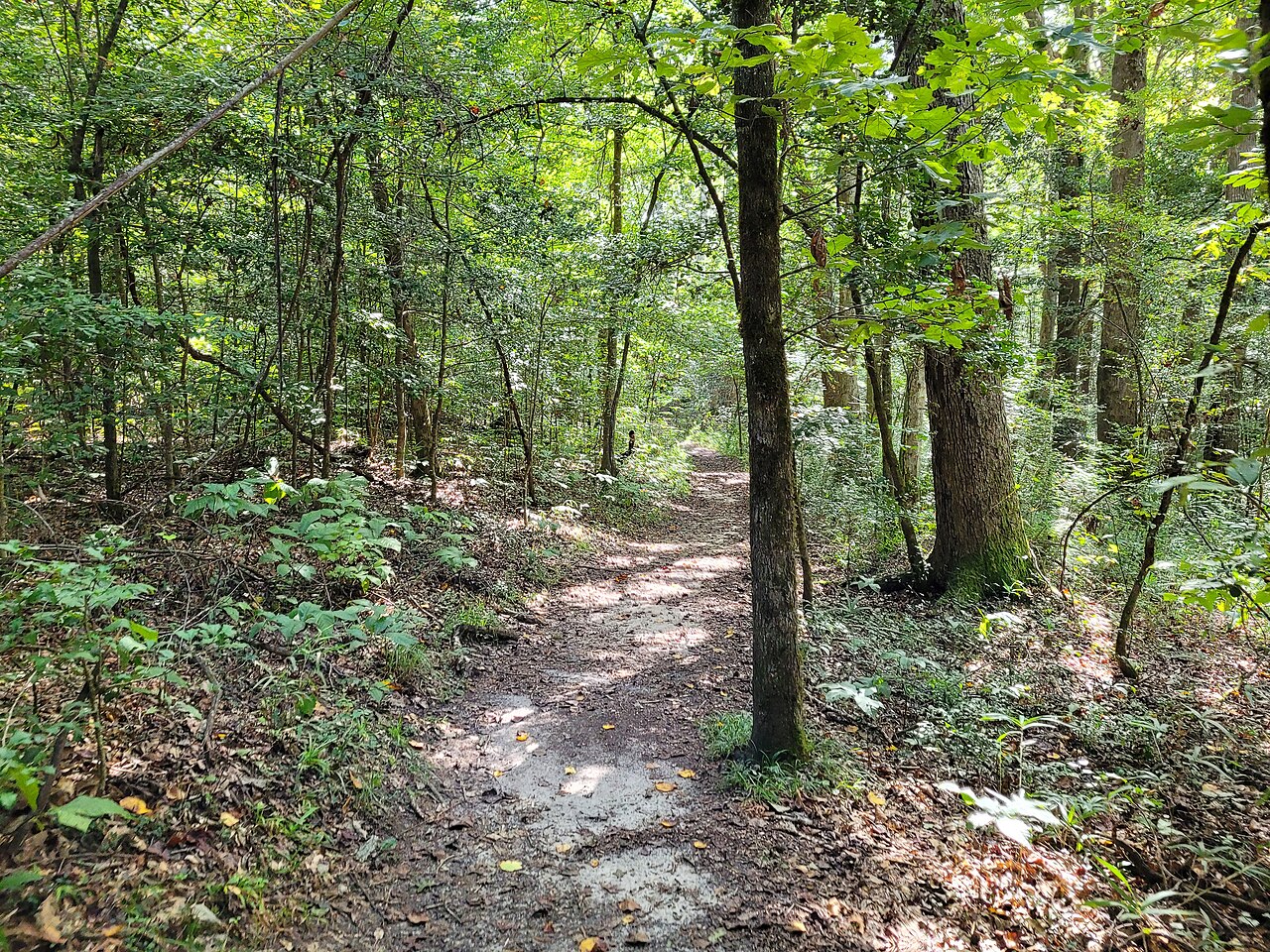
If the boardwalk leaves you wanting more, consider an open route such as the Weston Lake Trail or another marked forest trail that matches your time and experience. Longer paths bring you farther into the floodplain, but muddy ground, downed trees, and high water can make distances feel more demanding than they look on a map.
Congaree is primarily a walking and paddling destination, not a park with a long network of scenic driving roads. Use your car to reach trailheads and access points rather than expecting overlooks at every turn. Download or carry the official trail map, check closures, and choose your turnaround time before leaving the developed visitor area.
Paddle Cedar Creek and Watch for Wildlife
Cedar Creek offers a water-level perspective on Congaree's forest. A canoe or kayak outing can reveal reflections, overhanging branches, and quiet stretches that feel different from the boardwalk. Water levels, current, access, and fallen trees all affect a trip, so check official conditions and choose an outing suited to your paddling experience.
If you need equipment or instruction, research established outfitters serving the Columbia area and confirm their meeting location and cancellation policy. Wear a properly fitted life jacket and do not assume park staff provide rentals. On land or water, look for birds and turtles without crowding them. Binoculars make wildlife watching more rewarding while helping you keep your distance.
Make It a Kid-Friendly Forest Adventure
For families, a short, unhurried walk often works better than a packed activity list. Turn the boardwalk into a search for tree textures, cypress knees, bird calls, and reflections. Let children choose a few things to observe closely instead of setting a goal to see every trail or spot a particular animal.
Ask at the visitor center about current Junior Ranger materials and ranger-led activities. Bring snacks, water, insect repellent, and spare clothing for damp or muddy moments. Check restroom locations before starting, and make the turnaround flexible. Children should stay close on boardwalks and near water; a shorter outing with energy left over is a worthwhile visit.
Keep a Rainy-Day Backup in Columbia
Light rain can make the forest atmospheric, but thunderstorms and flooding call for a different plan. Begin by checking the NPS alerts page rather than assuming that an elevated boardwalk remains open. Never enter a closed section or drive through floodwater to reach an access point. Visitor center exhibits can provide context when the building is open, though they are not a full-day substitute for trail time.
For a longer indoor break, head toward Columbia, where established options include the South Carolina State Museum and other museums and cultural attractions. Verify their current hours and admission details directly. Keep your park visit flexible enough to return when weather and access improve.