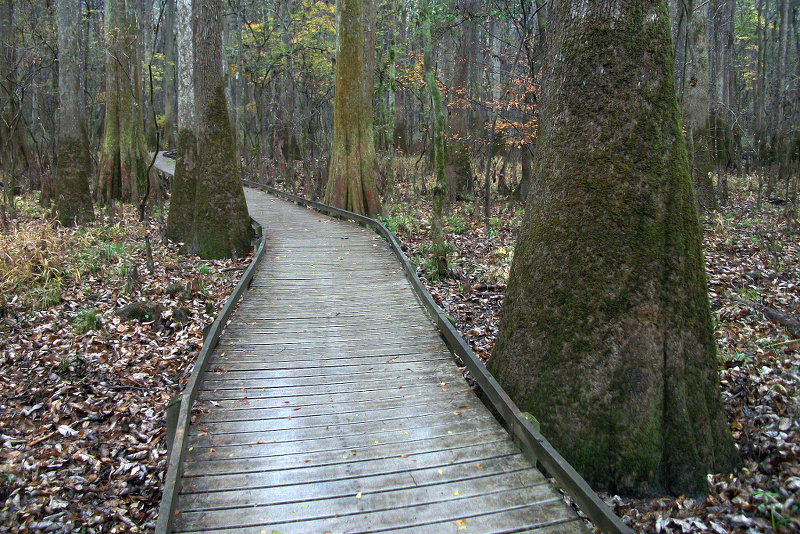
Congaree glamping generally means finding a privately operated outdoor-style stay outside the park, rather than booking a furnished tent inside the national park itself. Use Columbia, Hopkins, and Gadsden as search areas for cabins, furnished tents, or other distinctive rentals, then verify what is actually available for your dates. The right choice depends less on the label and more on reliable weather protection, bathroom arrangements, temperature control, and the drive to your planned park entrance.
What Glamping Looks Like Near Congaree
Treat glamping as a description to investigate, not a standardized lodging category. A listing might mean a furnished canvas tent with shared facilities, a small cabin, or a more elaborate rental with a private bathroom. Availability changes, and not every property marketed for the Columbia region is close enough for an easy park morning.
Congaree's park camping is not a furnished glamping experience. If comfort is your priority, look outside park boundaries and confirm bedding, electricity, heating or cooling, bathroom access, and cooking arrangements directly with the host. Ask whether paths between the parking area and lodging become muddy in rain. Recent photographs and clear written amenity details are more useful than a broad luxury label.
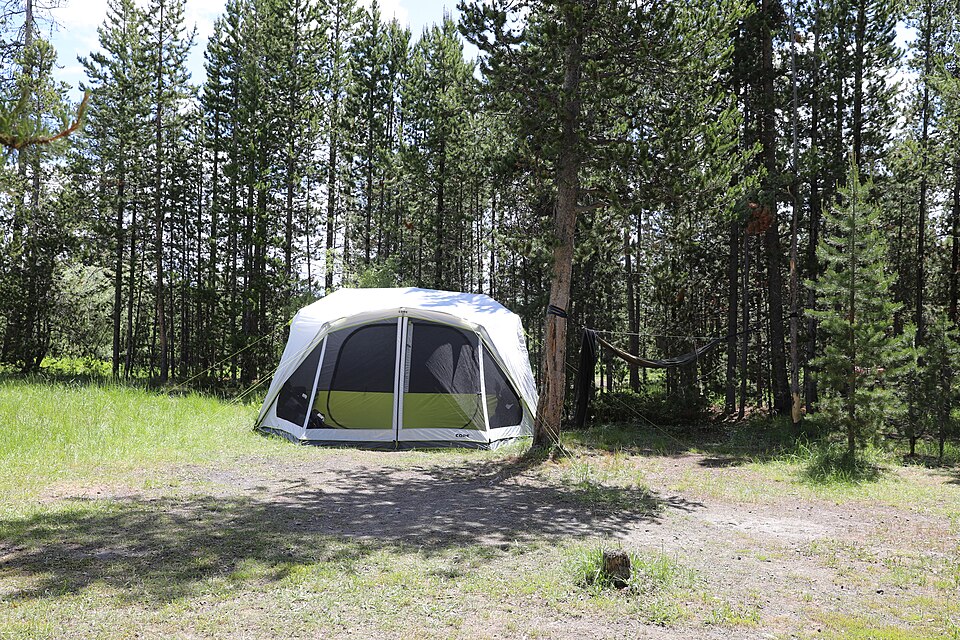
Where to Search: Columbia, Hopkins, and Gadsden
Columbia is a practical search base if you want restaurants, grocery stores, and indoor alternatives within reach. Outdoor-style rentals in the wider area may involve a longer drive than a conventional city hotel, so map the exact address before booking. Measure the trip to the park access point you expect to use, not simply to a label on a regional map.
Hopkins and Gadsden are useful search terms for rural stays near the park area, but they do not guarantee an inventory of glamping properties. Confirm availability and location rather than assuming each town has dedicated resorts. For secluded rentals, ask about road surfaces, parking, check-in instructions, and how far you will travel for meals and supplies.
Choose a Season That Fits the Shelter
March through May and October through November are generally the most appealing periods for a comfortable outdoor-oriented stay. Even then, nights can be cool and rain can alter both park access and the feel of a campsite. A cabin with dependable climate control may suit a wider range of weather than a canvas tent with minimal heating or ventilation.
Summer brings heat, humidity, insects, and thunderstorms, making screens and cooling especially important considerations. In winter, verify the actual heating arrangement rather than relying on a listing's year-round availability. Ask hosts about severe-weather procedures, cancellation terms, and access during heavy rain. Check official NPS conditions separately, since an available rental does not mean park trails are open.
Where to sleep
Harvest Hosts stays on the way to Congaree National Park
Partner link · Harvest Hosts
Pack for Damp Ground and Time Outdoors
Bring quick-drying clothing, a light insulating layer, rain protection, and footwear suited to damp trails. Insect repellent, sun protection, refillable water bottles, and a small daypack belong on the park list even when your accommodation provides bedding and towels. A headlamp is useful for moving between a sleeping area and shared facilities after dark.
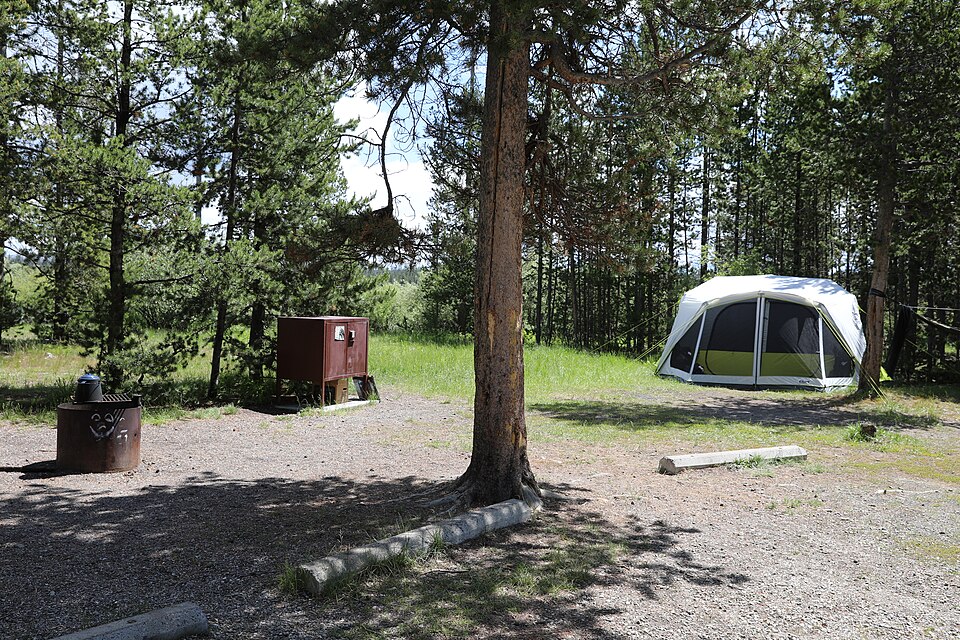
Check the host's inventory before packing cooking equipment or assuming you can prepare full meals. Ask about drinking water, refrigeration, utensils, towels, and phone charging. Download directions and the official park map before leaving town. Keep food and trash secured according to property rules, and confirm current fire restrictions before planning any campfire; a pictured fire pit is not permission to use it.
Glamping vs. Tent Camping vs. an RV Stay
Choose glamping when you want an outdoor setting without bringing a full sleeping setup, while checking how much comfort the property actually provides. Traditional tent camping generally requires more equipment and hands-on preparation. Congaree has designated tent campgrounds with differing access arrangements; check the official NPS site for current facilities, reservations, and backcountry permit requirements before choosing a site.
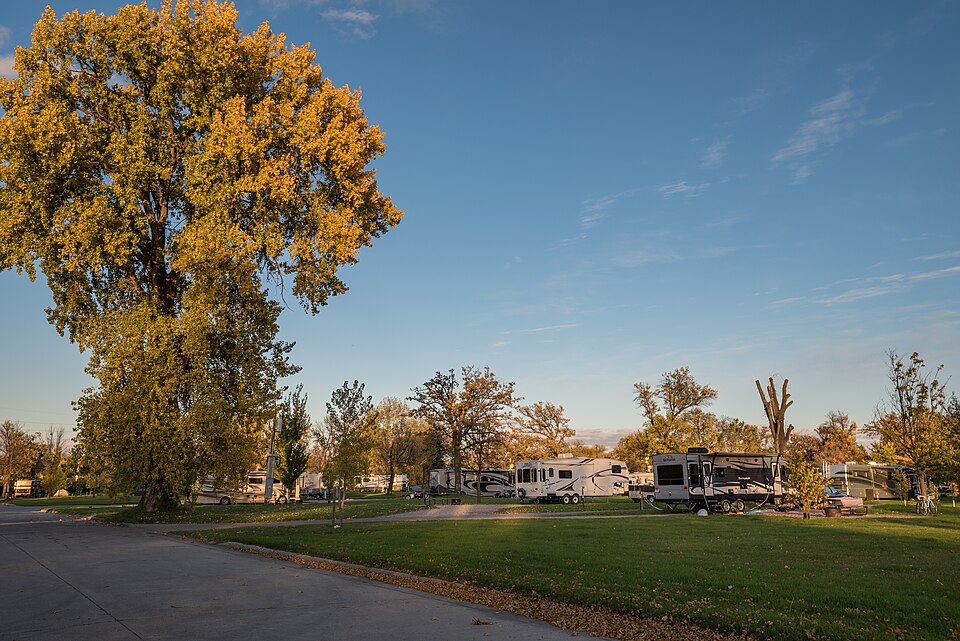
An RV stay requires a suitable campground outside the park rather than assuming the park's tent campgrounds offer RV sites or hookups. Verify vehicle limits, electrical service, water, and wastewater arrangements directly. Compare rough total costs, including cleaning charges, equipment rental, transportation, and cancellation terms. No lodging style is automatically the cheapest or most convenient for every group.