

Glamping near Charlotte offers the perfect bridge between the city's sophisticated amenities and the rugged beauty of the North Carolina wilderness. Instead of traditional tent camping, these elevated experiences allow you to fall asleep to the sounds of the forest while enjoying comfortable beds, climate control, and often, stunning views of the rolling foothills or nearby lakes. It is an ideal way for families and couples to immerse themselves in the Piedmont landscape without sacrificing the comforts of a boutique hotel stay.
The Glamping Experience in the Foothills
In the regions surrounding Charlotte, glamping takes on a variety of forms, from luxury yurts to heavy-canvas safari tents perched on wooden platforms. Many of these sites are located in the gateway areas such as Gastonia and the rural stretches toward the South Mountain range. Here, the focus is on privacy and connection to nature. You might find a site tucked away in a hardwood forest where the morning fog clings to the trees, providing a sense of total seclusion.
Most glamping accommodations near the Queen City come equipped with real mattresses, high-quality linens, and often a small deck for morning coffee. Some high-end options even feature en-suite bathrooms or outdoor showers, allowing you to stay clean and comfortable after a day of hiking. The goal is to provide a 'turn-key' outdoor experience where the gear is provided, and the focus is entirely on relaxation and exploration. This style of travel is increasingly popular for those who want the campfire experience without the hassle of pitching a tent in the dark.
Lakeside Luxury and Riverfront Retreats
Another popular glamping corridor is found near the shores of Lake Norman and along the Catawba River. These sites often emphasize water access, offering guests the chance to launch a kayak or paddleboard just steps from their sleeping quarters. Imagine waking up in a beautifully decorated bell tent to the sight of the sun rising over the water. These lakeside retreats are particularly popular during the late spring and early fall when the temperatures are mild enough to enjoy the breeze off the lake.
In areas near Concord and Rock Hill, you can find glamping sites that lean into the agricultural heritage of the region, sometimes situated on the edges of working farms or vineyards. This provides a unique opportunity to learn about local food systems while enjoying a luxury stay. These locations often provide fire pits with pre-split wood, allowing you to enjoy the classic marshmallow-roasting tradition under a canopy of stars. The proximity to the water or farm life adds a layer of sensory richness to the stay that you won't find in a standard city hotel.
Seasonality and Best Times to Glamp
Timing is everything when it comes to glamping in North Carolina. The prime windows are March through May and September through November. During these months, the daytime temperatures are pleasant, and the nights are cool enough to appreciate the cozy interiors of a yurt or tent. Spring glamping offers the added bonus of seeing the forest floor come alive with wildflowers, while fall brings the spectacular color changes that the Piedmont is famous for.
While some glamping sites operate year-round with the help of space heaters or wood-burning stoves, winter can be quite chilly, and summer brings the dual challenges of high heat and humidity. If you choose to glamp in the summer, look for sites that offer air conditioning or are situated at slightly higher elevations in the foothills where the air is a bit thinner. Always check the official booking sites for seasonal availability, as many operations close during the deepest winter months to perform maintenance and protect the local environment from foot traffic during the dormant season.
Glamping vs. Traditional Camping and RVs
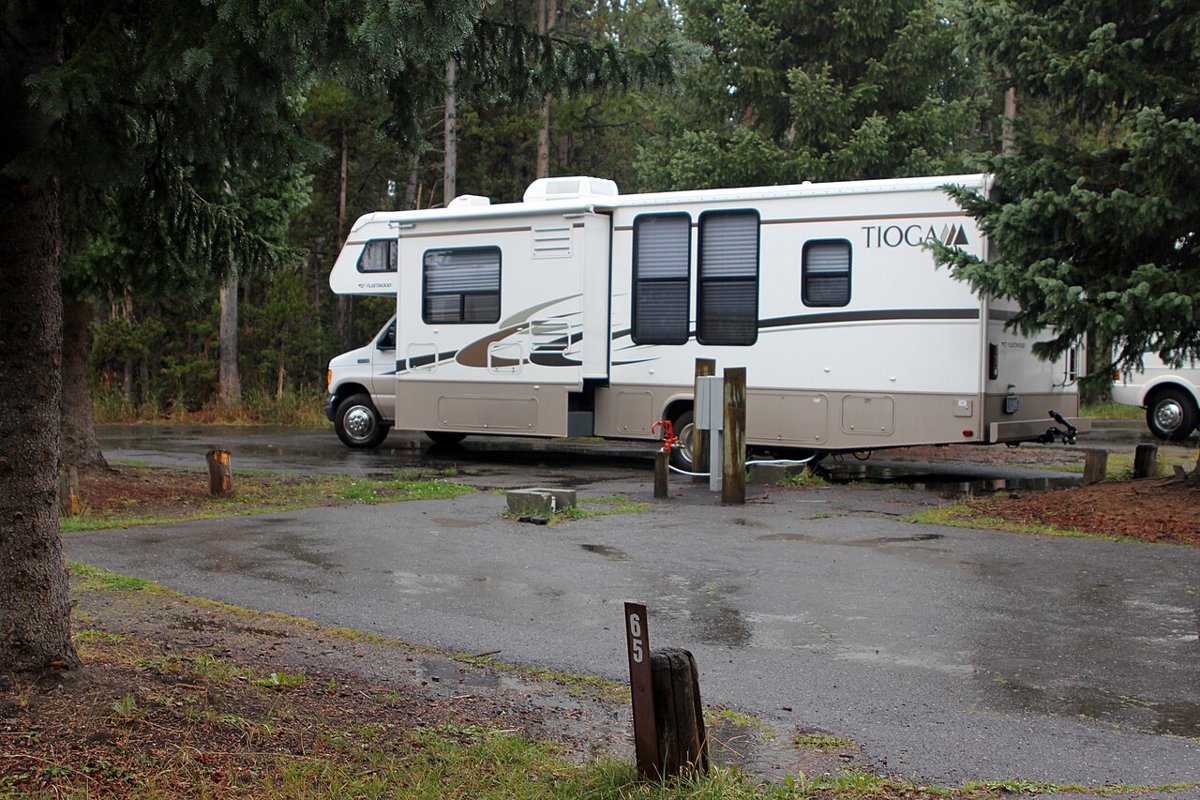
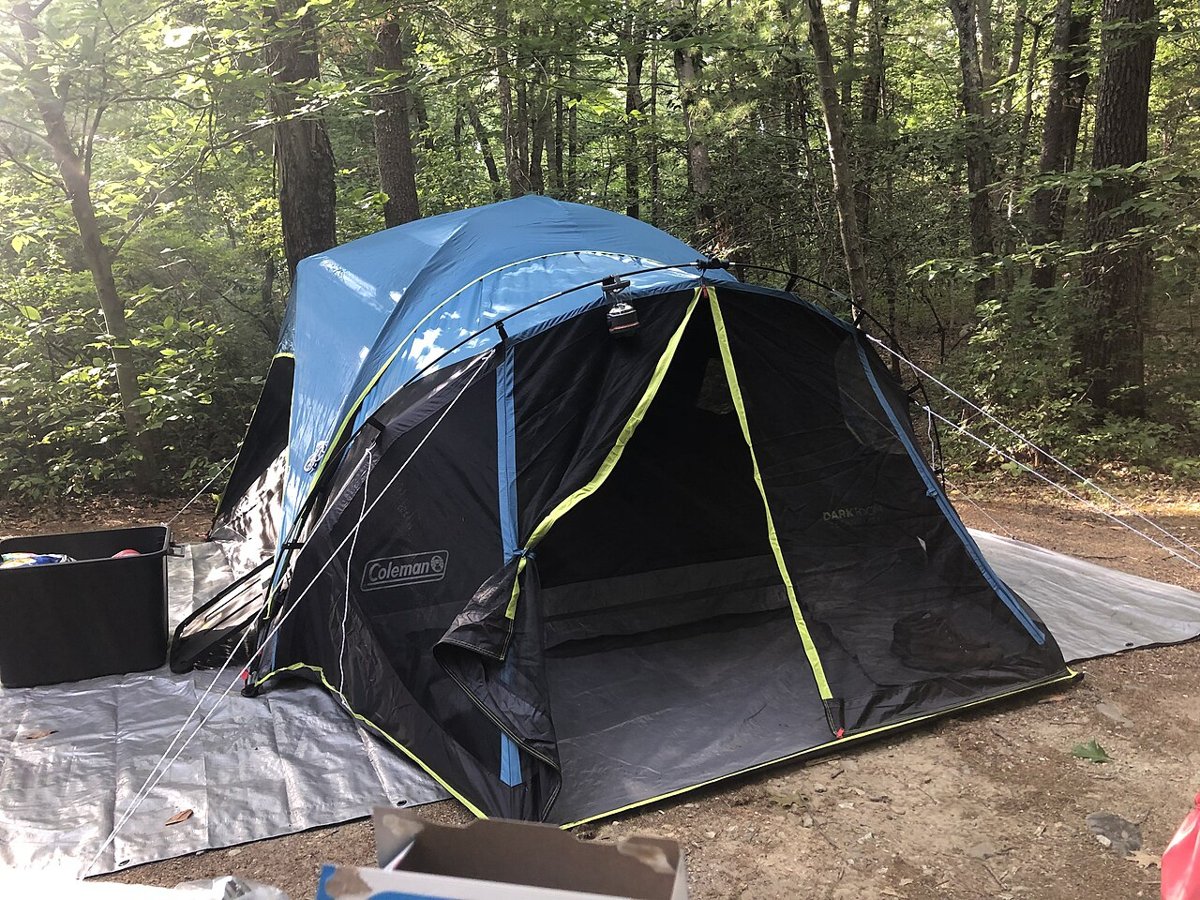
Understanding the difference between glamping, traditional camping, and RVing will help you choose the right fit for your Charlotte adventure. Traditional camping in state parks like McDowell Nature Preserve or Crowders Mountain is excellent for those who have their own gear and want a more primitive, self-sufficient experience. It is the most budget-friendly way to stay, but it requires the most preparation. RVing is a popular middle ground, offering mobility and amenities, with several well-equipped parks near the city providing full hookups for those traveling with their own rigs.
Glamping, however, is a curated experience. You are paying for the design, the location, and the convenience. It is perfect for those flying into Charlotte Douglas International Airport who don't want to check bags full of camping gear. While a night of glamping will cost more than a standard campsite—often rivaling the price of a mid-range hotel—the value lies in the unique atmosphere and the immediate access to the outdoors. For many travelers, the ability to sleep in a king-sized bed while listening to the owls in the trees is a luxury that justifies the extra cost.
Planning Your Stay and Local Etiquette
When booking a glamping stay near Charlotte, it is important to read the descriptions carefully. Some sites are 'off-grid' and rely on solar power and composting toilets, while others are fully connected to modern utilities. Make sure the level of 'ruggedness' matches your comfort level. It is also wise to check the proximity to the city; some sites are within 30 minutes of Uptown, while others may require an hour-long drive into the deeper foothills.
Regardless of where you stay, practicing 'Leave No Trace' principles is essential. Even though someone else is managing the site, being respectful of the surrounding forest, keeping food secured from local wildlife like raccoons and opossums, and following fire safety rules is vital for preserving these beautiful areas. Always consult the official park or forest service websites for the latest on fire bans or local wildlife advisories. By choosing a glamping stay, you are supporting a slower, more sustainable form of tourism that celebrates the natural heritage of the North Carolina Piedmont. Prepare for a trip that is as restorative as it is adventurous.