

Choosing the best time to visit Charlotte depends on whether you prefer the lush blooms of the Piedmont spring or the crisp, clear air of the autumn mountain harvest. While the city remains active year-round, the shoulder seasons offer a perfect balance of mild temperatures and vibrant natural scenery. Whether you are planning a weekend of urban exploration or a gateway to the nearby Blue Ridge foothills, timing your trip ensures you experience the Queen City at its most comfortable and colorful.
Spring Blooms and Pleasant Breezes
Spring is widely considered the best time to visit Charlotte, particularly from late March through May. During this window, the city earns its reputation as a lush urban canopy, with dogwoods, azaleas, and cherry blossoms painting the residential streets and public parks in vibrant hues. Daytime highs typically range from the mid-60s to the high 70s, making it ideal for walking through the historic Fourth Ward or visiting local botanical gardens.
This is also the peak season for outdoor festivals and sporting events. Because the humidity has not yet reached its summer peak, you can spend entire days outside without discomfort. However, spring is a popular time for regional travelers, so it is wise to check the official park websites if you plan to visit nearby state parks like Crowders Mountain, as parking lots often fill early on weekend mornings. This is the perfect season for those who want to see the Piedmont region in full renewal.
Golden Autumns and Foothill Foliage
Fall, specifically from September to November, is a rival for the top spot on the calendar. As the heat of the Carolina summer fades, the region is treated to a long, gentle cooling period. In September, you might still feel the lingering warmth of summer, but by October, the air turns crisp and clear. This is the optimal time for those looking to use Charlotte as a base for leaf-peeping in the rolling foothills just west of the city.
The color change usually peaks in late October or early November within the city limits. The low humidity levels during these months provide excellent visibility for those hiking to the overlooks of the nearby Uwharrie National Forest or the Appalachian peaks further west. It is a fantastic time for outdoor dining and exploring the city’s many greenways. Evening temperatures can drop significantly, so packing layers is essential for those planning to enjoy the sunset from a rooftop or a mountain trail.
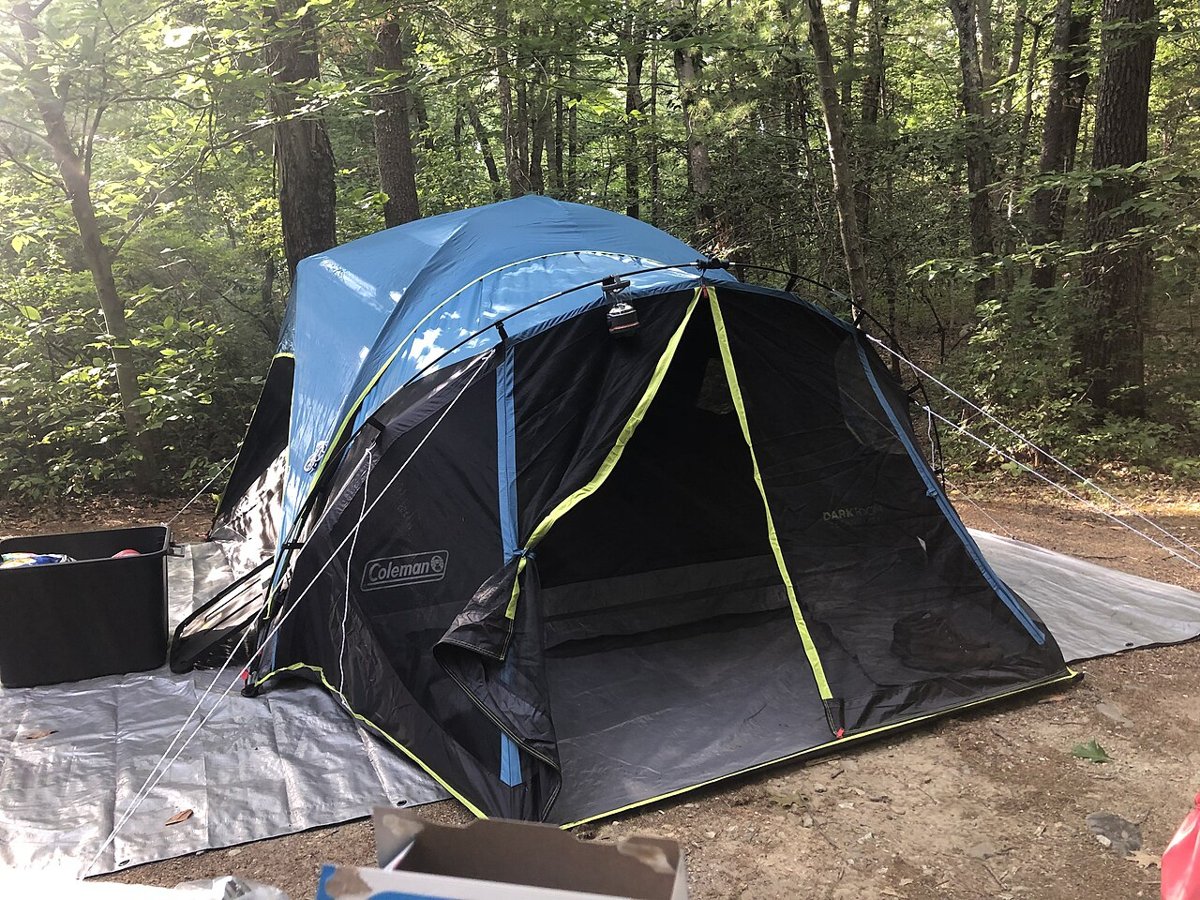
Navigating the Humid Summer Months
Summer in Charlotte, spanning June through August, is characterized by high heat and significant humidity. Temperatures frequently climb into the 90s, and the afternoon often brings sudden, heavy thunderstorms that clear as quickly as they arrive. While the heat can be intense, this is the prime season for water-based activities on Lake Norman or the Catawba River.
To make the most of a summer trip, plan your outdoor activities for the early morning or late evening. The city’s extensive tree canopy provides some relief, but the midday sun is strong. Indoor attractions, such as the various museums and the city's celebrated culinary scene, offer air-conditioned sanctuary. If you are heading into the mountains, remember that higher elevations can be ten to fifteen degrees cooler than the city center. This is the busiest time for family vacations, so expect larger crowds at popular theme parks and central urban attractions. Always check local weather forecasts for heat advisories during this period.

Lock in a stay for this season
Harvest Hosts stays on the way to Charlotte
Partner link · Harvest Hosts
Mild Winters and Quiet Streets
Winter in the Piedmont is generally mild compared to more northern climates, making it a viable time for a quiet getaway. From December through February, temperatures typically hover in the 40s and 50s during the day, though overnight freezes are common. Snow is infrequent and usually light, though ice storms can occasionally impact travel.
The main advantage of a winter visit is the lack of crowds. You can enjoy the city’s many cultural institutions and parks with a sense of solitude that is impossible during the spring. While the deciduous trees are bare, the evergreen pines and cedars keep the landscape from looking entirely dormant. It is a great season for visiting the nearby vineyards in the Yadkin Valley, where the tasting rooms are cozy and the service is more personal. Because this is the off-season, you may find more flexibility in reservations at popular restaurants and boutique hotels throughout the metro area.

Reservations and Planning Tips
Regardless of when you visit, planning ahead is the key to a smooth Charlotte experience. For spring and fall trips, it is highly recommended to book your accommodations at least two months in advance, as these seasons draw a high volume of regional tourism. If your visit coincides with major sporting events or large-scale conventions, the city can become quite busy.
Always check the official National Park Service or North Carolina State Parks websites for the most current information regarding trail conditions, seasonal closures, or required permits for nearby recreation areas. Some popular spots, like the U.S. National Whitewater Center, have variable seasonal hours that change significantly between winter and summer. For the best experience, aim for mid-week travel if your schedule allows, as this provides a more relaxed pace and easier access to the city's most popular sites. Understanding the local rhythm, from the morning commute to the weekend rush toward the mountains, will help you navigate the Queen City like a local.

More ways to book Charlotte
 Illustrative · DiscoA340
NASCAR Hall of Fame
One of the classic ways to experience Charlotte.
Varies (estimate)
Partner link · Viator