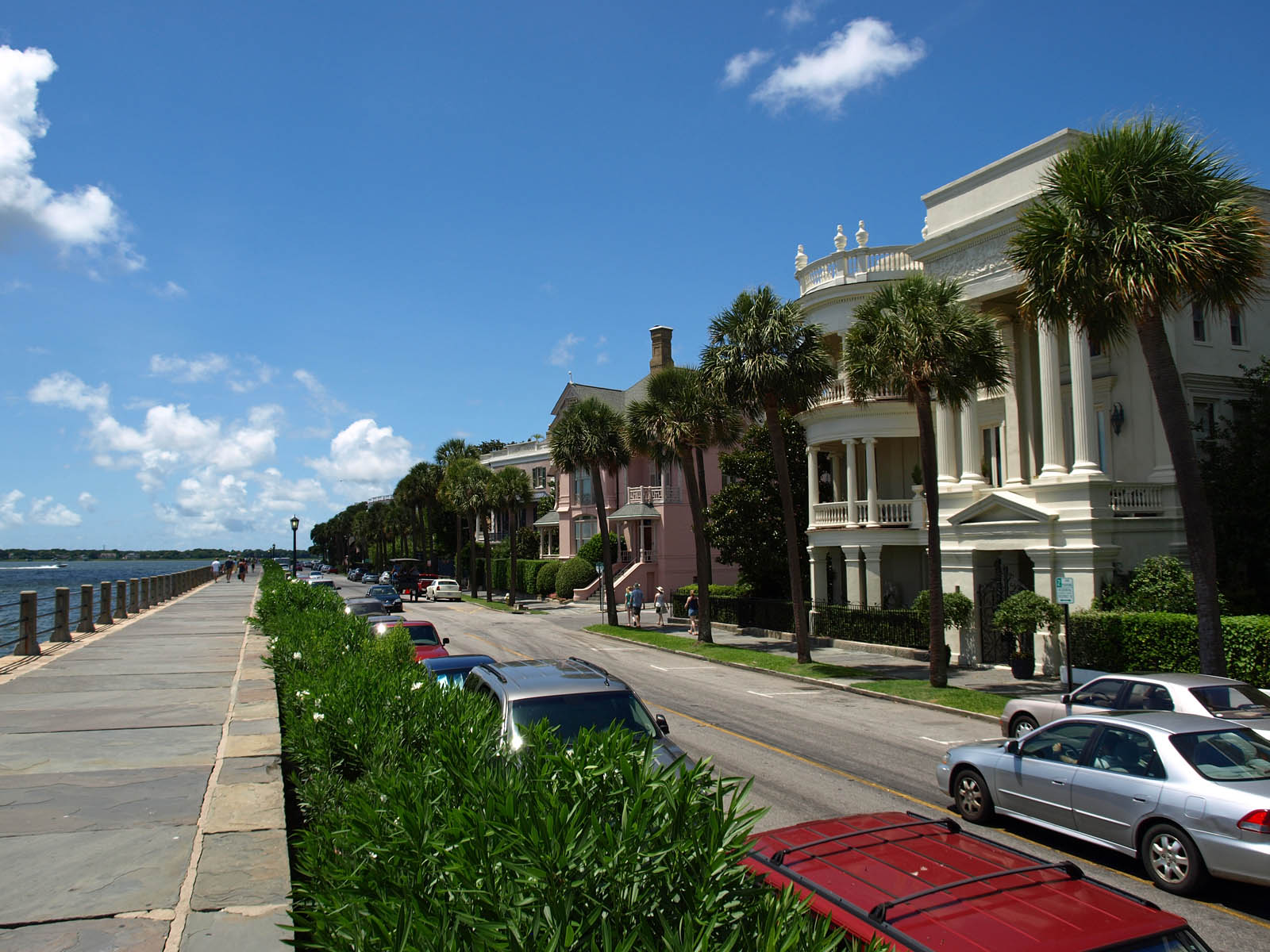
Glamping in the Charleston area offers a unique way to experience the coastal wilderness without sacrificing the comforts of a traditional hotel. Nestled among the live oaks and salt marshes, these elevated outdoor accommodations provide a front-row seat to the region's natural beauty. From luxury tents to refurbished vintage trailers, the Lowcountry's glamping scene is all about slowing down and connecting with the rhythm of the tides.
What to Expect from a Glamping Stay
Glamping near Charleston typically means staying in a structure that blends seamlessly with the environment. You might find safari-style canvas tents pitched on wooden platforms, equipped with real mattresses, high-quality linens, and sometimes even air conditioning to combat the Southern heat. These sites often feature private decks, fire pits for evening gatherings, and outdoor showers that let you wash off the beach sand under the stars. It is an ideal middle ground for those who love the idea of sleeping in nature but prefer not to deal with the logistics of traditional camping.
The amenities can range from basic comfort to high-end luxury, but the focus remains on the outdoor experience. Many glamping sites are situated on the edge of marshes or within a short bike ride of the beach. Instead of the sounds of traffic, you will wake up to the calls of marsh birds and the rustle of palmetto fronds in the wind. It is a more immersive way to spend your nights compared to a standard downtown hotel, providing a sense of seclusion while still being close to the city's famous dining and shopping.
Prime Glamping Locations: Coastal Gateways
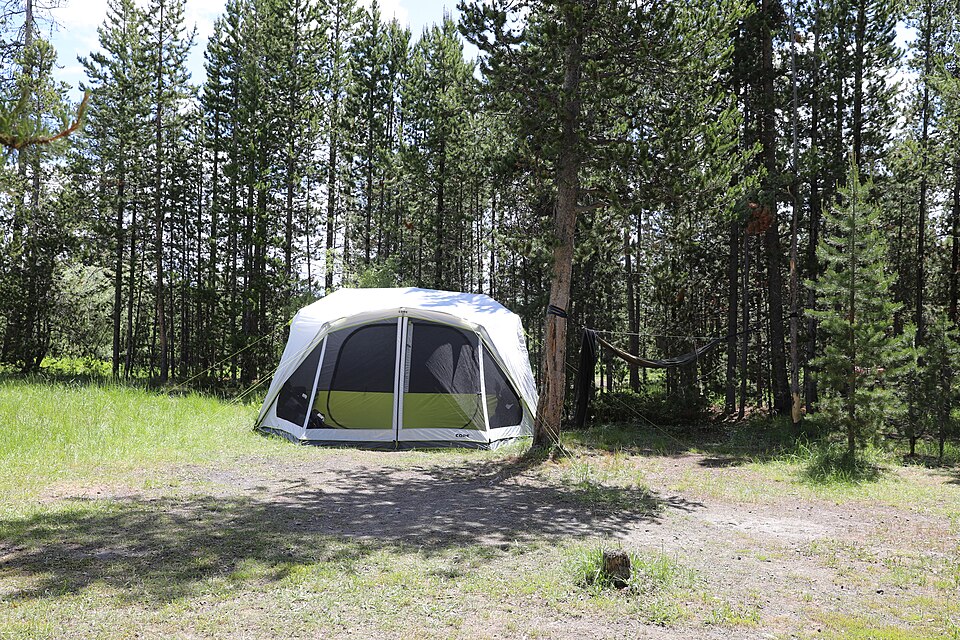
The areas surrounding Charleston offer diverse landscapes for glamping. Mount Pleasant and the surrounding islands are popular spots, providing proximity to the water and easy access to kayaking trails. Near Folly Beach, you can find sites that cater to the surf culture, offering a relaxed atmosphere where the ocean is always within earshot. These locations allow you to enjoy a day of sightseeing in the historic district and return to a quiet, natural retreat in the evening, avoiding the hustle and bustle of the urban center.
Further inland, the areas near the Francis Marion National Forest or along the Ashley River offer a different kind of glamping experience. Here, the focus is on the deep woods and the riverine ecosystems. Staying under a canopy of ancient oaks draped in Spanish moss provides a quintessentially Southern atmosphere. These sites are often larger and more spread out, giving guests a greater sense of privacy. Whether you prefer the salt air of the coast or the quiet shade of the forest, the gateway towns around Charleston provide a variety of settings for an elevated outdoor stay.
Glamping vs. Traditional Camping and RVing
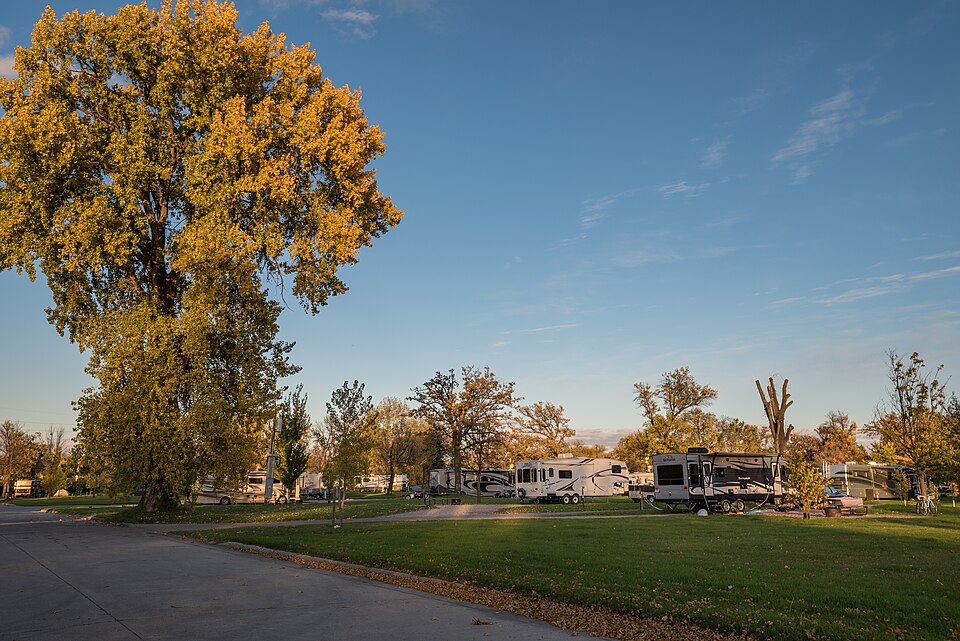
When choosing your outdoor accommodation, it is important to understand the differences between the options available in the Lowcountry. Traditional camping in areas like James Island County Park involves bringing your own gear and setting up a tent on a designated pad. It is the most affordable option and offers a rugged, hands-on experience. RVing is also very popular, with several well-equipped parks offering full hookups for those traveling in their own motorhomes or trailers. This provides a mobile home base with all your own belongings, though you are often in closer proximity to neighbors.
Glamping, by contrast, is a 'turn-key' experience. You don't need to own a tent or an RV; you simply show up to a fully prepared site. This makes it a great choice for travelers flying into Charleston International Airport who want an outdoor experience without packing heavy equipment. While glamping is generally more expensive than traditional camping, the cost is often comparable to a mid-range hotel, with the added value of a unique setting and private outdoor space. It is particularly well-suited for romantic getaways or special occasions where you want the novelty of sleeping outdoors with the convenience of modern comforts.
Seasonal Considerations for Outdoor Stays
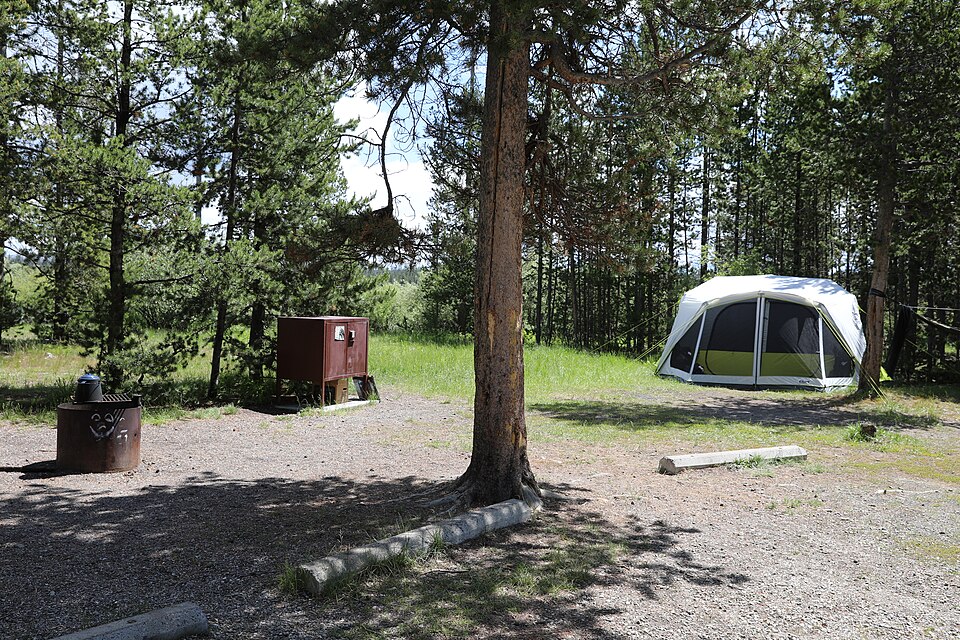
The best time for glamping in Charleston mirrors the best time for general travel: spring and fall. During these months, the temperatures are mild enough that you can enjoy the outdoor features of your site, like hammocks and fire pits, without being overwhelmed by heat or bugs. In the spring, the blooming flora makes for a stunning backdrop, while the fall offers crisp air that is perfect for cozying up in a luxury tent. Winter glamping is also possible, as many sites provide heaters, but you should be prepared for chilly nights near the water.
Summer glamping requires more preparation. The humidity and mosquitoes are at their peak from June through August. If you choose to glamp during this time, look for sites that specifically mention fans or air conditioning units. It is also the rainy season, so a sturdy, professionally waterproofed glamping tent is a must. Regardless of the season, always check the official park or site management pages for current conditions, especially during the Atlantic hurricane season, when coastal areas may be subject to evacuation orders or temporary closures due to weather events.
Estimated Costs and Booking Tips
Glamping costs in the Charleston area vary widely based on the level of luxury and the proximity to the beach. You can expect to pay anywhere from a moderate daily rate similar to a standard hotel to a higher premium for ultra-luxury sites with en-suite bathrooms and gourmet kitchenettes. These prices often fluctuate with the seasons, with spring and fall commanding the highest rates due to high demand. Booking several months in advance is highly recommended, as the number of glamping sites is limited compared to traditional hotel rooms.
When booking, pay attention to the specific location and what is included. Some sites are part of larger campgrounds with shared facilities, while others are private holdings offering a more boutique experience. Check if linens, towels, and basic cooking supplies are provided so you can pack accordingly. It is also worth looking into the proximity to public transportation; while some sites are near trolley lines, most glamping locations will require a rental car for easy access to the city and nearby attractions. Taking the time to research the specific vibe of each area ensures your glamping trip meets your expectations for a Lowcountry adventure.