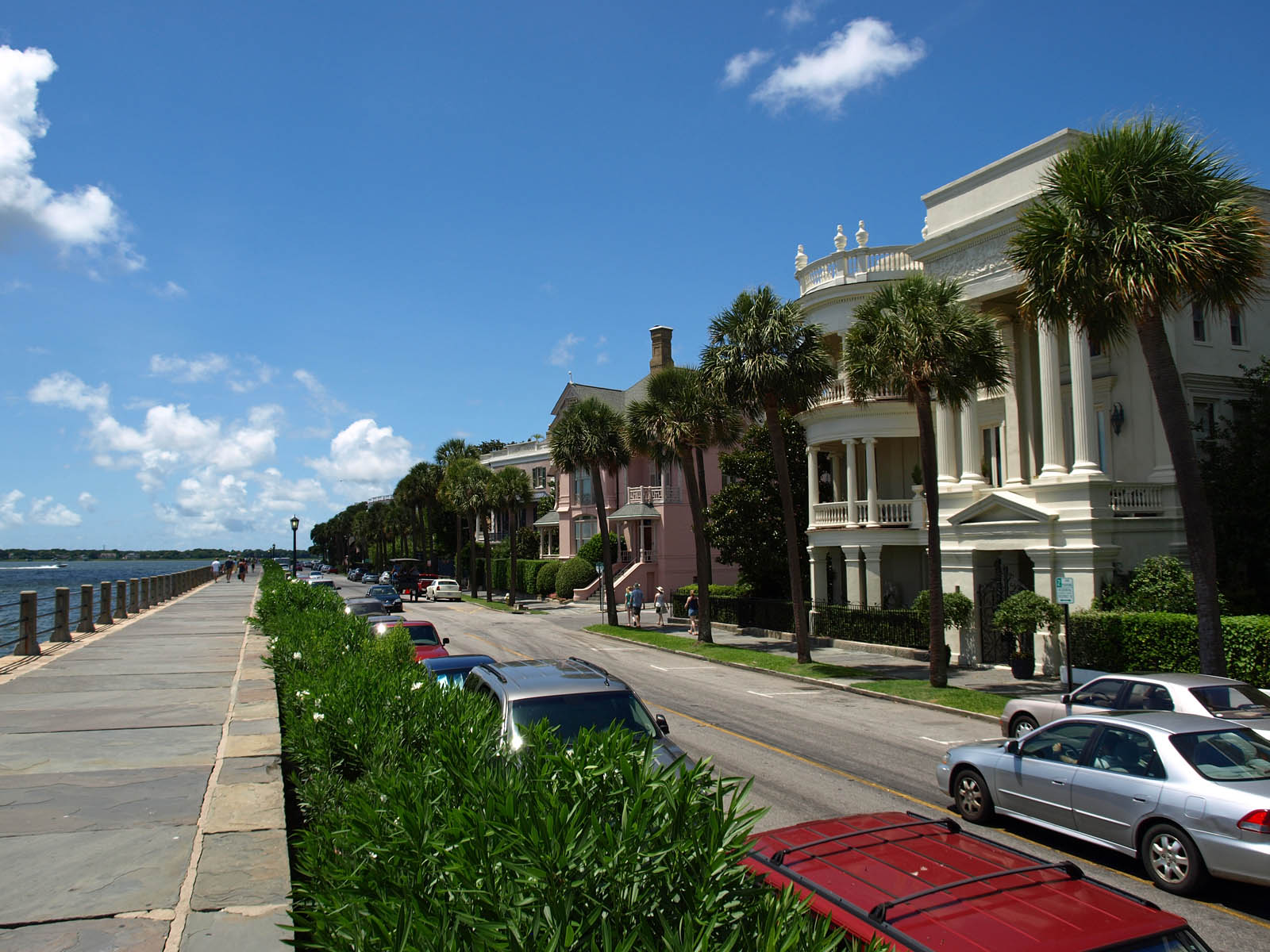
Choosing the right season for your trip to the South Carolina Lowcountry can significantly impact your experience, whether you are looking for beach weather or mild afternoons for walking. While Charleston is a year-round destination, the shoulder seasons of spring and fall are widely considered the ideal times for exploration. During these periods, you avoid the heavy humidity of mid-summer while enjoying some of the most vibrant natural displays the Atlantic coast has to offer.
Spring Blooms and Pleasant Breezes
Spring is arguably the most popular time to visit Charleston, stretching from March through May. This is when the city truly comes alive as the historic district is covered in the vibrant pinks and purples of blooming azaleas and the sweet scent of jasmine fills the air. The weather is exceptionally pleasant, with daytime temperatures usually hovering in the mid-70s, making it the perfect time for long walks along the Battery or through the various public gardens.
Because this is peak season, you will notice larger crowds near the major landmarks like Rainbow Row and the City Market. It is a good idea to secure your lodging and dinner reservations well in advance, as popular spots fill up quickly during the various spring festivals and house tours. Despite the bustle, the cooling sea breezes and the lush, green canopy of live oaks draped in Spanish moss create an atmosphere that is difficult to replicate at any other time of year.
Autumn Colors and Oyster Season
From late September through November, Charleston experiences a second peak season that rivals the beauty of spring. As the oppressive heat of the South Carolina summer fades, it is replaced by crisp mornings and warm, sunny afternoons. This transition brings a different palette to the Lowcountry, with marsh grasses turning a golden hue and the Atlantic waters remaining warm enough for a quick dip early in the season.
Fall is also the beginning of the local oyster season, a significant cultural event in the region. You will find many community gatherings centered around outdoor roasts and locally caught seafood. The humidity levels drop significantly, providing clear blue skies that are ideal for photography and outdoor recreation. Since the threat of tropical storms decreases as the season progresses, late October and November offer stable conditions for those planning outdoor weddings or extended hiking trips through the nearby Francis Marion National Forest.
Summer Heat and Coastal Cooling
Summer in Charleston, lasting from June through August, is defined by its heat and high humidity. Temperatures frequently climb into the 90s, and the air can feel quite heavy. However, this is the prime time for visitors who want to spend their days on the nearby beaches of Folly Beach or Sullivan's Island. The ocean provides a necessary reprieve from the inland heat, and the evening sea breezes often bring refreshing afternoon thunderstorms that cool the pavement of the historic district.
If you visit during these months, it is best to plan your outdoor sightseeing for the early morning or late evening. Midday is a great time to explore the city's air-conditioned museums or enjoy a long, slow lunch in a shaded courtyard. While the humidity is high, the summer also brings a lush, tropical vibrancy to the local flora, and the long daylight hours give you plenty of time to enjoy the sunsets over the Ashley and Cooper Rivers.
Lock in a stay for this season
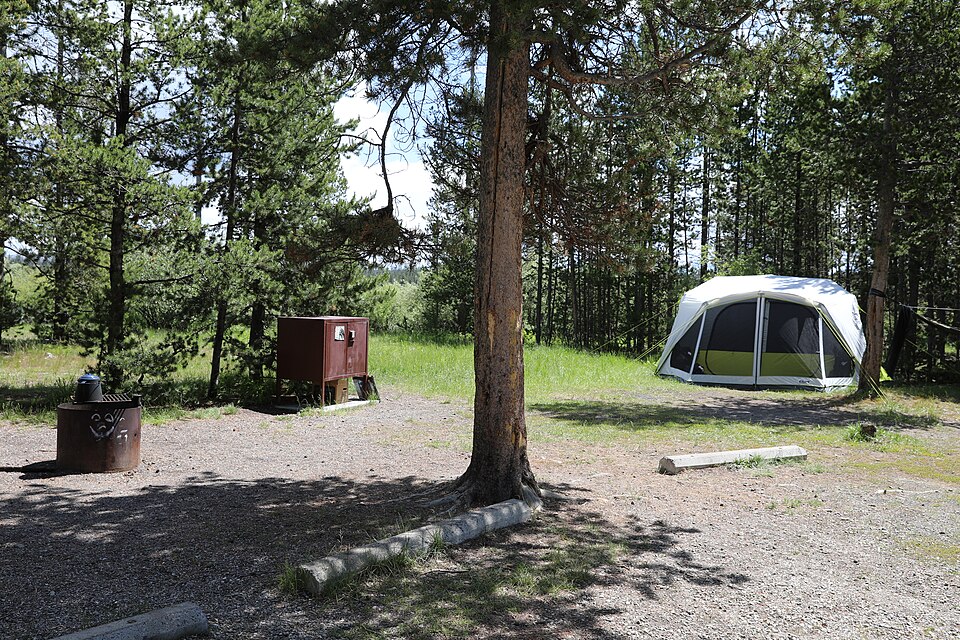
Harvest Hosts stays on the way to Charleston
Partner link · Harvest Hosts
Winter Quiet and Mild Temperatures
Winter is the quietest season in the Lowcountry, running from December through February. While the rest of the country might be dealing with snow and ice, Charleston generally stays mild, with daytime highs often reaching the 50s or 60s. While you might occasionally see a frost, the grass stays green and the city takes on a peaceful, reflective character. This is an excellent time for budget-conscious travelers, as accommodation rates tend to be lower and the wait times for famous restaurants are much shorter.
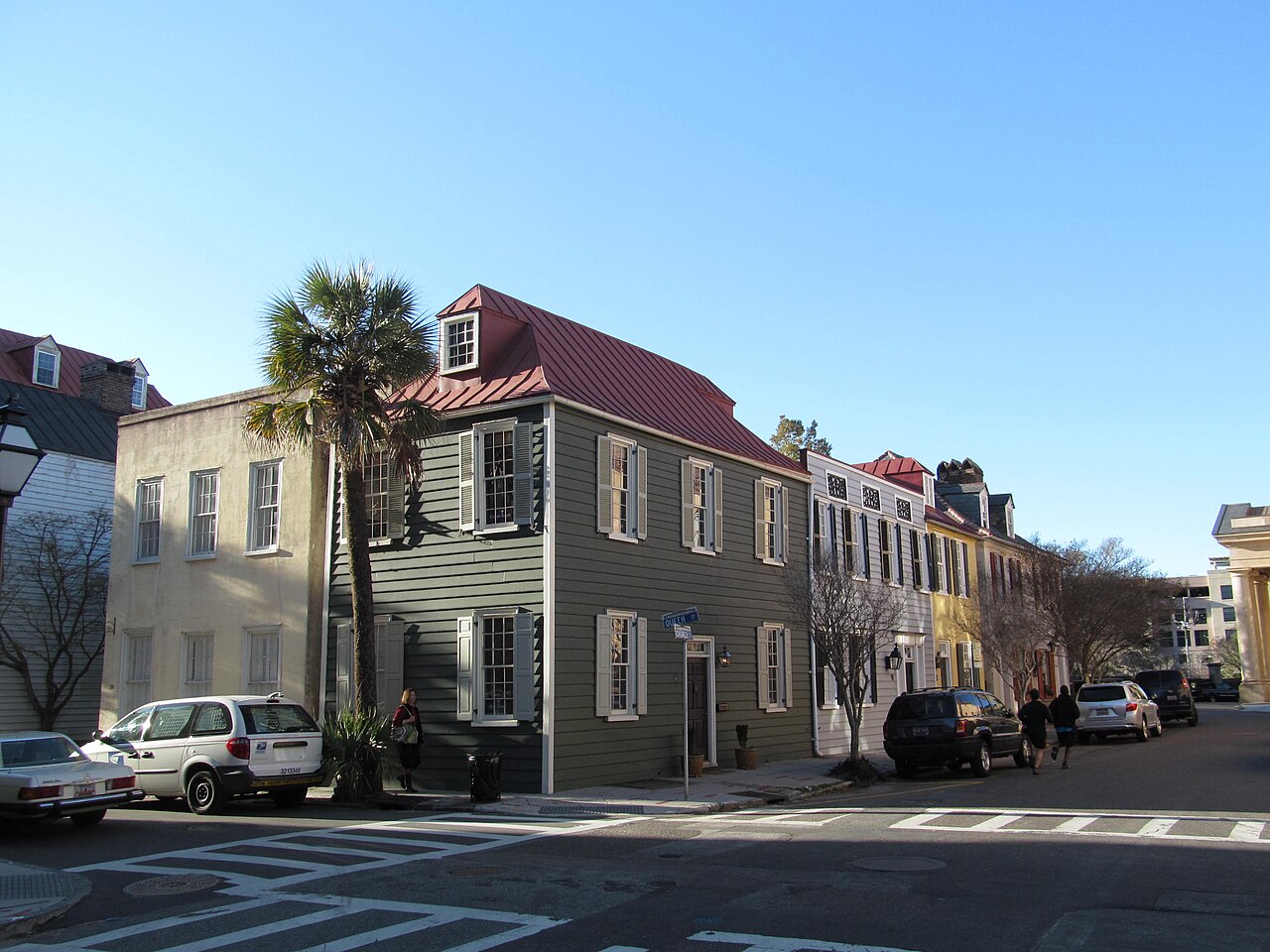
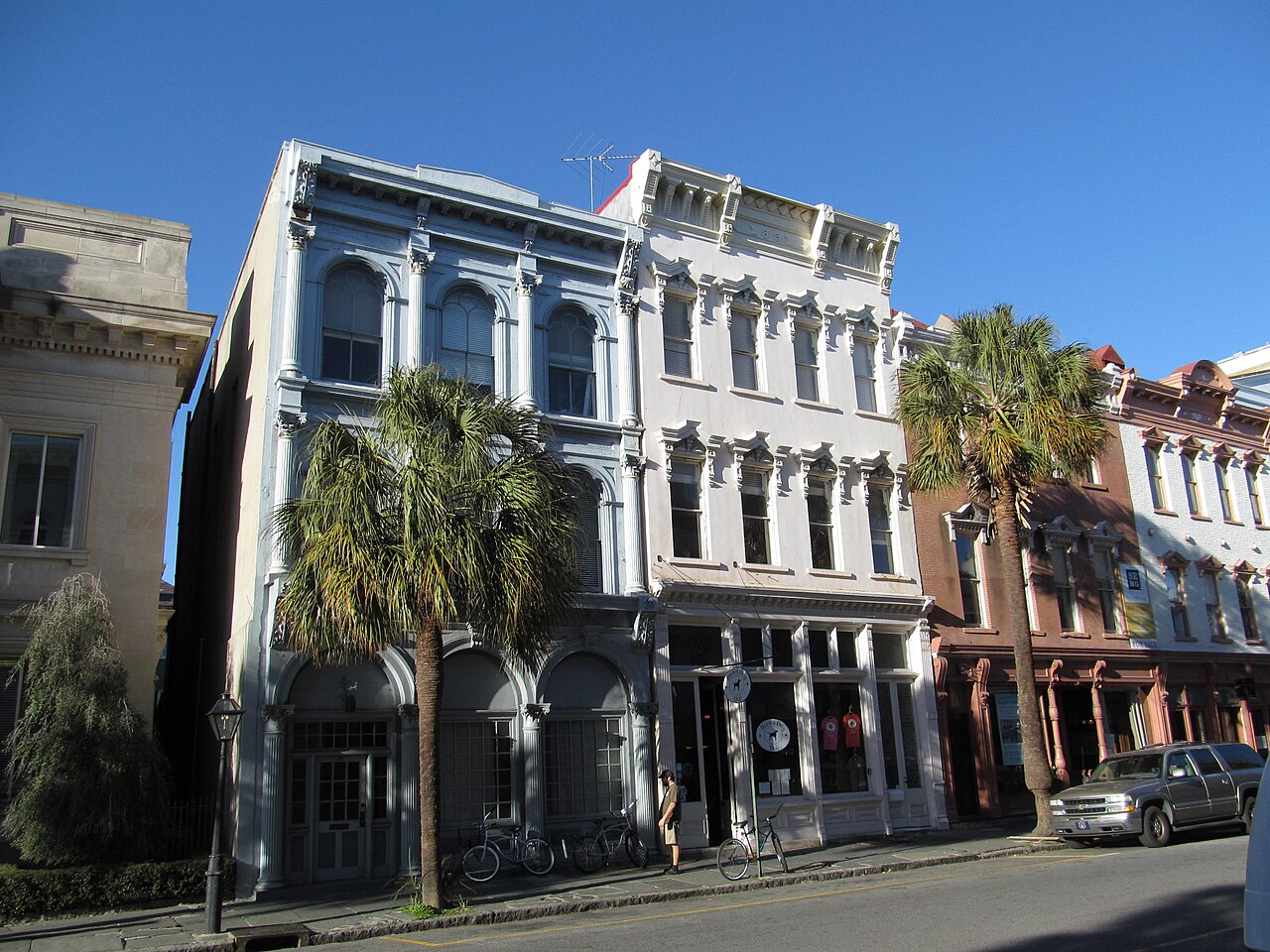
The lack of foliage on some trees reveals the intricate architectural details of the historic homes that are often hidden by summer leaves. Holiday decorations in December are particularly charming, with traditional greenery and citrus displays adorning the wrought-iron gates of the French Quarter. If you enjoy brisk walks on empty beaches or birdwatching in the marshes without the summer bugs, the winter months offer a unique perspective on the regionâs natural beauty.

Planning for Crowds and Reservations
Regardless of when you decide to visit, it is essential to keep an eye on the local event calendar. Major events can cause a sudden surge in visitors, leading to limited availability at boutique hotels and bed and breakfasts. We recommend checking the official park and NPS sites for current conditions, especially if you plan on visiting nearby historical monuments or coastal preserves. For the best experience, try to book your accommodations at least three to four months in advance for spring and fall travel.
Weekday visits are generally less crowded than weekends, offering a more intimate look at the cobblestone streets and hidden alleys. If you are traveling during the rainy season, usually the late summer, have a backup plan involving indoor activities like visiting the aquarium or the historic mansions. Always prepare for the sun, regardless of the season, as the coastal glare can be strong even on cooler days. A well-timed trip ensures you see the best of Charleston while avoiding the frustrations of over-capacity venues.
More ways to book Charleston
 Illustrative · Dougtone
Joe Riley Waterfront Park
One of the classic ways to experience Charleston.
Varies (estimate)
Partner link · Viator