
Catoctin Mountain is a sanctuary for those who love the rugged charm of the Appalachian highlands. Whether you are looking for a challenging scramble over ancient rock formations or a quiet afternoon exploring the history of the American labor movement, this park delivers. With over 25 miles of hiking trails and a rich heritage of conservation, there are plenty of things to do in Catoctin Mountain for travelers of all ages and fitness levels.
Conquering the High Peaks and Overlooks
The primary draw for most visitors is the extensive trail network that leads to spectacular vistas. The hike to Chimney Rock and Wolf Rock is a must-do for any able-bodied visitor. Chimney Rock offers a dramatic, panoramic view of the valley below, while Wolf Rock provides a unique opportunity to explore deep crevices and large quartzite boulders. These trails can be steep in sections, but the reward at the top is a clear view of the rolling Maryland countryside.
For a slightly less strenuous walk that still delivers on scenery, the trail to Hog Rock is an excellent alternative. It offers a broad ledge where you can sit and take in the Blue Ridge horizon. If you prefer a longer loop, you can connect several of these trails to create a full-day trekking experience. These paths are well-marked, but the terrain is rocky and uneven, so wearing proper hiking boots with ankle support is strongly encouraged to ensure a safe and enjoyable climb.
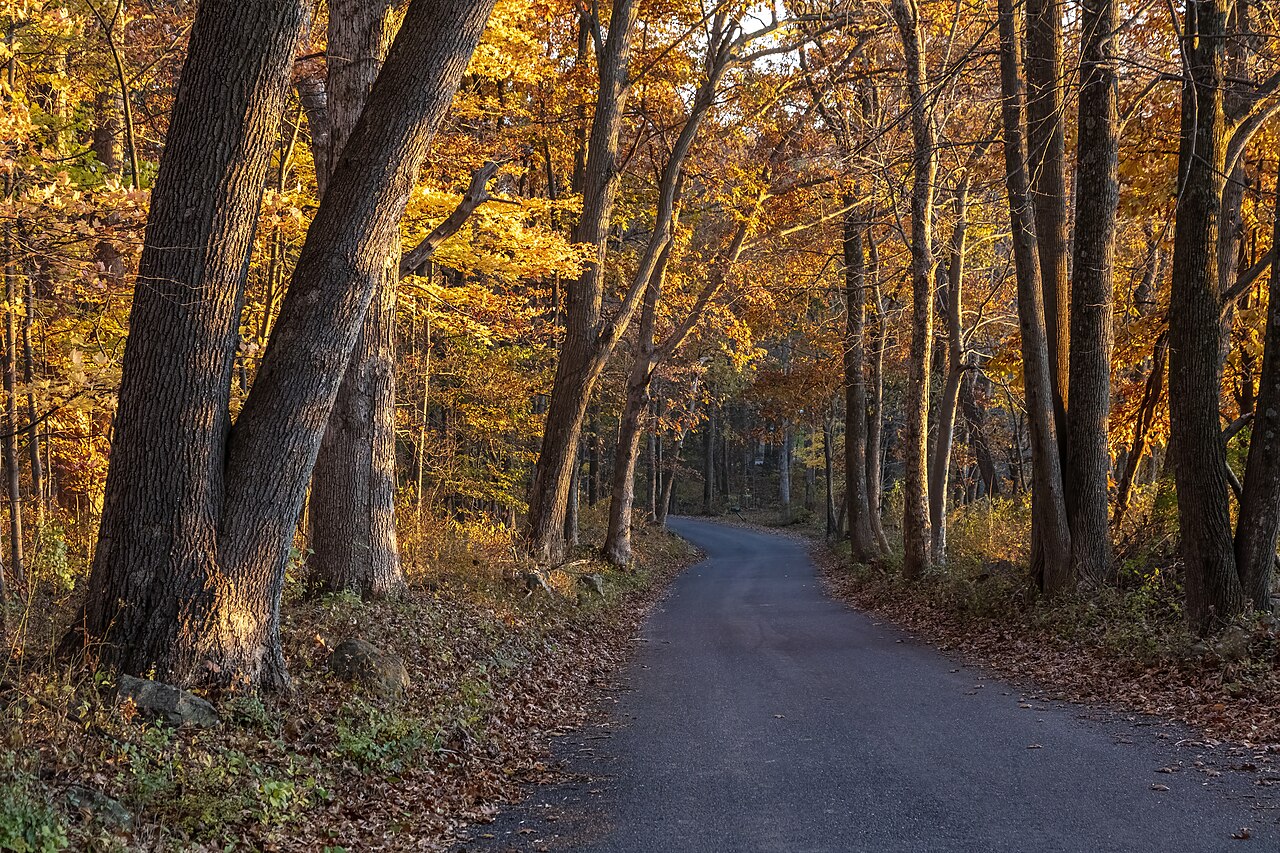
Exploring Historic Cabin Camps
Catoctin Mountain is home to a unique piece of American history: the historic cabin camps built by the Civilian Conservation Corps (CCC) and the Works Progress Administration (WPA) during the 1930s. Walking through these camps, such as Camp Greentop and Camp Misty Mount, feels like stepping back in time. The rustic, wood-hewn architecture is a testament to the craftsmanship of the era and the effort to provide outdoor recreation for the public during the Great Depression.
While some of these areas are reserved for group use, visitors can often admire the exteriors of these chestnut-log structures while hiking nearby trails. They represent a significant moment in the development of the National Park System and offer a fascinating glimpse into how the park was transformed from depleted farmland into a thriving forest. Exploring these sites adds a layer of cultural depth to your mountain visit, making it more than just a nature walk but a journey into the heritage of the Blue Ridge.
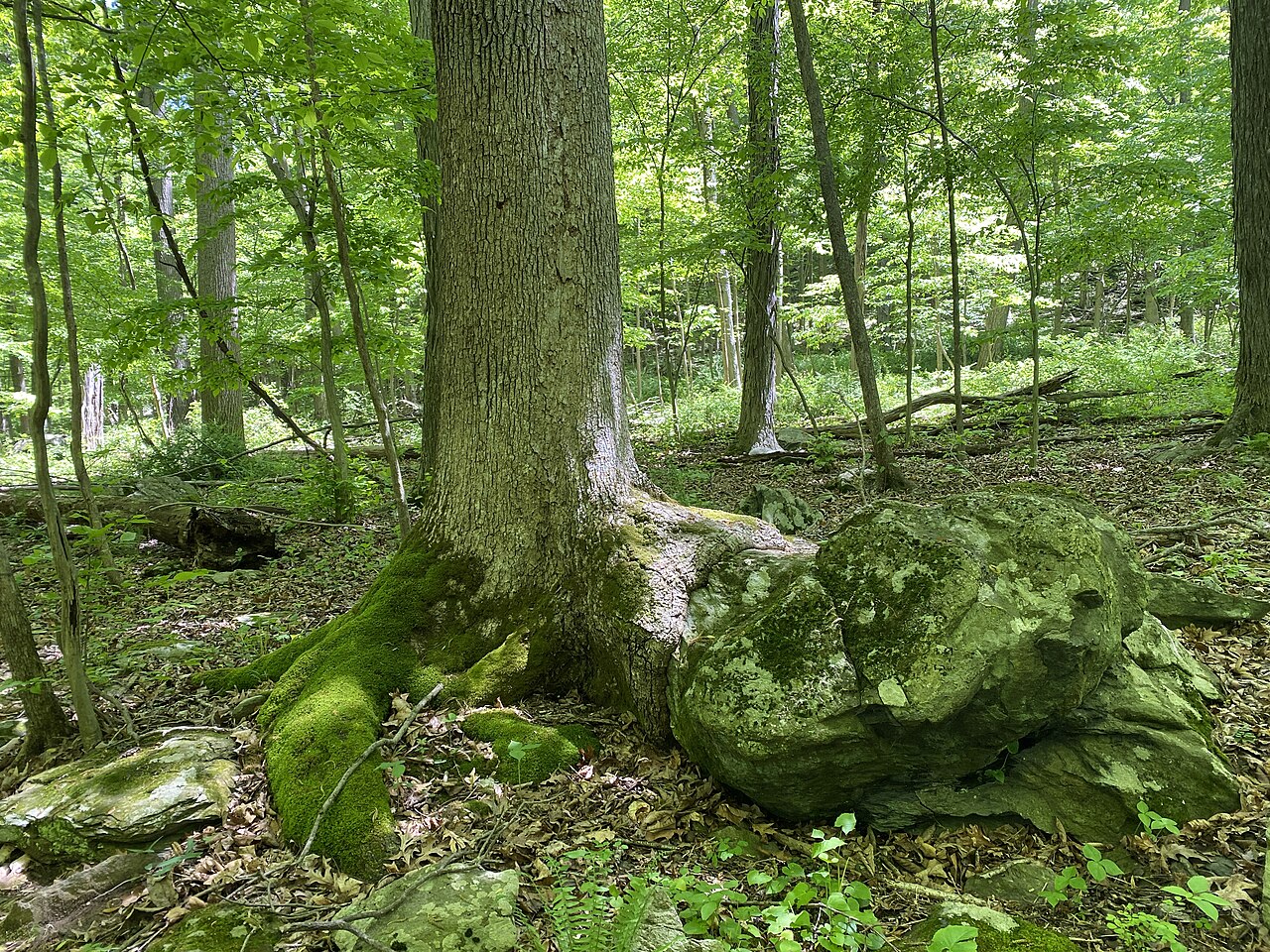
Wildlife Spotting and Nature Photography
The diverse ecosystem of Catoctin Mountain supports a wide range of wildlife, making it a fantastic destination for nature enthusiasts. White-tailed deer are a common sight, especially near the meadows at dawn and dusk. If you move quietly through the forest, you might also spot wild turkeys, pileated woodpeckers, and even the occasional black bear roaming the deeper sections of the woods. The park is a haven for photography, with the changing light through the canopy providing endless opportunities for dramatic shots.
For those interested in smaller wonders, the mountain's numerous springs and runs are home to ವಿವಿಧ species of salamanders and amphibians. The native brook trout can sometimes be seen in the clear, cool waters of Big Hunting Creek, which runs along the park's border. Whether you are using a professional lens or a smartphone, the combination of jagged rock formations, dense forest, and diverse fauna ensures you will leave with a full memory card. Remember to maintain a respectful distance from all animals and follow the park's guidelines for wildlife encounters.
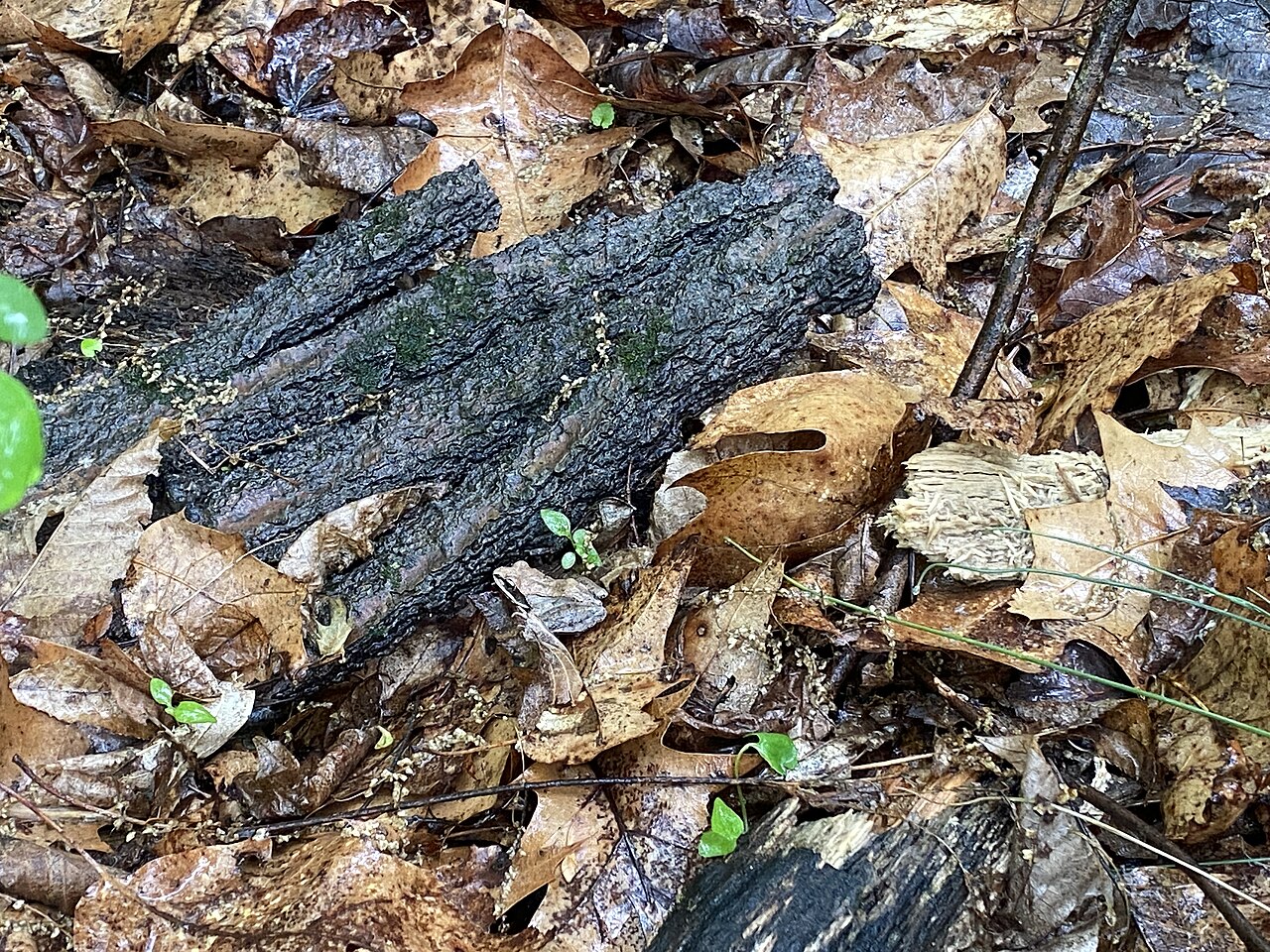
Family-Friendly Fun and Picnicking
If you are visiting with children, Catoctin Mountain offers several accessible ways to enjoy the outdoors. The park features multiple designated picnic areas, such as Owens Creek and Chestnut Picnic Area, which are equipped with tables and grills. These spots are perfect for a relaxing family lunch surrounded by the sounds of the forest. Many of these areas are located near easy, flat walking paths that allow younger children to explore without getting overly tired.
Interactive displays at the Visitor Center provide educational context about the local geology and history, which can be a great way to start your day. Kids often enjoy the Junior Ranger program, which encourages them to engage with their surroundings through a series of activities and observations. The proximity to the nearby town of Thurmont also means you are never far from additional amenities or a quick ice cream treat after a morning of exploring the woods. It is a fantastic environment for introducing the next generation to the joys of the great outdoors.
Rainy Day Activities and Local Culture
Don't let a bit of rain spoil your trip. While hiking might be less appealing in a downpour, the region offers several indoor alternatives. The Visitor Center itself is a wealth of information, featuring exhibits on the park's creation and the local environment. Additionally, the nearby town of Thurmont and the city of Frederick offer charming shops, local museums, and historic sites that are perfect for exploring when the clouds roll in. You can spend a few hours browsing antique stores or enjoying a meal at a cozy mountain tavern.
For a scenic experience that keeps you dry, a slow drive along the parkâs main roads offers beautiful views of the mist-covered mountains. The rain often brings out a different side of the forest, making the greens look more vibrant and the moss-covered rocks glisten. Always check the official park/NPS site for current conditions and potential road closures during heavy storms. Rainy days are also a great time to visit the nearby covered bridges in Frederick County, which are iconic landmarks of the Northern Maryland landscape.