
Finding the best time to visit Catoctin Mountain depends on whether you prefer the vibrant greens of a mountain spring or the fiery hues of a Maryland autumn. Located in the northern reaches of the Blue Ridge, this park offers a distinct four-season experience. While the park remains open year-round, the shifting weather patterns influence which trails are most accessible and when the historic wooden cabins are most comfortable for an overnight stay.
Spring Blooms and Rushing Waters
Spring is widely considered a premier time to explore the mountain as the forest floor awakens with wildflowers like bloodroot and trout lily. From April through June, the temperatures are mild, typically ranging from the mid-50s to the low 70s, making it ideal for strenuous hikes to Chimney Rock without the heavy humidity of summer. This is also the period when the mountain streams are at their fullest due to spring rains and snowmelt, providing excellent conditions for viewing the cascading falls.
Birdwatchers often flock to the region during these months to catch migratory songbirds returning to the canopy. Because the foliage has not yet fully filled in, you often get better visibility through the trees for spotting wildlife. However, spring weather in Maryland can be unpredictable; it is common to experience sudden rain showers, so packing waterproof gear and sturdy boots for muddy trails is a necessity during this transitional season.
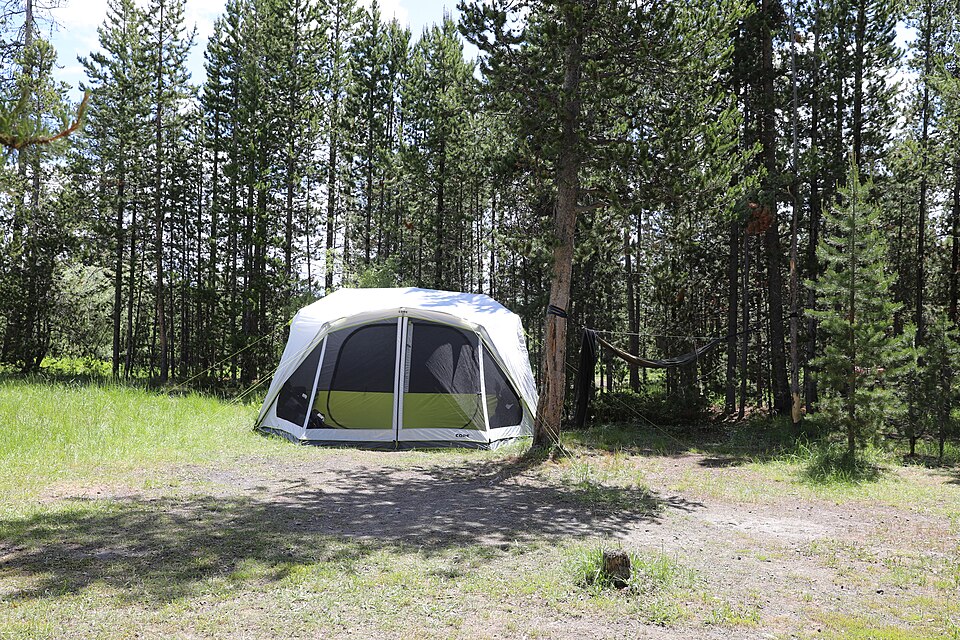
Lock in a stay for this season
RV parks near Catoctin Mountain on RoverPass
Partner link · RoverPass
Summer Shade and Mountain Breezes
Summer brings a lush, deep green canopy that provides a natural umbrella over the park's extensive trail system. While the surrounding Maryland valleys can become quite hot and humid, the elevation of the Catoctin range often offers a slightly cooler reprieve. Families frequent the park during July and August to take advantage of the shaded picnic areas and the relatively cool temperatures near the creek beds. The dense foliage creates a private, secluded atmosphere within the woods.
Keep in mind that summer is the peak season for general tourism, meaning parking lots near popular trailheads like Wolf Rock can fill up quickly on weekends. If you plan to visit during these months, arriving early in the morning is the best way to secure a spot and enjoy the trails before the midday heat settles in. Bug spray is highly recommended during this time, as the moist mountain air supports a healthy population of local insects and forest life.
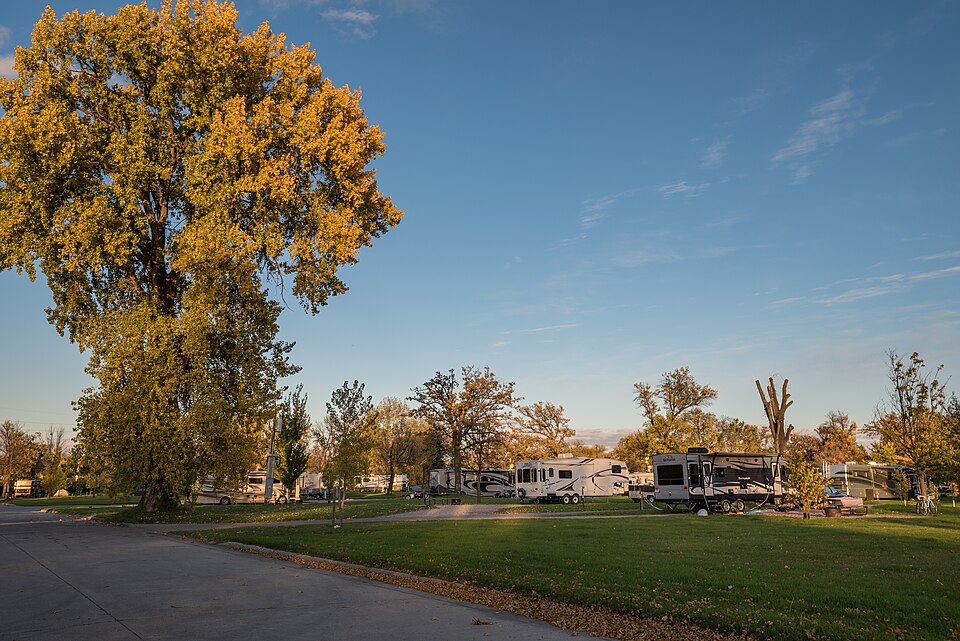
Lock in a stay for this season
Campsites near Catoctin Mountain on Campspot
Partner link · Campspot
Fall Foliage and Crisp Autumn Air
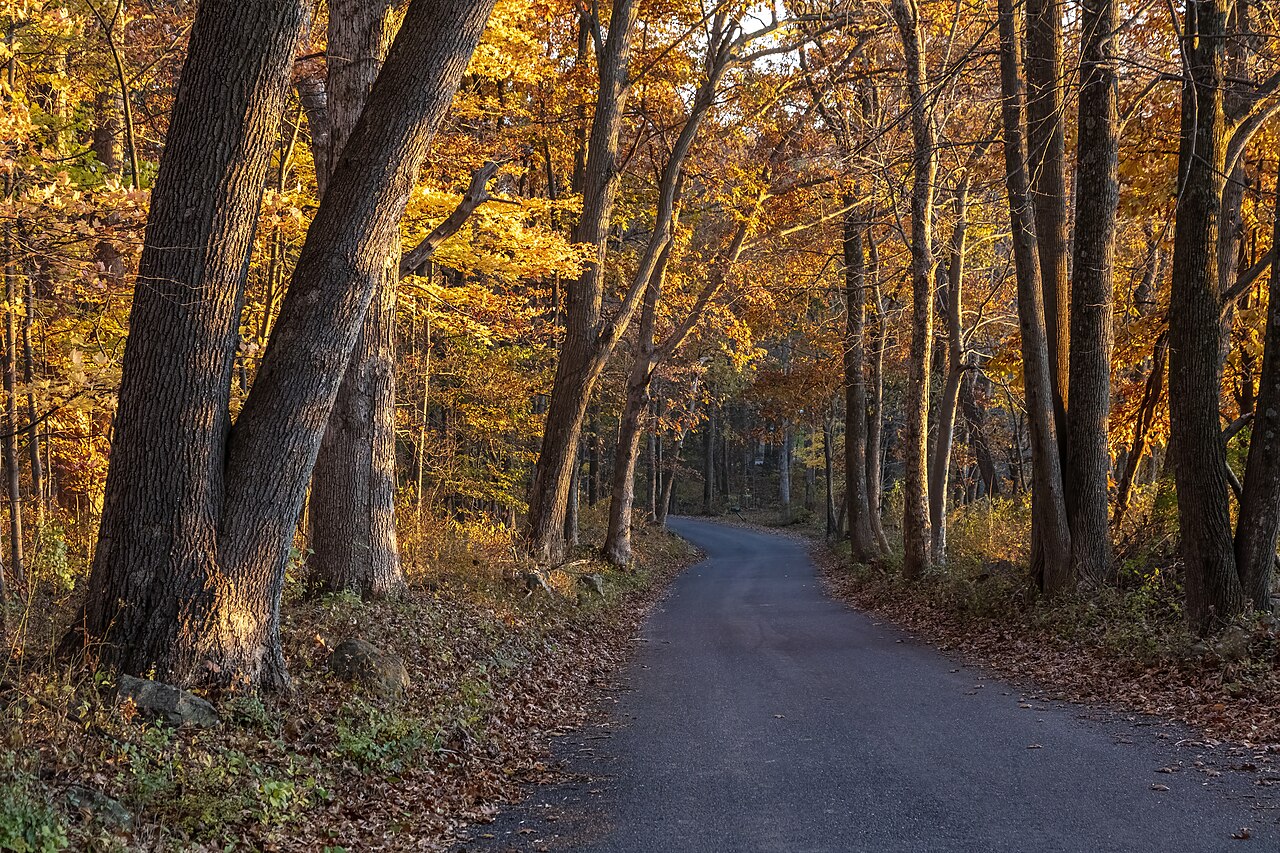
Many locals argue that September and October represent the absolute best time to visit Catoctin Mountain. As the deciduous forest begins its transformation, the ridges turn into a tapestry of brilliant oranges, deep reds, and bright yellows. The air becomes crisp and dry, providing high-contrast views from the many rocky overlooks. Hiking to Blue Ridge Summit Overlook during the peak of autumn color is a quintessential Maryland outdoor experience that draws visitors from across the Mid-Atlantic.
Because fall is such a popular time for leaf-peeping, the weekends in October can be very busy. It is a good idea to check the official park or NPS site for current foliage reports to time your visit perfectly. The cooler temperatures are also perfect for campfire evenings at the campgrounds, though you should be prepared for chilly nights that can occasionally dip toward freezing. Reservations for any available cabin rentals should be made many months in advance for October dates.
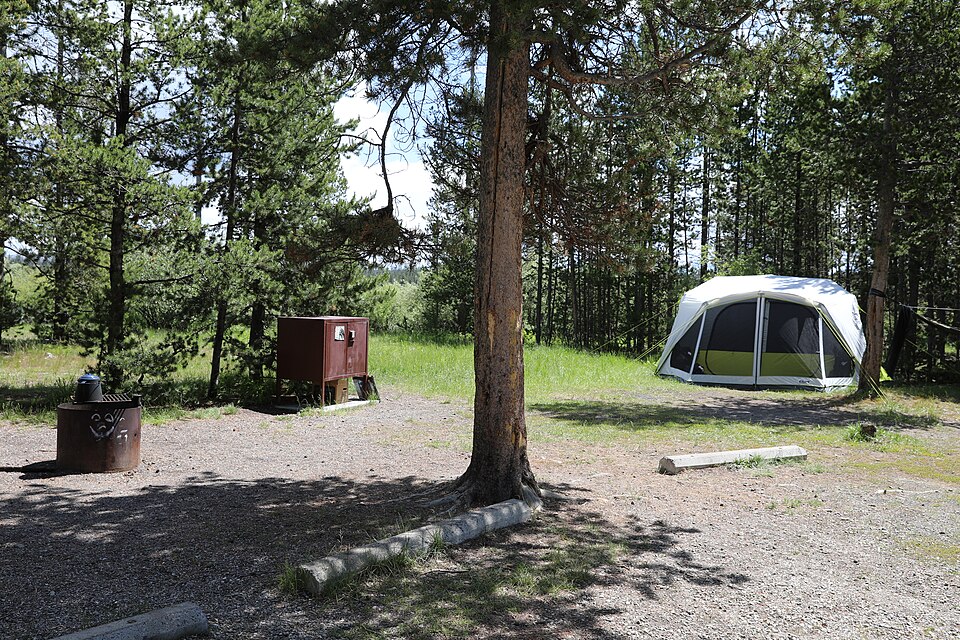
Lock in a stay for this season
Harvest Hosts stays on the way to Catoctin Mountain
Partner link · Harvest Hosts
Winter Solitude and Silhouettes
Winter at Catoctin Mountain offers a stark, quiet beauty that is often overlooked. Once the leaves have fallen, the unique geology of the mountain is revealed, showcasing the ancient greenstone and quartzite formations that are hidden during the summer. While some park roads may close due to snow or ice, many trails remain open for hardy hikers and cross-country skiers. The lack of crowds provides a sense of profound solitude that you won't find during the warmer months.
Daytime temperatures usually hover in the 30s or 40s, and snow is common but not constant. This is the best time for those who enjoy tracking wildlife, as paw prints are easily seen in the light snow crust. If you visit in winter, ensure your vehicle is equipped for mountain roads and always check the official NPS site for road closures or weather alerts before heading up the mountain. It is a time for short, brisk walks followed by a warm meal in the nearby town of Thurmont.
Reservations and Crowds
Understanding the rhythm of the crowds is key to a peaceful visit. Weekends from late May through October see the highest volume of traffic, particularly around the Visitor Center and the Hog Rock area. If your schedule allows for a midweek trip, you will find significantly more parking and quieter trails. For those looking to stay overnight in the park's historic cabin camps, you must plan your booking window carefully, as these sites are highly sought after by groups and families.
Budgeting for your trip is relatively straightforward, with an average daily cost around $140 per person covering modest lodging nearby, meals, and park fees. There is no major permit level required for general hiking, but special use permits may be needed for specific activities. Always check the official park website for the most up-to-date information on facility hours and any seasonal restrictions that might affect your itinerary. Planning ahead ensures that you spend more time on the trails and less time navigating logistics.
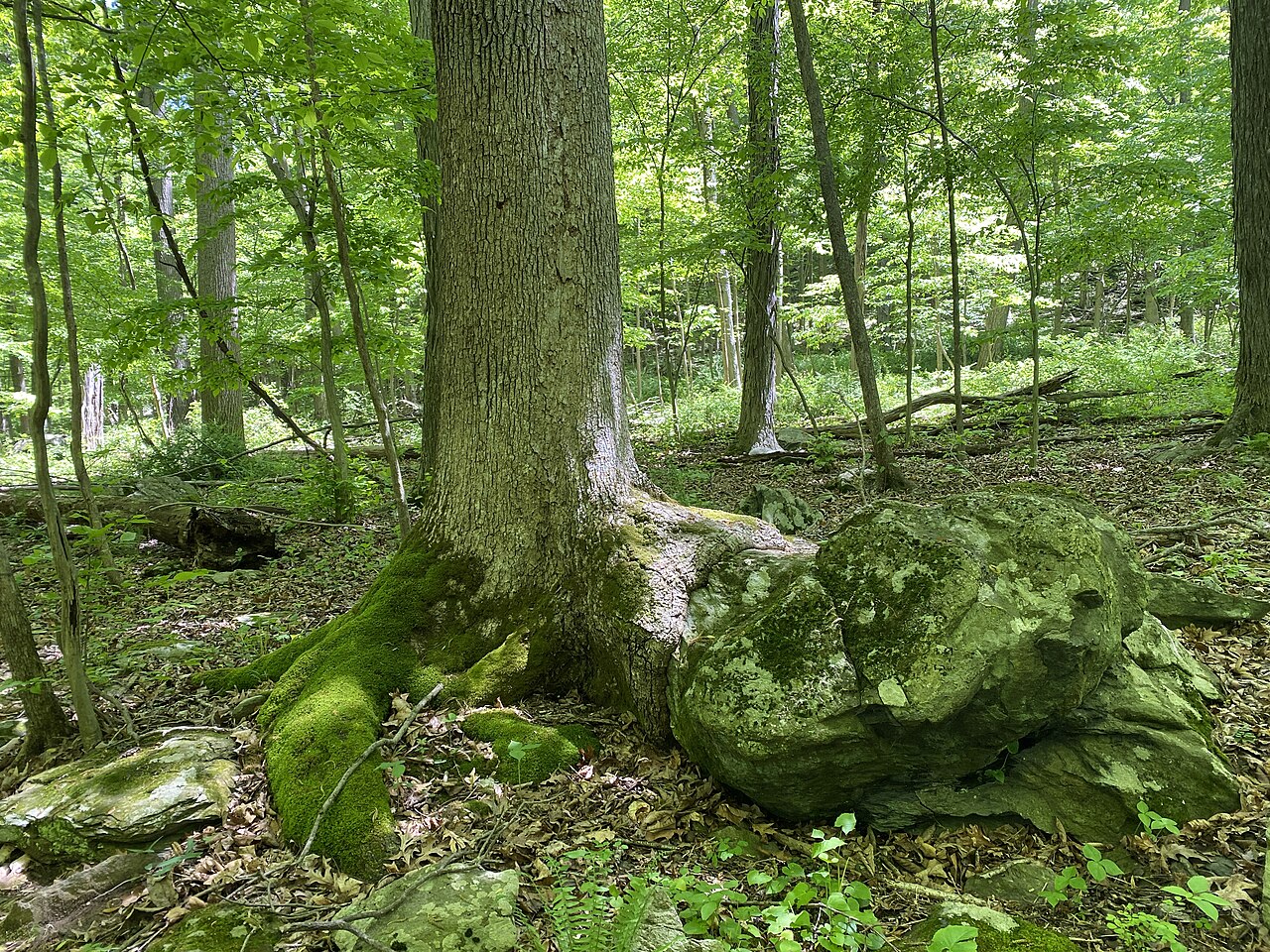
More ways to book Catoctin Mountain
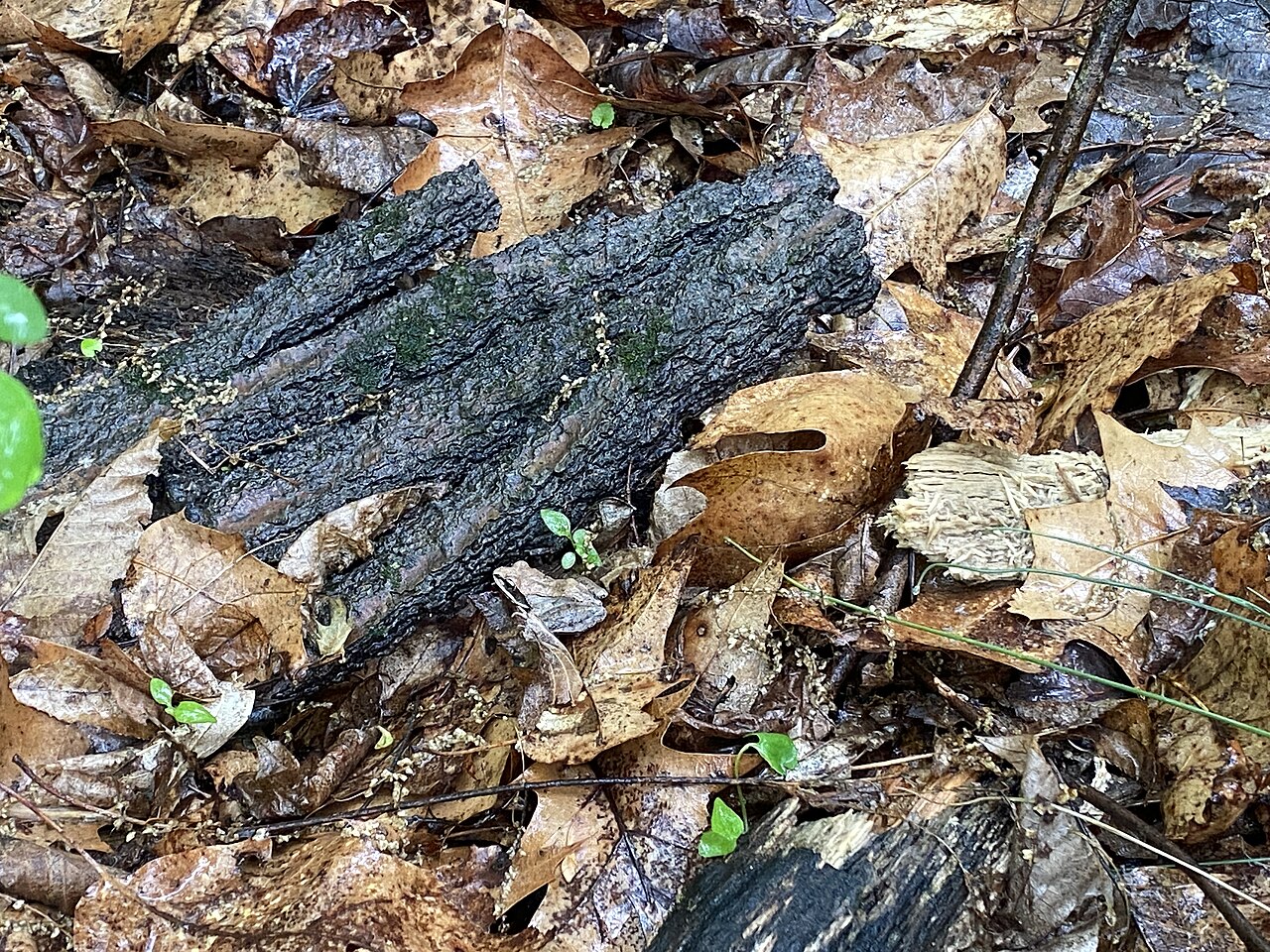 Illustrative · TheTurducken
Hog Rock Overlook
One of the classic ways to experience Catoctin Mountain.
Varies (estimate)
Partner link · Viator