
Canyonlands rewards both quick scenic stops and days spent exploring on foot, but its separate districts make choosing a focus more useful than trying to see everything. Start with Island in the Sky for broad canyon views and accessible road-trip logistics, then consider the Needles for a more trail-centered visit. The Colorado and Green rivers shape the landscape below, while remote backcountry areas demand more preparation than a typical sightseeing day.
Drive Island in the Sky’s Scenic Roads
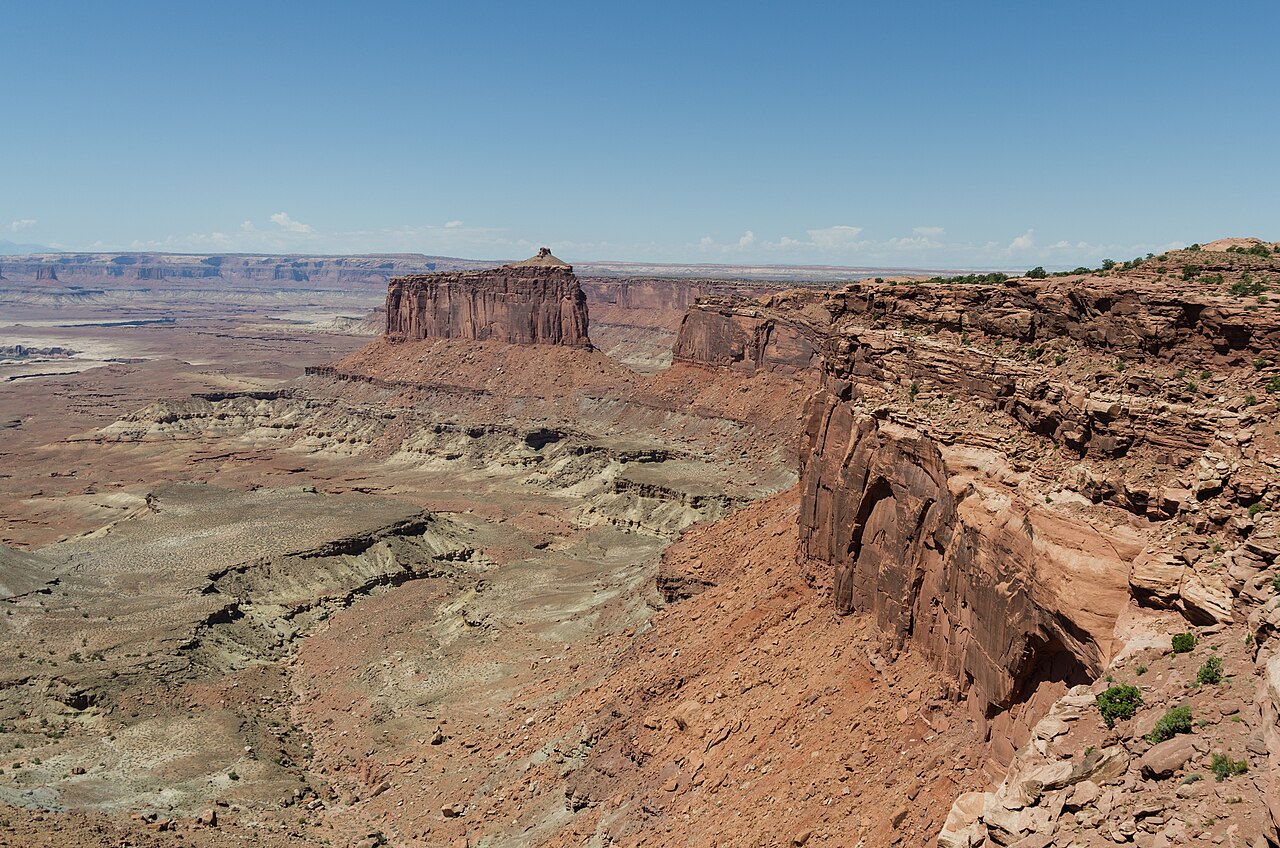
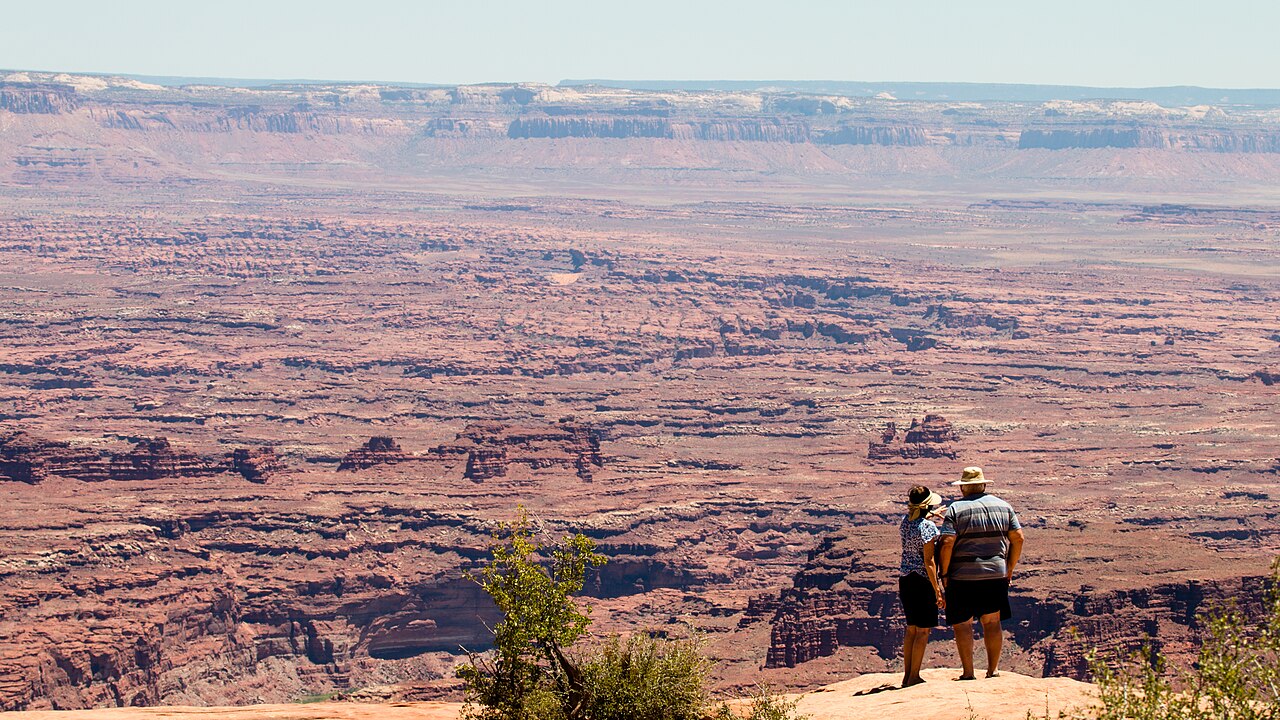
Island in the Sky is the easiest district to build into a Moab-based sightseeing day. Its paved roads connect overlooks where mesas, canyon walls, and distant river corridors reveal the park’s enormous scale. Grand View Point, Green River Overlook, and the Shafer Canyon area make useful anchors for a relaxed route.
Leave room between stops rather than treating every viewpoint as a quick photo task. Changing light can make the same landscape look completely different across a day. Stay behind barriers where provided and give cliff edges plenty of space. Do not confuse the district’s paved sightseeing roads with rough backcountry routes such as the White Rim Road.
Choose Hikes for Your Time and Experience
Mesa Arch is a short, popular walk with a dramatic canyon backdrop, but its uneven footing and nearby drop-offs still require attention. Grand View Point offers another memorable rim experience. For a different setting, head to the Needles, where sandstone spires, slickrock, and narrow passages create a more immersive hiking landscape.
Chesler Park is a well-known destination for a longer Needles outing, not a quick addition to a packed driving day. Choose your exact route using official trail descriptions, and match distance, elevation changes, and navigation demands to your group. Bring water, sun protection, food, and an offline map; shade and reliable phone reception are limited.
Look for Wildlife and Explore River Country
Watch for ravens riding the air above canyon rims, small lizards near trails, and mule deer or desert bighorn sheep in suitable habitat. Sightings are never assured, and patience usually serves you better than chasing an animal for a closer photograph. Keep your distance, never feed wildlife, and store food securely.
The Colorado and Green rivers are central to Canyonlands, but most rim overlooks do not provide easy access to the water. Paddling and rafting involve permits, transportation logistics, and conditions that vary by river section. Cataract Canyon includes serious whitewater. If a river trip interests you, research qualified outfitters and official NPS river guidance well before arrival.
Make a Family Visit About Small Discoveries
With kids, a few short outings usually work better than a long checklist. Pair an overlook with time to notice rock layers, lizard tracks, or the way a raven moves on canyon winds. Ask at a visitor center about the Junior Ranger program and choose walks using current NPS descriptions rather than distance alone.
At the Needles, the Roadside Ruin and Cave Spring trails can introduce different parts of the landscape, though Cave Spring includes ladders that will not suit every family. Keep children close near drop-offs and roads. Bring snacks, extra drinking water, hats, and layers, and turn around before heat or fatigue becomes the main memory.
Keep a Rainy-Day Alternative
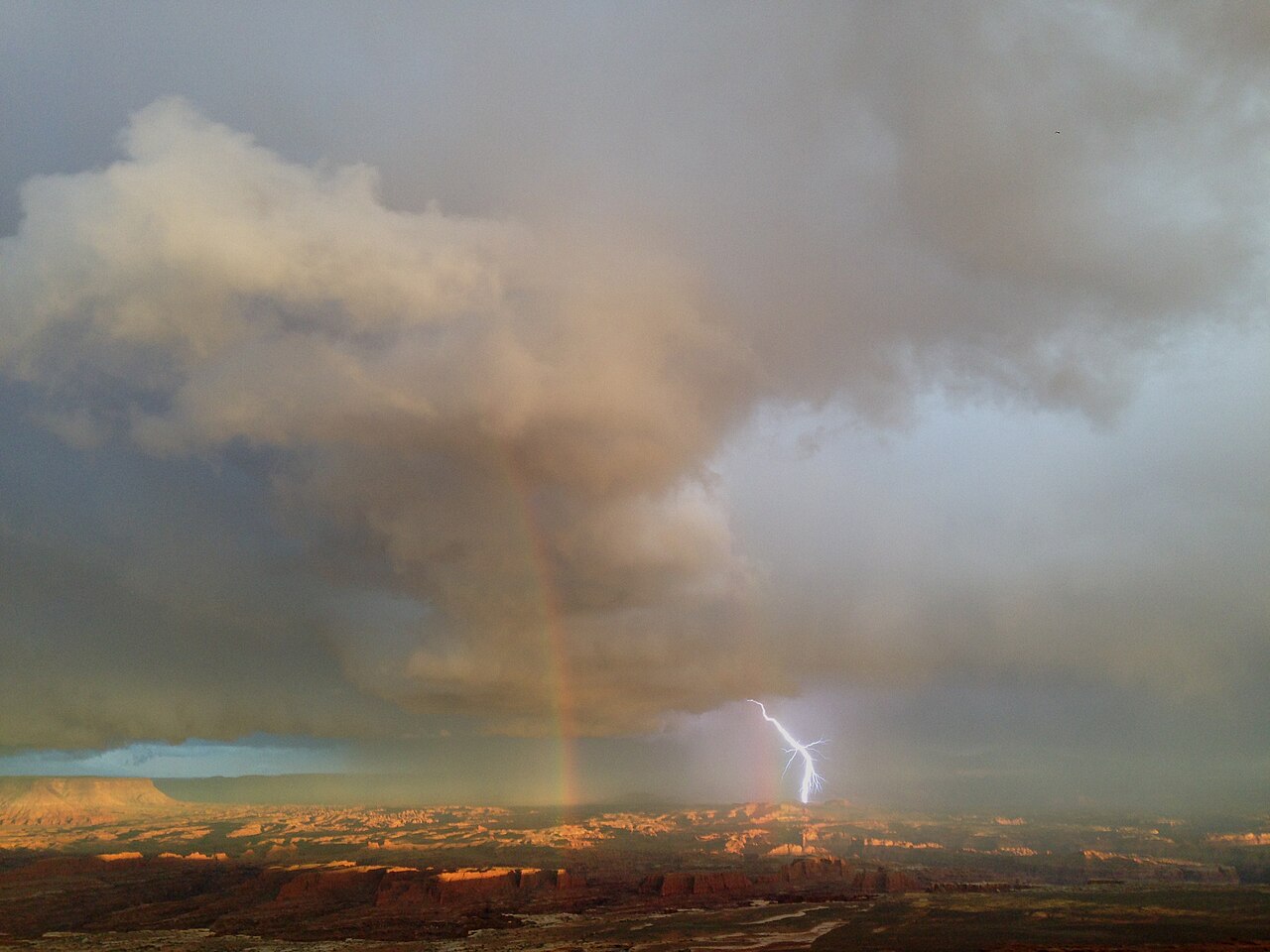
Rain can transform the desert, but it can also make dirt roads impassable and increase flash-flood risk in washes and narrow drainages. Lightning is another reason to leave exposed overlooks and reconsider hiking. A rainy-day plan should prioritize current conditions rather than assuming a paved drive will always remain suitable.
If park roads and weather allow, spend time with visitor center exhibits and make only brief outdoor stops between storms. Confirm current visitor center hours on the official NPS site. If conditions are poor, stay in Moab or Monticello for indoor exhibits, a leisurely meal, or trip planning. Save remote roads and wash-based hikes for an appropriate weather window.