
Canyonlands glamping usually means staying outside the national park in a furnished tent or another comfort-focused outdoor accommodation, then driving in for hikes and overlooks. The biggest decision is location: a stay near Moab can suit Island in the Sky, while the Monticello area may fit a Needles-focused route. Look beyond the photos and compare bathrooms, temperature control, road access, and the actual drive to your chosen district before booking.
What Glamping Looks Like Near Canyonlands
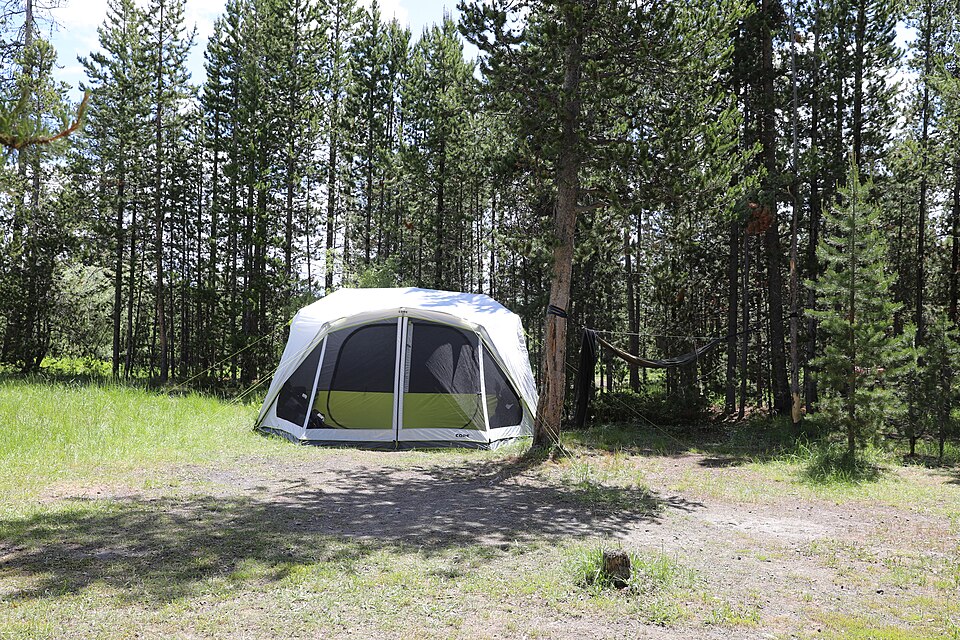
Around the greater Moab area, glamping can range from furnished canvas tents to cabin-style accommodations with a more outdoorsy setting than a conventional hotel. A real bed does not necessarily mean a private bathroom, air conditioning, or a full kitchen. Some properties emphasize shared facilities and communal spaces, while others offer more privacy.
Read the accommodation details carefully and confirm which amenities belong to your specific unit. Ask about heating or cooling, bedding, showers, drinking water, cooking arrangements, and parking. Wind, dust, and large day-to-night temperature swings remain part of the desert experience. Treat glamping as a comfortable base near the park, not as a guarantee of hotel-like conditions.
Choose an Area That Fits Your Park District
Moab and its surrounding area are the most straightforward starting points for travelers focusing on Island in the Sky. Staying near town makes groceries and meals easier; a more outlying property may offer a quieter setting but add driving to both services and the park. Compare exact locations rather than relying on a listing’s broad reference to Canyonlands.
For the Needles, consider the Monticello area and accommodations along your planned approach. Glamping choices may be more limited than around Moab, so remain open to cabins or conventional lodging. No single base makes every Canyonlands district convenient. Check road surfaces and vehicle requirements, especially if a property is reached by an unpaved access road.
Pick a Season and Book With Conditions in Mind
Spring and fall generally provide the most comfortable balance for sleeping close to the outdoors and spending days on exposed trails. Nights can still be cold, especially early in spring and later in fall, so confirm how the accommodation handles low temperatures. Summer tents may become very hot without effective cooling, even if evenings feel more pleasant.
Winter requires particular attention to heating, plumbing, and seasonal operations. Do not assume a property is available year-round. For popular spring and fall dates, start comparing stays several months ahead when possible. Review cancellation terms and weather-related access policies, then check the official Canyonlands NPS site for current park conditions and any campground or backcountry reservations needed.
Where to sleep
Harvest Hosts stays on the way to Canyonlands National Park
Partner link · Harvest Hosts
Pack for Comfort Beyond the Bed
Bring layered clothing, a warm outer layer, sun protection, sturdy walking shoes, and a headlamp for moving around after dark. Even a well-equipped tent stay can involve an outdoor walk to the bathroom. Earplugs can help with wind noise, and a small bag for dusty shoes keeps the sleeping area more comfortable.
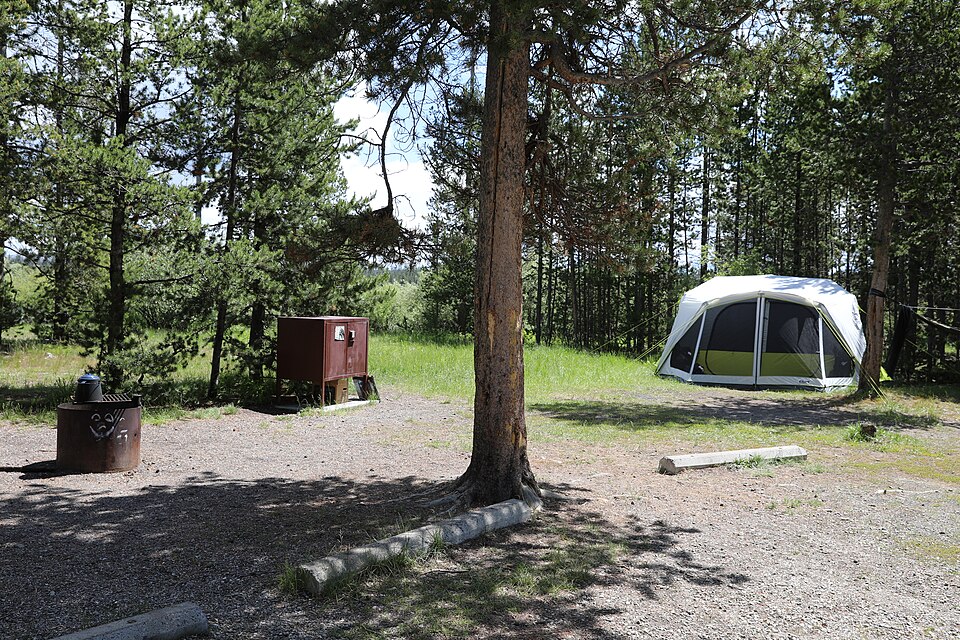
For park days, pack refillable water containers, snacks, a daypack, offline maps, and a backup power source. Confirm whether towels, toiletries, bedding, cookware, and a refrigerator or cooler are provided before duplicating gear. Follow the property’s food-storage rules and current fire restrictions. A fire pit shown in a listing does not mean fires will be permitted during your visit.
Glamping vs. Camping vs. an RV Stay
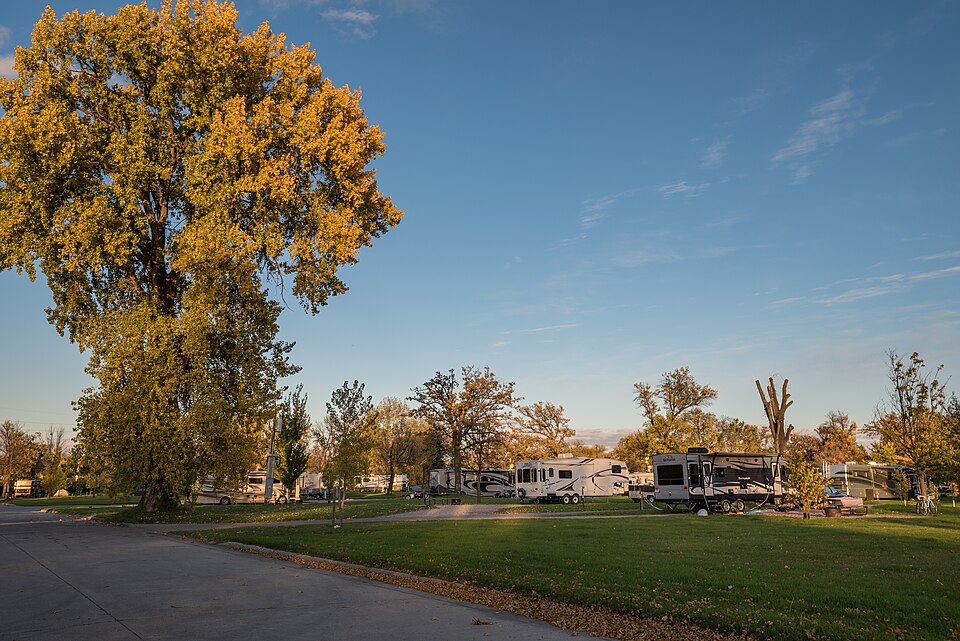
Glamping suits travelers who want an outdoor atmosphere without transporting a full campsite. Traditional camping generally costs less but requires more equipment and self-sufficiency; park campgrounds should not be assumed to have showers or hookups. An RV can provide your own sleeping and cooking space, but larger vehicles add parking and route constraints.
As a rough budgeting guide, glamping often costs more than a basic campsite and may resemble hotel spending, especially in popular seasons. Compare the full estimated stay cost, including fees and meals, rather than the nightly headline alone. For RV trips, confirm vehicle limits, campsite dimensions, and available services. None of these lodging choices makes rough Canyonlands backcountry roads suitable for an ordinary vehicle.