
For those who want to experience the rugged beauty of the Idaho wilderness without sacrificing the comforts of home, Boise National Forest glamping is the perfect solution. This growing trend allows travelers to sleep under the vast Idaho stars in a comfortable bed, often with amenities like heaters, linens, and even kitchenettes. It bridges the gap between traditional tent camping and a standard hotel stay, providing a more immersive nature experience that focuses on relaxation and scenic views.
What to Expect from Idaho Glamping
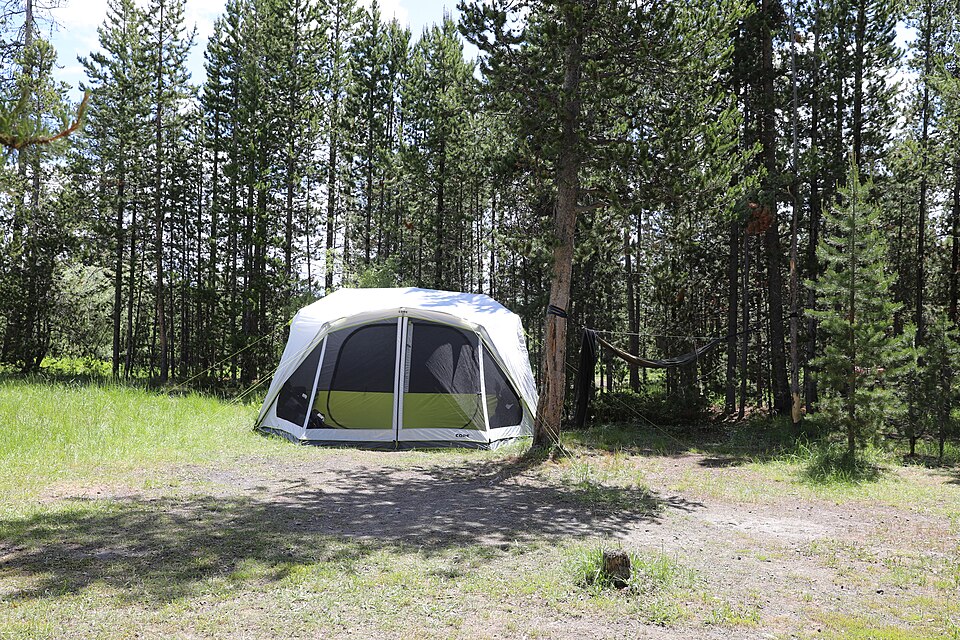
Glamping near the Boise National Forest typically takes the form of canvas wall tents, yurts, or refurbished vintage trailers located on the forest's edge. Unlike a standard campground where you provide all your own gear, a glamping site usually comes pre-furnished with a real mattress, cozy blankets, and often decorative touches that reflect the mountain setting. Many sites include private fire pits and outdoor seating areas, allowing you to enjoy the fresh mountain air in total comfort.
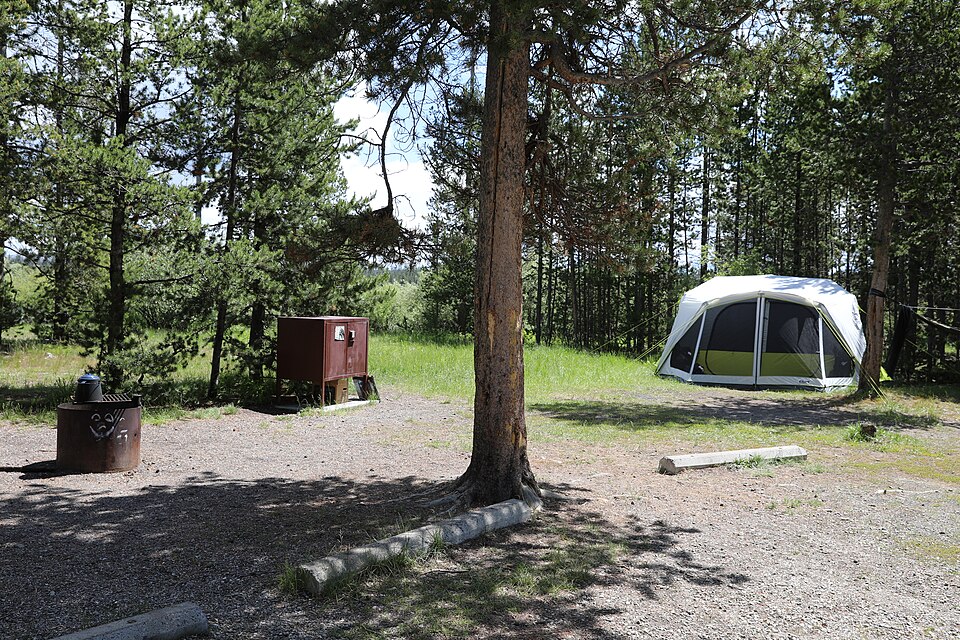
While some sites may offer private bathrooms, others utilize high-end shared facilities. The focus is on providing a 'slow travel' experience where the environment is the main attraction, but the physical hardships of campingâlike sleeping on the ground or setting up a tent in the rainâare removed. It is a fantastic option for couples on a romantic getaway or families who want a taste of the outdoors without the logistical headache of hauling a trailer or massive amounts of gear. Always check the specific amenities listed by the host to understand what level of luxury to expect.
Top Glamping Areas: Garden Valley and Lowman
The areas surrounding Garden Valley and Lowman are the primary hubs for glamping near the forest. These gateway communities are situated along the scenic river corridors, providing easy access to both the water and the mountains. In Garden Valley, you can find glamping setups that overlook the meadows where elk frequently graze, offering a peaceful backdrop for your morning coffee. The proximity to the Payette River makes these locations ideal for those who want to spend their days rafting and their nights in a plush bed.
Lowman offers a slightly more rugged feel, with glamping sites often tucked into the pine trees near natural hot springs. Staying in this area puts you in the heart of the forest's geothermal activity, making it easy to take a late-night soak before retreating to a warm yurt. These gateway towns provide the necessary services like small grocery stores and local eateries, so you can enjoy a meal out before heading back to your private outdoor sanctuary. Checking the official forest maps can help you find glamping sites that sit right on the boundary of public and private land.
Glamping Near Historic Idaho City
Idaho City is another prime location for finding unique glamping accommodations. Just a short drive from Boise, this area offers a mix of high-desert and mountain forest landscapes. Glamping here often leans into the townâs gold-rush history, with rustic-chic designs that evoke a sense of the Old West. You might find elevated canvas tents situated on ridges that offer stunning views of the sunset over the Boise Mountains.
Staying near Idaho City allows you to spend your day exploring the historic townâs architecture and local shops before heading to a secluded site for the night. The elevation here is slightly lower than Lowman, which can mean warmer nights in the early summer and late fall. Itâs an excellent base camp for those who want to explore the southern reaches of the forest, including the trails around Mores Creek. Because these sites are so close to the state capital, they are highly sought after, so making reservations well in advance through reputable booking platforms or checking local visitor guides is essential.
Where to sleep
Harvest Hosts stays on the way to Boise National Forest
Partner link · Harvest Hosts
Seasonality and Weather Considerations
The best time for glamping in the Boise National Forest area is generally from June through September. During these months, the nighttime temperatures are mild enough to enjoy sitting outside by a fire, and most glamping operators are in full swing. Unlike traditional camping, some glamping yurts and cabins are equipped with wood stoves or propane heaters, which can extend the season into the late fall or even early winter.
However, it is important to remember that this is a mountain environment. Even in July, temperatures can drop significantly once the sun goes down. If you are glamping in the shoulder seasons of May or October, come prepared with extra layers. Snow can fall as early as September in the higher elevations, which might affect access to certain remote glamping sites. Always check the weather forecast and the official Forest Service site for road conditions, especially if your glamped destination requires driving on unpaved forest roads. A four-wheel-drive vehicle is often recommended for reaching the more secluded luxury sites.
Glamping vs. RVing vs. Camping
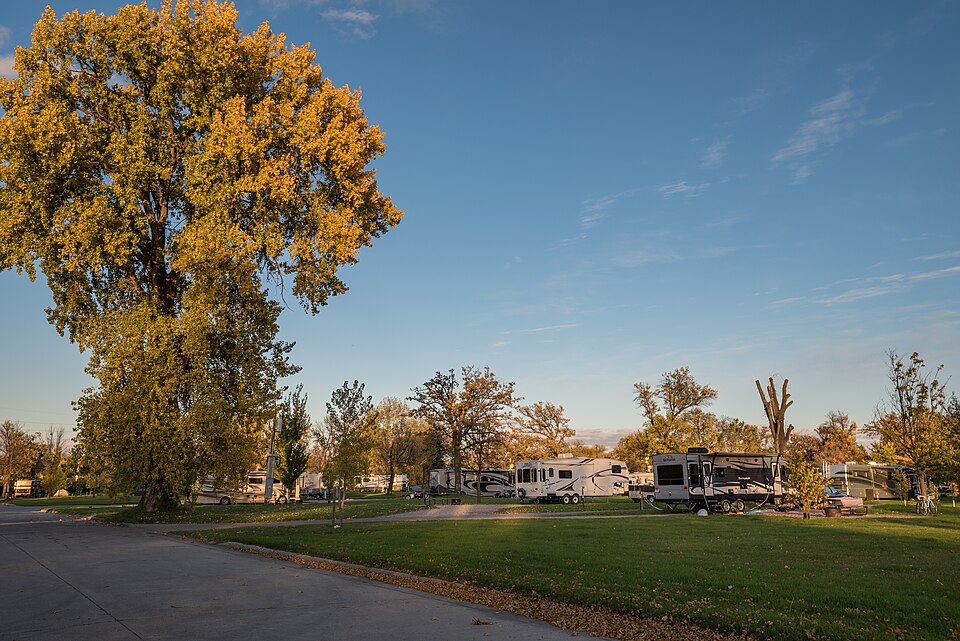
Deciding between glamping, RVing, or traditional camping depends on your desired level of autonomy and comfort. Traditional camping offers the most flexibility and the lowest cost, allowing you to stay in deep backcountry sites for a modest daily budget of around $140 (including food and fuel). RVing is a popular middle ground, providing your own kitchen and bathroom, though it requires navigating winding mountain roads and finding sites with appropriate hookups.
Glamping stands out by offering a curated, high-comfort experience without the need to own or tow a large vehicle. It is perfect for those who want to fly into Boise Air Terminal (BOI), rent a standard SUV, and arrive at a ready-made retreat. While glamping is typically the most expensive option, the value lies in the saved time and the unique atmosphere of the accommodations. For the best experience, regardless of which style you choose, always consult the official Forest Service website to ensure your chosen site is in an area that aligns with your planned activities, like proximity to specific hiking trails or boat ramps.