
Choosing the best time to visit Boise National Forest depends entirely on your passion for the outdoors. While the forest encompasses millions of acres of rugged Idaho wilderness, its accessibility changes dramatically with the mountain snowpack. Summer offers the full range of high-altitude lake access and river rafting, while the shoulder seasons provide a quieter, more reflective experience among the changing ponderosa pines and golden larches. Understanding the rhythm of the Sawtooth and Boise Mountains will ensure your adventure meets your expectations for weather and solitude.
Summer: The Peak Season for Adventure
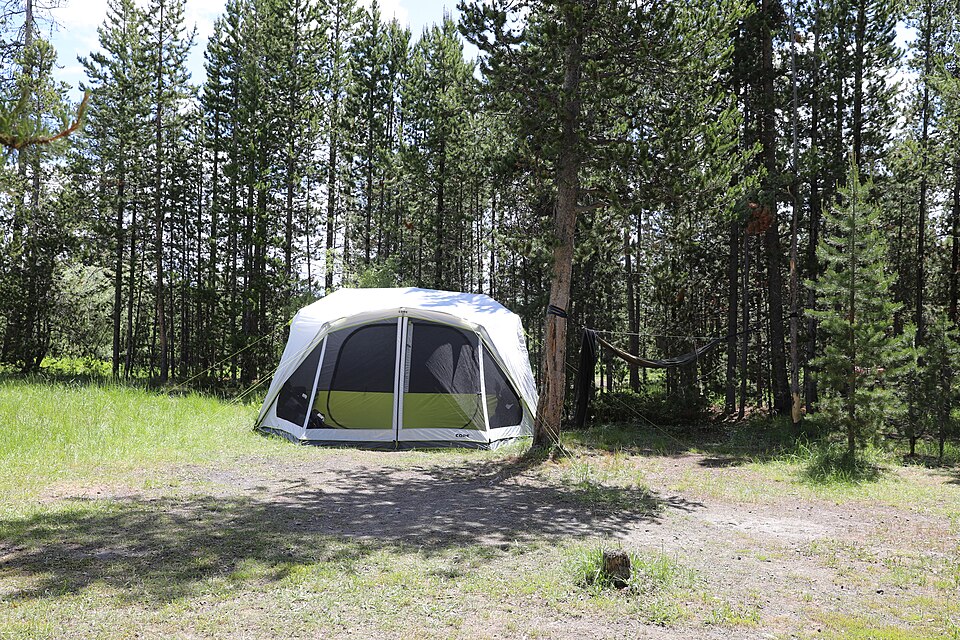
From late June through August, the Boise National Forest is in its prime. This is widely considered the best time to visit Boise National Forest for high-elevation hiking and camping. During these months, the snow has finally retreated from the mountain passes, allowing vehicles to reach remote trailheads and lakeside campgrounds. Temperatures in the lower elevations near the Boise River can be quite warm, often reaching the high 80s or 90s, but the higher alpine areas remain comfortably cool for daytime exploration.
Summer is the only time when the entire forest road system is typically fully open, making it the ideal window for those looking to reach the deep backcountry or the Trinity Mountain Lookout. Because this is the most popular time for visitors, especially on weekends, it is crucial to check the official NPS or Forest Service sites for current fire restrictions and campground availability. Water levels in the Payette River are generally robust through July, providing world-class whitewater rafting conditions.
Lock in a stay for this season
RV parks near Boise National Forest on RoverPass
Partner link · RoverPass
Fall: Crisp Air and Changing Colors
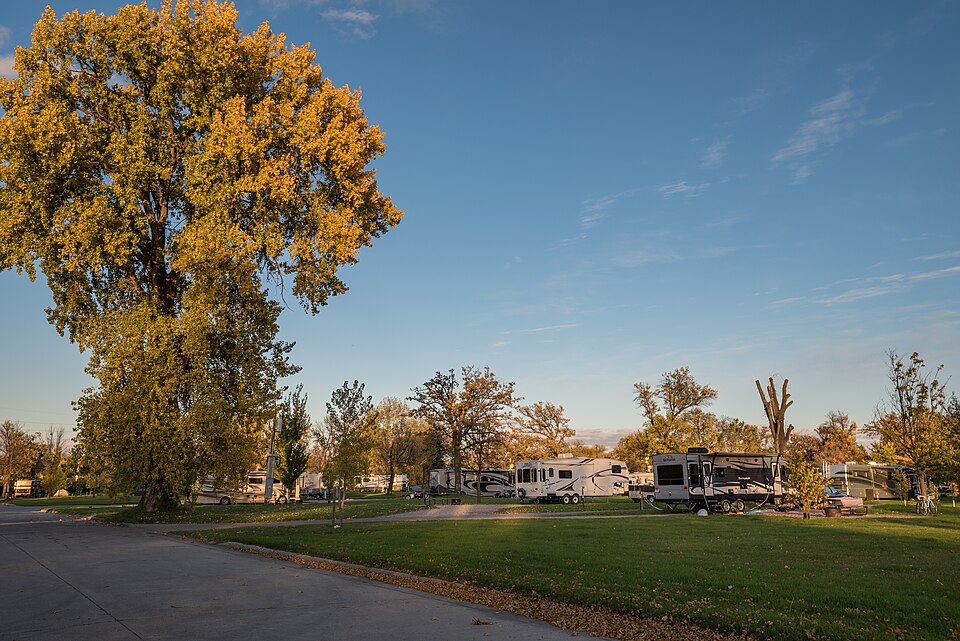
September and October represent a magical transition period in South Central Idaho. As the summer heat fades, the air turns crisp and clear, providing excellent visibility for photography and long-distance hiking. The deciduous trees along the river corridors begin their transformation into vibrant oranges and yellows, contrasted against the deep evergreen of the Douglas firs. This is a favorite season for locals who enjoy the drop in crowd levels and the absence of summer insects.
While days are pleasant, nighttime temperatures can drop rapidly, often reaching freezing levels by late September. If you plan to camp during this time, come prepared with high-quality sleeping bags and warm layers. Most developed campgrounds begin to scale back services or close entirely by mid-October, so self-sufficiency is key. It is an excellent time for soaking in the various natural geothermal springs found throughout the forest, as the cooler air makes the warm water even more inviting.
Lock in a stay for this season
Campsites near Boise National Forest on Campspot
Partner link · Campspot
Winter: A Snowy Wonderland
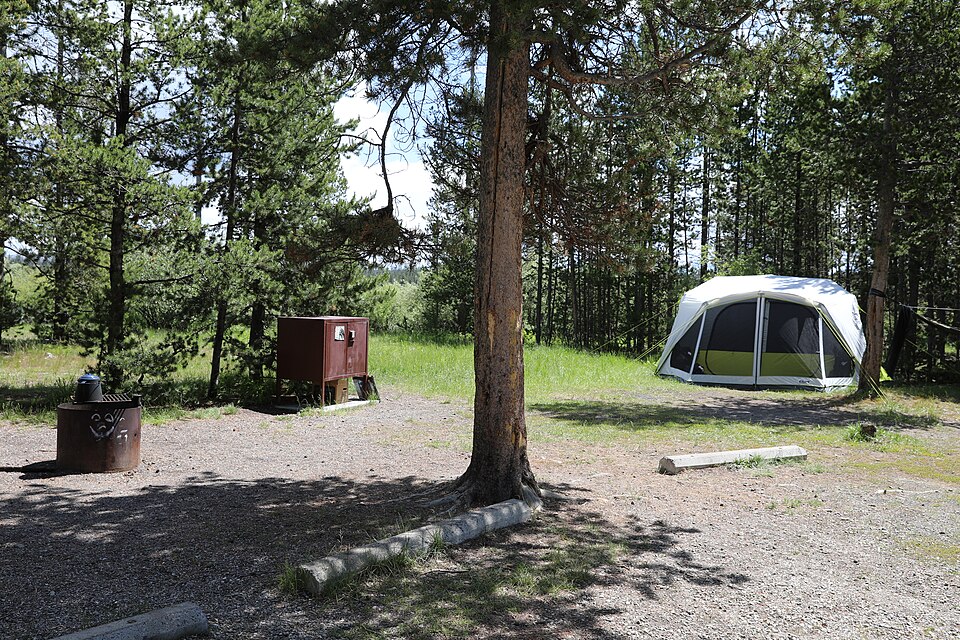
Winter transforms the Boise National Forest into a playground for snow enthusiasts. From December through March, the landscape is blanketed in deep Idaho powder, limiting vehicle access to a few main plowed corridors like Highway 21 and the Banks-Lowman Road. This season attracts those looking for snowmobiling, cross-country skiing, and snowshoeing. The high-altitude terrain becomes a silent, white expanse that is both beautiful and challenging.
Travelers should be aware that many forest roads are not maintained in the winter and become designated groomed trails for winter recreation. Accessing natural hot springs often requires a trek through the snow, which adds a sense of adventure to the soak. Before heading out, it is vital to check current weather reports and avalanche forecasts, as mountain conditions can change in minutes. Winter is the quietest time in the forest, perfect for those seeking true solitude, though it requires specialized gear and a high level of preparedness for sub-freezing temperatures.
Lock in a stay for this season
Harvest Hosts stays on the way to Boise National Forest
Partner link · Harvest Hosts
Spring: The Season of Rushing Water
Spring in the Boise National Forest is a time of dramatic awakening. As the snow begins to melt in April and May, the forestâs rivers and creeks swell, creating powerful waterfalls and fast-moving whitewater. While the lower elevations near Boise and Garden Valley begin to green up and show wildflowers, the high country remains locked in snow often until late June. This creates a unique dynamic where you can hike in the valley but would need skis for the peaks.
This is a challenging time for road travel, as melting snow can make dirt forest roads muddy and unstable. It is a prime season for bird watching and spotting wildlife as animals move to lower elevations for fresh forage. Travelers should monitor the official Forest Service website for road closures and flood advisories during the spring runoff. While some campgrounds may open early, many remain closed until the ground dries, so checking current conditions is essential for any spring itinerary.
Managing Crowds and Reservations
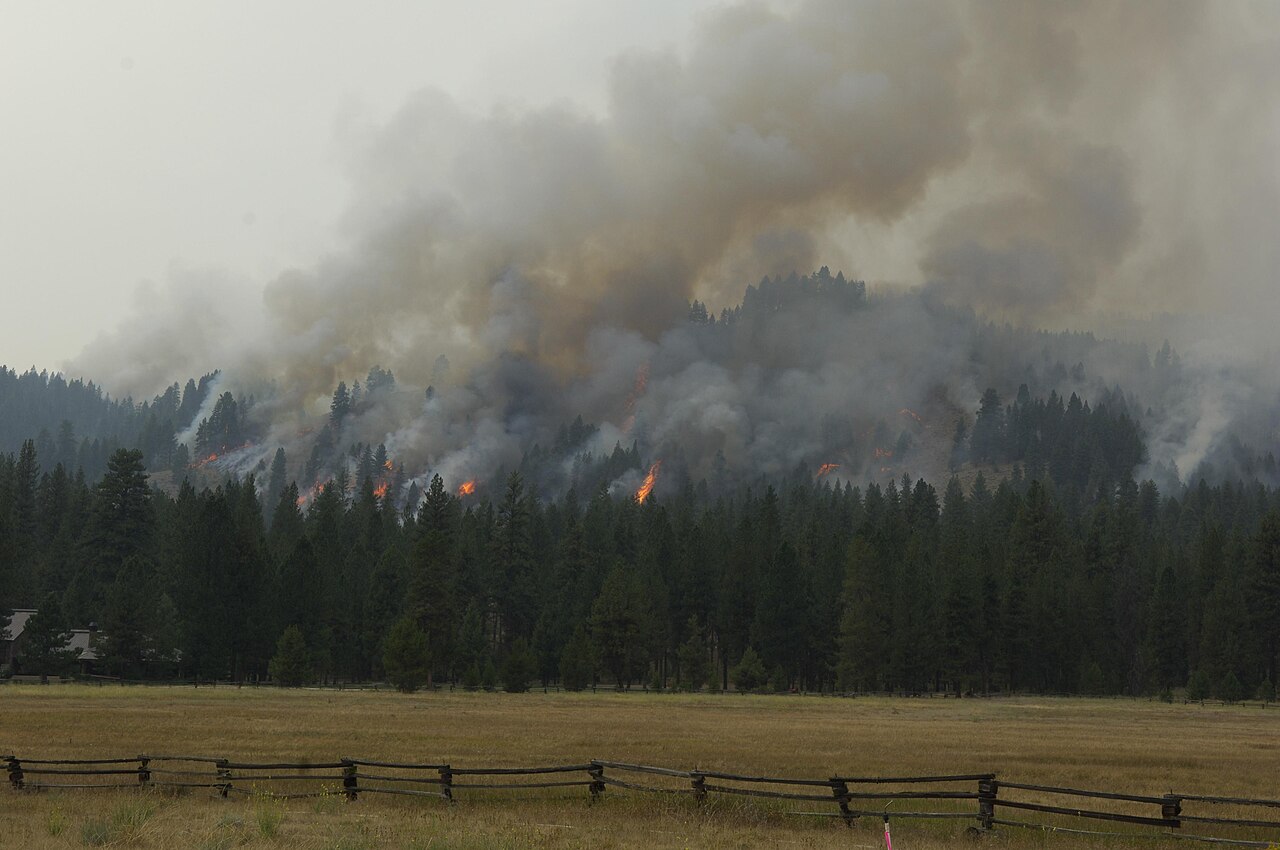
Despite its vast size, the most accessible parts of the Boise National Forest can get busy, particularly around holiday weekends like July 4th and Labor Day. To secure the best experience, aim for mid-week visits if your schedule allows. Popular sites along the North and Middle Forks of the Payette River see the most traffic, while moving further into the backcountry or towards the eastern edge of the forest provides more privacy.
For developed campgrounds, reservations are often managed through centralized government booking systems and can be made several months in advance. Many sites also offer a first-come, first-served policy, but these tend to fill by Thursday afternoon during the summer peak. If you are looking for a more secluded experience, dispersed camping is permitted in many areas of the forest, provided you follow Leave No Trace principles. Always verify current permit requirements and fire regulations on the official Forest Service website before your arrival to ensure a smooth and responsible trip.
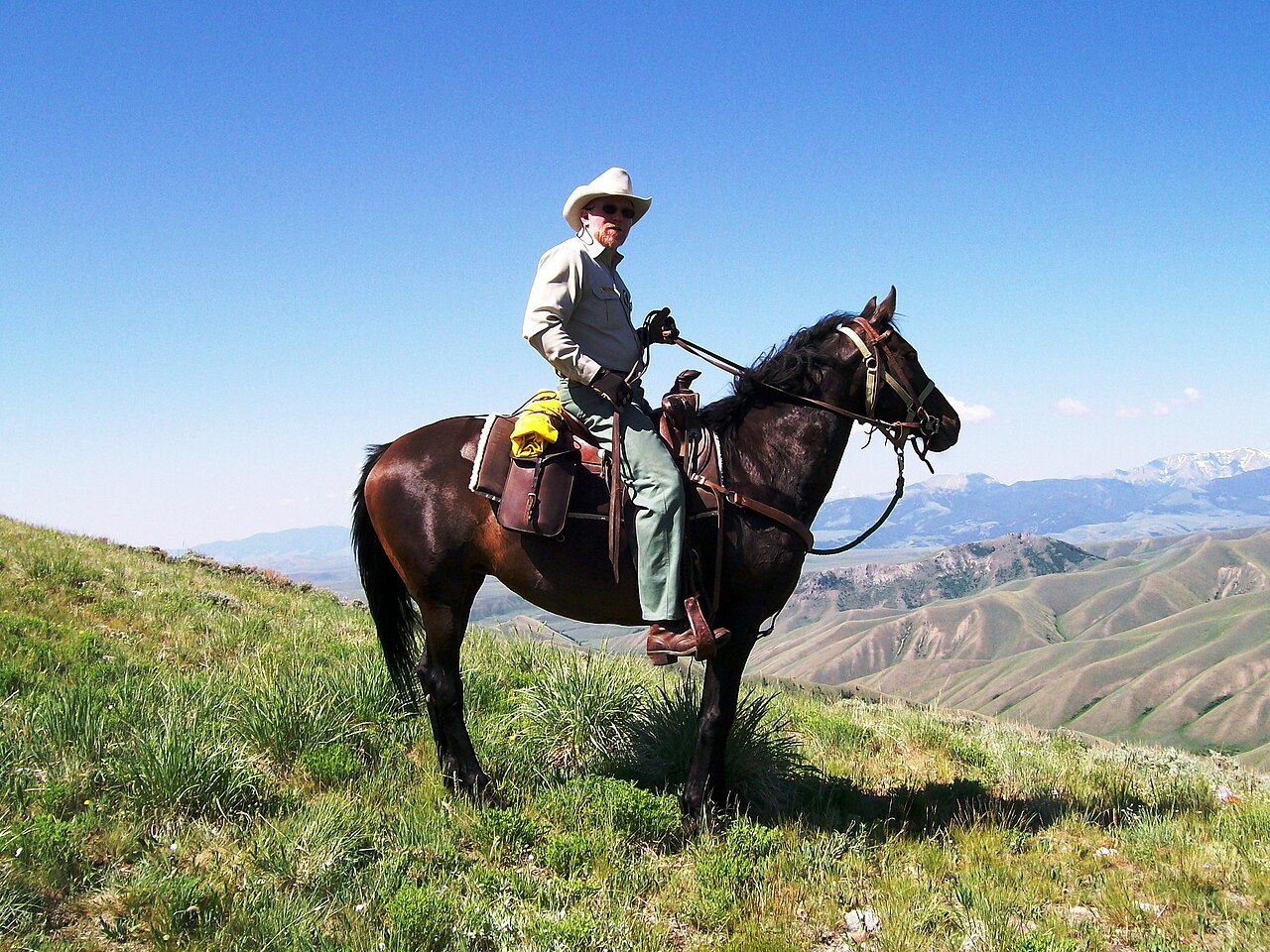
More ways to book Boise National Forest
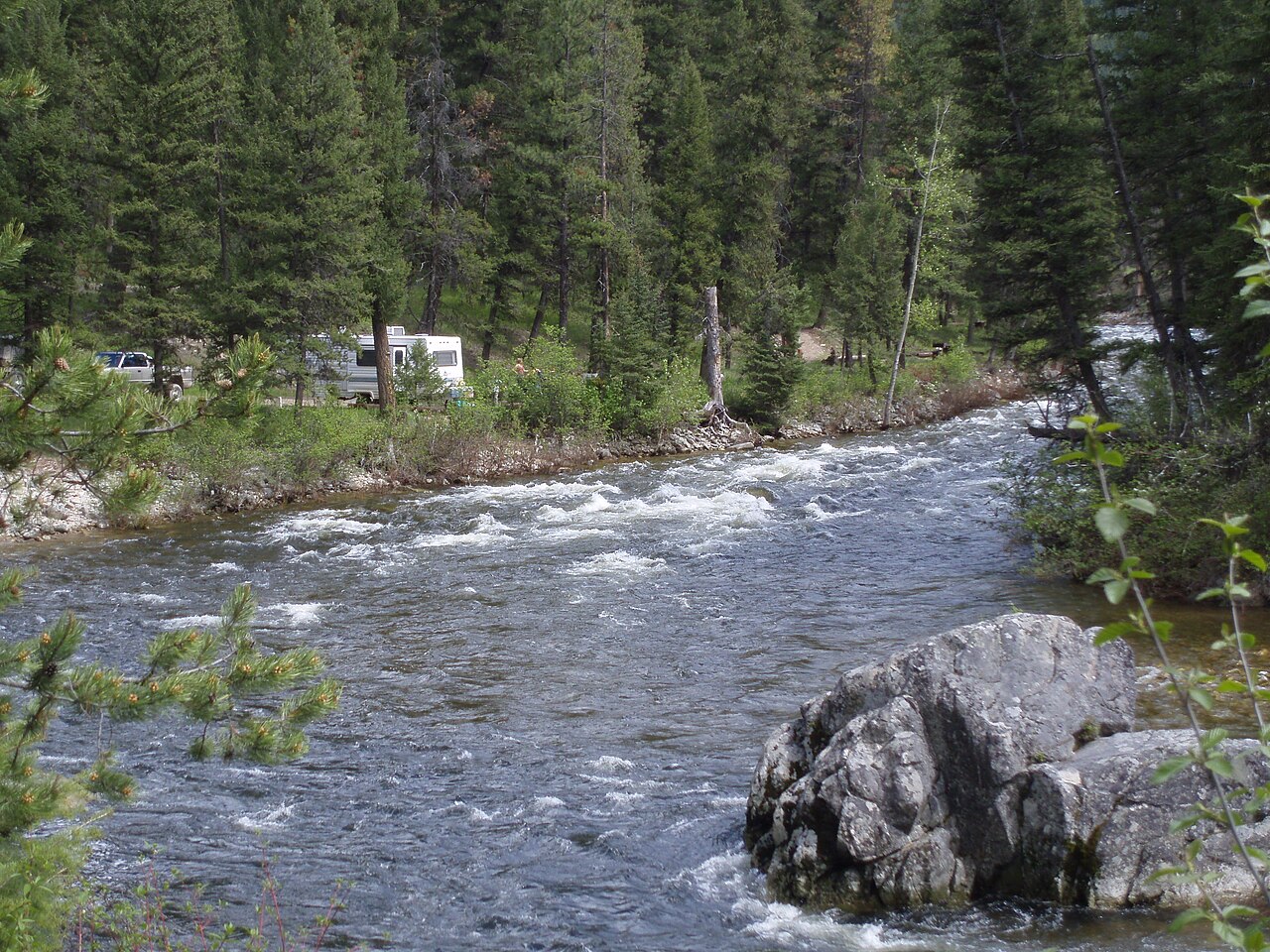 Illustrative · U.S. Forest Service
Anderson Ranch Reservoir
One of the classic ways to experience Boise National Forest.
Varies (estimate)
Partner link · Viator