
Glamping near Virginia’s Blue Ridge usually means sleeping close to the scenery without bringing a complete camping setup, whether that is a furnished tent, a yurt-style stay, or a small cabin. The experience varies widely, so start with the gateway area that matches your route and then check the details that matter most to your group, especially bathrooms, temperature control, kitchen access, and the drive from your lodging to the parkway.
What a Glamping Stay Can Look Like
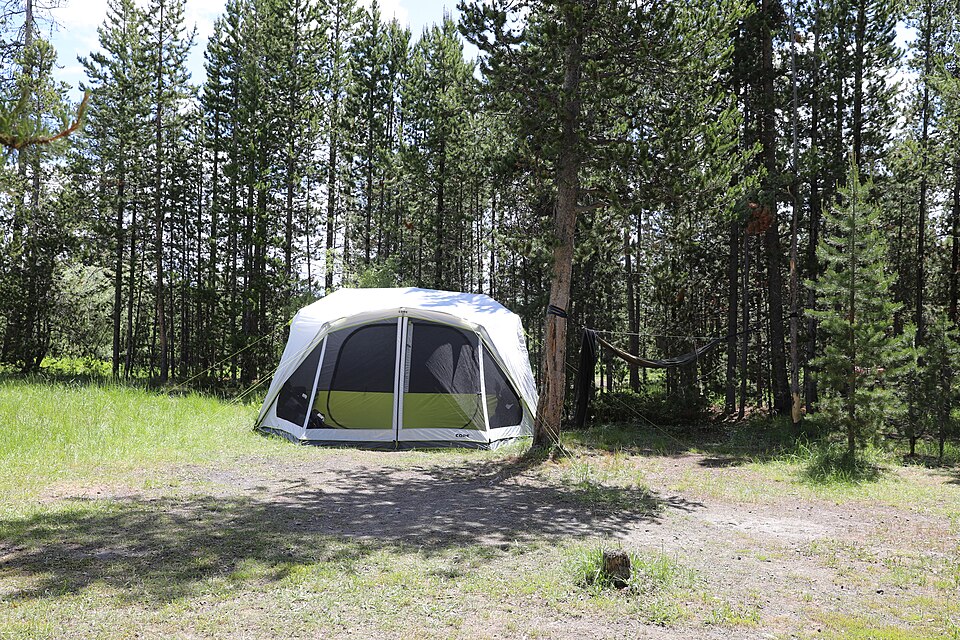
Glamping is not a standardized category, so a real bed and a scenic setting do not tell you whether a stay includes running water or an indoor bathroom. Furnished tents may have shared bathhouses, while cabins can range from simple sleeping shelters to fully equipped small homes. Heating, air conditioning, linens, and cooking equipment may or may not be included.
Read the listing closely and ask about anything essential before reserving. Check parking distance, steps, trail-like access, and whether you need to carry bags uphill. For families, confirm bed arrangements rather than relying only on the stated guest capacity. Photos can show the atmosphere, but written amenities and property rules are more useful for planning daily routines.
Choose a Gateway Area Before a Property
Around Roanoke, look for a base that balances mountain access with convenient groceries and town activities. The Bedford and Peaks of Otter area suits travelers who want to focus on lakeside walks, summit hikes, and a quieter stretch of the parkway. Lynchburg can be a useful gateway for the eastern side of the region, although individual properties may involve substantial drives to ridge access.
For the parkway’s northern end, consider the Waynesboro and Afton area, with Charlottesville as another regional gateway. Search by actual driving route rather than a listing’s broad Blue Ridge label. A property with mountain views is not necessarily close to a parkway entrance, and winding roads can make a short map distance feel much longer.
Pick the Season and Understand the Total Cost
Late spring through early fall generally offers more comfortable conditions for tent-based stays, but elevation matters and nights can still feel cool. Summer brings insects, humidity, and occasional thunderstorms; fall brings cooler evenings and heavier demand around foliage weekends. Winter is better approached with confirmed heating and reliable property access than with assumptions based on the word glamping.
Prices vary widely with amenities, setting, and season, so treat any nightly quote as only part of your rough budget. Review cleaning charges, taxes, minimum stays, cancellation terms, and any separate activity costs. Book popular fall weekends early once your plans are firm. Check the official NPS site for nearby parkway conditions, and confirm property-specific access and seasonal availability with your host.
Where to sleep
Harvest Hosts stays on the way to Blue Ridge Mountains
Partner link · Harvest Hosts
Pack for Mountain Weather and Uneven Amenities
Bring layers, a rain jacket, sturdy walking shoes, and a headlamp even if your accommodation has electricity. A warm layer is useful for mornings outside, while insect repellent and sun protection help with warmer-season outings. Download directions before arrival, and carry a charging cable or power bank rather than assuming dependable service or outlets beside every bed.
Match the rest of your packing to confirmed amenities. You may need towels, bedding, drinking water, cookware, or a cooler at a more basic property. Store food as directed by the host and local wildlife rules, not loose on a porch. Check fire restrictions before planning a campfire, and follow local guidance on firewood rather than transporting it long distances.
Glamping vs. Tent Camping vs. an RV
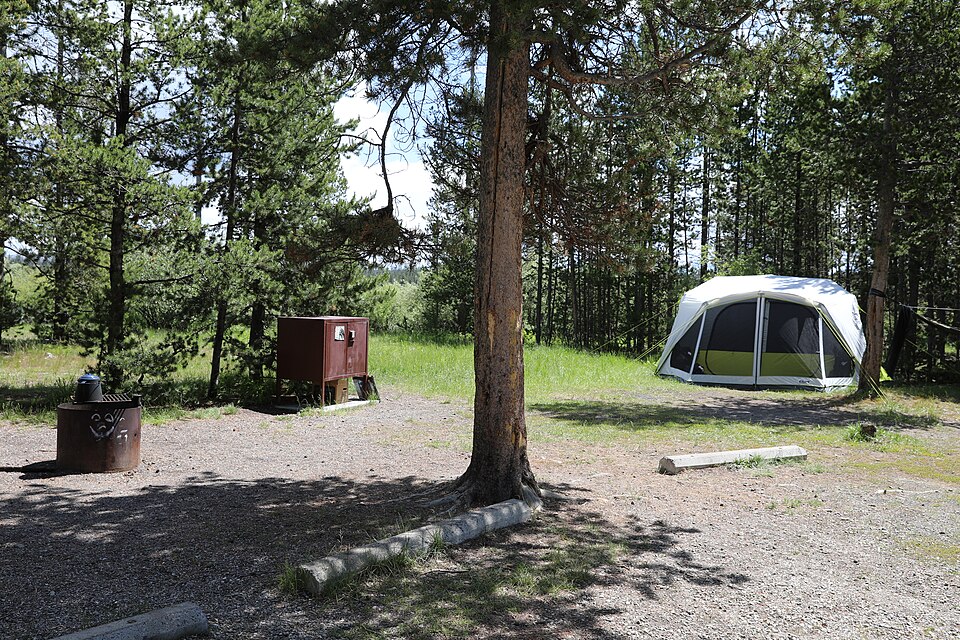
Choose glamping when you want a ready-made sleeping space and less setup, but compare amenities carefully before paying for convenience. Traditional tent camping can offer a lower-cost outdoor stay if you already have equipment, though you will manage bedding, cooking, weather protection, and campsite chores yourself. Neither option automatically includes a private bathroom.
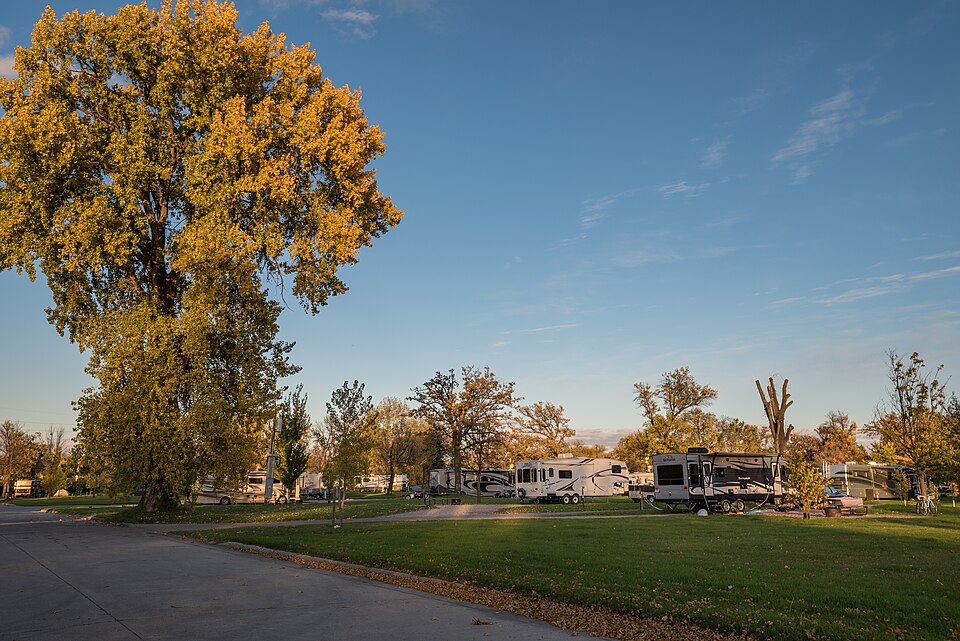
An RV can provide familiar sleeping and cooking arrangements, but brings vehicle costs, fuel use, campsite requirements, and route planning. Check site length limits, hookups, road restrictions, and clearances before committing to a mountain route. For any campground on public land, use the official park or NPS website to confirm reservations and current rules. For a first trip, choose the option that simplifies your actual needs rather than the one with the most appealing label.