
For Virginia’s Blue Ridge Mountains, May through June and September through October offer a rewarding mix of mountain scenery, walking weather, and scenic driving, though conditions vary with elevation. Choose spring for fresh greenery, summer for longer outdoor days, or fall for changing leaves, then build flexibility into a three- to five-day trip because fog, rain, and road closures can change what is practical on any given day.
Spring: Fresh Greenery and Changeable Weather
Spring arrives earlier in the valleys than on the ridges, so a warm afternoon in Roanoke does not necessarily mean comfortable conditions at a high overlook. March and April can bring chilly stretches, while May and early June generally offer greener forests and more comfortable opportunities for short walks. Wildflower timing changes with elevation and the year’s weather.
Pack a rain shell and a warm layer, and keep an indoor alternative in your plans. Trails can be muddy after rain, and lingering winter damage may affect access. Spring weekdays often feel quieter than fall weekends, but popular lodging areas and holiday periods still deserve advance planning.
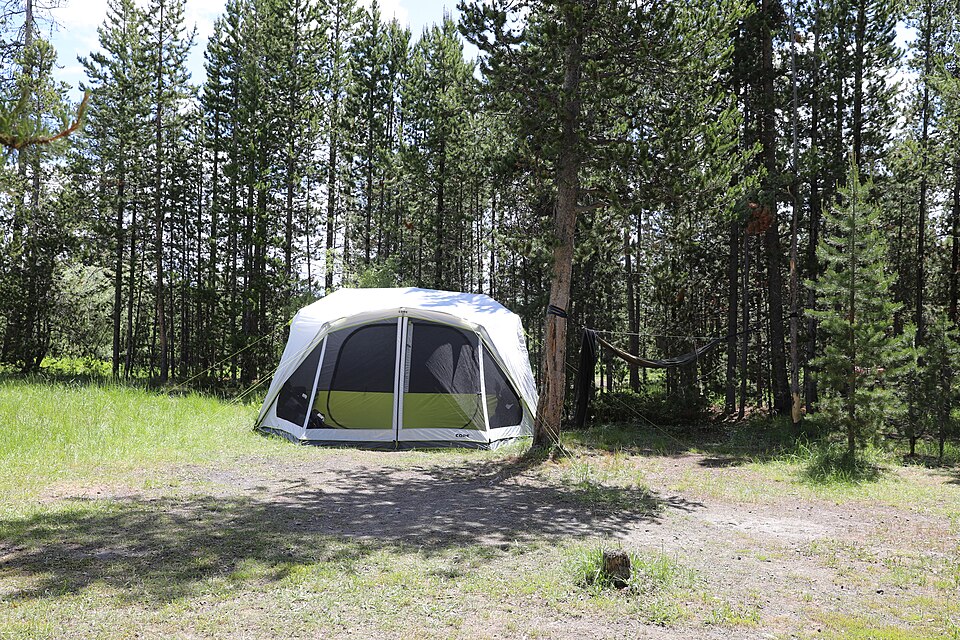
Lock in a stay for this season
RV parks near Blue Ridge Mountains on RoverPass
Partner link · RoverPass
Summer: Long Days for Hikes and Family Stops
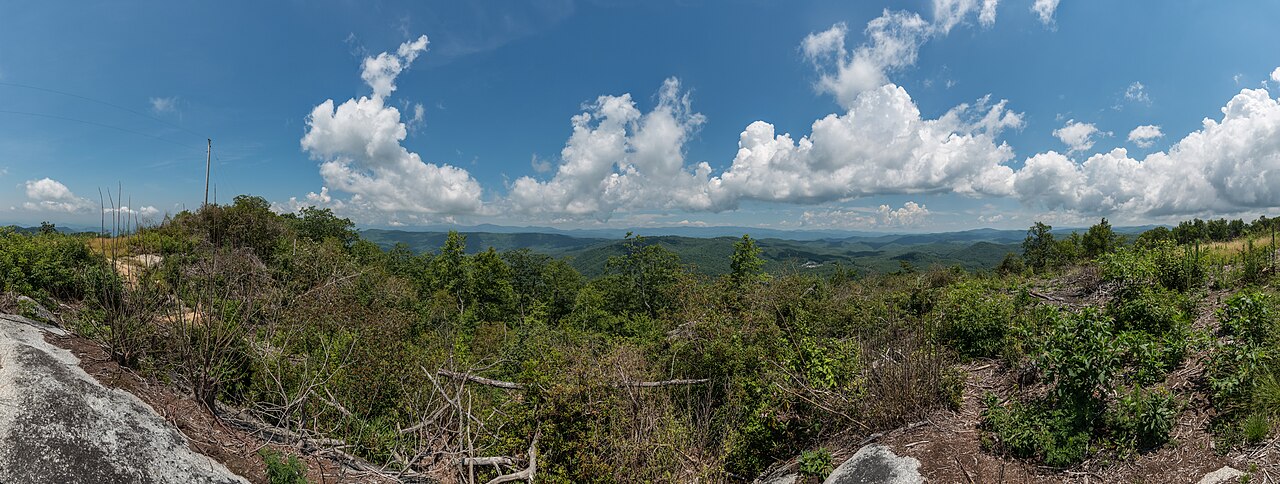
Summer works well for families who want generous daylight and a relaxed combination of overlooks, picnics, and short hikes. Mountain elevations can feel cooler than nearby valleys, but Virginia still gets hot, humid weather. Afternoon thunderstorms can interrupt exposed walks and scenic stops, so check the forecast before committing to a longer trail.
Start more demanding outings early and leave the afternoon flexible rather than stacking several hikes into one day. Carry water, sun protection, and rain gear, including on brief walks. Summer weekends and school vacation periods increase demand at convenient campgrounds and lodging hubs. Reserve ahead when you need a particular location, room arrangement, or accessible accommodation.
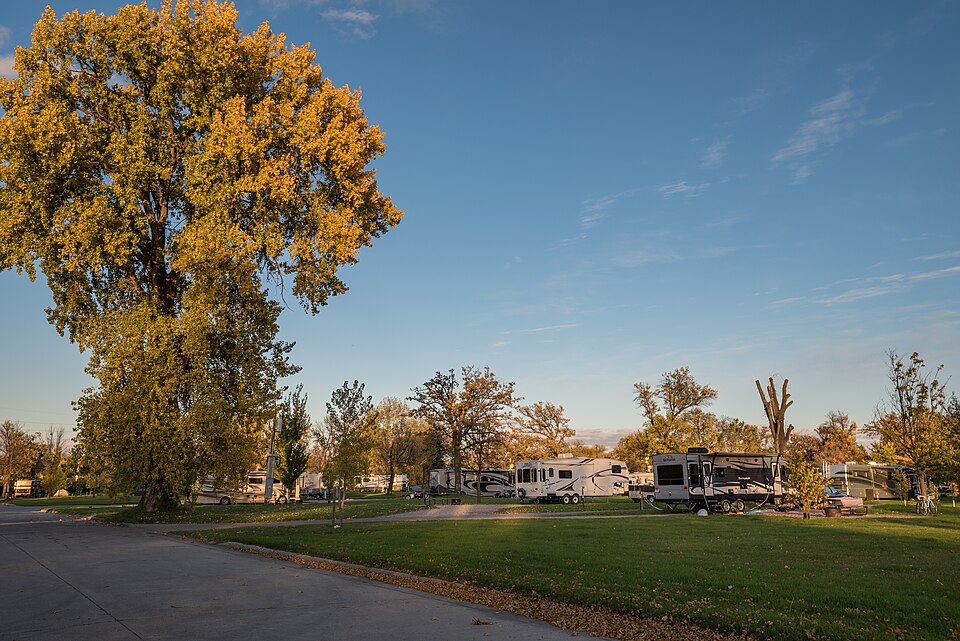
Lock in a stay for this season
Campsites near Blue Ridge Mountains on Campspot
Partner link · Campspot
Fall: Colorful Drives and Heavier Crowds
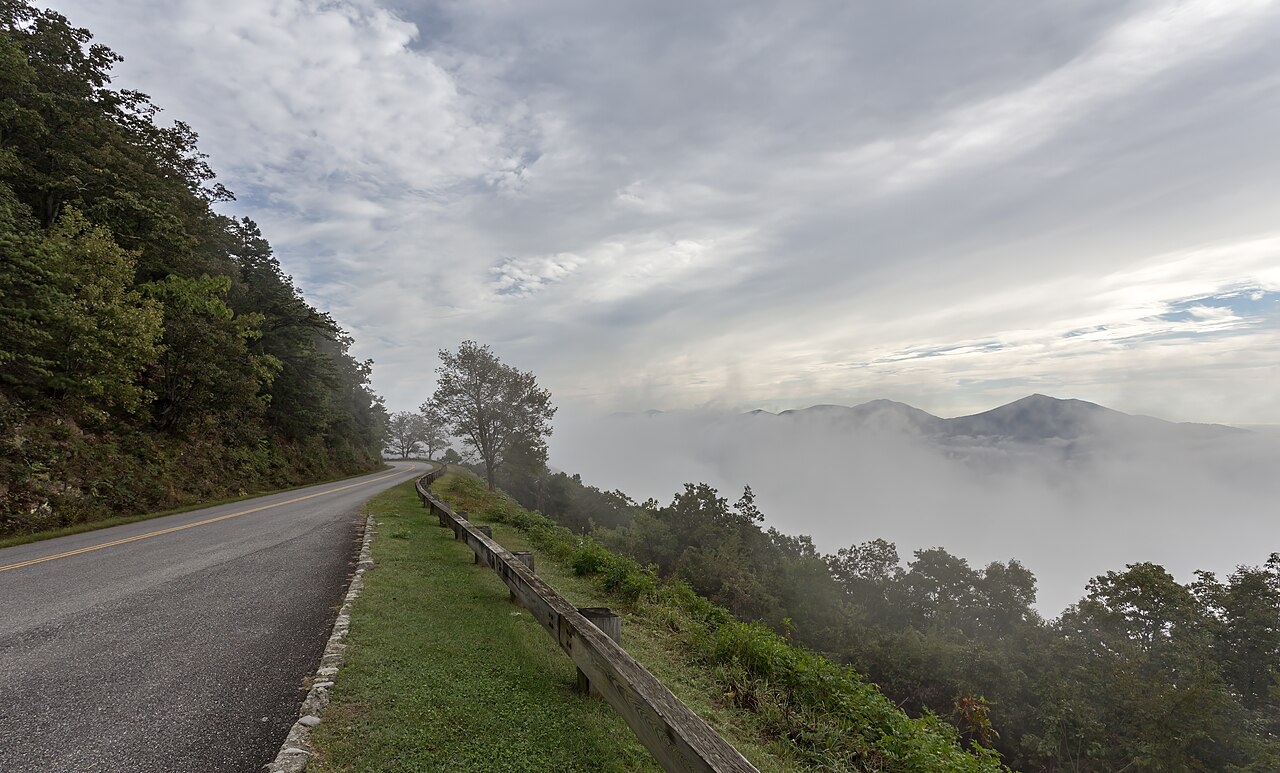
September and October are popular for crisp mornings, changing leaves, and long drives with frequent overlook stops. Color generally develops earlier at higher elevations, but there is no dependable peak date for the entire Virginia Blue Ridge. Temperature, rainfall, elevation, and exposure all influence what you will see.
October weekends can be busy around well-known trailheads, parkway entrances, and lodging towns. Travel midweek if your schedule allows, and start early rather than expecting an empty overlook near midday. Book fall lodging as soon as your dates are firm, particularly for weekends. Bring warm layers for evenings, and avoid making the success of your trip depend on one specific foliage forecast.
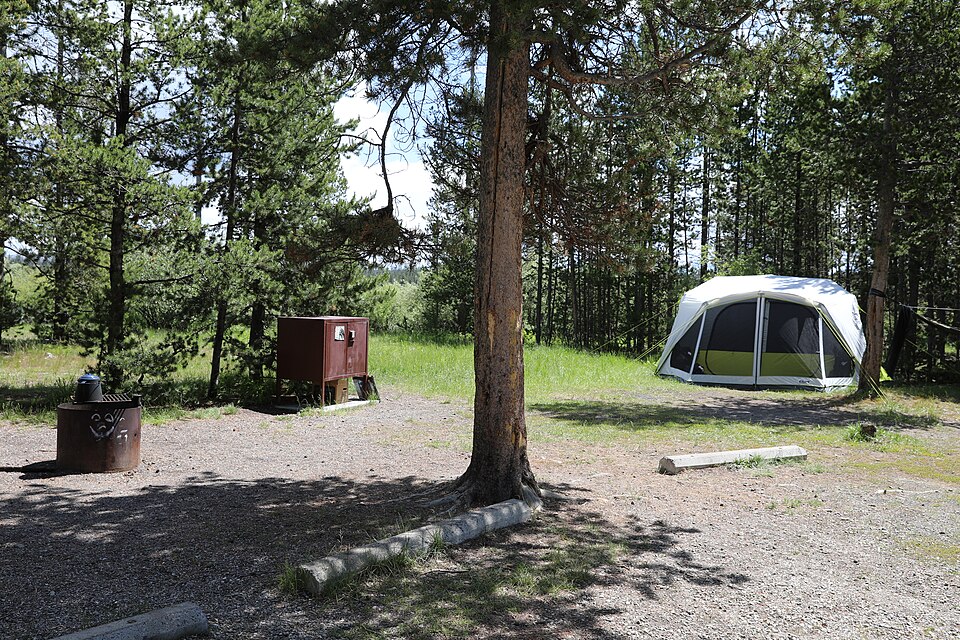
Lock in a stay for this season
Harvest Hosts stays on the way to Blue Ridge Mountains
Partner link · Harvest Hosts
Winter: Quiet Valleys, Less Predictable Ridge Access
Winter brings a quieter atmosphere and clearer views through leafless forests, but it is the least dependable season for a continuous parkway road trip. Snow, ice, and maintenance needs can close sections of the Blue Ridge Parkway, and visitor services may operate seasonally. Conditions can differ sharply between a sheltered town and an exposed ridge.
A winter visit works better with a town-based stay and optional mountain outings than with a rigid sequence of scenic-road miles. Keep your route on roads confirmed open, and respect closure gates. Pack insulating layers and traction appropriate to the conditions you expect. Check official road updates close to departure and again before each mountain drive.
When to Reserve and How to Keep Plans Flexible
For a first visit, late May, June, or a September weekday trip offers a useful starting point. These periods can balance outdoor opportunities with less concentrated foliage-season demand, although holidays and local events can change the picture. Reserve lodging and any reservable campsite once your dates are settled; popular fall weekends may require planning months ahead.
The Blue Ridge Parkway does not charge an entrance fee, but camping and some nearby attractions have separate costs or requirements. Shenandoah National Park, including Skyline Drive, has its own entrance rules. Before booking, check the official NPS or relevant park website for current conditions, campground reservation windows, closures, and seasonal services rather than relying on a general no-permit assumption.
More ways to book Blue Ridge Mountains
 Illustrative · DXR
McAfee Knob Hike
One of the classic ways to experience Blue Ridge Mountains.
Varies (estimate)
Partner link · Viator