
Glamping in the Blue Ridge foothills offers the perfect middle ground for those who want to immerse themselves in the beauty of the Upstate without sacrificing the comforts of home. Instead of pitching a tent and sleeping on the hard ground, you can retire to a plush bed inside a safari tent, a geodesic dome, or a refurbished vintage trailer. The region's unique geographyâwhere the mountains meet the Piedmontâprovides a dramatic backdrop for these elevated outdoor stays, allowing you to wake up to mountain mists and starlit skies.
The Glamping Experience in Upstate SC
When you choose Blue Ridge foothills glamping, you are opting for a curated outdoor experience. Most glamping sites in this area provide amenities that go far beyond traditional camping, such as real mattresses, high-quality linens, and often climate control to manage the humid South Carolina summers or chilly autumn nights. Many sites feature private decks, fire pits with pre-split wood, and even outdoor showers that allow you to bathe under the forest canopy.
The aesthetic often leans into 'mountain chic,' blending rustic materials like cedar and canvas with modern touches like Edison bulb lighting and French press coffee makers. It is an ideal setup for couples looking for a romantic retreat or for families who want to introduce their children to the outdoors without the logistical hurdles of a full camping expedition. You get the sounds of the forest and the fresh mountain air, but with the security and comfort of a boutique hotel room.
Top Areas for Glamping Stays
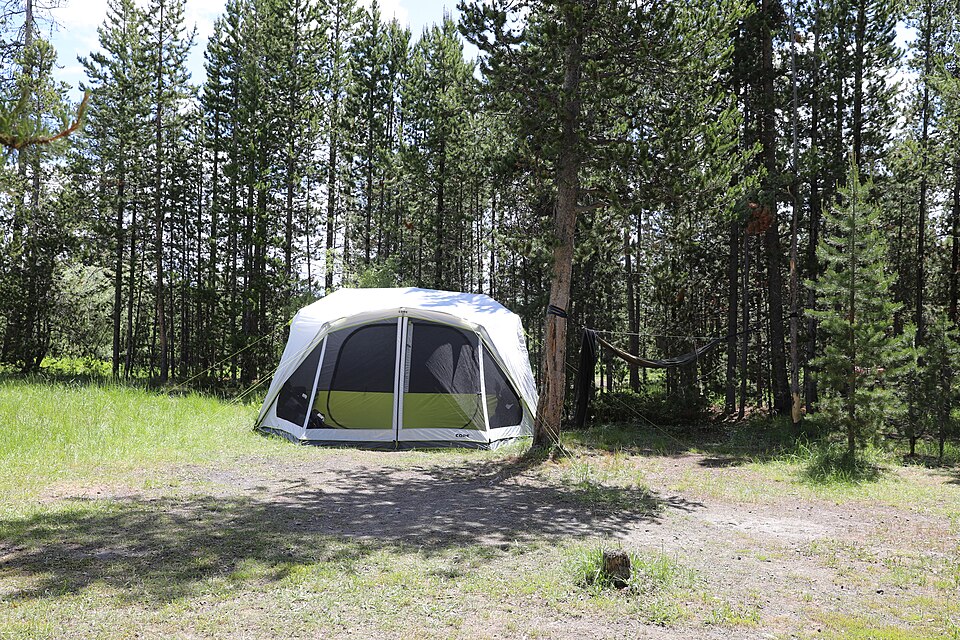
The areas surrounding the gateway towns of Travelers Rest and Pickens are the primary hubs for glamping. In Travelers Rest, you can find sites that offer easy access to the Swamp Rabbit Trail, making it possible to spend your day cycling and your evening by a luxury campfire. This area is perfect for those who want to be close to craft breweries and farm-to-table restaurants while still feeling tucked away in the woods.
Further west, near Table Rock and Keowee-Toxaway State Parks, the glamping options tend to be more secluded. Here, you might find yurts or domes situated on private acreage with direct views of the Blue Ridge Escarpment. These locations are ideal for hikers who want to be first on the trails in the morning. Staying in the foothills means you are never far from a trailhead, yet you are far enough from the city lights of Greenville to enjoy spectacular stargazing right from your tent flap.
Glamping vs. Traditional Camping and RVing
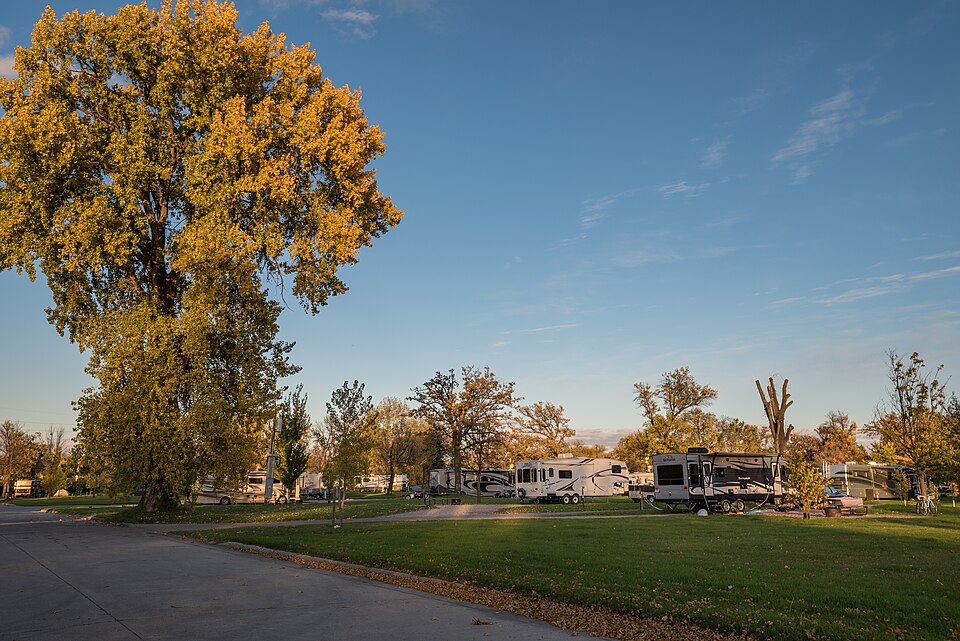
Deciding between glamping and other forms of accommodation depends on your desired level of effort and comfort. Traditional camping in the state parks is budget-friendly and offers a deep sense of self-reliance, but it requires hauling a significant amount of gear. RVing is a popular middle ground, with many parks offering full hookups, but it lacks the 'canvas-close' connection to nature that glamping provides.
Glamping removes the 'work' of camping. There are no tents to pitch in the rain and no sleeping bags to roll up. It is particularly advantageous in the foothills where the weather can change quickly; a sturdy glamping structure provides much better protection during a heavy mountain thunderstorm than a standard nylon tent. While more expensive than a park campsite, the value lies in the saved time and the high-end experience. For those flying into the region, glamping is often the most practical way to 'camp' because you don't need to check heavy gear like stoves and lanterns on your flight.
Where to sleep
Harvest Hosts stays on the way to Blue Ridge foothills
Partner link · Harvest Hosts
Seasonal Considerations for Your Stay
The best time for Blue Ridge foothills glamping is during the shoulder seasons of spring and fall. In the spring, the forest comes alive with blooming azaleas and dogwoods, and the temperatures are ideal for enjoying an outdoor deck. Autumn is arguably the most popular time, as the cool air is perfect for gathering around a fire pit, and the changing leaves provide a stunning natural wallpaper for your stay.
Summer glamping is also popular, though it is important to look for sites that offer fans or air conditioning, as the Upstate humidity can be intense. Many glamping sites are seasonal, closing during the coldest winter months of January and February, though some hard-sided structures like yurts or tiny houses remain open year-round with wood-burning stoves or electric heaters. Always check the specific amenities of your site to ensure it matches the forecasted weather for your trip, especially if you are visiting during the transition months of March or November.
Essential Packing for a Glamping Trip
Even though your glamping site will provide the basics, a few specific items will enhance your experience. While you won't need a sleeping bag, bringing a pair of warm slippers or heavy socks is a good idea, as floors in tents and cabins can be chilly. A high-quality headlamp is still useful for navigating to the fire pit or bathroom after dark. If your site has a kitchen or grill, consider stopping at a local market in Pickens to pick up some regional specialties like pimento cheese or locally roasted coffee.
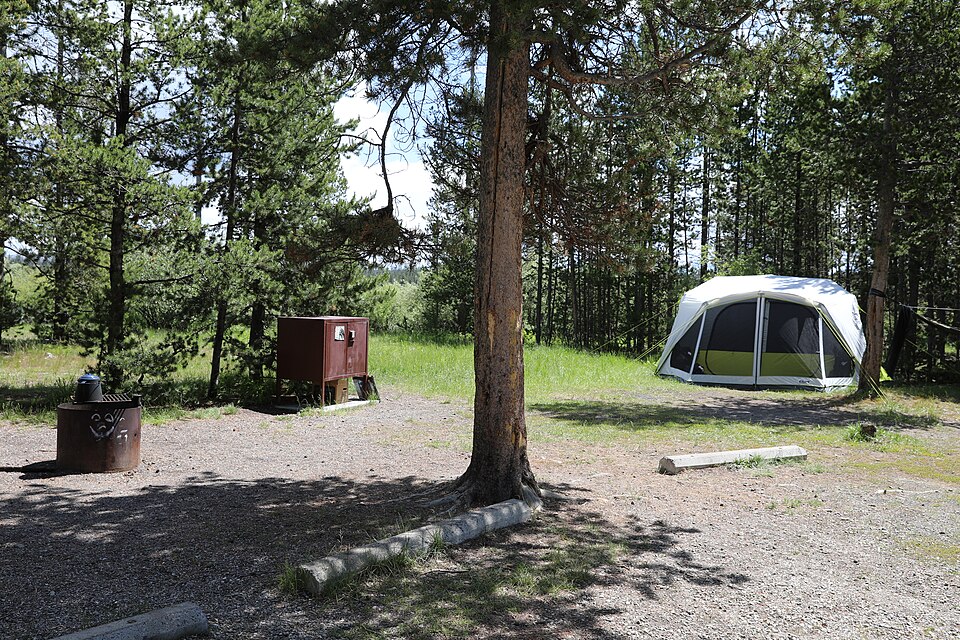
Don't forget to pack layers; even in the summer, the temperature in the foothills can drop significantly once the sun goes down. Always bring sturdy walking shoes, even if you don't plan on doing major hikes, as the paths around glamping sites can be uneven and mulched. Finally, check the official park websites for the area you are staying in to see if there are any current fire bans or wildlife advisories, especially regarding food storage, as the foothills are home to active black bear populations.