
Timing your trip to the Blue Ridge foothills is all about matching your favorite outdoor activities with the shifting moods of the Appalachian landscape. This region, where the steep mountains descend into the rolling Piedmont, offers a distinct four-season experience marked by vibrant floral displays and dramatic autumn colors. While there is no truly bad time to explore the Upstate, understanding the nuances of temperature and rainfall will help you pack the right gear and secure the best trailheads before the crowds arrive.
Spring Blooms and Waterfall Hikes
Spring is widely considered the best time to visit Blue Ridge foothills for those who love wildflowers and rushing water. As the snow melts from the higher peaks and the seasonal rains begin, the region's famous waterfalls like Raven Cliff Falls and Wildcat Branch Falls reach their peak volume. Starting in late March, the forest floor awakens with trillium and bloodroot, followed by the spectacular mountain laurel and rhododendron blooms in May.
Temperatures during this window are generally mild, often hovering in the 60s and 70s, which is perfect for tackling strenuous elevation gains without the intense humidity of summer. However, spring can be unpredictable with sudden thunderstorms, so waterproof layers are essential. Because this is a popular time for local hikers and families, popular state parks like Table Rock and Caesar's Head can see parking lots fill up by mid-morning, especially on weekends when the laurel is in full display.
Lock in a stay for this season
RV parks near Blue Ridge foothills on RoverPass
Partner link · RoverPass
Summer Canopy and River Escapes
Summer in the foothills brings a lush, deep green canopy that provides much-needed shade on the trails. While the Piedmont can become quite hot and humid, the elevation of the foothills offers a slight reprieve, usually staying a few degrees cooler than Greenville or Spartanburg. This is the ideal season for water-based activities, such as tubing down the Green River or cooling off in the spray of a waterfall.
The long daylight hours allow for extended treks along the Foothills Trail, though you should prepare for afternoon heat and occasional heavy humidity. Insect activity is at its highest during these months, so come prepared with repellent. While the foliage is thick, this is also a great time for birdwatching as migratory species are active in the dense woods. If you plan to visit during the summer months, early morning starts are the key to avoiding both the midday sun and the late-afternoon thunderstorms that frequently roll through the mountain passes.
Lock in a stay for this season
Campsites near Blue Ridge foothills on Campspot
Partner link · Campspot
Autumn Foliage and Peak Hiking Weather
For many travelers, the best time to visit Blue Ridge foothills is during the autumn transformation. Starting in late September, the maples, oaks, and poplars begin their shift into brilliant shades of crimson and gold. Peak color usually arrives in mid-to-late October, though this varies depending on the elevation and the specific weather patterns of the year. The crisp, cool air makes for the most comfortable hiking conditions of the year, with clear blue skies providing incredible visibility at overlooks like Bald Rock or the Caesar's Head overlook.
Due to the stunning scenery, this is the busiest season in the region. Traffic along Highway 11 can be slow, and state park reservations or parking permits are often necessary for popular trailheads. If you are planning a fall trip, it is wise to book your accommodations months in advance. The evenings can get quite chilly, dropping near freezing in November, so layering is crucial for those planning to stay out for sunset photography.
Lock in a stay for this season
Harvest Hosts stays on the way to Blue Ridge foothills
Partner link · Harvest Hosts
Winter Solitude and Long-Range Views
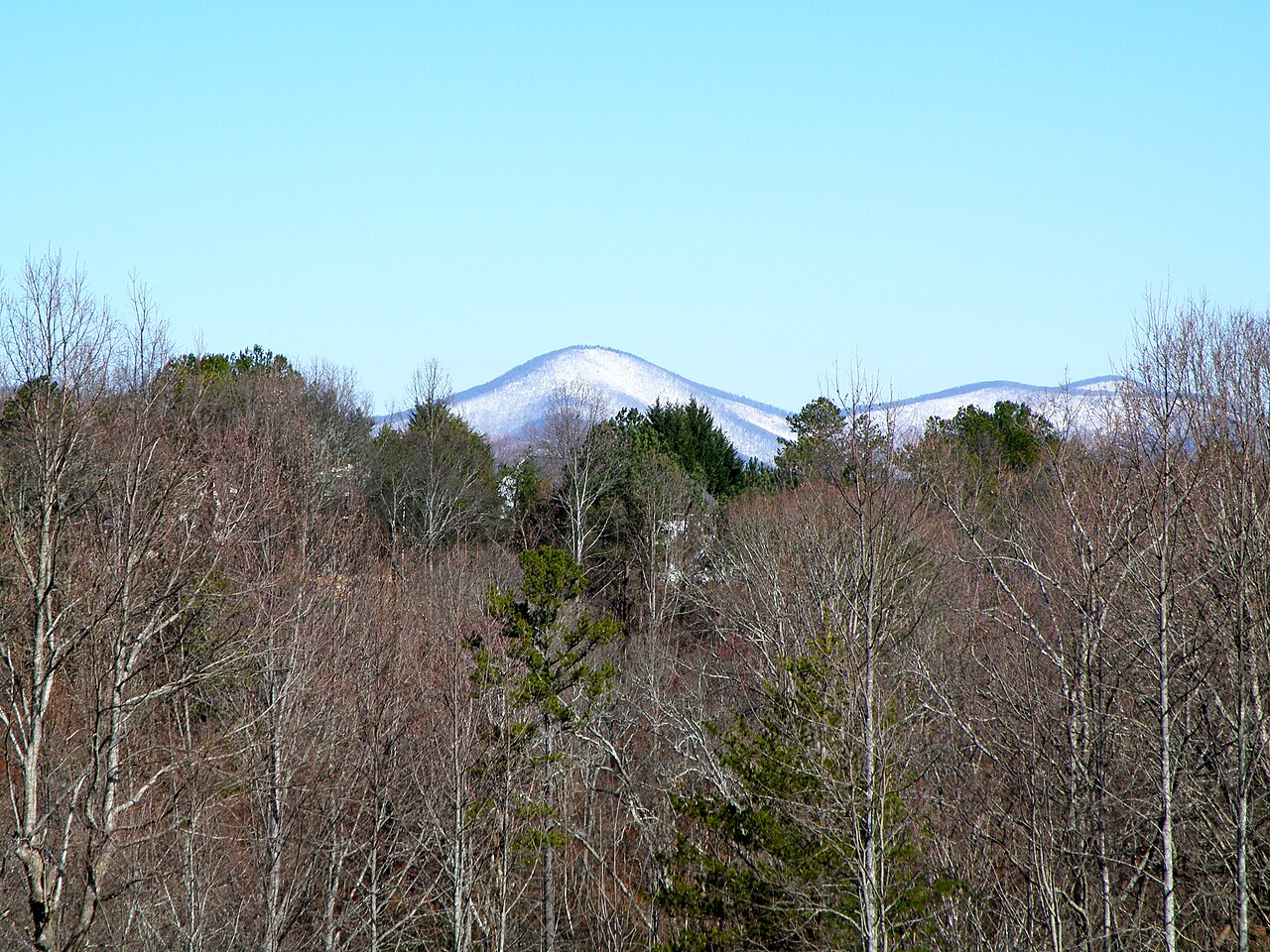
Winter is the quietest time in the foothills, offering a different kind of beauty for those who prefer solitude. Once the leaves have fallen, the "leaf-off" season reveals hidden rock formations and long-range mountain views that are invisible during the summer months. You can see deep into the valleys and spot the jagged outlines of the Blue Ridge Escarpment with unparalleled clarity.
While snowfall is not a daily occurrence, the region does experience occasional winter storms that can temporarily close steep mountain roads. Daytime temperatures often reach the 40s or 50s, which is excellent for brisk hiking, but nights are cold. The lack of crowds means you can often have popular spots like Fred W. Symmes Chapel (Pretty Place) to yourself, a rarity during the rest of the year. It is a budget-friendly time to visit, as demand for rentals in nearby Pickens or Travelers Rest tends to dip, though some smaller seasonal businesses may have limited hours.

Planning and Reservations
Regardless of when you choose to visit, planning ahead is the best way to ensure a smooth trip. During the peak spring and fall seasons, the South Carolina State Park system may require advance parking reservations for high-traffic areas to prevent overcrowding and protect the local ecology. Always check the official NPS or state park websites for current conditions, as trail maintenance or weather events can cause temporary closures.
If you are looking for the most temperate weather with the least amount of rain, late September through October is generally the most stable window. For those who want to avoid the largest crowds, mid-week visits in any season will provide a more serene experience. Remember that the foothills represent a transition zone; weather can change rapidly as you move from the flatlands of the Piedmont up into the mountains, so always carry a map and check the forecast for the specific elevation where you will be hiking.
More ways to book Blue Ridge foothills
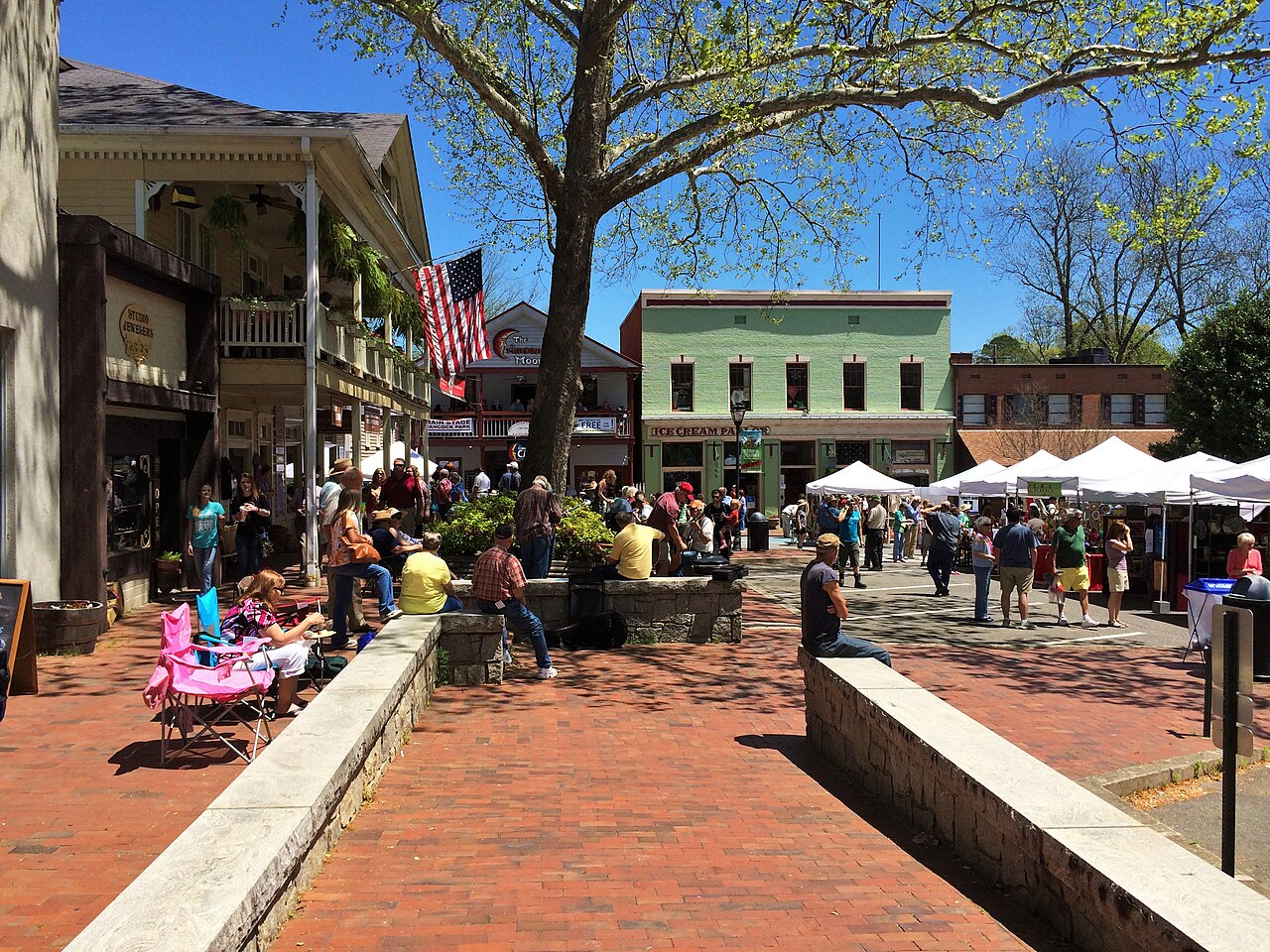 Illustrative · Gwringle
Caesars Head Overlook
One of the classic ways to experience Blue Ridge foothills.
Varies (estimate)
Partner link · Viator