
Block Island offers a rare opportunity to disconnect from the digital world and reconnect with nature. While the island itself has very strict regulations regarding traditional camping to protect its delicate ecosystem, the surrounding region and the island's unique accommodations provide several ways to experience 'glamping.' From upscale coastal inns that mimic the tented experience to nearby mainland campsites in Rhode Island and Connecticut, outdoor enthusiasts have plenty of options for a high-end natural retreat.
Understanding Island Regulations
It is important for every traveler to know that traditional tent camping and overnight RV parking are strictly prohibited on Block Island. There are no public campgrounds on the island, and sleeping on the beaches or in the conservation lands is against local ordinances. This policy is in place to protect the island's unique flora and fauna and to prevent erosion on the fragile bluffs. Because of this, Block Island glamping takes on a different form than it might in a national park.
Instead of traditional tents, the glamping experience here often involves staying in historic cottages, vintage-style inns, or renovated maritime structures that emphasize an indoor-outdoor lifestyle. These accommodations often feature wrap-around porches, outdoor showers, and direct access to the trails, providing the feeling of being immersed in nature without the footprint of a campsite. For those determined to sleep under the stars in a traditional tent, you will need to look at the gateway cities on the mainland before or after your island excursion.
Mainland Glamping Gateways
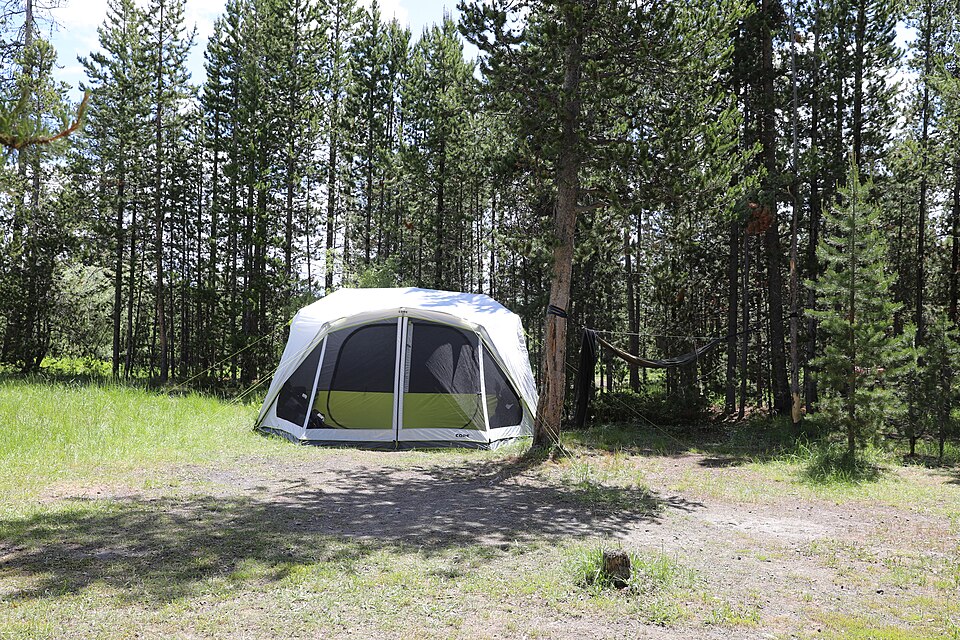
For travelers who want a true luxury tent or yurt experience, the best strategy is to stay at a glamping site near the ferry terminals in Point Judith, Rhode Island, or Mystic, Connecticut. These areas feature several high-end campgrounds that offer pre-set safari tents with real mattresses, electricity, and stylish furnishings. Spending a night or two glamping on the mainland allows you to enjoy the campfire experience before taking the ferry over to Block Island for a day trip or a stay in a local inn.
Point Judith and the surrounding Narragansett area have several state parks and private campgrounds that cater to the luxury outdoor market. You can find sites that overlook the salt marshes or are tucked away in coastal forests. This 'hybrid' tripâcombining mainland glamping with island explorationâoffers the best of both worlds. You get the rugged feel of the Rhode Island coast and the exclusive, car-free atmosphere of the island. Always check for availability during the peak summer months, as these premier mainland spots book up as quickly as the island hotels.
The Island Aesthetic: Coastal Luxury
On Block Island, the 'glamping' spirit is captured by the many historic guest houses that prioritize the natural environment. Many of these properties are located on the outskirts of Old Harbor or near the Great Salt Pond, offering panoramic views of the water and the rolling hills. You might find yourself in a room where the salt breeze flows through large windows, and the only sound is the distant foghorn or the chirping of crickets in the moors. It is a refined way to experience the outdoors.
Many island stays offer amenities that appeal to the glamping crowd, such as communal fire pits for evening gatherings, complimentary bicycle use for exploring the trails, and farm-to-table breakfast options featuring local ingredients. The focus is on simplicity and the beauty of the landscape. While you may be sleeping in a building rather than a tent, the connection to the elements is just as strong. For the most authentic 'wild' feeling, look for accommodations on the southern or northern ends of the island, away from the hustle of the main ferry landing.
Glamping vs. Camping vs. RVs
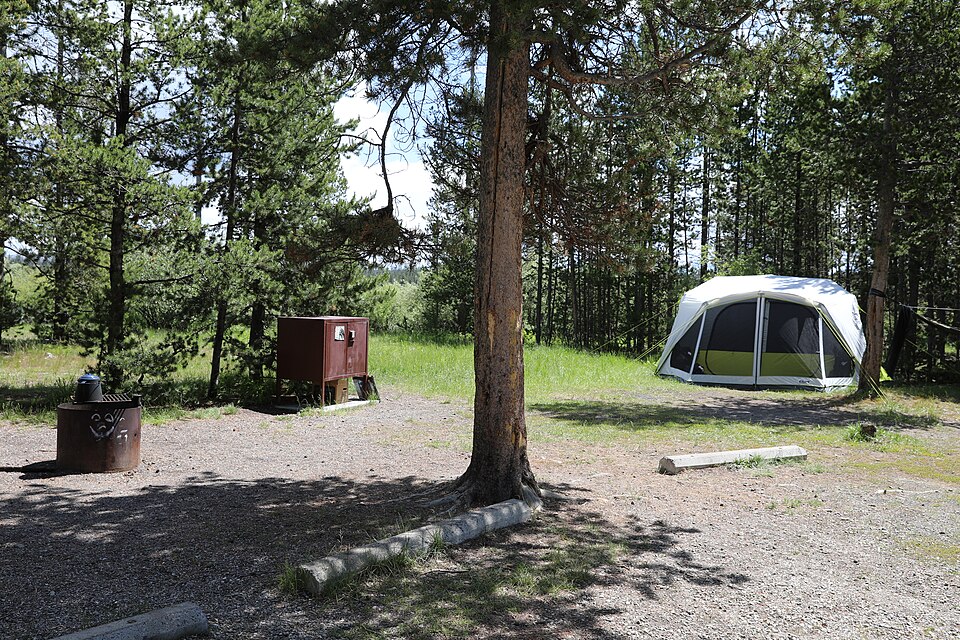
When comparing your options for a Block Island trip, it is clear that glamping and boutique lodging are the primary ways to stay. Traditional camping is simply not an option on the island, and the narrow, winding roads are not suitable for large RVs. In fact, bringing any vehicle to the island is expensive and requires significant planning. This makes the 'glamping' mindsetâpacking light and focusing on the experience rather than gearâthe most successful approach for a visit.
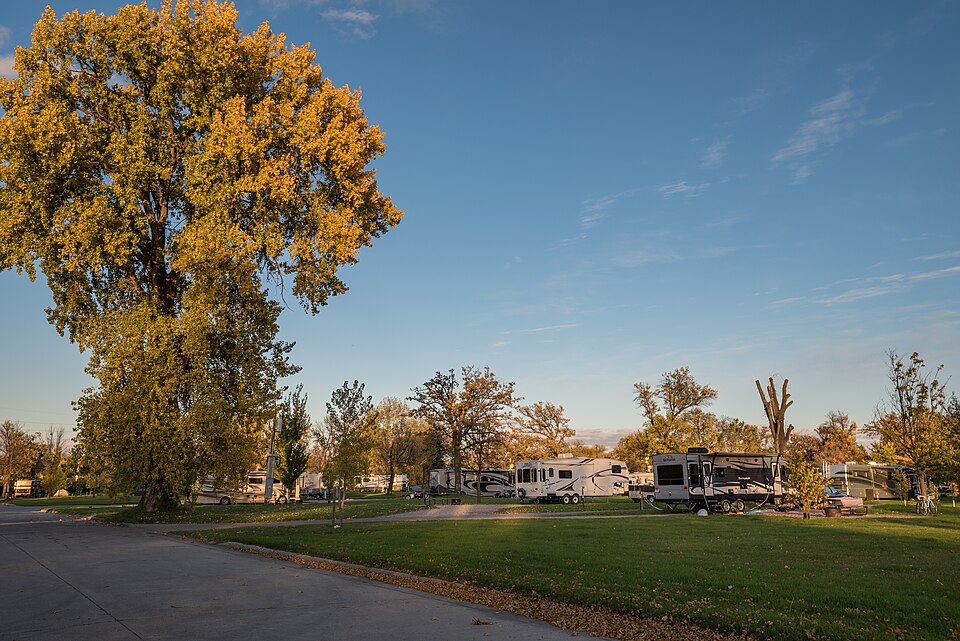
For those who enjoy the RV lifestyle, there are excellent long-term parks near the New London and Point Judith ferry docks. You can leave your rig on the mainland and take a passenger ferry over to the island for a few nights of luxury at a local inn. This allows you to enjoy the mobility of an RV for your regional road trip while still experiencing the unique, pedestrian-friendly charm of Block Island. Itâs a logistical balance that ensures you respect the islandâs environmental constraints while still enjoying a comfortable, high-end outdoor vacation.
Seasonal Glamping Considerations
The best time for a glamping-style experience in the Block Island area is between June and September. During these months, the weather is warm enough to truly enjoy outdoor amenities like deck-side lounging and open-air showers. By October, the coastal winds pick up, and while the scenery is beautiful, the 'outdoor' component of glamping becomes much more rugged. Most mainland glamping sites close for the season by late October, reopening in May.
If you are planning a trip, we recommend checking the official websites for the Rhode Island Department of Environmental Management for information on state-run coastal campgrounds, and the Block Island Tourism Council for a list of eco-friendly lodging. Because the island is a moderate-permit destination in terms of logistics, having your 'glamping' base camp sorted early is crucial. Whether you choose a luxury tent on the mainland or a breezy historic inn on the island, the goal is to immerse yourself in the unique Atlantic maritime environment that has drawn visitors here for generations.