
Biscayne National Park is a unique sanctuary where the sea meets the sky, offering an array of adventures primarily focused on its vibrant marine ecosystem. Visitors can immerse themselves in a world of colorful coral reefs, historic shipwrecks, and lush mangrove forests that serve as nurseries for countless marine species. Whether you are gliding through the water in a kayak or diving deep to explore sunken history, the park provides an unforgettable coastal escape just a short drive from the bustle of Miami.
Snorkeling the Maritime Heritage Trail
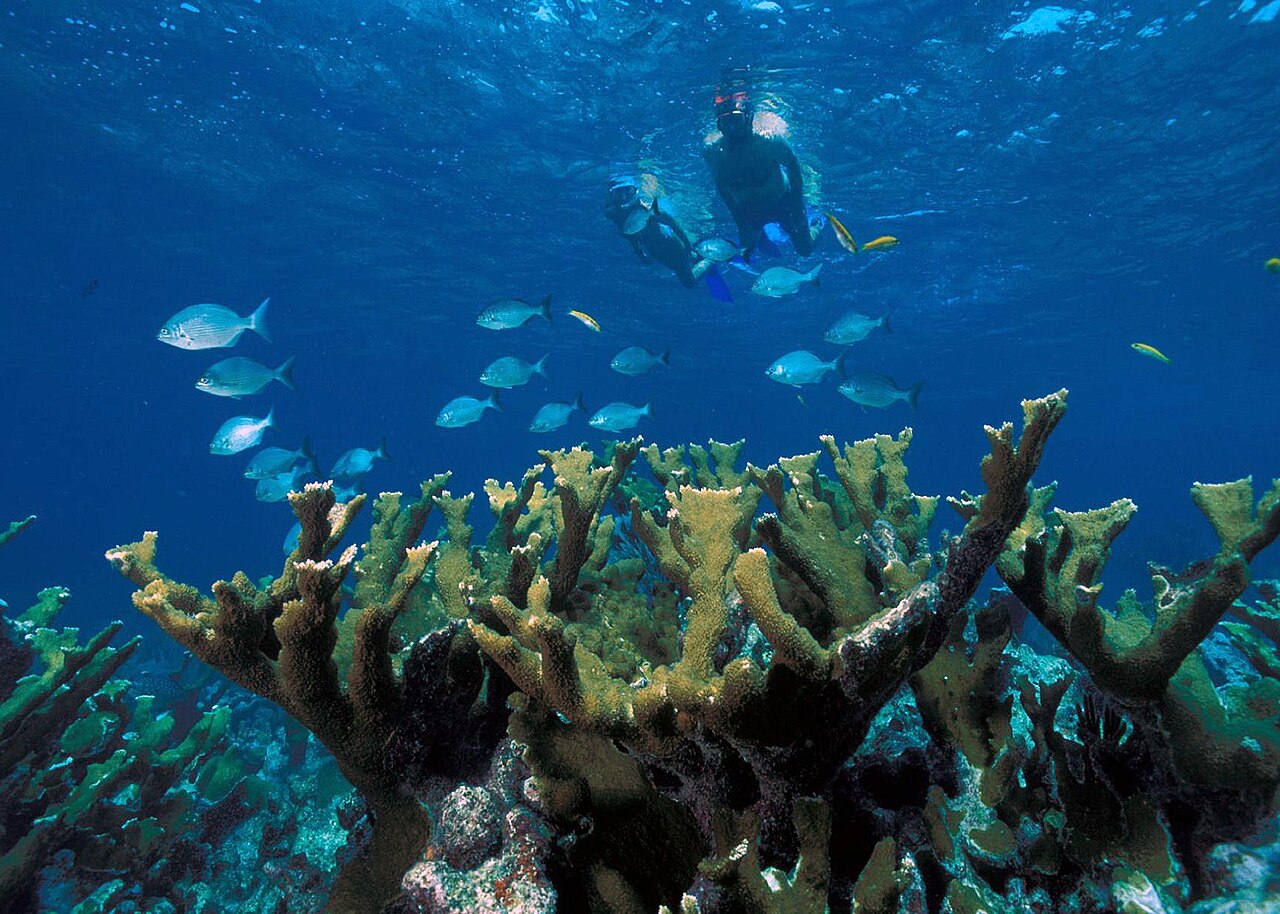
The Maritime Heritage Trail is perhaps the most unique feature of the park, offering a submerged museum of shipwrecks that span decades of maritime history. Since the park is mostly water, snorkeling is the premier way to see these sites. Guided tours take visitors to various wrecks, such as the Mandalay, a steel-hulled schooner that ran aground in 1966. The shallow depths of many of these sites make them accessible to snorkelers of various skill levels, allowing you to see vibrant purple sea fans and schools of tropical fish weaving through the rusted remains of the ships.
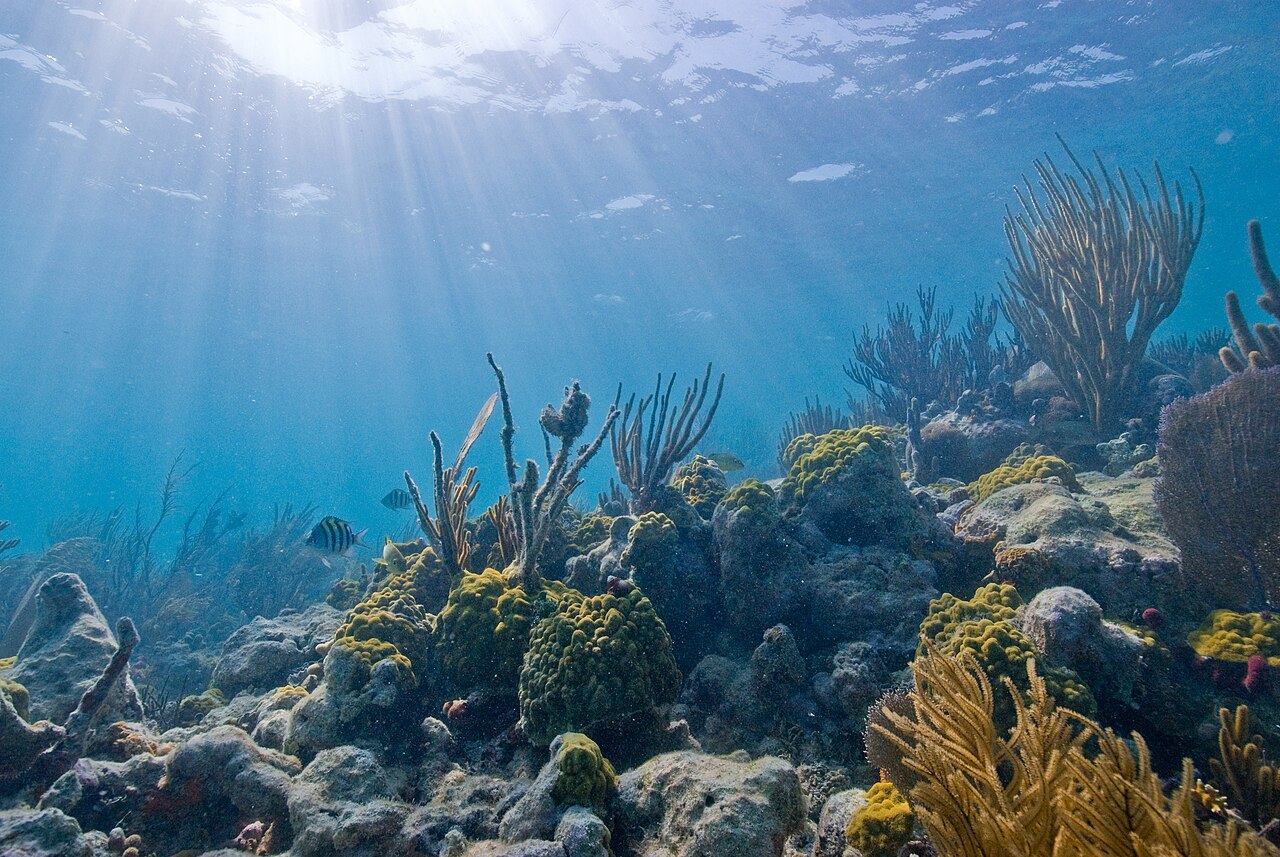
Beyond the wrecks, the park's patch reefs are teeming with life. You might spot brain coral, elkhorn coral, and an array of colorful residents including parrotfish, angelfish, and the occasional sea turtle. Because these ecosystems are fragile, it is important to practice reef-safe habits, such as avoiding touching the coral and using biodegradable sunscreen. The experience of floating above these ancient structures while surrounded by the silence of the ocean is truly meditative.
Paddling Through Mangrove Creeks
For those who prefer to stay on top of the water, kayaking and canoeing offer an intimate look at the park's shoreline. The mangrove forests that fringe the coast are vital to the park's health, acting as a buffer against storms and a habitat for juvenile fish and crustaceans. Paddling along the Jones Lagoon or the creeks near the visitor center allows you to see the intricate prop roots of the red mangroves up close.
As you glide through the quiet, shaded waterways, keep your eyes peeled for upside-down jellyfish resting on the sandy bottom and small sharks or rays patrolling the shallows. Birdwatchers will find this particularly rewarding, as yellow-crowned night herons and roseate spoonbills often forage in the mudflats. You can rent equipment at the park's mainland base or bring your own. It is a peaceful way to spend a morning, feeling the gentle rhythm of the tides and observing the slow, steady pulse of the Florida coastline.
Visiting Iconic Boca Chita Key
Boca Chita Key is the most visited island in the park, known for its iconic historic lighthouse and beautiful grassy camping areas. Built by Mark Honeywell in the 1930s, the lighthouse offers a stunning viewpoint of the bay and the distant Miami skyline, though the interior is only open during specific ranger-led programs. The island features a scenic half-mile hiking trail that loops through the tropical hardwood hammock and along the rocky shoreline, providing plenty of photo opportunities.
Most visitors reach Boca Chita via the park's concessioner boat tours. Once on the island, you can enjoy a picnic in the covered pavilions or simply walk along the harbor to watch the boats come and go. The water near the harbor is crystal clear, making it a great spot to wade and look for sea stars. While there are no shops or running water on the island, the historic charm and the juxtaposition of the stone buildings against the tropical backdrop make it a must-see destination.
Wildlife Viewing and Birding
Biscayne is a haven for wildlife enthusiasts. While the underwater residents often steal the show, the air and land are equally full of life. Manatees are frequently spotted in the winter months near the visitor center jetty, where they seek out slightly warmer, brackish waters. If you are lucky, you might also see pods of Atlantic bottlenose dolphins playing in the wake of boats out in the bay.
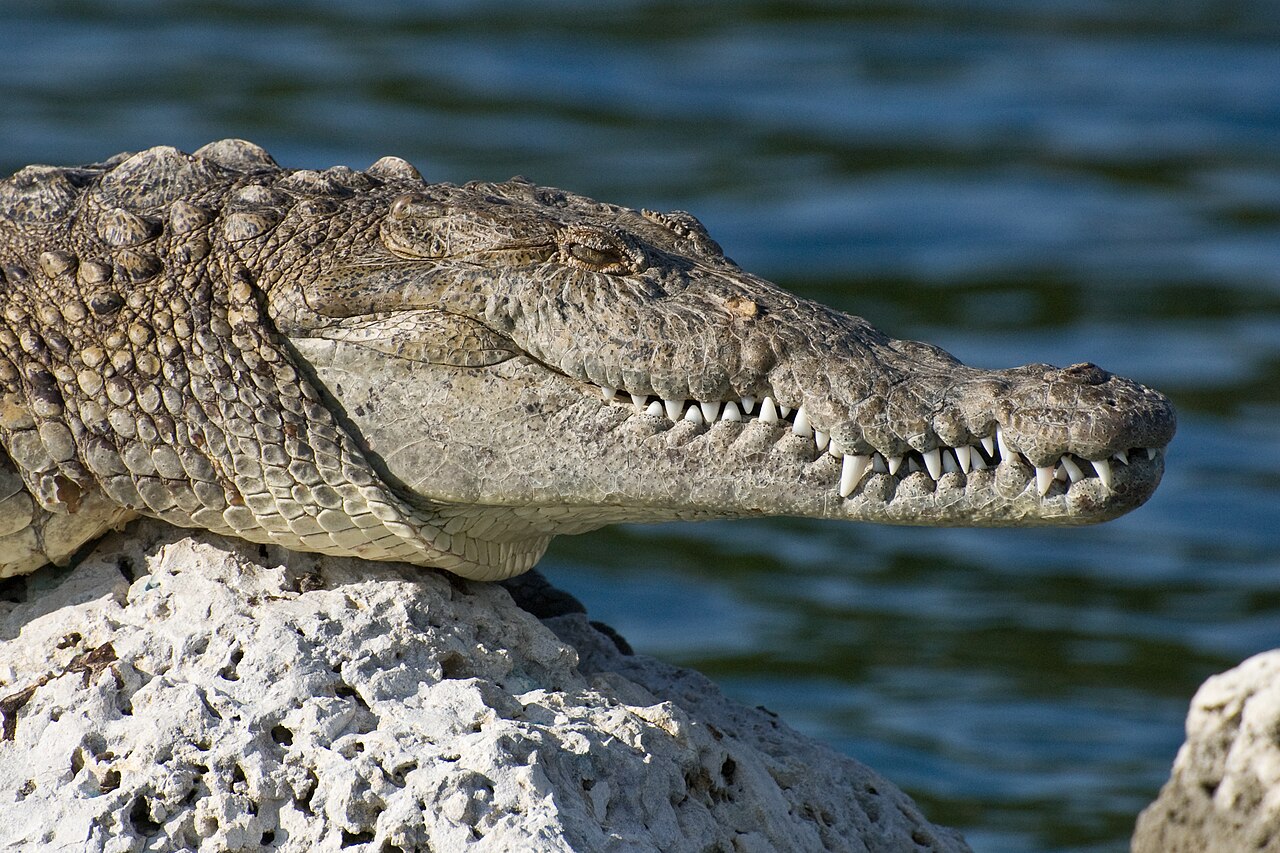
On the islands, particularly Elliott Key, you can find the endangered Schaus' swallowtail butterfly, a species that was once nearly extinct. The hardwood hammocks are home to marsh rabbits and various reptiles. For birders, the park is part of the Great Florida Birding Trail. Depending on the season, you can check off a long list of species, from magnificent frigatebirds soaring high above the reefs to double-crested cormorants drying their wings on channel markers. Bringing a pair of binoculars is highly recommended for any boat trip, as the wildlife often keeps a respectful distance from the vessels.
Family Activities and Rainy Days
If you are visiting with children, the Dante Fascell Visitor Center is the perfect place to start. It features a museum with interactive exhibits that explain the four distinct ecosystems of the park: the mangrove forest, the bay, the keys, and the coral reefs. Kids can participate in the Junior Ranger program, which guides them through the park's natural history with fun activities. The center also hosts a gallery showcasing local art inspired by the Florida coast.
On rainy days, the visitor center provides a welcome refuge with its films and educational displays. You can spend an hour or two learning about the history of the Tequesta people who once lived here or the pioneers who farmed pineapples on the keys. While the park's main attractions are outdoor-based, the shoreline boardwalk near the visitor center offers a quick way to stretch your legs and see the mangroves even if you have limited time or the weather isn't cooperating for a boat trip. Always check the official park site for the latest ranger talk schedule.