
Choosing the right season to explore this aquatic wonderland is essential since ninety-five percent of the park is underwater. While the subtropical climate offers warm temperatures throughout the year, factors like humidity, hurricane risks, and mosquito activity shift significantly between the wet and dry seasons. Most visitors find that the window from late autumn to early spring provides the most comfortable balance for boating, paddling, and snorkeling through the crystal-clear turquoise waters of Biscayne Bay.
The Peak Winter Season
December through April is widely considered the best time to visit Biscayne for comfortable outdoor recreation. During these months, the humidity drops, and the oppressive heat of the Florida summer gives way to mild, breezy days with temperatures often hovering in the seventies and low eighties. This is the dry season, meaning you are less likely to encounter the sudden afternoon thunderstorms that characterize the region during the rest of the year.
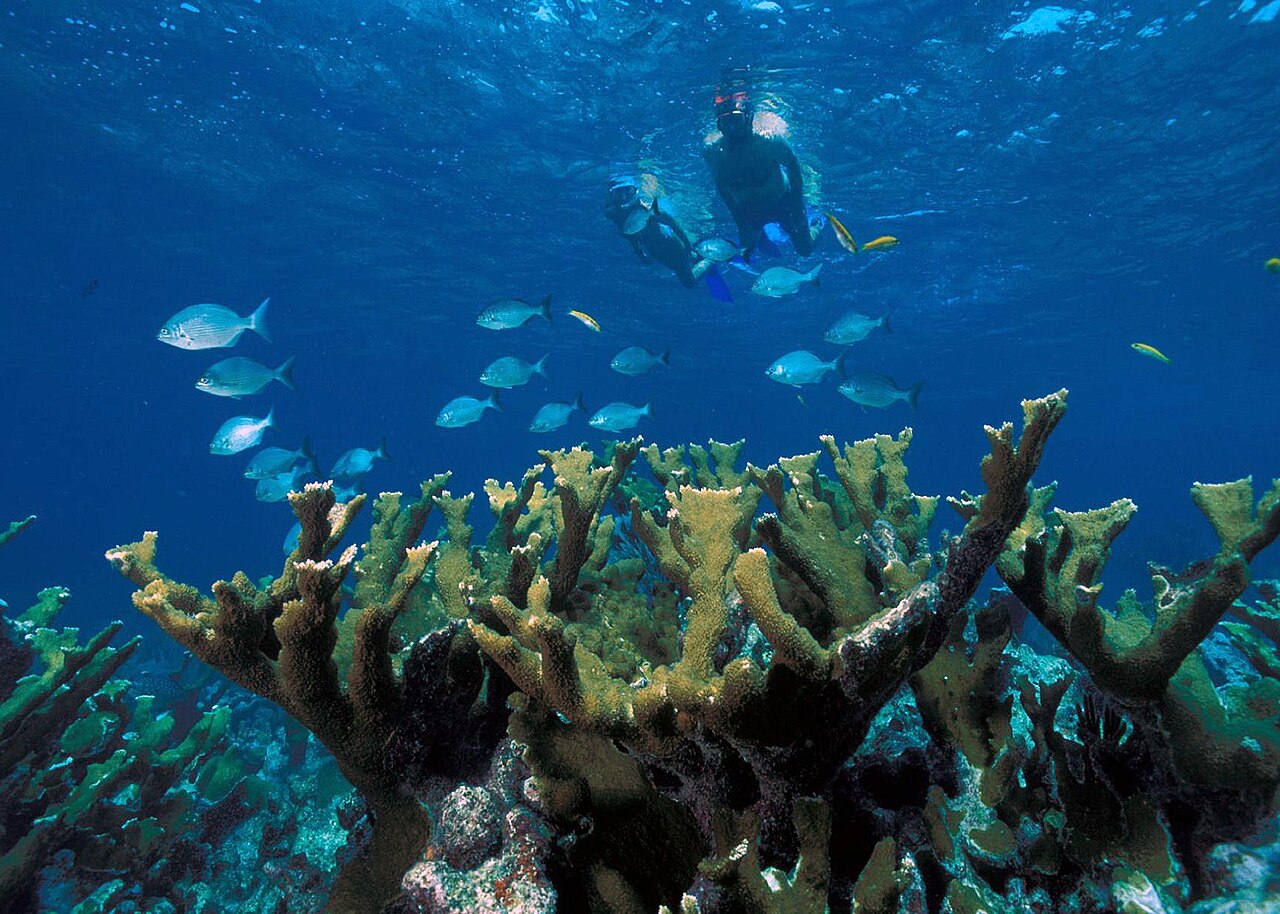
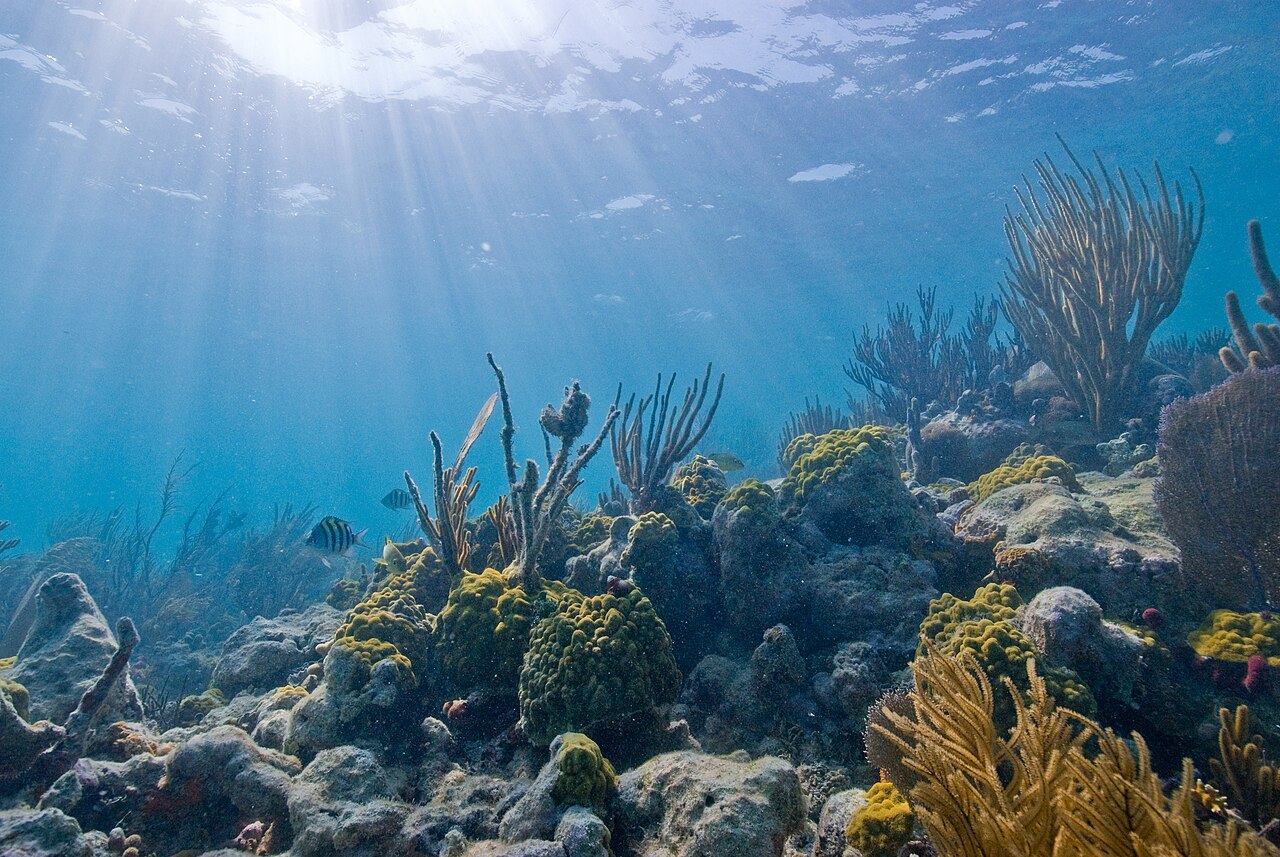
Because the water remains relatively warm, snorkeling and diving are still popular, though some may prefer a thin wetsuit for longer sessions in the water. This is also the prime time for birdwatching, as migratory species join the resident populations of herons, egrets, and spoonbills in the mangroves. However, keep in mind that this is the busiest time for the park. Boat tours and guided excursions often fill up weeks in advance, so early planning is necessary to secure your spot on the water.
Lock in a stay for this season
RV parks near Biscayne National Park on RoverPass
Partner link · RoverPass
Navigating the Summer Heat
Summer in South Florida, spanning roughly from June through September, brings intense heat and high humidity. Temperatures frequently climb into the nineties, and the heat index can make physical activity on the islands feel quite strenuous. This is also the rainy season, where heavy downpours occur almost daily. While these storms are often brief, they can produce lightning, which is a major safety concern for anyone out on a boat or paddling in open water.
Despite the heat, summer offers some of the calmest seas and clearest water for snorkeling the outer reefs. If you visit during this time, plan your water-based activities for the early morning before the afternoon clouds build up. Be prepared for the legendary Florida mosquitoes and no-see-ums, which are at their most active during these humid months. If you intend to hike the trails on Elliott Key or Adams Key in the summer, heavy-duty insect repellent and protective clothing are non-negotiable requirements for a comfortable experience.
Lock in a stay for this season
Campsites near Biscayne National Park on Campspot
Partner link · Campspot
Shoulder Season Advantages
The shoulder months of May and November offer a compelling middle ground for travelers looking to avoid the winter crowds while steering clear of the peak hurricane window. In May, the water is warming up significantly, making it ideal for long hours spent exploring the Maritime Heritage Trail shipwrecks. November brings the first cool fronts that drop the humidity levels, signaling the end of the most intense insect activity.
During these transition periods, you might find more availability for canoe and kayak rentals at the Dante Fascell Visitor Center. The breezes are generally steady, providing excellent conditions for sailing across the bay. While the weather is generally stable, it is always wise to keep an eye on the forecast, as late-season tropical systems can still develop in November. These months are perfect for those who want a quieter experience on the islands of the park without the logistical pressure of the mid-winter tourist rush.
Lock in a stay for this season
Harvest Hosts stays on the way to Biscayne National Park
Partner link · Harvest Hosts
Understanding Hurricane Season
Official hurricane season runs from June 1 through November 30, with activity typically peaking in August and September. While a major storm is a rare occurrence for any specific week, travelers must remain flexible with their plans during this window. Tropical storms can lead to park closures, mandatory evacuations of the keys, and the suspension of all boat transportation services.
Even if a storm doesn't make landfall nearby, distant systems can create rough sea conditions and poor underwater visibility, which can dampen the experience for snorkelers and divers. If you choose to visit during the late summer, always check the National Park Service website for current conditions and weather alerts. Most local outfitters have flexible cancellation policies regarding weather-related safety issues, but it is always recommended to have a backup plan for inland activities in Homestead or Miami should the park become inaccessible due to high winds or storm surges.
Reservations and Timing Tips
Regardless of the season, timing your daily arrival is key to a successful visit. The parking area at Convoy Point can fill up quickly on weekends, especially during the pleasant winter months. Since most of the park's highlights require boat access, booking your guided tours for snorkeling, paddleboarding, or island exploration should be your first priority after selecting your dates.
If you are planning to camp on Elliott Key or Boca Chita Key, remember that these sites are primitive and available on a first-come, first-served basis, though you must pay a fee at the kiosk. During the winter holidays and spring break, these islands can reach capacity early in the day. Always verify the current status of the park's concessioner-led tours, as they are the primary way for visitors without their own vessels to reach the reefs. Mid-week visits are always recommended over weekends to ensure a more peaceful experience among the mangroves and shipwrecks.
More ways to book Biscayne National Park
 Illustrative · Judd Patterson, National Park Service biologist
Jones Lagoon Kayaking
One of the classic ways to experience Biscayne.
Varies (estimate)
Partner link · Viator