
The Bighorn Mountains offer a vast playground for outdoor enthusiasts who want to escape the crowded boardwalks of more famous national parks. Here, you will find ancient cultural sites, dramatic canyons carved by glacial melt, and alpine lakes that mirror the jagged granite peaks. Whether you are driving the scenic byways or trekking into the roadless wilderness, the diversity of the landscape provides endless opportunities for discovery.
Hike the Cloud Peak Wilderness
The Cloud Peak Wilderness is the crown jewel of the range, offering some of the most spectacular hiking in the American West. For those seeking a challenge, the trek to the summit of Cloud Peak stands at 13,167 feet, providing panoramic views that stretch across the Wyoming basin. Even if you aren't looking to summit, the network of trails leading to alpine basins like Mistymoon Lake offers breathtaking scenery without the extreme vertical gain.
These trails wind through dense forests of spruce and fir before opening into vast meadows where pika and marmots are frequently spotted among the talus slopes. Because this area is a designated wilderness, no motorized vehicles or bicycles are allowed, ensuring a quiet experience dominated by the sounds of wind and rushing water. Hikers should be prepared for rocky terrain and rapid weather changes. Remember to register at the trailhead and check the official Forest Service site for wilderness regulations, as special rules apply to camping and fire usage in this pristine environment.
Visit the Medicine Wheel National Historic Landmark
Perched on a high ridge at nearly 10,000 feet, the Medicine Wheel is one of the most significant archaeological sites in North America. This ancient stone circle, roughly 80 feet in diameter with 28 spokes radiating from a central cairn, has been a place of sacred ceremony for Indigenous peoples for centuries. Walking the path to the wheel is a quiet, reflective experience, as the site remains an active place of prayer today.
Visitors are asked to stay on the designated paths and respect the offerings left on the fence, such as prayer cloths and sage. The views from this ridge are equally staggering, offering a 360-degree look at the Bighorn Basin and the surrounding peaks. Access is typically limited to the summer months due to snow. The walk from the parking area to the wheel is about 1.5 miles each way on a gravel road, and the high altitude can make the stroll more strenuous than it appears, so take your time and stay hydrated.
Scenic Drives and Tensleep Canyon
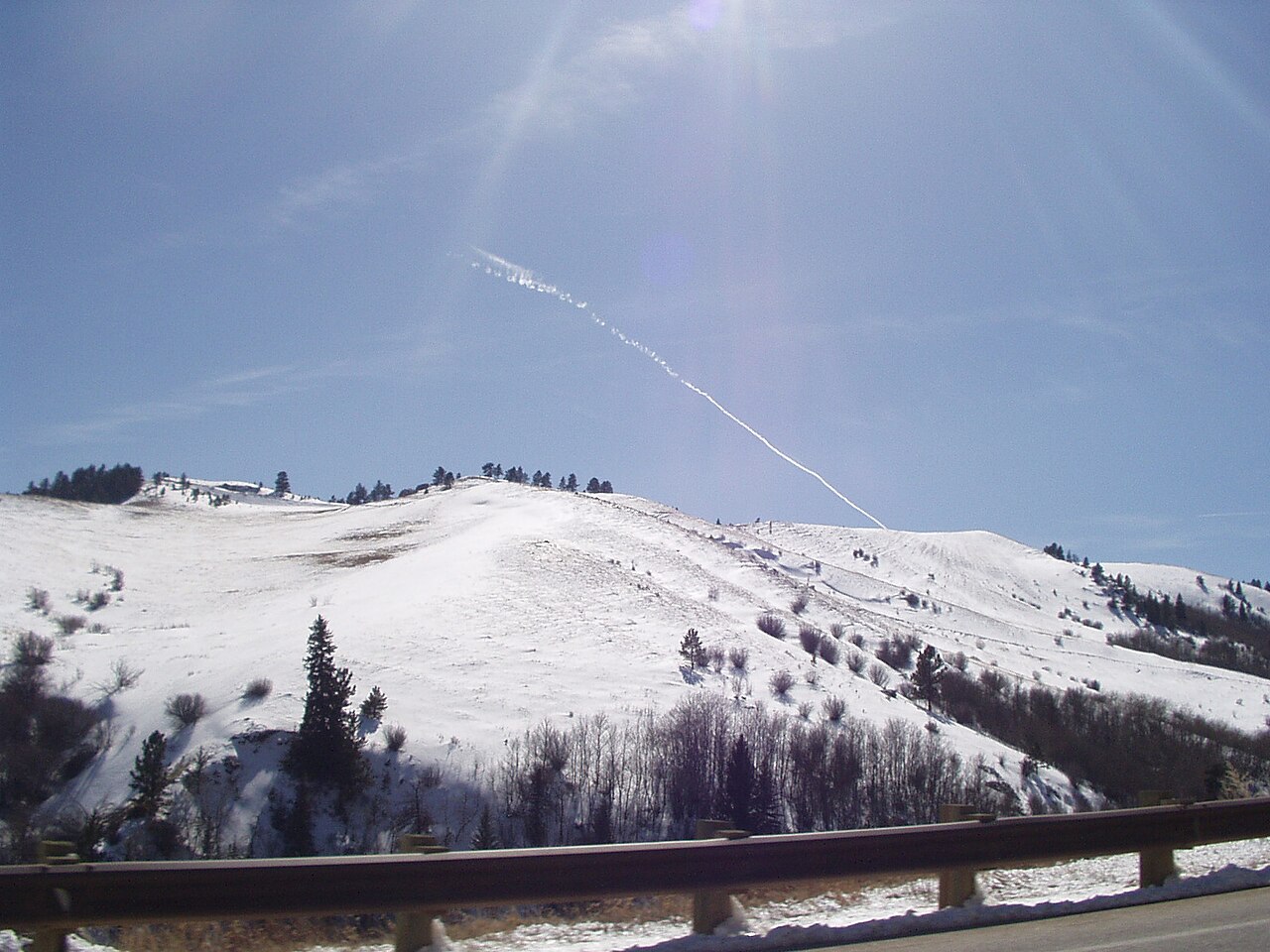
If you prefer to see the sights from the comfort of your vehicle, the Bighorn Scenic Byway (Highway 14) and the Cloud Peak Skyway (Highway 16) are among the most beautiful drives in the country. Highway 16, which runs between Buffalo and Worland, takes you through the dramatic Tensleep Canyon. This stretch of road is famous for its towering limestone walls, which are popular with rock climbers from around the world.
Along the way, there are numerous pullouts where you can stop to admire the sheer verticality of the canyon or watch the creek rushing below. The switchbacks provide ever-changing perspectives on the geological layers that make up the range. Another highlight is Shell Canyon, where the Shell Falls Interpretive Site offers a close-up view of a powerful waterfall thundering through ancient granite. These drives are excellent for photographers, especially during the early morning or late evening when the light hits the rock faces, turning them vibrant shades of orange and red. Always keep an eye out for mule deer and moose along the road shoulders.
Family Adventures and Easy Trails
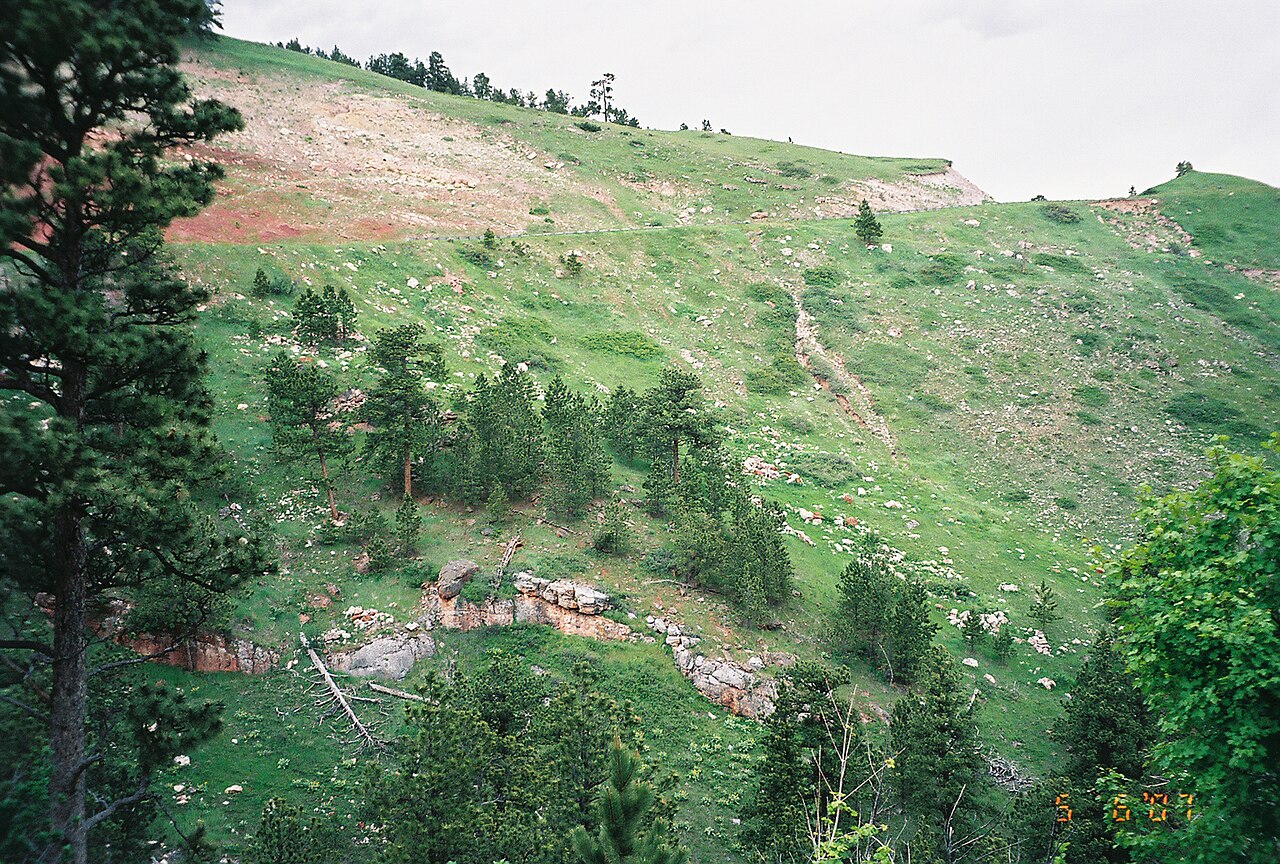
Families visiting the Bighorns will find plenty of accessible adventures that don't require technical gear or multi-day packing. Sibley Lake and Meadowlark Lake are perfect spots for a day of fishing, picnicking, or paddling. Many of the campgrounds around these lakes feature gentle walking paths that are suitable for younger children. The Porcupine Falls trail is another family favorite; although the hike back up is steep, the sight of the water plunging into a deep pool is a high-reward destination.
For a unique educational experience, stop by the various visitor centers to learn about the local ecology and the history of the timber and ranching industries that shaped the region. Exploring the Bighorns with kids allows for a slower pace, focusing on identifying wildflowers or searching for fossils in the sedimentary rock layers. Rainy days can be spent in the gateway cities like Sheridan, where local museums offer deep dives into Western history, ensuring that even a change in weather doesn't dampen the spirit of the trip.
Wildlife Viewing and Nature Photography
The Bighorn Mountains are a haven for wildlife, and patient observers are often rewarded with sightings of the region's largest inhabitants. Moose are frequently seen in the marshy willows along the banks of high-mountain streams and lakes. Elk herds often graze in the high meadows during the summer, moving to lower elevations as the snow begins to fly. For birdwatchers, the range is home to golden eagles, mountain bluebirds, and the elusive Clark's nutcracker.
To get the best photographs, plan your outings around the 'golden hours' of dawn and dusk when animals are most active. Always maintain a safe and respectful distance from all wildlife; use binoculars or a long telephoto lens rather than approaching. The diversity of habitatsâfrom the arid foothills to the alpine tundraâmeans you can see a wide variety of species in a single day. Checking with local rangers about recent sightings can help you decide which area of the forest to focus on for the best chance of a memorable encounter with Wyoming's wild residents.