
Choosing the best time to visit Bighorn Mountains depends entirely on your tolerance for snow and your desire for high-altitude access. Located in Northern Wyoming, this range is defined by extreme elevation changes where spring arrives late and winter settles in early. Most travelers find that the narrow window between Independence Day and Labor Day offers the most reliable weather for exploring the alpine plateaus and hidden glacial lakes.
Summer Peak Season
July and August represent the absolute peak for visitation in the Bighorns, and for good reason. During these months, the snow finally clears from high-elevation passes like Burgess Junction and Powder River Pass, opening up miles of backcountry trails. This is the only time of year when you can reliably visit the Medicine Wheel National Historic Landmark without trekking through deep drifts.
Wildflowers peak in mid-July, carpeting the meadows in vibrant purples and yellows. Temperatures are comfortable, often reaching the 70s during the day, though the high desert air means nights remain crisp and cool. Because this window is short, campgrounds fill up quickly. If you plan on staying at established Forest Service sites, it is essential to check the official reservation portals months in advance. Brief afternoon thunderstorms are common in the high country, so hikers should plan to be off exposed ridges by early afternoon to avoid lightning strikes.
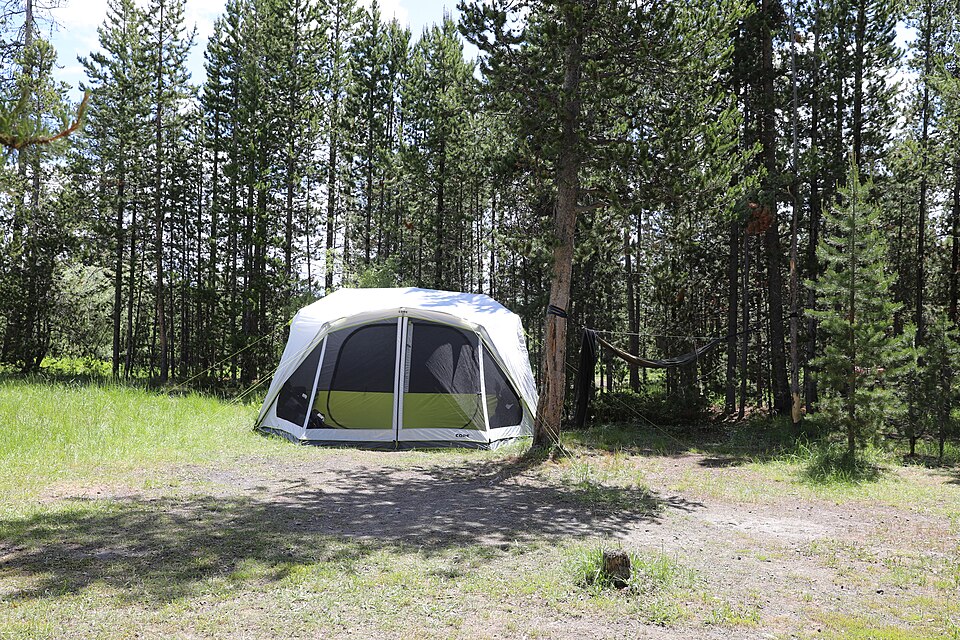
Lock in a stay for this season
RV parks near Bighorn Mountains on RoverPass
Partner link · RoverPass
The Golden Glow of Autumn
September is arguably the most beautiful month in the Bighorns for those who prefer solitude and cooler air. As the aspen groves turn a brilliant gold against the dark green of the lodgepole pines, the crowds from the summer months begin to dissipate. This is a prime time for wildlife viewing, as elk become more active during the rut and can often be heard bugling across the canyons.
By late September, the weather becomes highly unpredictable. It is not uncommon for a bright, sunny morning to turn into a heavy snowstorm by sunset. Many higher-elevation campgrounds begin to close their gates or stop providing water services after the third week of the month. If you are visiting during this transition period, come prepared with heavy layers and a vehicle capable of handling sudden ice. The Cloud Peak Wilderness remains a favorite for hardy backpackers during this window, provided they monitor the forecast for early autumn blizzards.
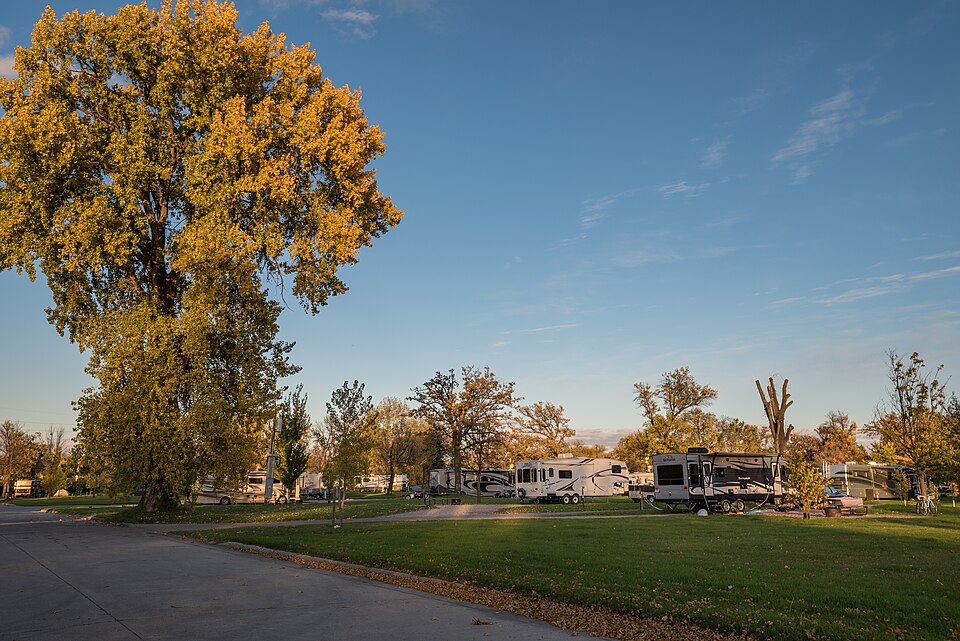
Lock in a stay for this season
Campsites near Bighorn Mountains on Campspot
Partner link · Campspot
Winter and Early Spring Constraints
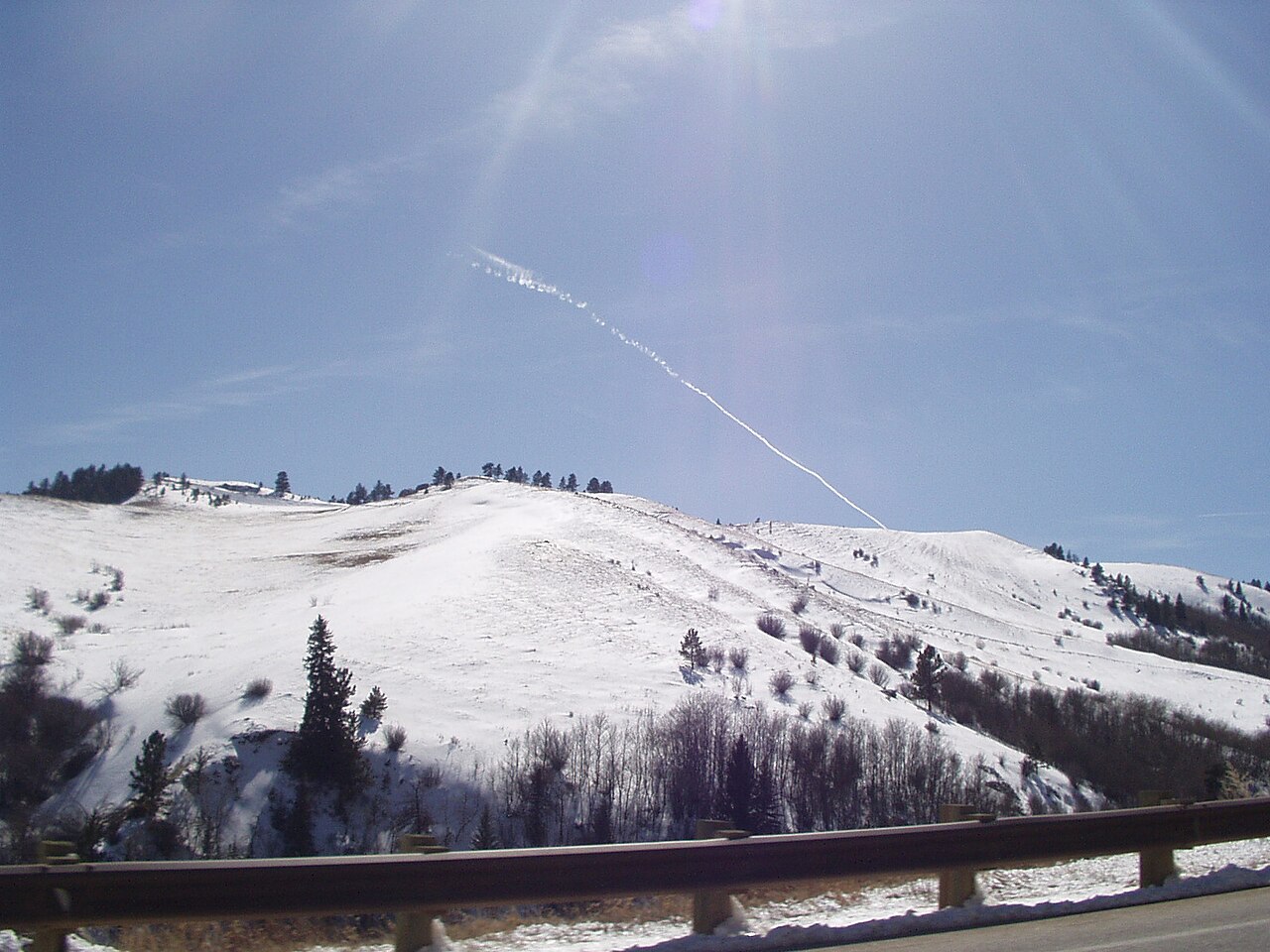
From November through May, the Bighorn Mountains transform into a playground for snowmobilers and cross-country skiers, but traditional sightseeing becomes significantly limited. Major thoroughfares like Highway 14 and 14A are maintained, but secondary roads into the backcountry are often closed by deep snow packs. This is a quiet season where the silence of the forest is profound, and the granite peaks are draped in heavy white mantles.
Spring is often the most challenging time for visitors. April and May are frequently the snowiest months at high elevations, and 'mud season' can make unpaved forest roads impassable well into June. Hikers arriving in early June are often surprised to find the lakes still frozen and trails obscured by snow. If your heart is set on hiking the higher reaches of the Cloud Peak Wilderness, patience is a virtue; waiting until the July sun has done its work will ensure a much safer and more enjoyable experience.
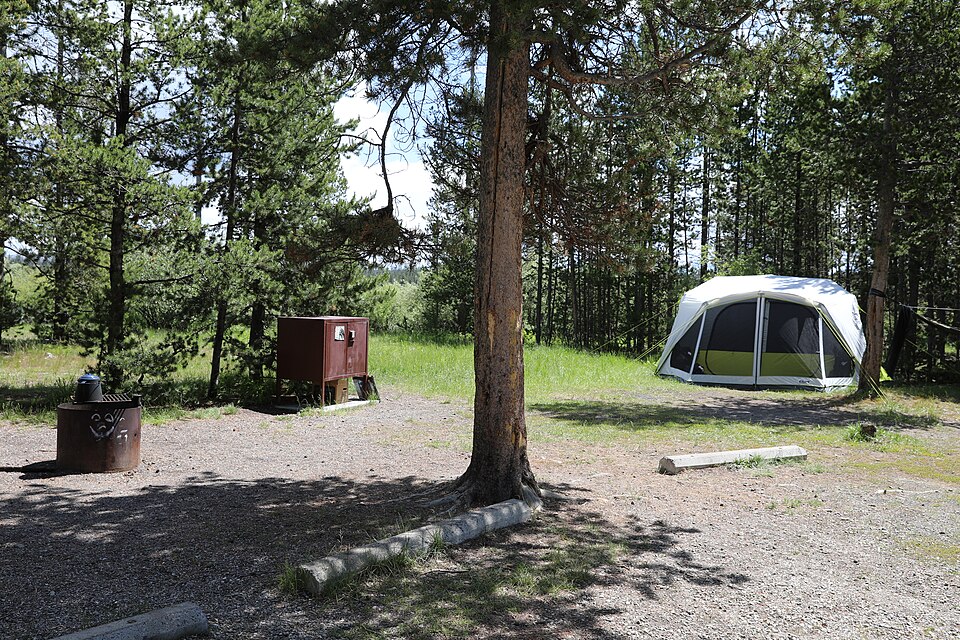
Lock in a stay for this season
Harvest Hosts stays on the way to Bighorn Mountains
Partner link · Harvest Hosts
Managing Crowds and Reservations
While the Bighorns are far less crowded than nearby Yellowstone or Grand Teton, the limited number of developed campsites means planning is still vital. Most visitors cluster around the scenic pullouts on the Bighorn Scenic Byway. To escape the clusters, aim for mid-week visits or explore the southern end of the range near Tensleep Canyon, which often sees fewer day-trippers.
Reservations for popular sites near Meadowlark Lake or Sibley Lake should be secured as soon as the booking window opens, typically six months out. For those who prefer spontaneity, the Bighorn National Forest allows dispersed camping in many areas, provided you follow Leave No Trace principles and stay within designated zones. Always check the official NPS or Forest Service websites for the most current information on fire restrictions, which are common during the dry summer months. Having a backup plan is essential, as the rugged terrain and narrow weather windows can frequently necessitate a change in itinerary.
Weather Patterns and Packing
The primary rule of the Bighorns is that the weather changes in minutes, not hours. Even in the height of summer, the temperature at 9,000 feet can drop 30 degrees during a rain shower. Packing for a trip here requires a modular approach: moisture-wicking base layers, a mid-weight fleece, and a high-quality waterproof shell are non-negotiable. Sun protection is equally critical, as the thin atmosphere at high altitudes increases the risk of severe sunburn.
If you are visiting in the shoulder seasons, bring a four-season tent and a sleeping bag rated for at least 20 degrees Fahrenheit. Reliable footwear with good traction is necessary for the rocky, often slick terrain found on trails like the hike to Steamboat Point. Because cell service is nonexistent in many deep canyons and high plateaus, always carry a physical map and a compass. The rugged nature of Northern Wyoming rewards those who come prepared for the elements, turning a potentially difficult day into a memorable mountain adventure.
More ways to book Bighorn Mountains
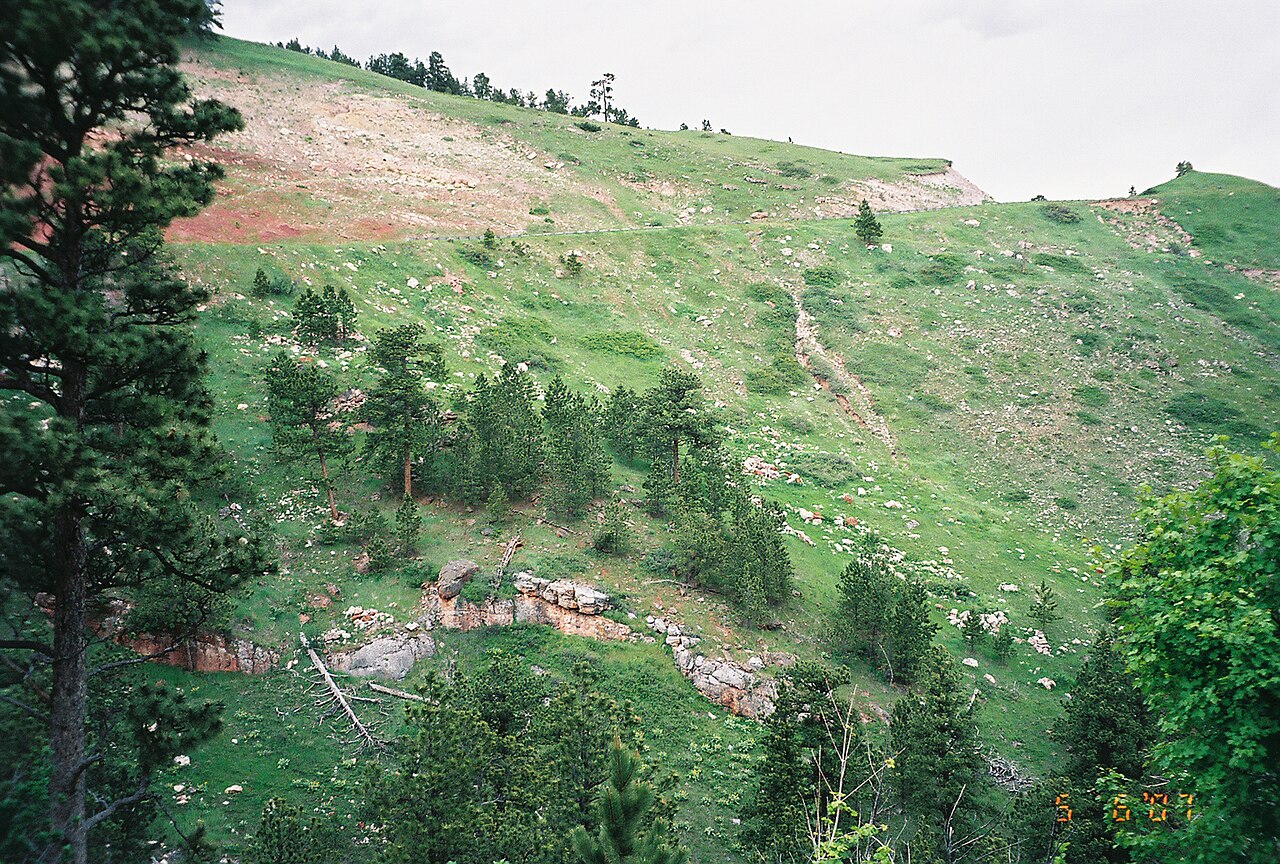 Illustrative · cchadek
Shell Canyon Scenic Drive
One of the classic ways to experience Bighorn Mountains.
Varies (estimate)
Partner link · Viator