
Big Thicket National Preserve is a sanctuary of biodiversity, offering a wide array of activities for nature lovers and adventure seekers alike. Whether you are gliding through a blackwater slough in a kayak or hiking through a stand of ancient longleaf pines, the preserve provides an intimate look at one of the most complex ecosystems in North America. There is something here for every pace, from strenuous backcountry treks to gentle boardwalk strolls through carnivorous plant bogs.
Paddling the Neches River and Village Creek
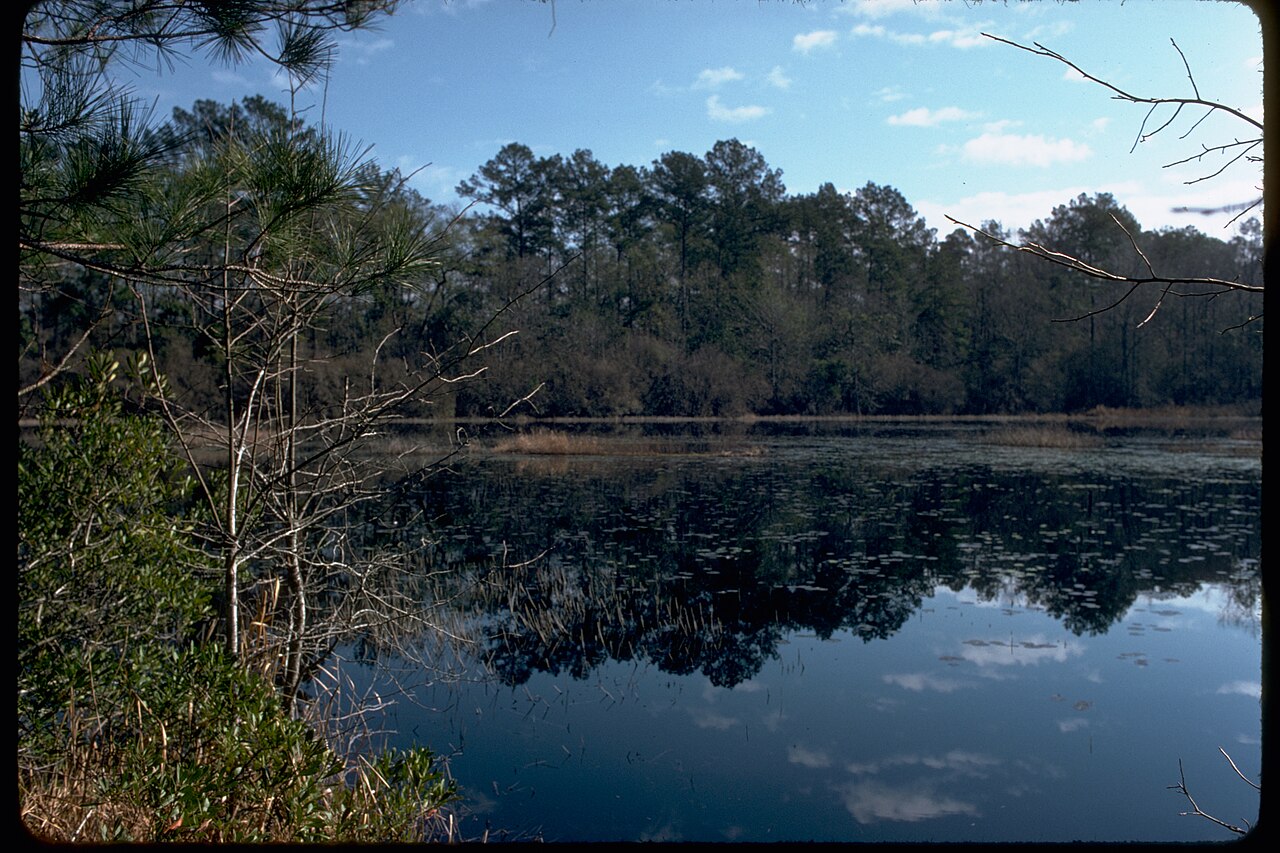
One of the most iconic things to do in Big Thicket National Preserve is to take to the water. The preserve features several designated paddling trails that wind through cypress-tupelo swamps and past white sandbars. Village Creek is a favorite for many, offering a gentle current that is suitable for beginners and families. As you paddle, you will see massive bald cypress trees with their characteristic 'knees' protruding from the water, creating an ethereal, prehistoric atmosphere.
For a longer adventure, the Neches River provides a broader waterway where you can witness the scale of the East Texas bottomlands. Paddlers often spot river otters, turtles sunning themselves on fallen logs, and a variety of herons and egrets wading in the shallows. Local outfitters in the Beaumont and Kountze areas provide rentals and shuttle services, making it easy to plan a one-way trip. Always check water levels on the official NPS site before heading out, as high water can create swift currents, while low water might require dragging your boat over sandbars.
Hiking the Diversity of the Thicket
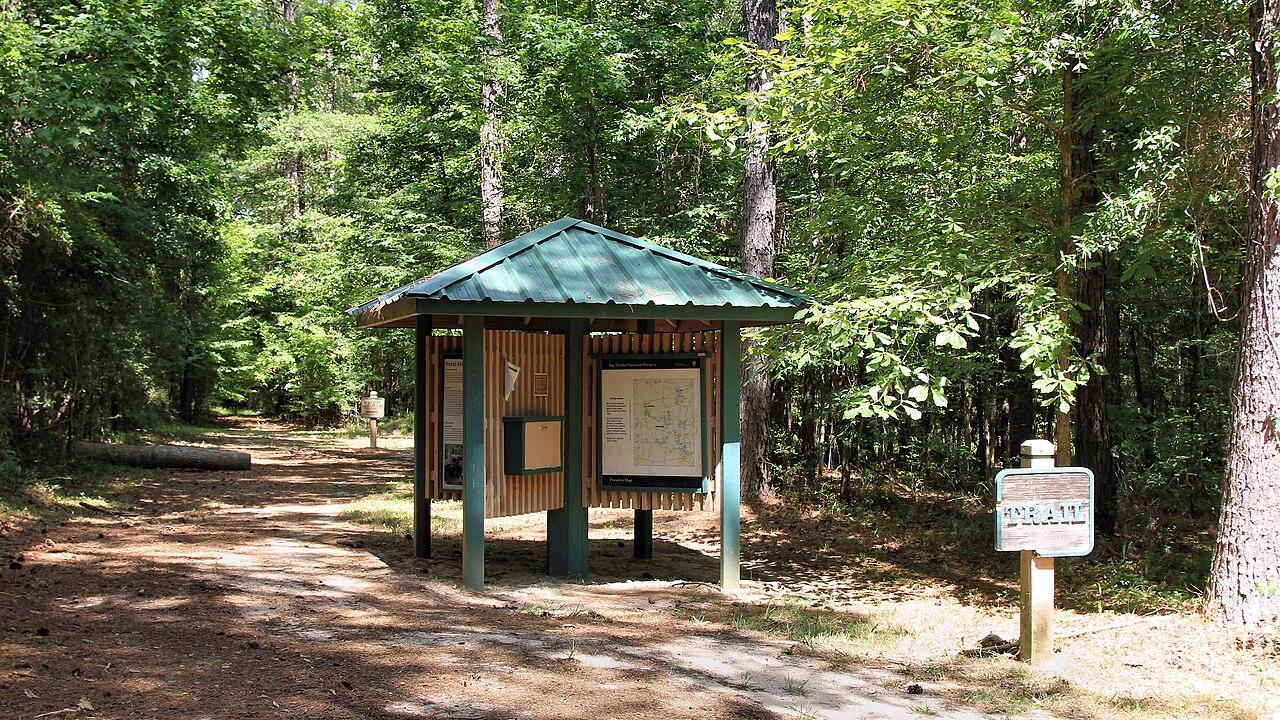
With over 40 miles of trails, hiking is the primary way to experience the nine different ecosystems within the preserve. The Kirby Nature Trail is a fantastic starting point, offering a loop that showcases the transition from upland pine forests to bottomland hardwood floodplains. For those interested in the unique flora of the region, the Pitcher Plant Trail is a must-see. A comfortable boardwalk leads you through a wetland savannah where thousands of carnivorous pale pitcher plants trap insects in their trumpet-shaped leaves.
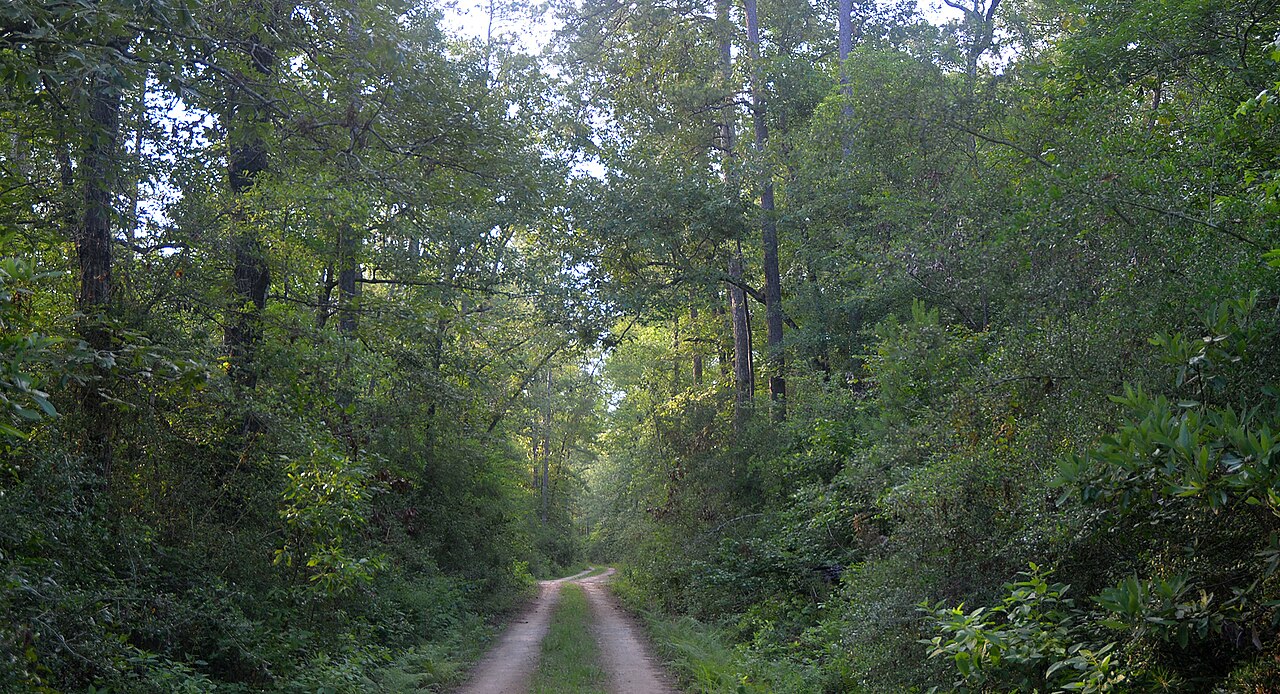
If you are looking for a more rugged experience, the Turkey Creek Trail stretches for 15 miles, traversing a variety of landscapes and offering a deeper immersion into the wilderness. The trails are generally flat, but the terrain can be muddy or uneven, so sturdy waterproof footwear is recommended. Hikers should be mindful of the weather, especially during the summer, and always carry a map and plenty of water, as the dense forest can sometimes make navigation tricky for the unprepared.
Wildlife Watching and Birding
Big Thicket is a premier destination for wildlife enthusiasts, particularly those with a keen eye for birds. The preserve is home to the endangered Red-cockaded Woodpecker, which nests in the old-growth longleaf pines. Early morning is the best time to head to the Pineywoods for a chance to see these rare birds. The diverse habitats also support a wide range of mammals, including white-tailed deer, bobcats, and gray foxes. While sightings of larger predators are rare, their tracks are often visible in the soft mud along the creek banks.
For those interested in reptiles and amphibians, the bayous and swamps are teeming with life. You might spot an American alligator gliding silently through the water or a variety of colorful dragonflies darting across the surface. Birders should bring binoculars and a field guide, as the mix of migratory species and permanent residents ensures that no two visits are the same. The quietude of the forest allows you to hear the subtle sounds of nature, from the drumming of a woodpecker to the splash of a jumping fish.
Family-Friendly Exploration and Education
Families will find plenty of engaging activities that are both educational and fun. The Big Thicket Visitor Center near Kountze is an excellent first stop, featuring interactive exhibits about the preserve's history, geology, and biology. Children can participate in the Junior Ranger program, completing activities that help them learn about the importance of conservation while earning a badge. Many of the shorter trails, like the Sundew Trail, are perfect for little legs and offer a high chance of seeing interesting plants and bugs close up.
Picnicking is another popular family activity, with several designated areas offering tables and shade. It is a great way to take a break between hikes and enjoy the sounds of the forest. During the spring and fall, the park often hosts ranger-led talks and guided walks that are specifically designed to engage younger visitors. These programs provide a safe and informative way for families to explore the 'Texas Jungle' together, fostering a love for the outdoors in the next generation.
Rainy Day Activities and Photography
Rain is a common occurrence in Southeast Texas, but it shouldn't stop your exploration. A light rain can actually enhance the atmosphere of the preserve, making the greens more vibrant and the scents of the pine needles and damp earth more pronounced. The Visitor Center offers a dry place to explore exhibits and watch an introductory film about the preserve. Itâs also a good time to chat with rangers about the best spots to visit once the weather clears.
For photographers, an overcast or rainy day provides soft, even lighting that is perfect for capturing the intricate details of the forest floor, such as moss-covered logs, ferns, and mushrooms. The mist rising from the bayous during a drizzle can create stunning, moody landscapes that are unique to the Big Thicket. Just be sure to bring waterproof gear for your camera and yourself. The boardwalks on the Pitcher Plant and Sundew trails remain accessible and provide a stable surface even when the surrounding ground is saturated, ensuring you can still see the preserve's highlights regardless of the weather.