
Choosing the best time to visit Big Thicket National Preserve is essential for navigating the humid, subtropical climate of Southeast Texas. This unique landscape, where eastern forests meet coastal prairies and southwestern deserts, transforms dramatically with the seasons. While the preserve is open year-round, timing your visit to avoid the peak heat and humidity of summer ensures a much more comfortable experience as you explore the intricate network of bayous and pine barrens.
Spring Blooms and Migrations
Spring is widely considered the best time to visit Big Thicket National Preserve because the ecosystem is at its most vibrant. From late February through April, the forest floor awakens with a spectacular display of wildflowers, including rare orchids and carnivorous plants like the pale pitcher plant. The temperatures are generally mild, often resting in the 70s, making it the perfect window for long-distance hiking on the Kirby Nature Trail.
Birdwatchers also flock to the region during this time. As a critical stopover on the Central Flyway, the preserve hosts dozens of migratory songbird species. The canopy becomes a chorus of activity, providing ample opportunities for photography and quiet observation. Because this is a popular window, it is wise to check the official National Park Service site for any seasonal ranger-led programs or guided canoe trips that typically begin during the spring thaw. The moderate humidity allows for full days of outdoor exploration before the heavy summer air settles in.
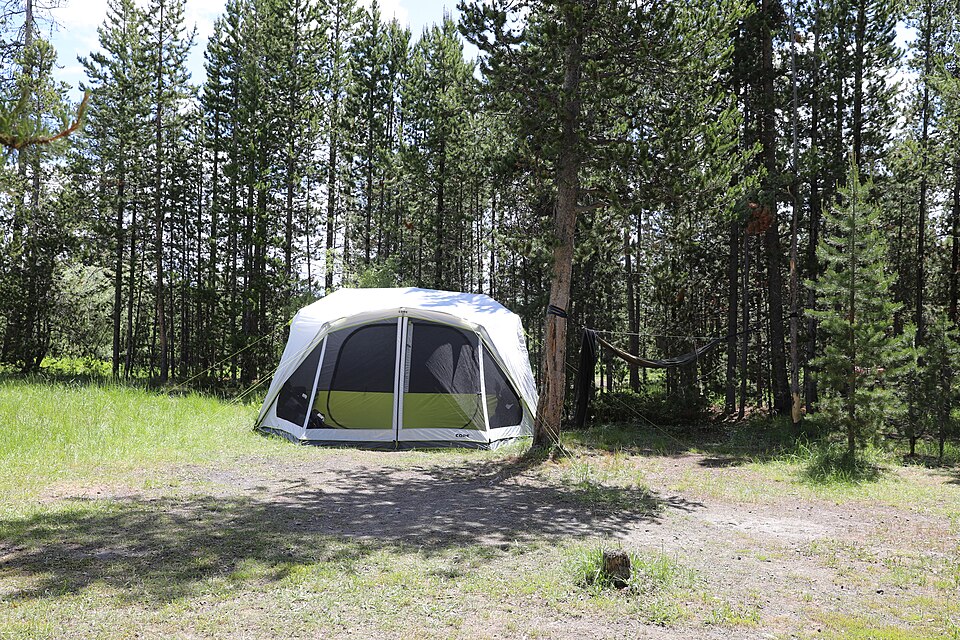
Lock in a stay for this season
RV parks near Big Thicket National Preserve on RoverPass
Partner link · RoverPass
Navigating the Humid Summer Months
Summer in Southeast Texas is characterized by high heat, significant humidity, and frequent afternoon thunderstorms. While the lush greenery is at its peak, the environmental conditions can be challenging for those not used to the Gulf Coast climate. If you visit during June, July, or August, plan your heavy activities for the early morning hours. The thick canopy provides some shade, but the still air near the bayous can feel much warmer than the actual temperature suggests.
This is the season to prioritize water-based activities. Paddling the Neches River or Village Creek offers a slight breeze and the chance to cool off near the water's edge. Be prepared for robust insect activity; mosquitoes are a constant companion in the wetlands during the warmer months. Carrying plenty of water and wearing moisture-wicking clothing is essential. Despite the heat, summer offers long daylight hours for those who enjoy slow-paced river trips or early morning wildlife spotting near the sloughs.
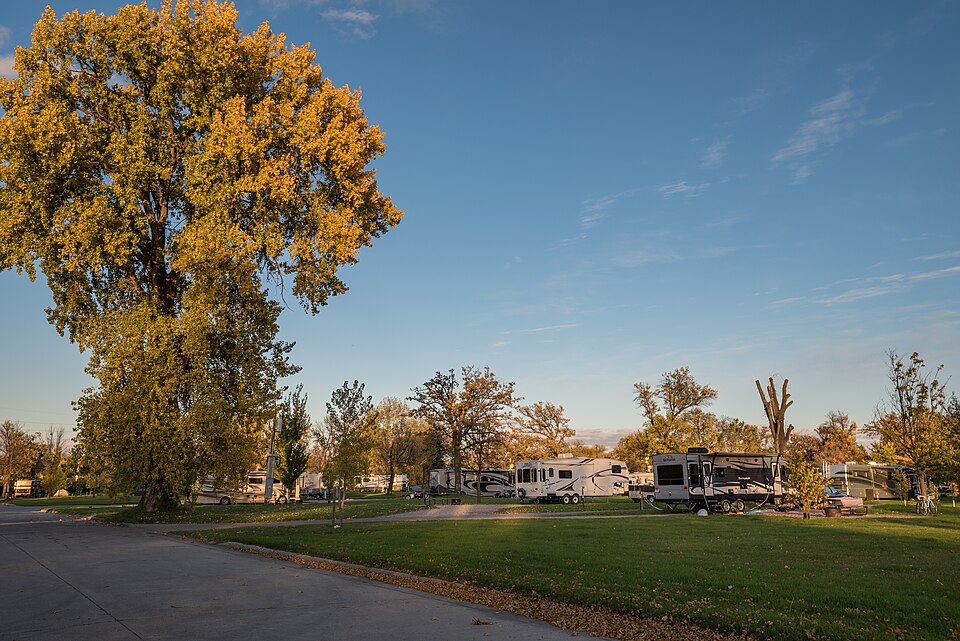
Lock in a stay for this season
Campsites near Big Thicket National Preserve on Campspot
Partner link · Campspot
Fall Foliage and Crisp Air
Autumn is a secondary peak season for the preserve, offering a reprieve from the summer swelter. Starting in October, the humidity drops and the temperatures become crisp and inviting. While Texas isn't always known for dramatic fall colors, the Big Thicket offers a subtle and beautiful transition. The cypress trees along the water's edge turn a deep rusty orange, and the deciduous hardwoods provide splashes of yellow and gold against the evergreen loblolly pines.
The weather in late October and November is ideal for backpacking or camping under the stars. The lower temperatures mean fewer insects, making the backcountry sites much more appealing for overnight stays. It is also a fantastic time for hunting season in nearby areas, so visitors should check current regulations and trail closures on the NPS website. The moderate climate during the fall allows for full-day excursions without the risk of heat exhaustion, making it a favorite for families and long-distance trekkers.
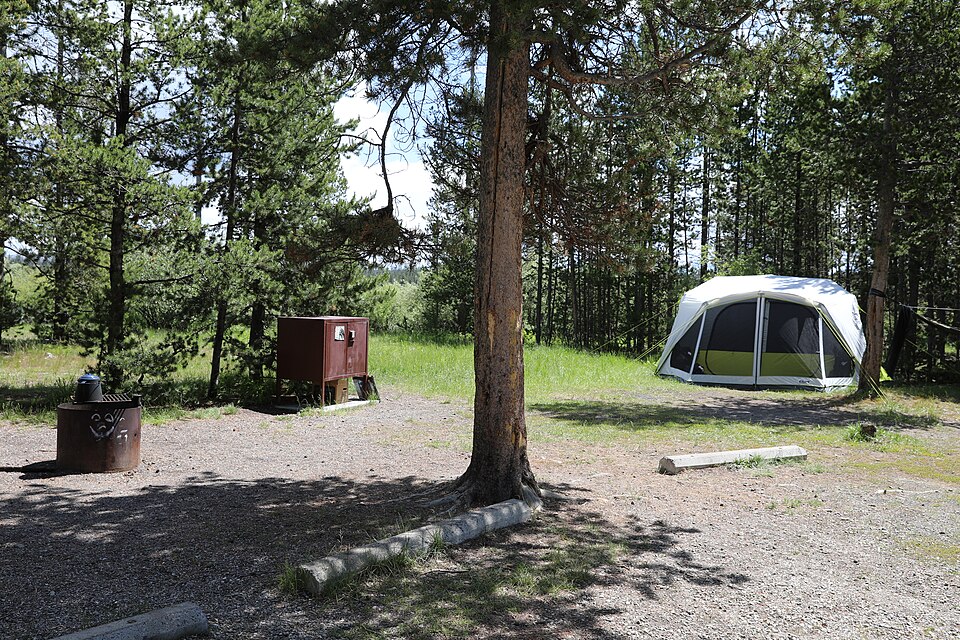
Lock in a stay for this season
Harvest Hosts stays on the way to Big Thicket National Preserve
Partner link · Harvest Hosts
Winter Solitude and Clear Vistas
Winter is a hidden gem for visitors seeking solitude and clear views through the forest. While the deciduous trees lose their leaves, the evergreen pine forests remain vibrant, and the lack of foliage opens up sightlines for spotting white-tailed deer and other resident wildlife. Daytime temperatures are often pleasant, frequently hovering in the 50s and 60s, though occasional cold fronts can bring freezing temperatures and rain.
This is perhaps the best time for photography, as the low winter sun creates long, dramatic shadows across the cypress knees and sandy creek banks. Crowds are at their lowest, giving you a sense of true wilderness in the heart of East Texas. While some water levels may vary depending on winter rains, the creek remains navigable for most of the season. It is a quiet, reflective time to visit, perfect for those who want to experience the 'Big Thicket' without the distraction of larger groups or the intensity of the southern sun.
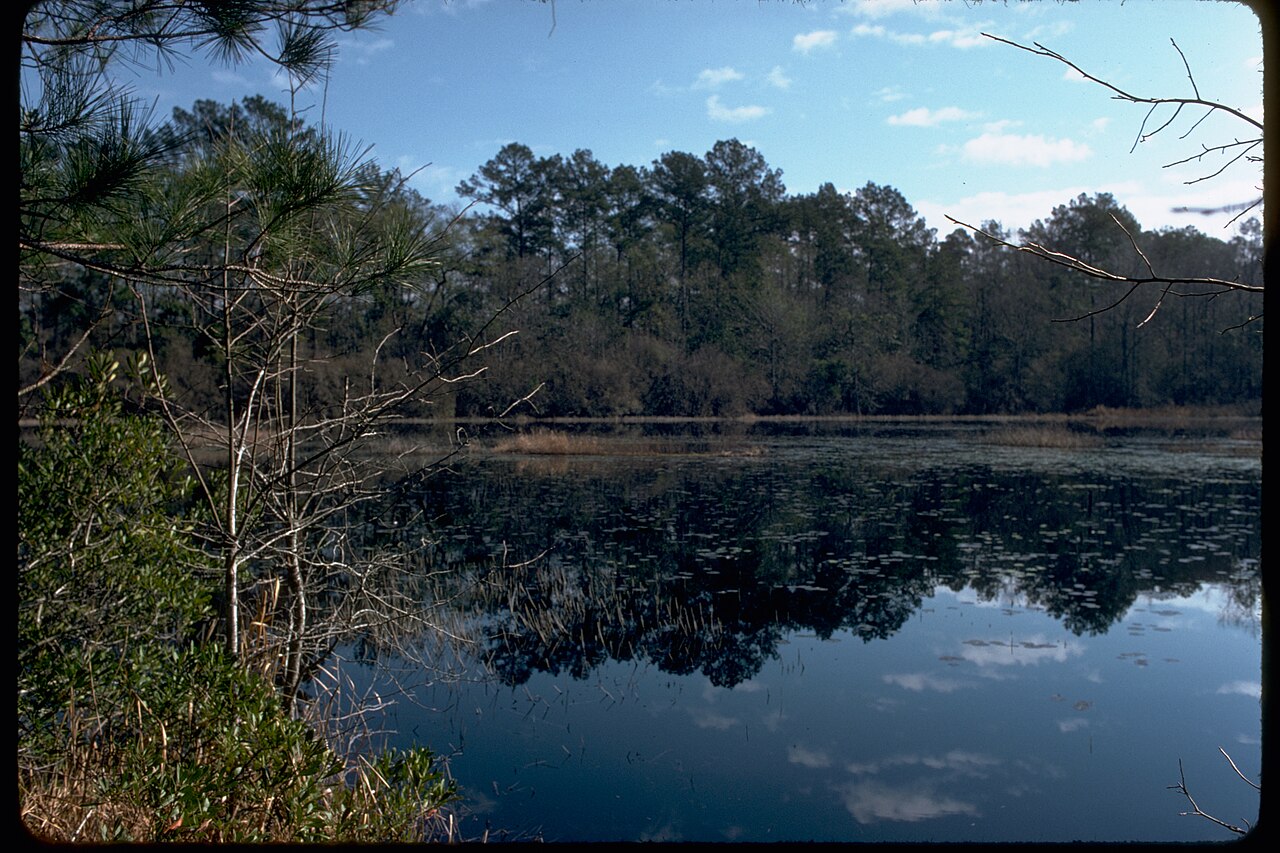
Planning for Crowds and Reservations
Big Thicket National Preserve rarely feels overcrowded compared to major flagship parks, but certain weekends in the spring and fall can see higher traffic at popular trailheads like the Pitcher Plant Trail. Reservations are not typically required for general entry, but if you plan on backcountry camping or joining a ranger-led paddle, you must coordinate in advance. Permits for backcountry use are usually free but required, ensuring that the fragile ecosystems are not overtaxed by too many visitors at once.
Always consult the official park website before your trip to check for trail conditions, as localized flooding can occur after heavy rains, temporarily closing certain low-lying sections. Planning your visit during the midweek can offer an even more secluded experience. If you are traveling from gateway cities like Beaumont or Kountze, remember that these areas serve as your primary hubs for supplies, so stock up before heading into the deeper units of the preserve where services are virtually non-existent.
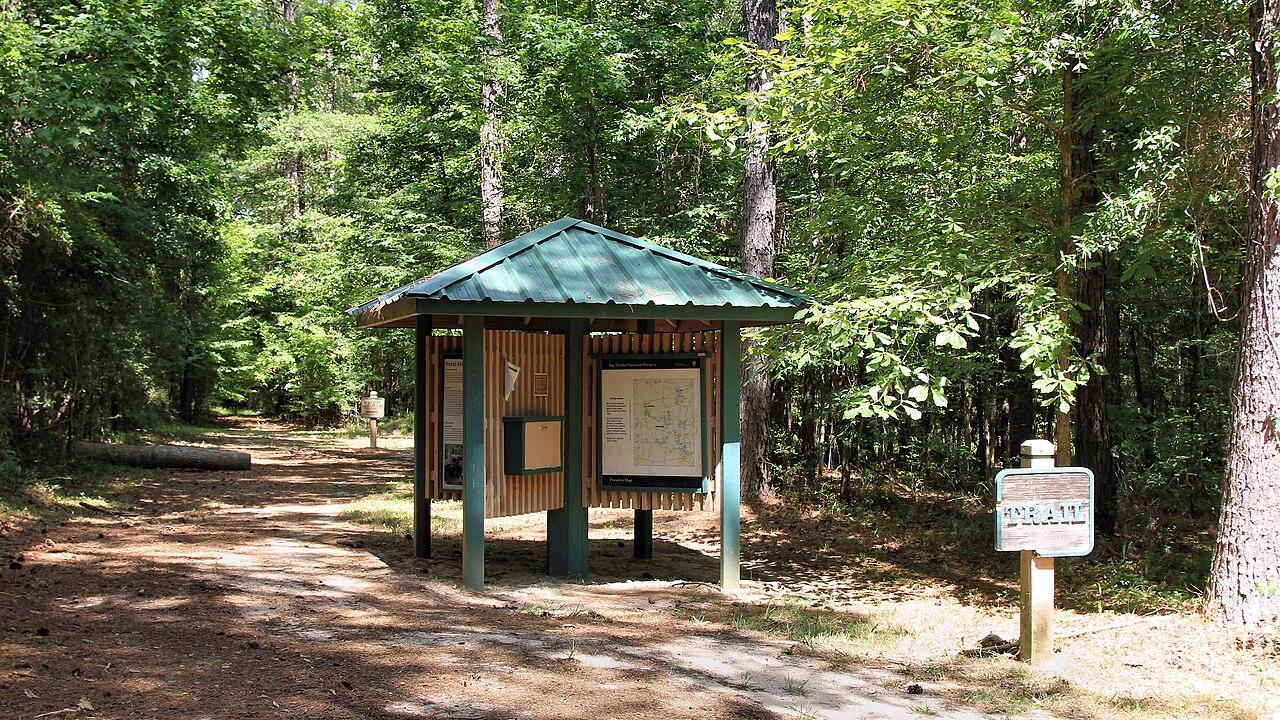
More ways to book Big Thicket National Preserve
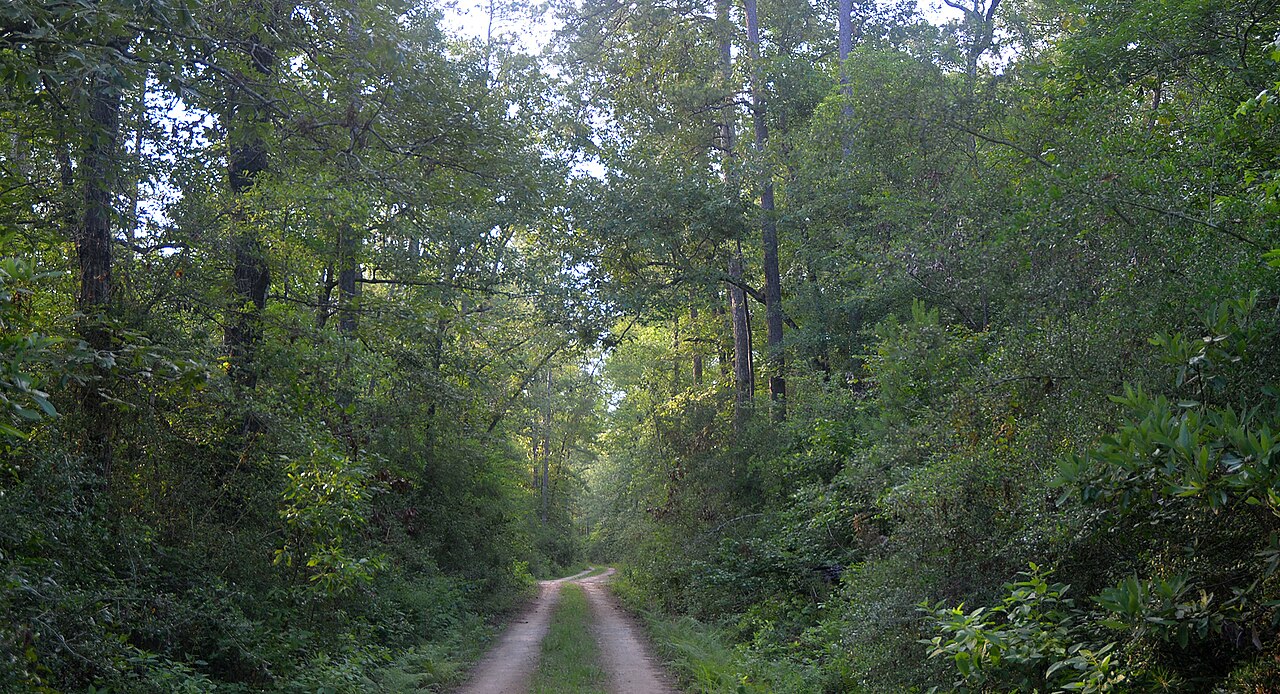 Illustrative · William L. Farr
Pitcher Plant Trail
One of the classic ways to experience Big Thicket National Preserve.
Varies (estimate)
Partner link · Viator