
April through June and September through November are useful starting points for a Big Island trip, especially if you want to work around major holiday crowds. Still, location and elevation shape your experience as much as the month: the Kona coast is generally drier, Hilo is wetter, and the volcano uplands can feel cool. Choose your dates around the activities you care about, then leave room for changing weather.
Spring: Flexible Days Between Holiday Peaks
April through June can work well for a trip that mixes beaches, scenic drives, and Hawaiʻi Volcanoes National Park. Spring break and holiday periods can still be busy, so these months are not uniformly quiet. Later spring often offers a useful window between school vacation peaks, though popular lodging and rental cars still deserve advance planning.
Expect warm conditions near sea level, with showers possible throughout the island. Hilo and the windward coast remain greener and generally wetter than the Kona side. Pack a light rain shell and a warmer layer for Volcano, and keep your beach day interchangeable with a museum visit or short sightseeing loop.
Summer: School Vacations and Beach Time
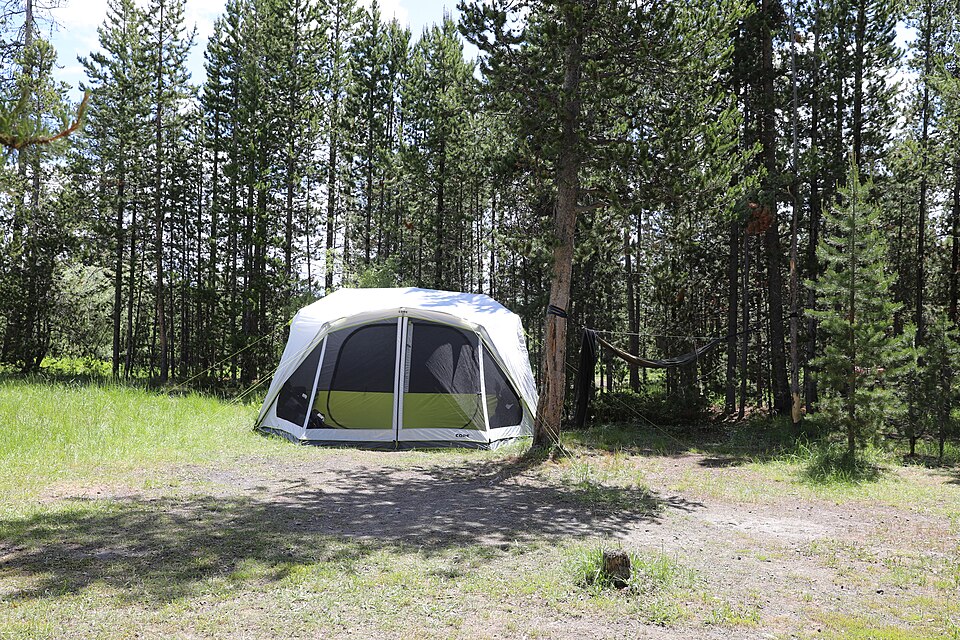
July and August appeal to families working around school schedules. Expect more competition for larger rooms, rental vehicles, and guided activities during popular vacation periods. Reserve the essentials before building a detailed daily schedule, especially if your group needs connecting rooms or a particular vehicle size.
Summer is generally the drier season, but that does not make every coast dry or every swimming spot suitable. Ocean conditions vary by beach and day. Plan exposed walks early to reduce time in midday heat, bring drinking water, and avoid stacking a long volcanic hike after several hours at the beach. Higher elevations still call for extra layers.
Fall: A Strong Window for Mixed Itineraries
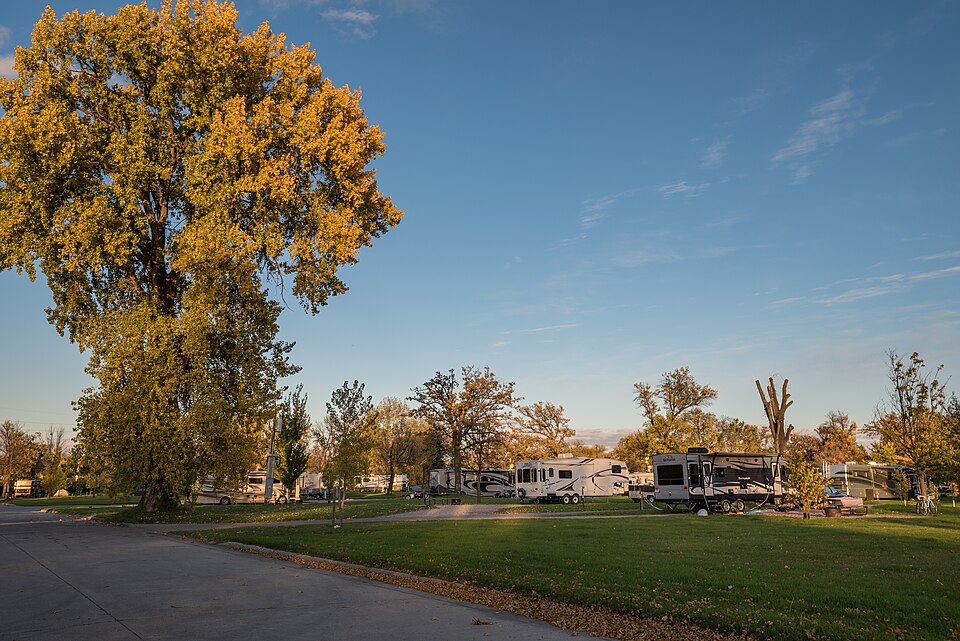
September through November is another practical window for combining the coast with the national park. School schedules can ease some family travel demand, but major events on the Kona side and Thanksgiving can create busy pockets. Check event calendars before assuming an autumn stay will be quieter or less expensive.
Early fall often feels summery along the coast, while rainfall generally becomes more frequent as the wetter season approaches. Build a five- to seven-day trip with at least one flexible day rather than assigning every outing to a fixed date. Book any must-do guided activity early in the visit so you have room to adjust if conditions change.
Lock in a stay for this season
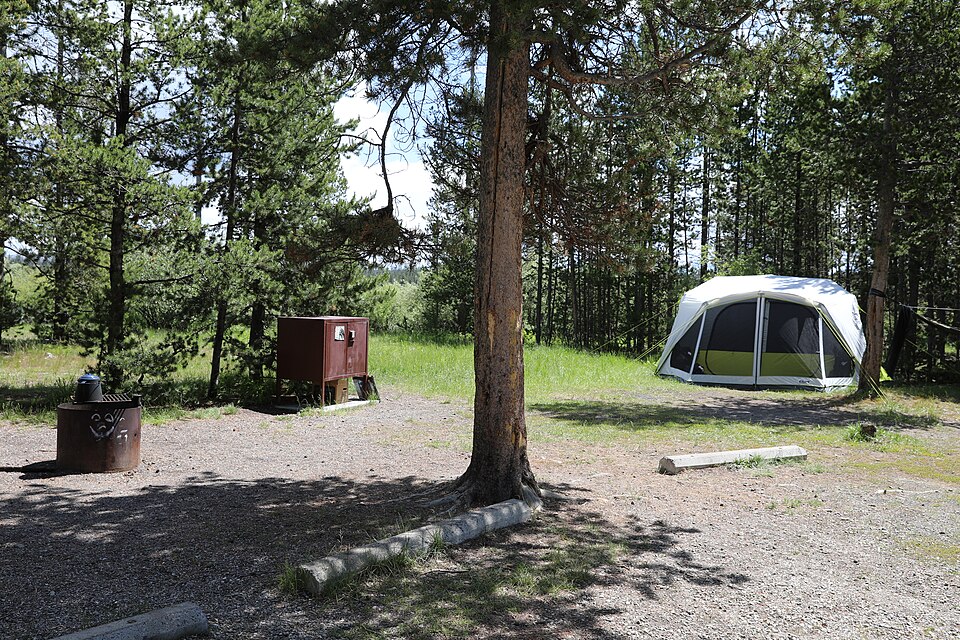
Harvest Hosts stays on the way to Big Island
Partner link · Harvest Hosts
Winter: Whales, Holiday Crowds, and Changing Surf
December through March brings winter holiday demand and the opportunity to watch for humpback whales in Hawaiian waters. Sightings are never assured, but this is the season to consider a shore lookout or a responsible whale-watching outing. Christmas, New Year, and school breaks warrant especially early lodging and vehicle planning.
Winter is generally wetter, particularly on windward slopes, and some shores experience powerful surf. A beach that looks inviting in a photograph may be unsuitable for entering the water on your travel day. Check local beach guidance and weather forecasts. Coastal warmth also does not extend to the island’s highest elevations, where conditions can be severe.
When to Reserve and What to Check
Start with lodging and a rental car several months ahead when possible, particularly for holidays, school breaks, and major events. That is a planning recommendation, not a fixed booking deadline. Once those pieces are set, reserve limited-capacity tours and any overnight camping that your route requires. Review cancellation terms rather than assuming plans can change without a cost.
Before departure, check the official Hawaiʻi Volcanoes National Park website for current conditions, closures, entry requirements, and camping reservation information. Use official state or county park sites for their reservation rules. Recheck close to each outing: volcanic activity, heavy rain, and ocean conditions can change what is practical even during an otherwise favorable season.
More ways to book Big Island
 Illustrative · Lake Central
Punaluʻu Black Sand Beach
One of the classic ways to experience Big Island.
Varies (estimate)
Partner link · Viator