
Big Bend Ranch State Park is a place for desert hikes, dramatic roadside stops, and long views across a rugged volcanic landscape beside the Rio Grande. You can enjoy a varied first visit along paved FM 170 without committing to the park's more demanding interior roads. Give yourself two to four days, choose outings that match the weather and your vehicle, and leave room for the slow pace of remote West Texas travel.
Drive the River Road for Big Landscape Views
FM 170 between Presidio and Lajitas provides a memorable introduction to the park's river corridor. The paved road follows dramatic terrain near the Rio Grande, with steep grades, winding sections, and designated places to stop for views. Allow substantially more time than the mileage suggests so the drive feels like an outing rather than a transfer.
Use established pullouts instead of stopping in the roadway, and watch for cyclists, wildlife, and limited sightlines. This is the most straightforward scenic-driving option for a first visit. Interior roads are a different proposition: many are rough, and vehicle suitability depends on the particular route and current conditions. Ask park staff before heading inland.
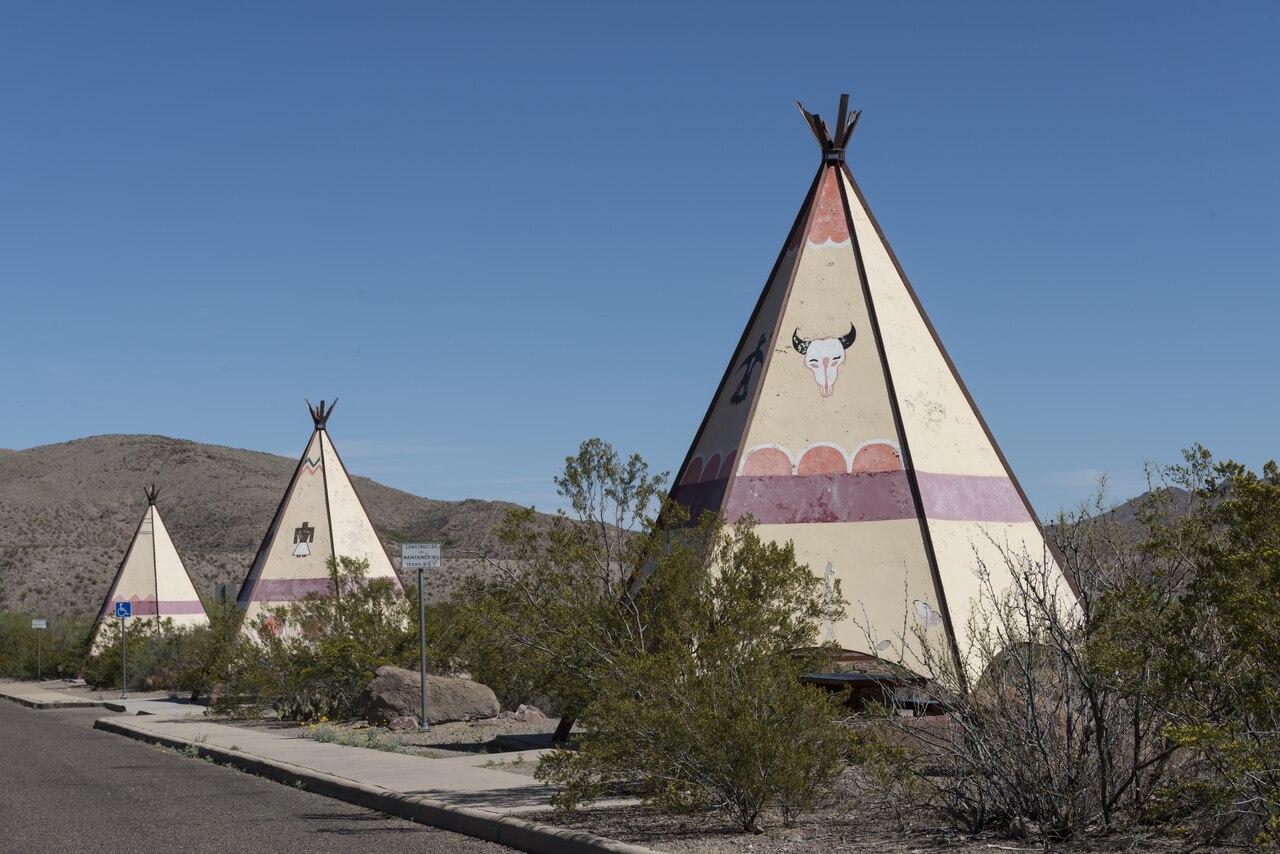
Walk Closed Canyon and the Hoodoos Area
Closed Canyon and the Hoodoos area are well-known hiking stops accessible from the FM 170 corridor. Closed Canyon offers a narrow passage between tall rock walls, while the Hoodoos area introduces eroded formations and river scenery. Together, they give a useful sense of the park's variety without requiring a long drive into its interior.
Neither outing should be treated as an all-weather stroll. Closed Canyon can contain standing water, slick surfaces, and obstacles, and flash flooding is a serious concern when storms threaten. Turn around rather than forcing passage beyond your comfort or ability. At both locations, check official trail information, bring water, and wear footwear with dependable traction.
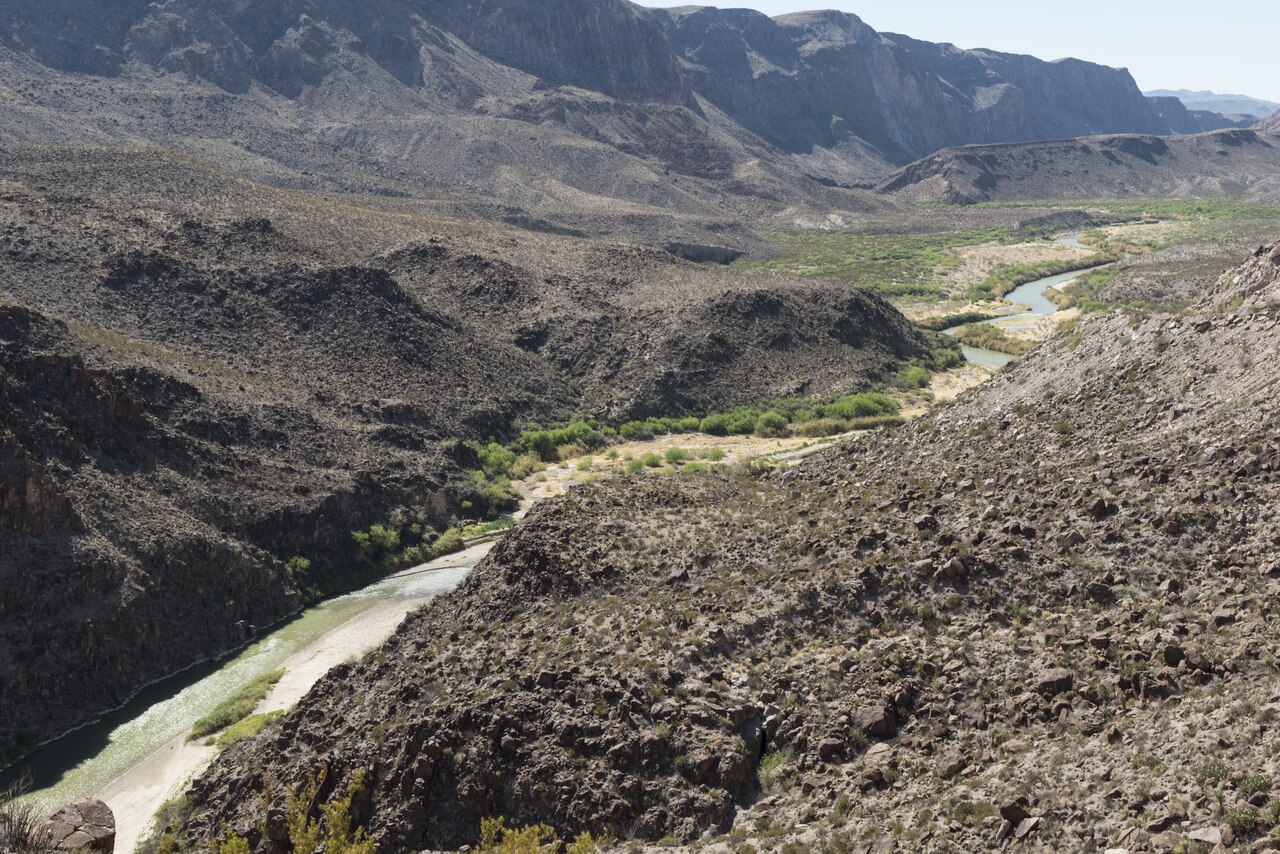
Look for Wildlife, River Scenery, and Dark Skies
The Rio Grande corridor supports birdwatching and provides a striking contrast to the surrounding dry slopes. Early mornings are useful for quietly watching birds and other wildlife from established trails and pullouts. Keep your distance, never feed animals, and use binoculars rather than approaching for a closer photograph.
After sunset, the park's remote setting makes stargazing a worthwhile part of the trip when skies are clear. Choose a legal stopping or camping location before dark and use a dim red light to preserve night vision. River paddling requires separate planning for access, water levels, equipment, and applicable rules; confirm current conditions rather than assuming a river outing will be possible.
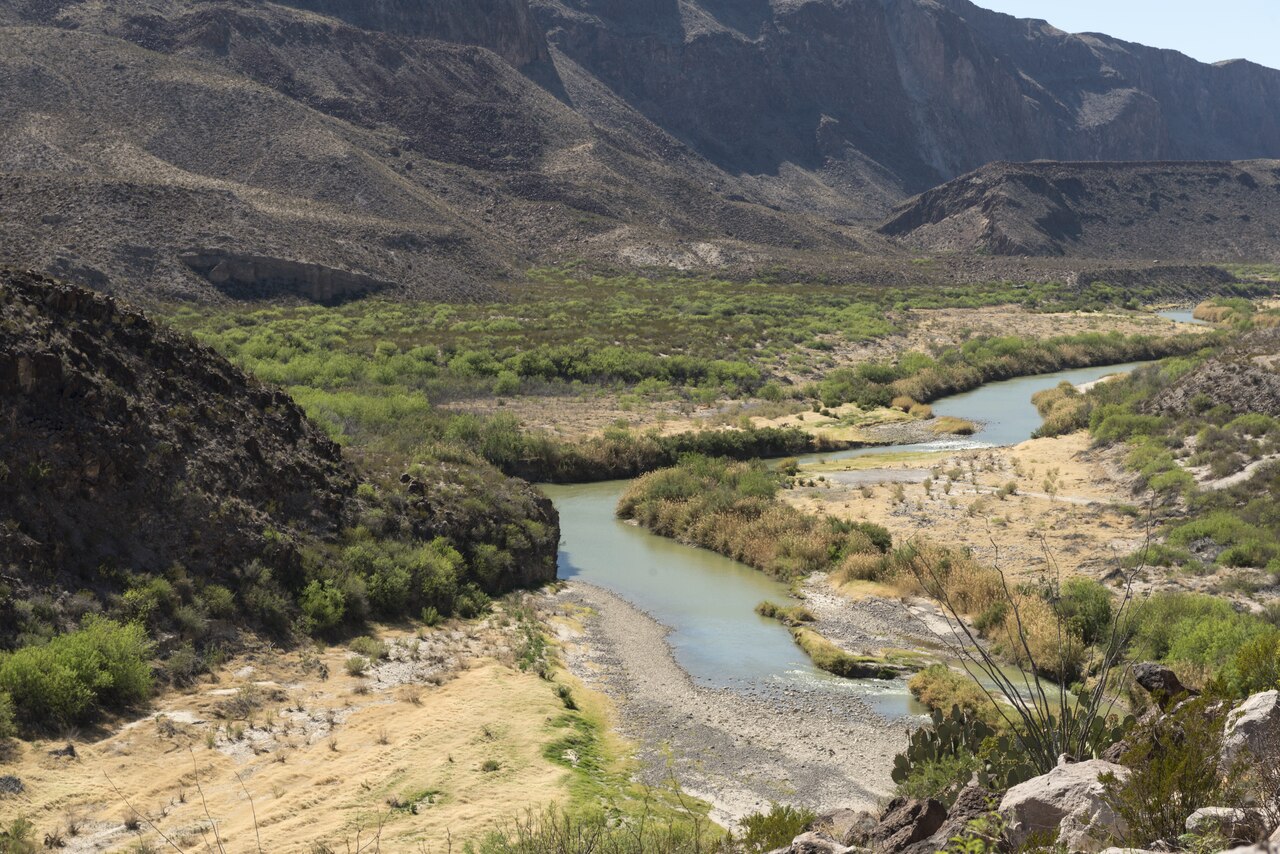
Keep Family Outings Short and Flexible
With kids, build the day around one manageable walk and several scenic stops rather than a long checklist. Looking for different rock shapes, spotting birds, and comparing desert plants can make a short outing engaging. The Hoodoos area can provide interesting scenery, but adults should assess footing and keep children away from steep edges and the river.
Carry more drinking water and snacks than you expect to use, along with sun protection and layers. Do not count on shade, drinking water, or restrooms at every stop. Narrow canyons and remote interior hikes are not automatically suitable for every family; choose routes based on conditions, attention spans, and the group's least experienced member.
Make Rainy Days About Reassessment, Not Canyon Hiking
Rain changes the itinerary quickly in this landscape. Flash flooding can affect canyons and washes, while muddy interior roads may become impassable. Do not use a rainy day to squeeze in Closed Canyon, and never drive through floodwater. Even a paved scenic drive should wait if warnings, closures, or poor visibility make travel questionable.
Check the official Texas Parks and Wildlife site and ask staff about conditions before moving on. If accessible and open, a park visitor center can help with orientation and revised plans; verify hours rather than assuming availability. Otherwise, spend time at your lodging organizing photos, studying maps, and preparing a shorter outing for improved weather.