
October through April is generally the best window for exploring Big Bend Ranch State Park, when cooler temperatures make its exposed desert trails and rugged landscapes more inviting. Spring and fall suit hiking-focused trips, while winter rewards travelers who pack for cold nights and keep their plans flexible. Summer takes considerably more preparation, with intense heat and storms that can affect both backcountry roads and narrow canyon routes.
Spring: Comfortable Hiking Weather, With Busy Holiday Weeks
Spring brings a useful balance of cool mornings and increasingly warm afternoons. March and April are appealing for hiking, roadside viewpoints, and camping, although exposed routes can feel hot well before summer arrives. Wildflowers depend on rainfall rather than a dependable calendar, so treat any bloom as a bonus rather than the reason to book.
Spring break is an important planning consideration across the Big Bend region. Reserve campsites and nearby lodging once your dates are firm, especially if you need a particular site or room type. Start walks early, carry ample drinking water, and check wind forecasts before committing to a tent-based trip.
Lock in a stay for this season
RV parks near Big Bend Ranch State Park on RoverPass
Partner link · RoverPass
Summer: Extreme Heat Changes the Trip
Summer is the least forgiving season for a hiking-centered visit. Shade is scarce, exposed rock becomes intensely hot, and long distances separate reliable services. A quieter park does not necessarily mean easier travel: you need a realistic cooling plan, dependable transportation, and enough water for delays as well as your planned activities.
Seasonal thunderstorms can produce flash flooding and make unpaved roads difficult or impassable. Avoid narrow canyon routes when rain threatens anywhere in the drainage. If summer is your only option, favor brief early outings and scenic driving with frequent reassessments. Verify air-conditioning at your lodging, and check official Texas Parks and Wildlife updates before heading out.
Lock in a stay for this season
Campsites near Big Bend Ranch State Park on Campspot
Partner link · Campspot
Fall: A Strong Choice for Desert Road Trips
Fall is a rewarding time to combine hiking with the scenic drive along FM 170, commonly called River Road. Early fall can still bring substantial heat, but conditions generally become more comfortable as October progresses into November. Shorter days also make it easier to enjoy sunset without staying out especially late.
Pack for temperature swings rather than assuming warm afternoons mean warm evenings. Holiday periods, particularly Thanksgiving week, can bring more demand for campsites and regional lodging. Make reservations before building a detailed route around a specific overnight stop. After recent rain, check road conditions even when the forecast for your travel day looks clear.
Lock in a stay for this season
Harvest Hosts stays on the way to Big Bend Ranch State Park
Partner link · Harvest Hosts
Winter: Good Walking Weather, Cold Campsites
Winter can offer pleasant daytime hiking, clear views, and a quieter atmosphere outside holiday periods. It also brings short daylight hours, cold fronts, and nights that may drop below freezing. Elevation and exposure matter, so conditions at a riverside stop may differ from those farther into the park's interior.
Bring warm layers, a wind-resistant outer layer, and sleeping equipment suited to the forecast if you are camping. For a more comfortable base, choose lodging with verified heating rather than assuming every furnished tent or cabin has it. Plan your longest outings around available daylight, and leave enough time to return before navigating unfamiliar roads in darkness.
Crowds, Reservations, and When to Commit
Big Bend Ranch is known for solitude, but remote does not mean unlimited availability. Developed facilities are limited, and a small number of bookings can fill the campsite or lodging option that fits your route. Spring break, Thanksgiving, and other holiday periods deserve the earliest attention, especially for weekend trips.
Once your dates are set, check the official Texas Parks and Wildlife park page for current reservation windows, entry requirements, campsite details, and closures. Recheck weather and road conditions shortly before departure. Keep a backup plan along the paved FM 170 corridor if an interior road becomes unsuitable, and avoid making your entire trip depend on a single backcountry destination.
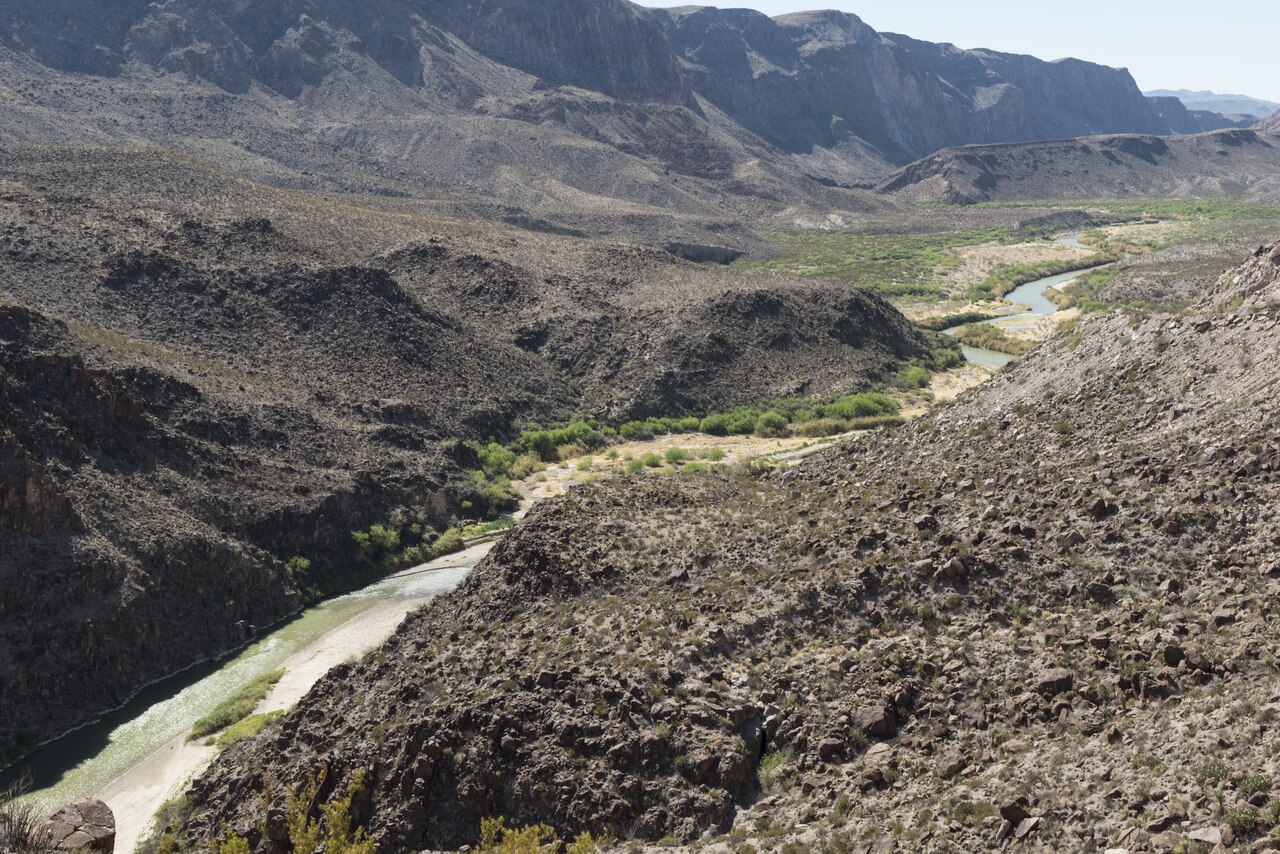
More ways to book Big Bend Ranch State Park
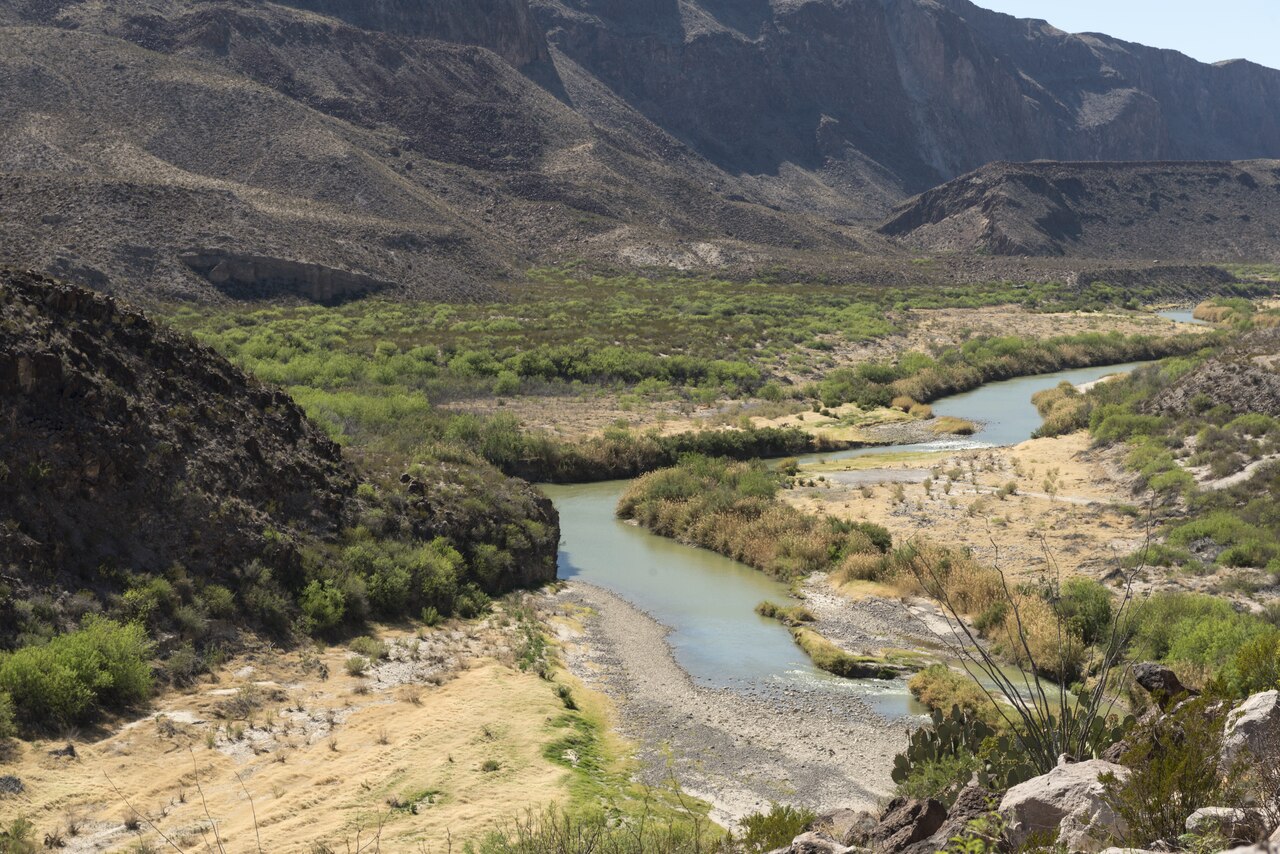 Illustrative · Carol M. Highsmith
Sauceda Ranch Overlook
One of the classic ways to experience Big Bend Ranch State Park.
Varies (estimate)
Partner link · Viator