
Bend makes it easy to combine a relaxed town morning with an afternoon shaped by rivers, volcanic terrain, or Cascade mountain views, without making every day a major expedition. The most rewarding plan mixes a few signature landscapes with time to wander along the Deschutes and enjoy the city's food and arts scene. Choose outings by season and elevation, then keep a backup for snow, smoke, heat, or changing road access.
Start with the Deschutes River and Downtown
The Deschutes River is a natural starting point for understanding Bend. Walk through Drake Park beside Mirror Pond, explore downtown on foot, or follow riverfront paths around the Old Mill District. These outings fit nicely around arrival day and offer scenery without committing to a mountain drive or a full hiking schedule.
For a longer outdoor block, look at sections of the Deschutes River Trail and choose a route that matches your group's distance and terrain preferences. River access, path surfaces, and exposure vary, so check the specific section before setting out. Leave time for a meal or a browse through local shops rather than racing straight from one trailhead to another.
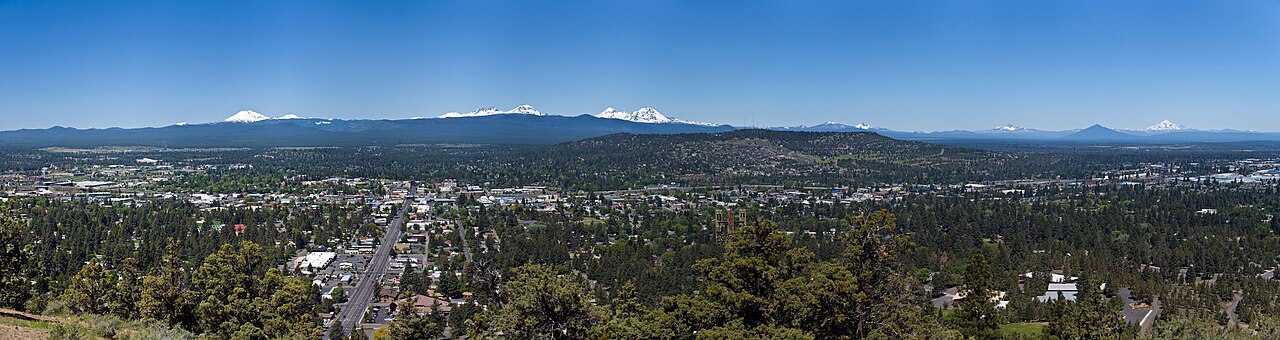
Explore Volcanic Landscapes and Scenic Drives
Newberry National Volcanic Monument introduces the lava flows, volcanic peaks, and caldera landscapes that help define Central Oregon. Depending on seasonal access, consider the Lava Lands area or an outing toward Paulina Lake and East Lake. These are separate stops spread across a large landscape, not attractions to squeeze into one quick roadside visit.
The Cascade Lakes Scenic Byway offers another classic outing when its seasonal sections are open. Pick one lake or trail as your main destination and treat viewpoints as optional additions. For a different landscape, Smith Rock State Park near Terrebonne has dramatic rock formations and hiking routes with varying difficulty. Check official access, parking, and trail information for whichever area you choose.

Get on the Water and Watch for Wildlife
A summer paddle can be a memorable way to experience the Deschutes or an accessible Cascade lake. Match the waterway to your experience, wear a properly fitted life jacket, and check current conditions and Oregon's applicable boating requirements. River sections differ substantially; calm-looking water in one place does not describe the entire route, especially near rapids or diversion structures.
If you prefer staying on shore, bring binoculars for watching waterfowl and other birds along the river. Wildlife sightings are never guaranteed, but a quiet walk can reveal more than a rushed stop. Keep your distance, never feed animals, and follow posted pet rules. At lakes, remember that cold water and afternoon wind can change an outing's demands.
Keep Family Days Short, Varied, and Flexible
With kids, Bend often works better as a series of manageable outings than a single ambitious hike. Pair a short river walk with a playground stop, or choose a picnic and shoreline exploration at an accessible lake. Check the exact route for stroller suitability, shade, restrooms, and access rather than assuming every river or lakeside path has the same setup.
The High Desert Museum south of town combines regional natural and cultural history with exhibits and animal habitats, making it a useful family anchor. Some areas are outdoors, so bring weather layers even when it is your indoor backup. For any outing, build in snack breaks and turn around before the return walk becomes the hardest part of the day.
Have a Rainy-Day or Smoke-Day Backup
When mountain weather turns wet, give yourself permission to spend a slower day in town. Browse bookstores and galleries, settle into a cafe, or visit the High Desert Museum for its indoor exhibits. Check official attraction websites for current admission details, reservations, and any schedule changes before making a special trip.
Rain and wildfire smoke call for different decisions. A rainy morning may simply change your clothing and route, while poor air quality can make an outdoor-focused day impractical. Avoid assuming that driving to another trailhead will solve either problem. Check official Oregon State Parks and U.S. Forest Service notices for closures, along with weather and air-quality reports, before choosing an alternate outing.