
Bend glamping is a way to sleep closer to Central Oregon's outdoor landscapes without necessarily bringing a full camping setup, but the level of comfort varies widely by property. Your search might include furnished tents, yurts, compact cabins, or stationary trailers rather than one standard style of accommodation. Choose the area first, then verify practical details such as heating, bathrooms, cooking facilities, and road access before deciding whether a stay fits your season and travel plans.
What Glamping Actually Means Around Bend
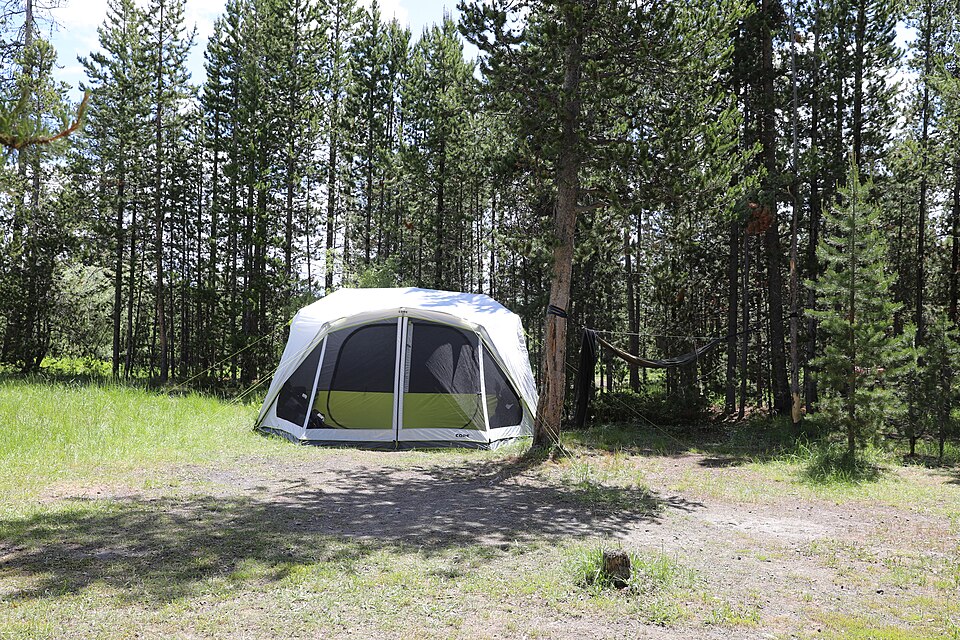
Think of glamping as a spectrum rather than a promise of hotel-style comfort. At one end, a furnished tent may provide a bed and basic lighting while relying on shared bathrooms. At the other, a cabin or stationary trailer may include insulation, a private bathroom, and a small kitchen. Listings can use the same label for very different experiences.
Before booking, confirm whether bedding, towels, electricity, drinking water, heating, and cooking equipment are included. Ask how far the bathroom is from the sleeping space and whether it remains available throughout your stay. Photos rarely explain nighttime temperatures or road noise, so read the amenity list and location details carefully rather than judging only by the setting.
Where to Search: Bend and the Gateway Areas
Start near Bend if restaurants, supplies, and short town outings matter as much as the outdoor setting. Search around Sisters if you want a small-town base on the western side of the region, or around Sunriver if your plans emphasize destinations south of Bend. Redmond can be practical for airport access and outings toward Smith Rock.
These areas cover a broad region, and a listing described as near Bend may still add considerable driving to each day. Check the actual map location before booking, especially if you are planning early trail starts. Also verify whether the site is in a developed neighborhood, an open rural setting, or a wooded area; none of those settings automatically means seclusion.
Choose the Season for the Structure
Summer generally provides the easiest conditions for tent-style glamping, but high-desert nights can still be cool and sunny afternoons can warm enclosed spaces quickly. Look for ventilation and shade as carefully as you look for a comfortable bed. Wildfire smoke and fire restrictions can affect the experience, so do not book solely around the idea of an evening campfire.
In spring and fall, insulation and a reliable heating setup become more important, especially outside town or at higher elevations. Winter stays call for a genuinely winter-ready structure, confirmed water availability, and clear access expectations. Ask about cancellation terms and weather-related access policies. Check official park and U.S. Forest Service notices if nearby public-land recreation is central to your trip.
What to Pack Even When a Bed Is Provided
Bring layers for warm afternoons and cold evenings, including a warm jacket, a rain shell, and comfortable walking shoes. A headlamp is useful for paths between your accommodation, parking, and shared bathrooms. Pack sun protection, refillable water bottles, toiletries, and charging supplies, then adjust your list to the amenities the host explicitly confirms.
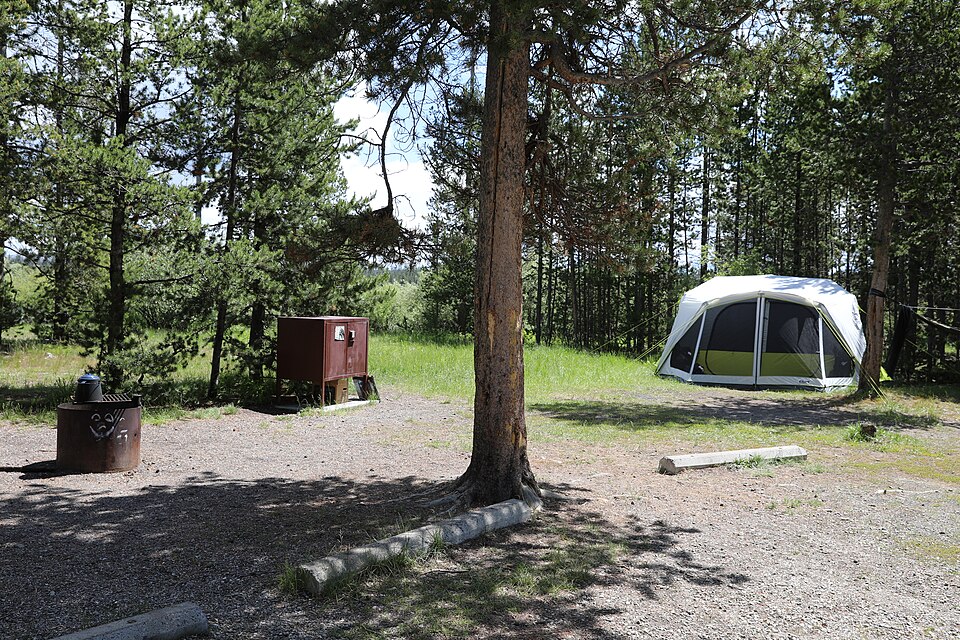
For cooking, check whether the stay includes utensils, cookware, refrigeration, and an allowed cooking appliance before buying groceries. Do not assume an outdoor fire ring means fires will be permitted during your visit. Ask about food storage, trash handling, and wildlife precautions, and follow the site's rules. Download directions before arrival because rural mobile coverage can vary, and bring extra bedding only if the property recommends it.
Glamping vs. Tent Camping vs. an RV Stay
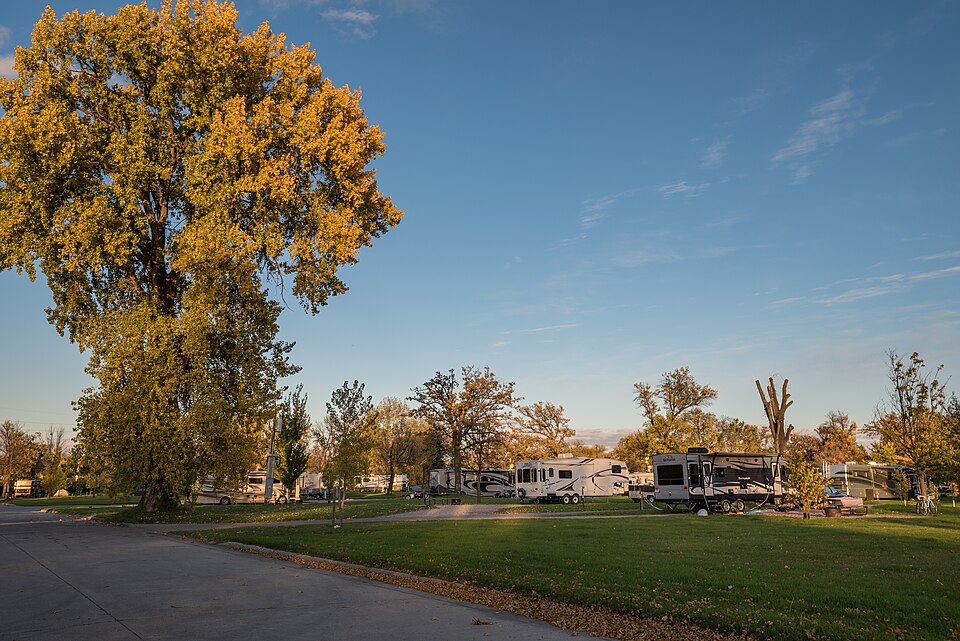
Glamping makes sense when you want a ready-made sleeping setup and less equipment to transport. Traditional tent camping gives you more control over your gear and often has lower nightly site costs, but it requires setup and greater preparation for weather. An RV can provide enclosed living space and cooking facilities, although rentals, fuel, hookups, and campsite limitations add complexity.
Compare the total rough cost, not just the advertised nightly rate. Cleaning charges, pet fees, minimum stays, and equipment rentals may change the picture, while a hotel-style cabin may cost considerably more than a basic campsite. For public campgrounds, check the official park or U.S. Forest Service reservation information. For private stays, verify amenities and booking terms directly with the operator.